Shepperson Nevada History - Böcker
Visar alla böcker i serien Shepperson Nevada History. Handla med fri frakt och snabb leverans.
8 produkter
8 produkter
265 kr
Skickas inom 7-10 vardagar
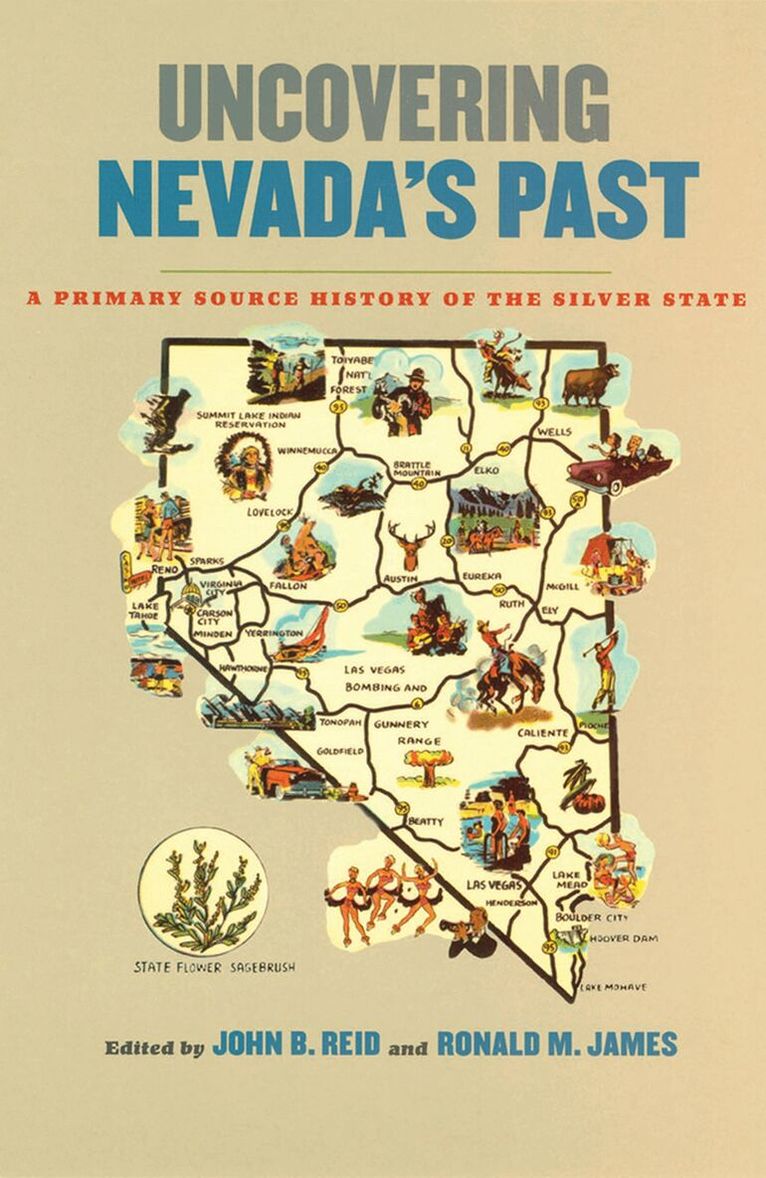
In the words of literary luminaries, newspaper articles, public documents, personal letters, political speeches and personal accounts this is an attempt to define Nevada's colorful and complex development. It describes life in a mining boomtown, racial segregation in Las Vegas, political careers and atomic testing whilst through photographs we are shown significant Nevada architecture, the masterpieces of renowned Paiute basketmaker Dat-so-la-lee and tree carvings by sheepherders. The collection ranges from the earliest descriptions of the region to the current debate on Yucca Mountain.
238 kr
Skickas inom 7-10 vardagar
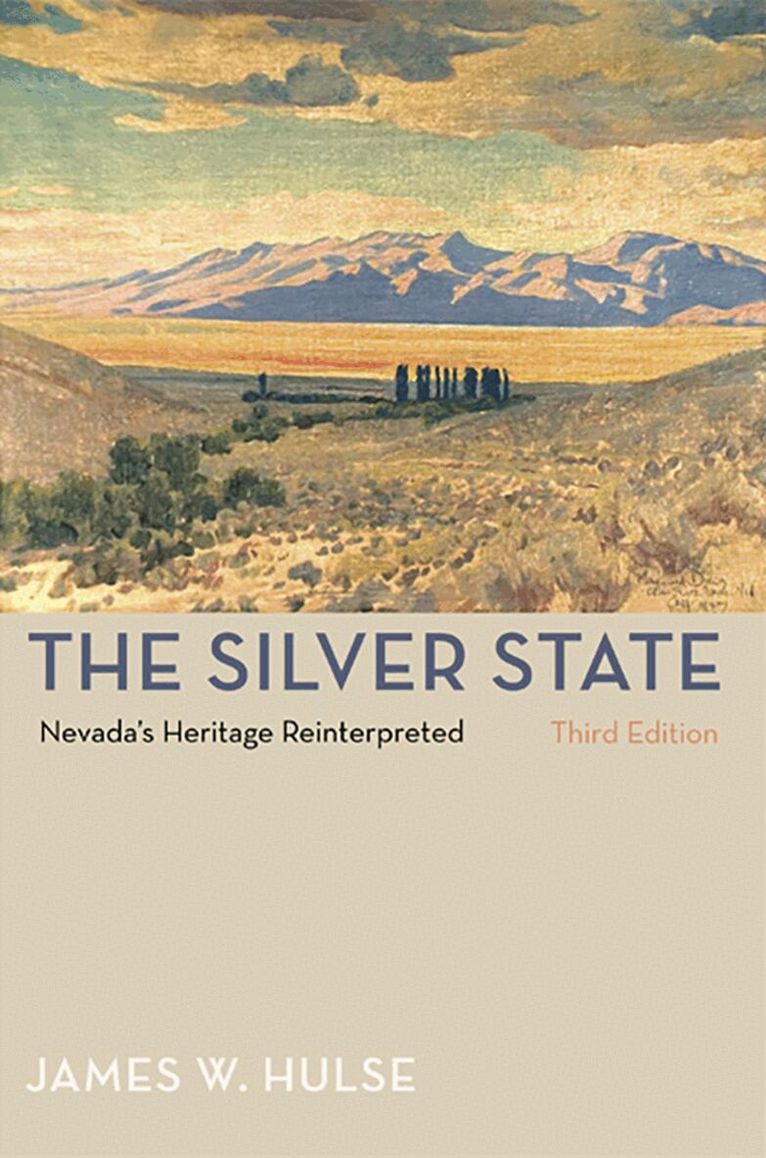
Nevada has changed dramatically over the past quarter century, and in this third edition of The Silver State, renowned historian James W. Hulse recounts the major events - historical, political, and social - that have shaped our state. Hulse's cohesive and readable approach offers students and general readers an accessible account of Nevada's colorful history. The new edition highlights the social and political changes that have occurred since the original publication of The Silver State in 1991. Hulse discusses the impact of a growing population; changes in the economy and educational system; expanding roles of women; recent developments in state politics, including the 2003 legislative session; the influence of Nevada's growing ethnic population and increasingly divergent demographic groups; and the impact of federal policies, including President George W. Bush's 2002 decision to authorize the opening of a nuclear-waste repository at Yucca Mountain. In addition, all the recommended-reading lists have been updated. The Silver State explores many dimensions of the Nevada experience and its peoples - from the prehistoric Anasazi Indians to the creators of extravagant casinos on the Las Vegas Strip; from duststained Comstock miners to the state's contemporary and very cosmopolitan Sunbelt population. This book will inspire readers to take another look at the rich cultural heritage and eventful history of Nevada, the Silver State.
197 kr
Skickas inom 7-10 vardagar
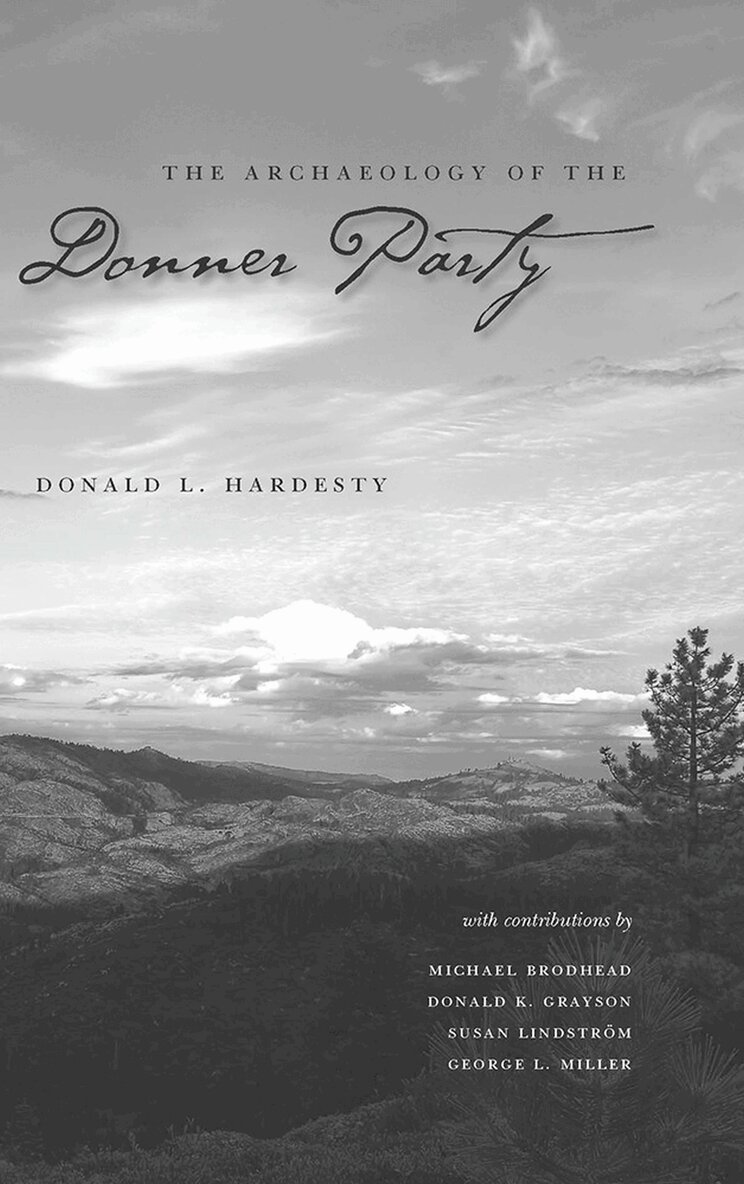
The tragic saga of the Donner Party has inspired both legend and scholarship ever since the survivors were rescued from the High Sierra snows in the spring of 1847. When archaeologist Donald L. Hardesty and four colleagues - a historian and three other archaeologists - turned their collective attention to the ordeal of the Donner Party, the result was an original and sometimes surprising new study of this pioneer group and their place in the history of overland migration. Now available for the first time in paperback, ""The Archaeology of the Donner Party"" combines the fruits of meticulous investigation of the Sierra Nevada sites with scientific analysis of artifacts discovered there and interpretation of the documents of the party and the memoirs of survivors. Through this interdisciplinary approach, Hardesty and his colleagues offer new insight into the ordeal of these ill-fated emigrants and demonstrate the vital role that archaeology can play in illuminating and expanding our understanding of historical events.
265 kr
Skickas inom 7-10 vardagar
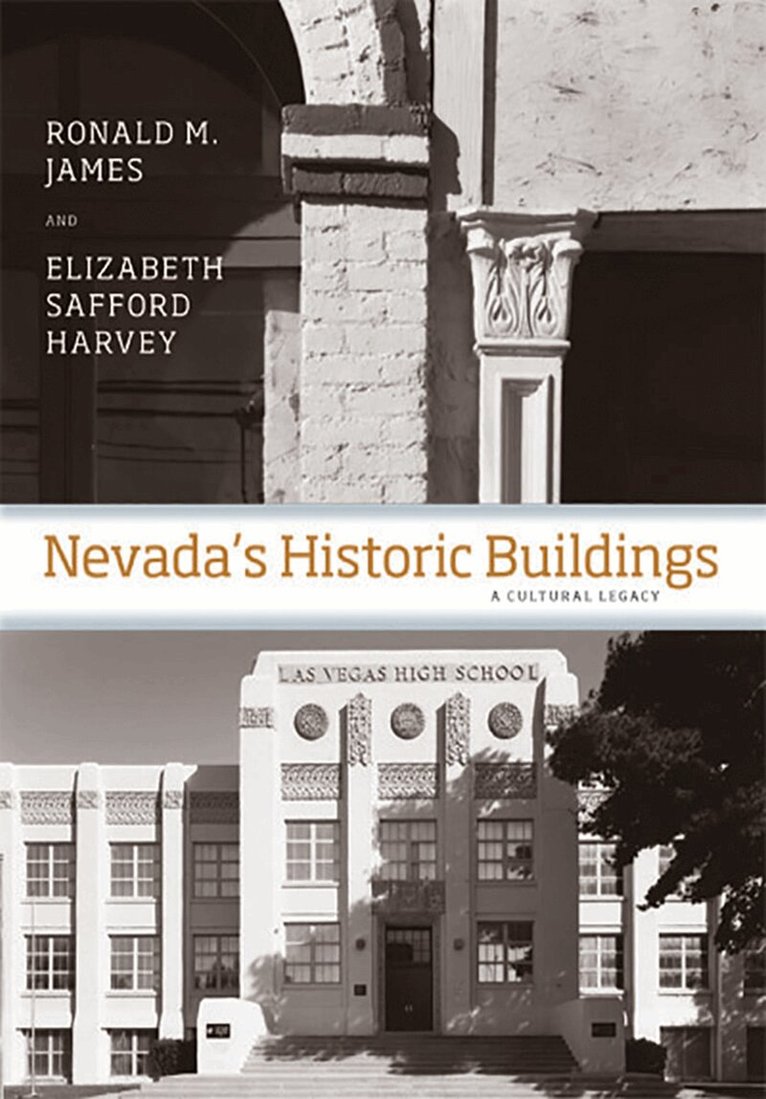
In 1991, Nevada's Commission for Cultural Affairs was created to oversee the preservation of the state's historic buildings and the conversion of the best of them for use as cultural centres. Working closely with local groups and drawing on both public and private resources, this program has rehabilitated dozens of historic structures treasured by their communities for the ways they represent the development of the state and its culture. ""Nevada's Historic Buildings"" highlights 90 of these buildings, describing them in the context of the state's history and the character of the people who created and used them. Nevadans themselves had a say in which buildings were picked.
265 kr
Skickas inom 7-10 vardagar
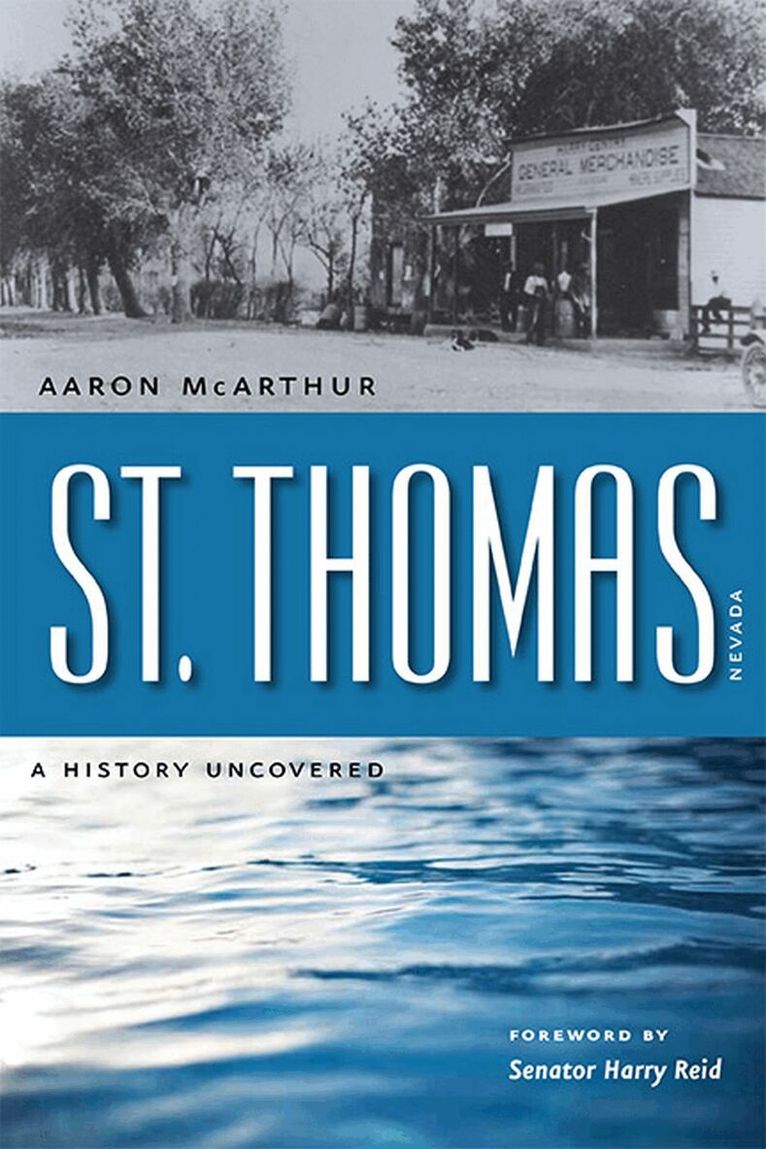
The history of St. Thomas, Nevada, the remains of which today lie under the high-water mark of Lake Mead, begins in 1865 with Mormon missionaries sent by Brigham Young to the Moapa Valley to grow cotton. In 1871 the boundary of Utah Territory was shifted east by one degree longitude, and the town became part of Nevada. New settlers moved in, miners and farmers, interacting with the Mormons and native Paiute. The building of Hoover Dam doomed the small settlement, yet a striking number of people still have connections to a town that ceased to exist three-quarters of a century ago. Today, the ruins of this ghost town, just sixty miles east of Las Vegas, are visible when the waters of Lake Mead are low. The National Park Service today preserves and interprets the remains of St. Thomas, located in Lake Mead National Recreation Area, as a significant historical site. Touching as it does upon early explorers, Mormons, criminals, railroad and auto transportation, mining, water, state and federal relations, and more,St. Thomas, Nevadaoffers much to Mormon and regional historians, as well as general readers of western history.
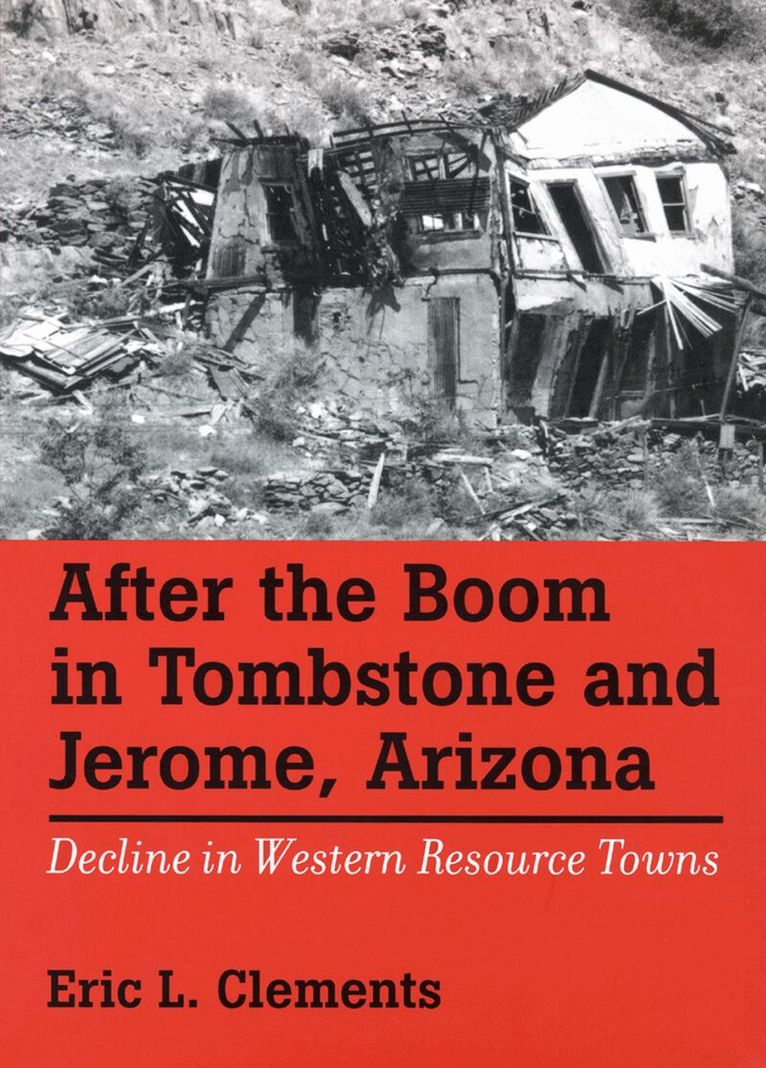
After the Boom in Tombstone and Jerome, Arizona
Decline in Western Resource Towns
Häftad, Engelska, 2014
374 kr
Skickas inom 7-10 vardagar
Focusing on two Arizona towns that had their origins in mining bonanzas, Tombstone and Jerome, Eric L. Clements offers a rare study dissecting the process of bust itself--the reasons and manners in which these towns declined as the booms ended. Tombstone was the site of one of the great silver strikes of the nineteenth century, a boom that started in the late 1870s and was over by 1890. Jerome’s copper deposits were mined for much longer, beginning in the 1880s and enduring until the 1950s. But when the mining ended, each town faced its demise. However, the bust involved more than a quick fall into ghost-town status; the process of decline was more complex than superficial histories have indicated.Clements discusses the role of labour unions in trying to stave off collapse, the changing demography of decline, the nature and expression of social tensions, the impact on institutions such as churches and schools, and the human responses to continued economic depression, including numerous strategies to survive and reduce household expenses. Today, both Tombstone and Jerome have reinvented themselves as twenty-first-century tourist attractions. Historians and students of the American Southwest will value Clements’s work, and travellers will gain a deeper understanding of these revived communities.
292 kr
Skickas inom 7-10 vardagar
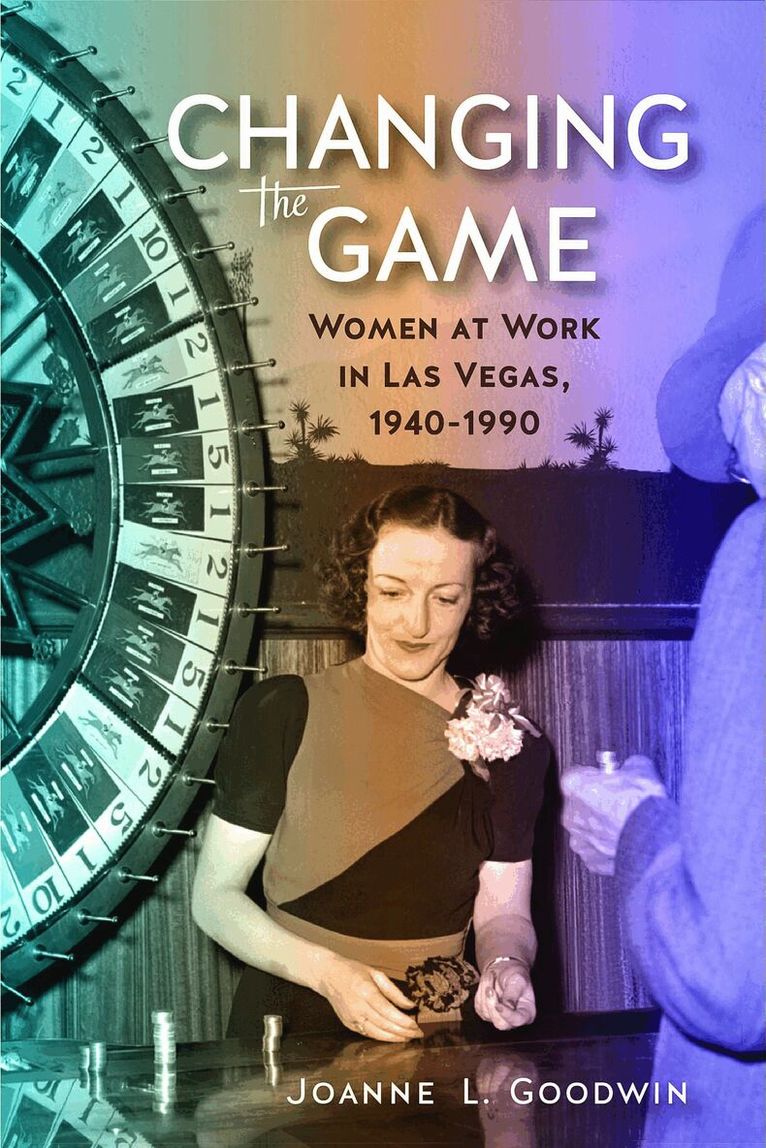
The growth of Las Vegas that began in the 1940s brought an influx of both women and men looking to work in the expanding hotel and casino industries. In fact, for the next fifty years the proportion of women in the labour force was greater in Las Vegas than the United States as a whole. Joanne L. Goodwin’s study captures the shifting boundaries of women’s employment in the postwar decades with narratives drawn from the Las Vegas Women Oral History Project. It counters clichéd pictures of women at work in the famed resort city as it explores women’s real strategies for economic survival and success.Their experiences anticipated major trends in post\-World War II labour history: the national migration of workers during and after the war, the growing proportion of women in the labour force, balancing work with family life, the unionisation of service workers, and, above all, the desegregation of the labour force by sex and race. These narratives show women in Las Vegas resisting pre-assigned roles, seeing their work as a testimony of skill, a measure of independence, and a fulfilment of needs. Overall, these stories of women who lived and worked in Las Vegas in the last half of the twentieth century reveal much about the broader transitions for women in America between 1940 and 1990.
292 kr
Skickas inom 7-10 vardagar
The Nevada of lesser-known cities, towns, and outposts deserve their separate chronicles, and here Hulse fills a wide gap. He contributes in a text rich with memories tramping through rural Nevada as a child, then as a journalist seeking news and gossip, then later as an academic historian and a parent trying to share the wonders of the high desert with his family. Nobody is more qualified to write about the cultural nuances of rural Nevada than Hulse, who retired after 35 years as a professor of history at University of Nevada, Reno.Robert Laxalt wrote an article in National Geographic in 1974 entitled “The Other Nevada” in which he referred to “the Nevada that has been eclipsed by the tinsel trimmings of Las Vegas, the round-the-clock casinos, the ski slopes of the Sierra. It is a Nevada that few tourists see.” With this book Hulse reflects on Laxalt’s insights and shows changes—often slow-moving and incremental—that have occurred since then. Much of the terrain of rural Nevada has not changed at all, while others have adapted to technological revolutions of recent times. Hulse states that there is no single “other” Nevada, but several subcultures with distinct features. He offers a tour of sorts to what John Muir called the “bewildering abundance” of the Nevada landscape.