Social Policy in Modern Asia - Böcker
Visar alla böcker i serien Social Policy in Modern Asia. Handla med fri frakt och snabb leverans.
4 produkter
4 produkter
2 113 kr
Skickas inom 10-15 vardagar
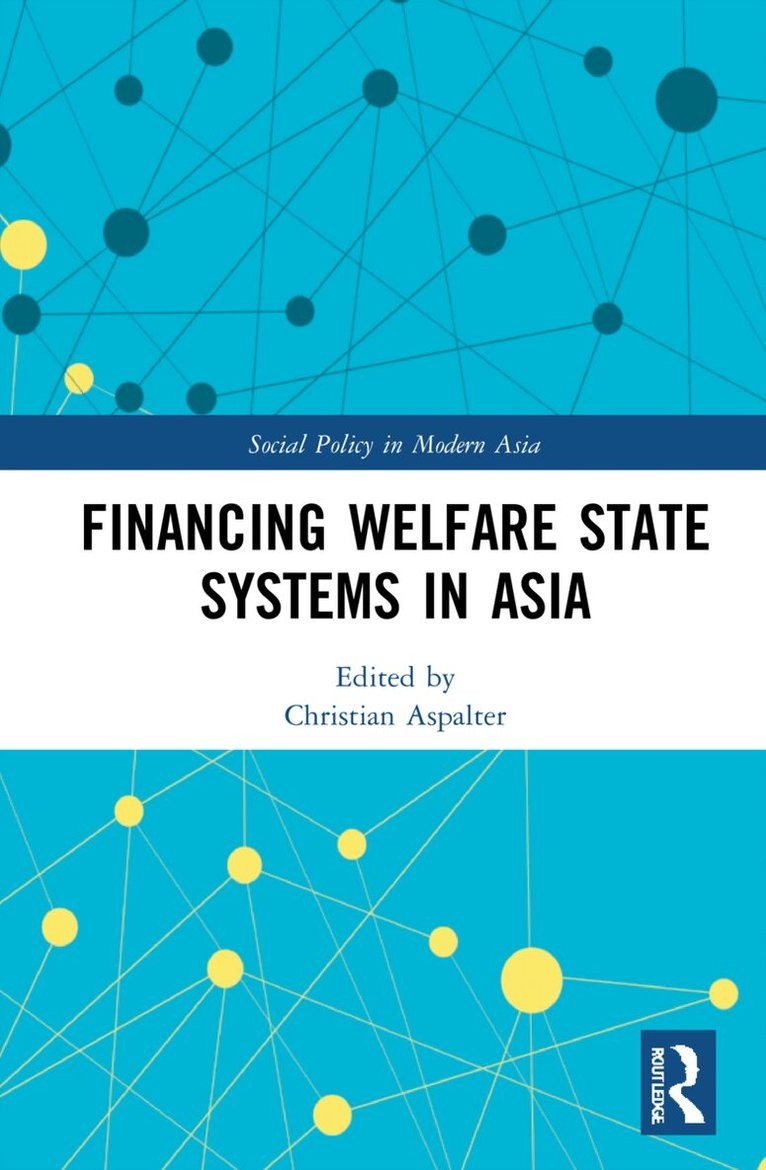
This book identifies the main causes of welfare state system extension, as well as the differences in welfare state system design and their consequences for human behavior and the future financial stability of the systems in place in different parts of Asia.Providing ten in-depth country case studies from across the region, including India, Thailand, China, Hong Kong, Macao, Taiwan and South Korea, as well as Russia, Turkey and Saudi Arabia, the book focuses on the situation of welfare state system development and its financing in some of the largest countries on earth. It addresses previously neglected areas for investigation, such as the causal reasons for welfare state system extension (not only in Asia, but in general), the types of social security systems and their incentive systems in place and the way they chiefly determine behavior—and thus determine the resulting social security needs.This book will be of interest to all scholars and students of social policy, public policy, political science, sociology, finance and economics, development studies and Asian studies more broadly.
2 181 kr
Skickas inom 10-15 vardagar
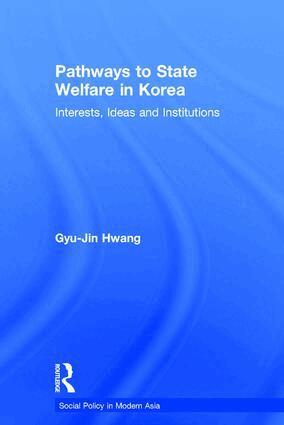
Why has Korean social policy developed differently from that of other East Asian countries? While in many respects Korea can be compared with Taiwan, Hong Kong and Singapore, where economic development has been the chief priority of state action, Korea has also implemented extensive welfare reform, expanding its welfare provision even under recent conditions of economic downturn. Gyu-Jin Hwang traces the development of the Korean welfare state, providing a fascinating case study for observers of East Asian industrial growth and the public management of social risks. Arguing that the extension of state welfare presents a unique challenge to existing theoretical propositions underlying social policy development, he draws on detailed empirical analysis of key policy areas, namely public assistance, national pensions, health care and employment insurance. The book offers a definitive analysis of the development of Korean social policy programmes and the politics of implementing them. The book will be important reading for all those interested in comparative Social Policy and more specifically the development of Social Welfare in Asian countries.
578 kr
Skickas inom 10-15 vardagar
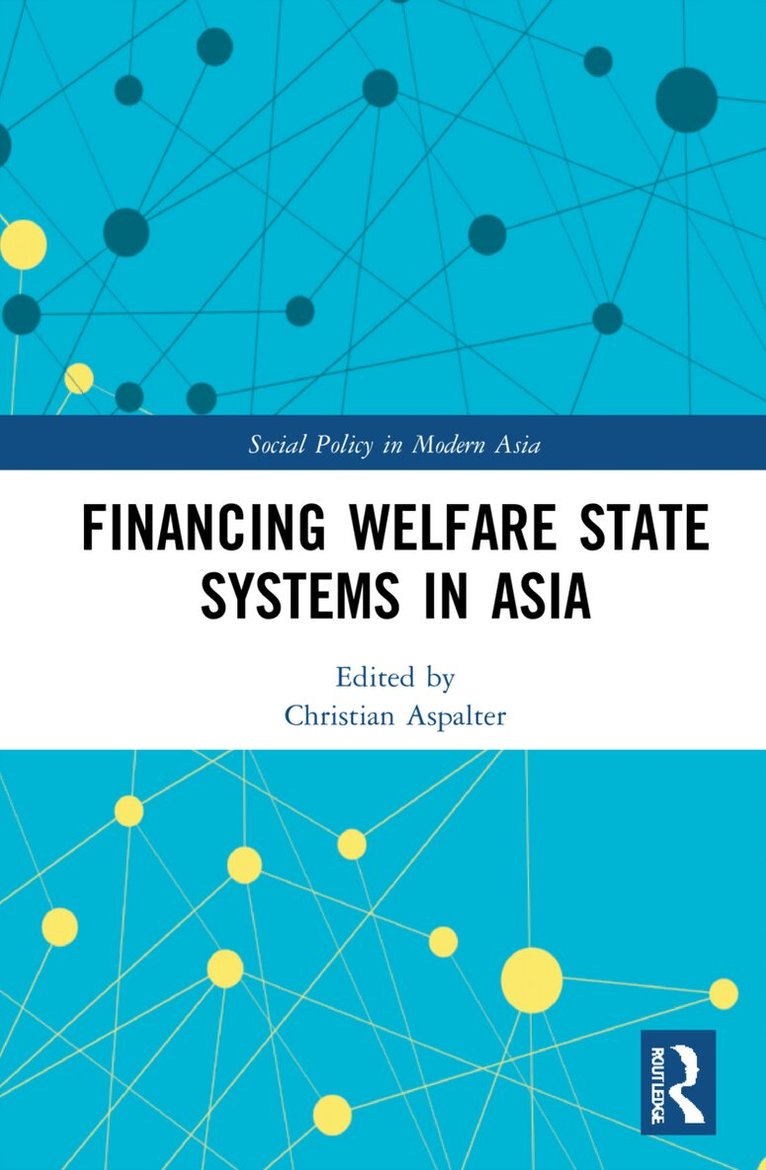
This book identifies the main causes of welfare state system extension, as well as the differences in welfare state system design and their consequences for human behavior and the future financial stability of the systems in place in different parts of Asia.Providing ten in-depth country case studies from across the region, including India, Thailand, China, Hong Kong, Macao, Taiwan and South Korea, as well as Russia, Turkey and Saudi Arabia, the book focuses on the situation of welfare state system development and its financing in some of the largest countries on earth. It addresses previously neglected areas for investigation, such as the causal reasons for welfare state system extension (not only in Asia, but in general), the types of social security systems and their incentive systems in place and the way they chiefly determine behavior—and thus determine the resulting social security needs.This book will be of interest to all scholars and students of social policy, public policy, political science, sociology, finance and economics, development studies and Asian studies more broadly.
727 kr
Skickas inom 10-15 vardagar
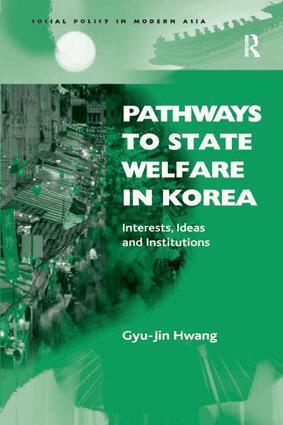
Why has Korean social policy developed differently from that of other East Asian countries? While in many respects Korea can be compared with Taiwan, Hong Kong and Singapore, where economic development has been the chief priority of state action, Korea has also implemented extensive welfare reform, expanding its welfare provision even under recent conditions of economic downturn. Gyu-Jin Hwang traces the development of the Korean welfare state, providing a fascinating case study for observers of East Asian industrial growth and the public management of social risks. Arguing that the extension of state welfare presents a unique challenge to existing theoretical propositions underlying social policy development, he draws on detailed empirical analysis of key policy areas, namely public assistance, national pensions, health care and employment insurance. The book offers a definitive analysis of the development of Korean social policy programmes and the politics of implementing them. The book will be important reading for all those interested in comparative Social Policy and more specifically the development of Social Welfare in Asian countries.