Societas: Historical Studies in Classical Culture – serie
Visar alla böcker i serien Societas: Historical Studies in Classical Culture. Handla med fri frakt och snabb leverans.
2 produkter
2 produkter
1 092 kr
Skickas inom 7-10 vardagar
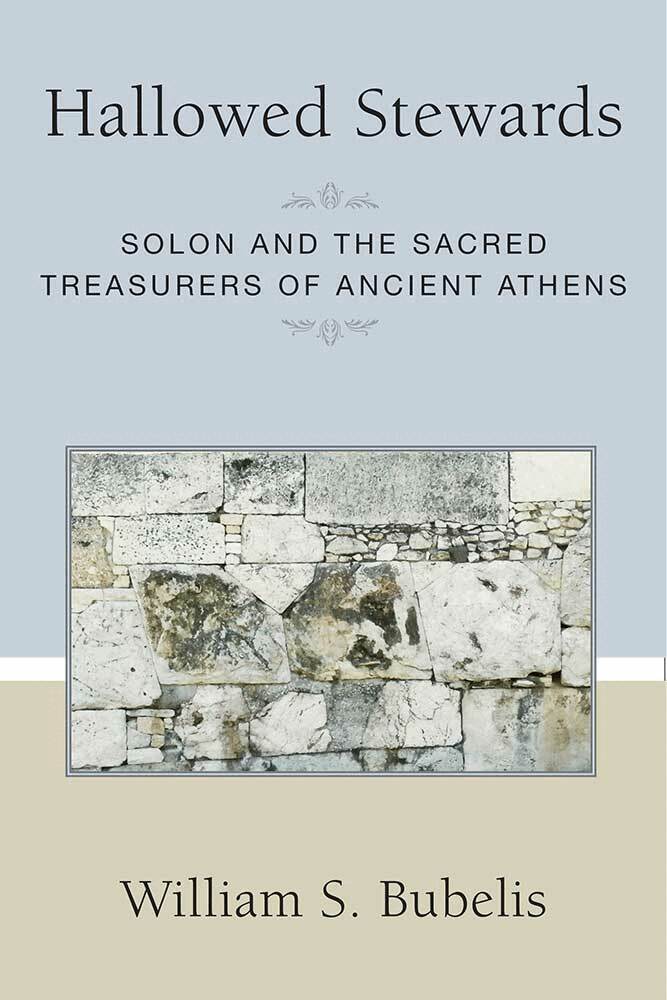
Students of ancient Athenian politics, governance, and religion have long stumbled over the rich evidence of inscriptions and literary texts that document the Athenians’ stewardship of the wealth of the gods. Likewise, Athens was well known for devoting public energy and funds to all matters of ritual, ranging from the building of temples to major religious sacrifices. Yet, lacking any adequate account of how the Athenians organized that commitment, much less how it arose and developed, ancient historians and philologists alike have labored with only a paltry understanding of what was a central concern to the Athenians themselves. That deficit of knowledge, in turn, has constrained and diminished our grasp of other essential questions surrounding Athenian society and its history, such as the nature of political life in archaic Athens, and the forces underlying Athens’ imperial finances.Hallowed Stewards closely examines those magistracies that were central to Athenian religious efforts, and which are best described as “sacred treasurers.” Given the extensive but fragmentary evidence available to us, which consists mainly of inscriptions but includes such texts as the ps.-Aristotelian Constitution of the Athenians, no catalog-like approach to these offices could properly encompass their details, much less their wider significance. By situating the sacred treasurers within a broader religious and historical framework, Hallowed Stewards not only provides an incisive portrait of the treasurers themselves but also elucidates how sacred property and public finance alike developed in ancient Athens.
866 kr
Skickas inom 7-10 vardagar
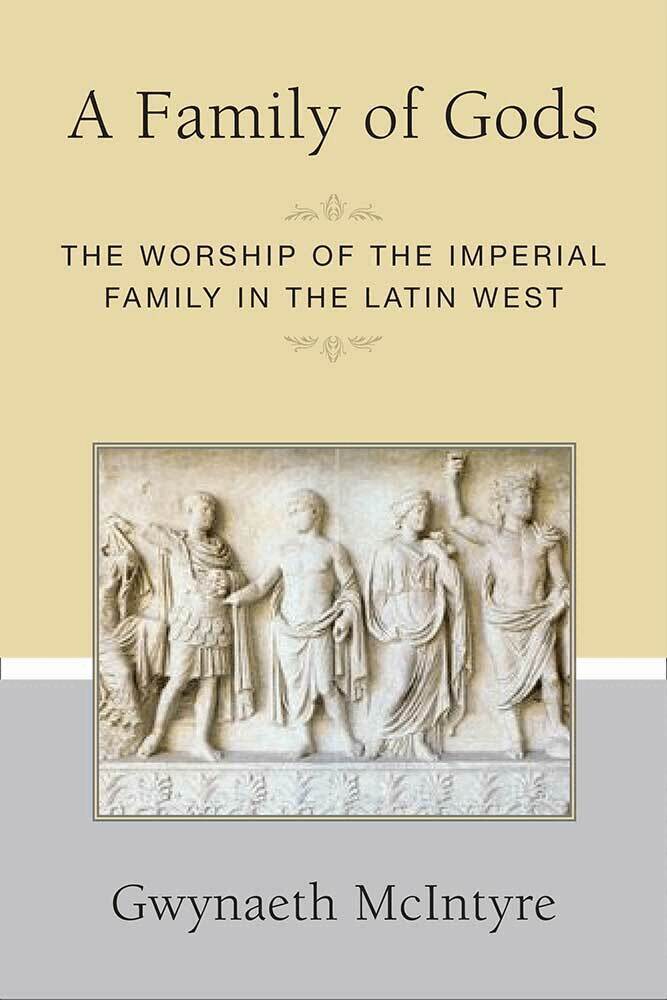
Roman politics and religion were inherently linked as the Romans attempted to explain the world and their place within it. As Roman territory expanded and power became consolidated into the hands of one man, people throughout the empire sought to define their relationship with the emperor by granting honors to him. This collection of practices has been labeled “emperor worship” or “ruler cult,” but this tells only half the story: imperial family members also became an important part of this construction of power and almost half of the individuals deified in Rome were wives, sisters, children, and other family members of the emperor.In A Family of Gods, Gwynaeth McIntyre expands current “ruler cult” discussions by including other deified individuals, and by looking at how communities in the period 44 BCE to 337 CE sought to connect themselves with the imperial power structure through establishing priesthoods and cult practices. This work focuses on the priests dedicated to the worship of the imperial family in order to contextualize their role in how imperial power was perceived in the provincial communities and the ways in which communities chose to employ religious practices. Special emphasis is given to the provinces in Gaul, Spain, and North Africa.This book draws on epigraphic evidence but incorporates literary, numismatic, and archaeological evidence where applicable. It will be of interest to scholars of Roman imperial cult as well as Roman imperialism, and religious and political history.