Society and Ecology in Island and Coastal Archaeology – serie
Visar alla böcker i serien Society and Ecology in Island and Coastal Archaeology. Handla med fri frakt och snabb leverans.
15 produkter
15 produkter
Inbunden, Engelska, 2019
1 132 kr
Skickas inom 10-15 vardagar
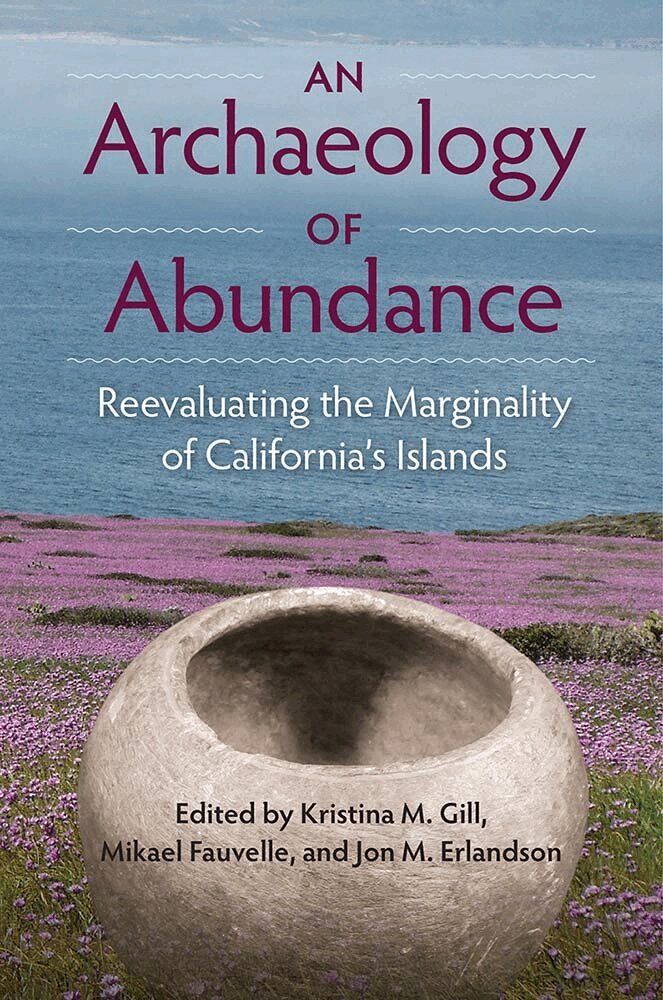
The Alta and Baja California islands changed dramatically in the centuries after Spanish colonists arrived. Native populations were decimated, and their lives were altered through forced assimilation and the cessation of burning and traditional foraging practices. Overgrazing, overfishing, and the introduction of nonnative species depleted natural resources severely. Modern scientists have assumed the islands were similarly sparse before European contact, but An Archaeology of Abundance reassesses this long-held belief, analyzing new lines of evidence showing that the California Islands were rich in resources important to human populations. Contributors examine data from Paleocoastal to historic times that suggest the islands were optimal habitats that provided food, fresh water, minerals, and fuel for the people living there. Botanical remains from these sites, together with the modern resurgence of plant communities after the removal of livestock, challenge theories formed during the historical ranching era. Geoarchaeological surveys contradict claims that the islands had few high-quality materials for making stone tools. Trade exchange routes, underwater forests of edible seaweeds, and reconstructions of population densities also support the case for abundance on the islands. Reinforcing the argument that these islands were not marginal environments in the early human history of the region, the discoveries presented in this volume hold significant implications for reassessing the ancient history of islands around the world that have undergone similar ecological transformations. A volume in the series Society and Ecology in Island and Coastal Archaeology, edited by Victor D. Thompson.
Häftad, Engelska, 2018
274 kr
Skickas inom 10-15 vardagar
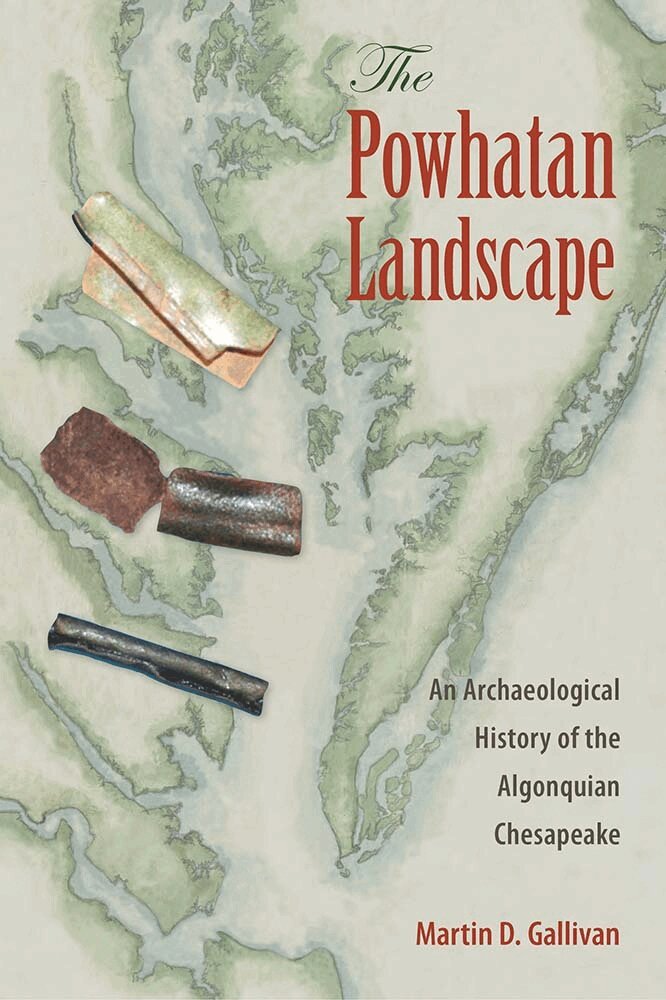
Southern Anthropological Society James Mooney Award.As Native American history is primarily studied through the lens of European contact, the story of Virginia's Powhatans has traditionally focused on the English arrival in the Chesapeake. This has left a deeper indigenous history largely unexplored--a longer narrative beginning with the Algonquians' construction of places, communities, and the connections in between.The Powhatan Landscape breaks new ground by tracing Native placemaking in the Chesapeake from the Algonquian arrival to the Powhatan's clashes with the English. Martin Gallivan details how Virginia Algonquians constructed riverine communities alongside fishing grounds and collective burials and later within horticultural towns. Ceremonial spaces, including earthwork enclosures within the center place of Werowocomoco, gathered people for centuries prior to 1607. Even after the violent ruptures of the colonial era, Native people returned to riverine towns for pilgrimages commemorating the enduring power of place.For today's American Indian communities in the Chesapeake, this reexamination of landscape and history represents a powerful basis from which to contest narratives and policies that have previously denied their existence.A volume in the series Society and Ecology in Island and Coastal Archaeology, edited by Victor D. Thompson.
Inbunden, Engelska, 2019
1 132 kr
Skickas inom 10-15 vardagar
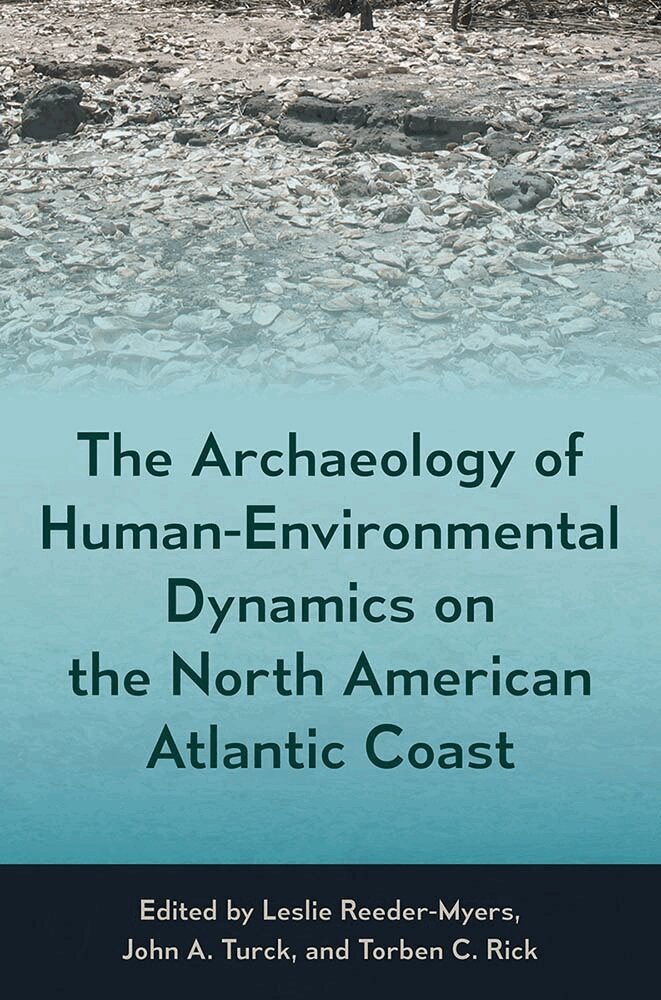
Using archaeology as a tool for understanding long-term ecological and climatic change, this volume synthesizes current knowledge about the ways Native Americans interacted with their environments along the Atlantic Coast of North America over the past 10,000 years. Leading scholars discuss how the region's indigenous peoples grappled with significant changes to shorelines and estuaries, from sea level rise to shifting plant and animal distributions to European settlement and urbanization. Together, they provide a valuable perspective spanning millennia on the diverse marine and nearshore ecosystems of the entire Eastern Seaboard—the icy waters of Newfoundland and the Gulf of Maine, the Middle Atlantic regions of the New York Bight and the Chesapeake Bay, and the warm shallows of the St. Johns River and the Florida Keys. This broad comparative outlook brings together populations and areas previously studied in isolation. Today, the Atlantic Coast is home to tens of millions of people who inhabit ecosystems that are in dramatic decline. The research in this volume not only illuminates the past, but also provides important tools for managing coastal environments into an uncertain future. A volume in the series Society and Ecology in Island and Coastal Archaeology, edited by Victor D. Thompson
Inbunden, Engelska, 2020
1 413 kr
Skickas inom 10-15 vardagar
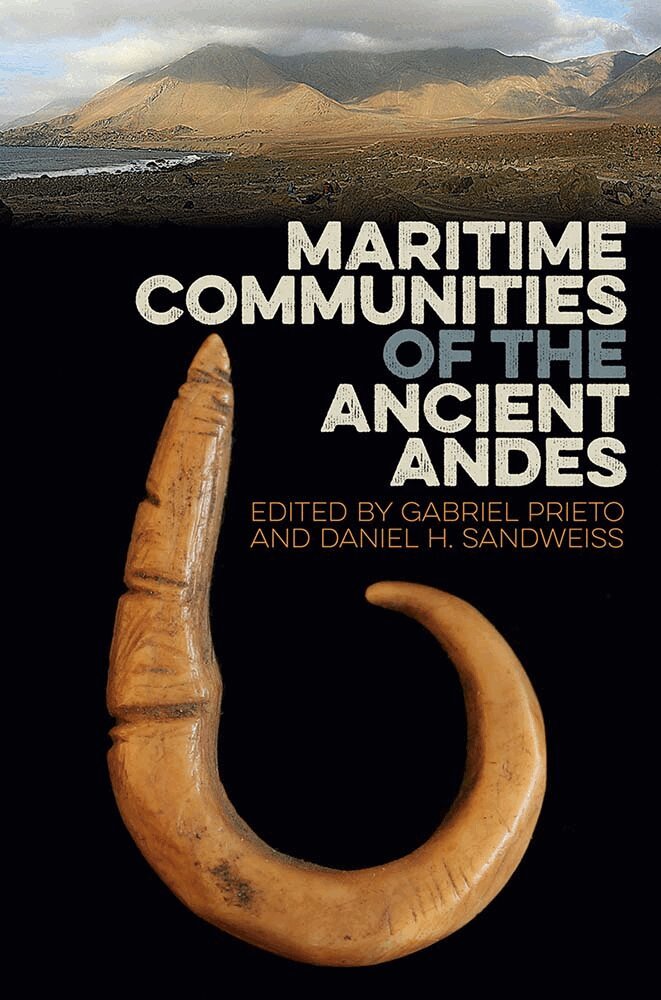
Maritime Communities of the Ancient Andes examines how settlements along South America's Pacific coastline played a role in the emergence, consolidation, and collapse of Andean civilizations from the Late Pleistocene era through Spanish colonization. Providing the first synthesis of data from Chile, Peru, and Ecuador, this wide-ranging volume evaluates and revises long-standing research on ancient maritime sites across the region. These essays look beyond the subsistence strategies of maritime communities and their surroundings to discuss broader anthropological issues related to social adaptation, monumentality, urbanism, and political and religious change. Among many other topics, the evidence in this volume shows that the maritime industry enabled some urban communities to draw on marine resources in addition to agriculture, ensuring their success. During the Colonial period, many fishermen were exempt from paying tributes to the Spanish, and their specialization helped them survive as the Andean population dwindled. Contributors also consider the relationship between fishing and climate change—including weather patterns like El Niño. The research in this volume demonstrates that communities situated close to the sea and its resources should be seen as critical components of broader social, economic, and ideological dynamics in the complex history of Andean cultures. A volume in the series Society and Ecology in Island and Coastal Archaeology, edited by Victor D. Thompson
Inbunden, Engelska, 2020
1 020 kr
Skickas inom 10-15 vardagar
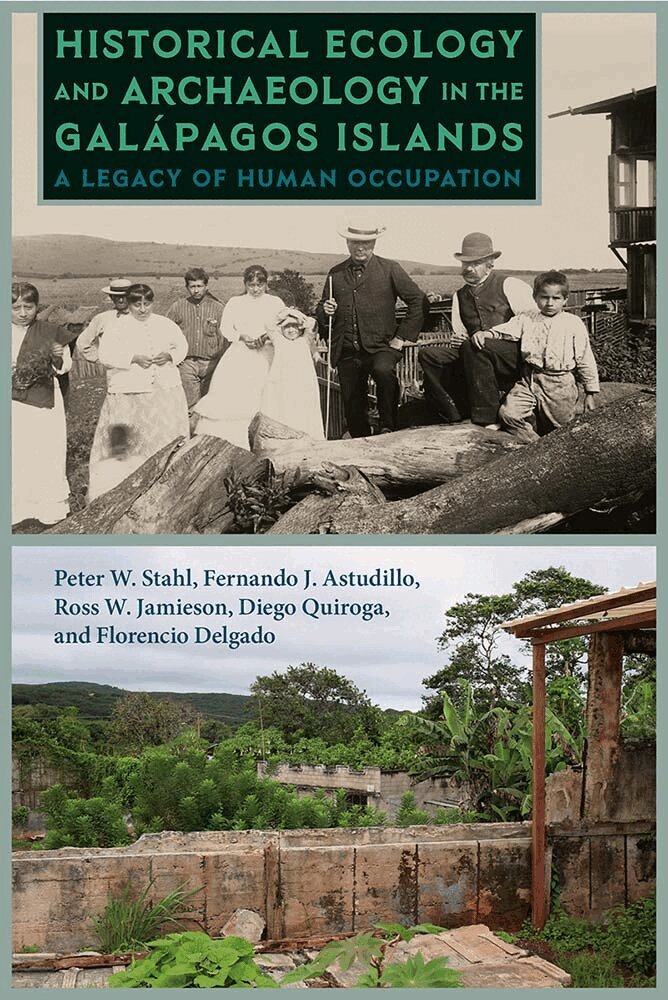
The Galápagos Islands are one of the world's premiere nature attractions, home to unique ecosystems widely thought to be untouched and pristine. Historical Ecology and Archaeology in the Galápagos Islands reveals that the archipelago is not as isolated as many imagine, examining how centuries of human occupation have transformed its landscape. This book shows that the island chain has been a part of global networks since its discovery in 1535 and traces the changes caused by human colonization. Central to this history is the sugar plantation Hacienda El Progreso on San Cristóbal Island. Here, zooarchaeological and archaeobotanical evidence documents the introduction of exotic species and landscape transformations, and material evidence attests that inhabitants maintained connections to the outside world for consumer goods. Beyond illuminating the human history of the islands, the authors also look at the impact of visitors to Galápagos National Park today, raising questions about tourism's role in biological conservation, preservation, and restoration.
Inbunden, Engelska, 2021
1 076 kr
Skickas inom 10-15 vardagar
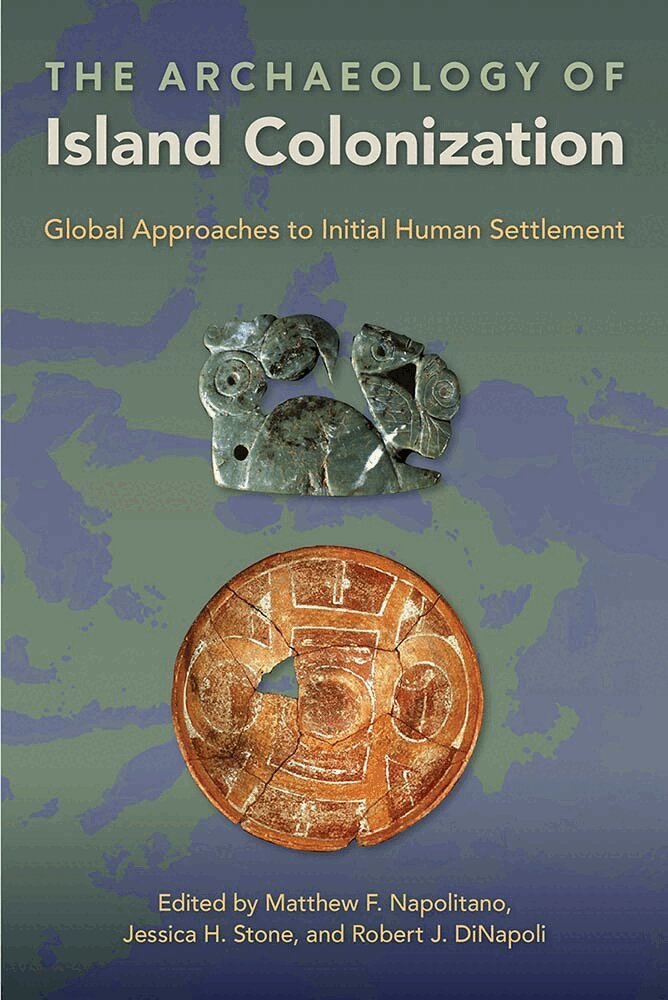
This volume details how new theories and methods have recently advanced the archaeological study of initial human colonization of islands around the world, including in the southwest Pacific, the Mediterranean, the Caribbean, and Southeast Asia. This global perspective brings into comparison the wide variety of approaches used to study these early migrations and illuminates current debates in island archaeology.Evidence of island colonization is often difficult to find, especially in areas impacted by sea level rise, and these essays demonstrate how researchers have tackled this and other issues. Contributors show the potential of computer simulations of voyaging in determining the range of timing and origin points that were possible in the past. They discuss how Bayesian modeling helps address uncertainties and controversies surrounding radiocarbon dating. Additionally, advances in biomolecular techniques such as ancient DNA (aDNA), paleoproteomics, analysis of human microbiota, and improved resolution in isotopic analyses are providing more refined information on the homelands of initial settlers, on individual life courses, and on population-level migrations.Islands offer rich opportunities to examine the exploratory nature of the human species, providing insights into the evolution of watercraft technologies and wayfinding, the impact of humans on their new environments, and the motivations for their journeys. The Archaeology of Island Colonization represents the innovative ways today's archaeologists are reconstructing these unique paleolandscapes.
Inbunden, Engelska, 2023
963 kr
Skickas inom 10-15 vardagar
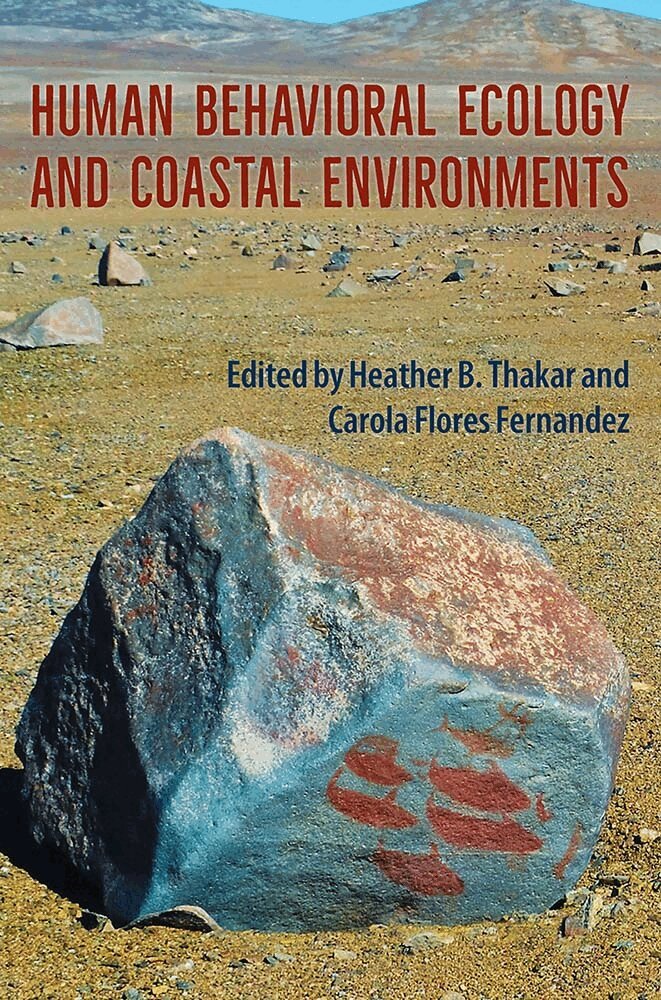
Examples of a research approach that sheds light on coastal societies in the pastIn this volume, contributors apply human behavioral ecology theoretical models to coastal environments around the globe and to the use of coastal resources by past human societies. Evidence demonstrates that coastlines and islands are dynamic environments that were important in early human migrations, and this volume shows how researchers can gain insights about human behavior in these settings through its critical regional reviews and detailed local case studies.The volume begins by introducing the importance of theory in the reconstruction of human behavior and provides examples of traditional foraging models. Contributors then offer perspectives from North, Central, and South America, the Caribbean, Europe, Africa, Australia, and Polynesia. They discuss unique challenges faced by coastal societies, including extreme seasonality, patchy resource distribution, natural hazards, balancing coastal and terrestrial resource needs, aquatic technological innovation, and multiscale environmental change.Human Behavioral Ecology and Coastal Environments demonstrates that exploring decision-making and cultural behaviors is key to understanding how humans have lived in and related to these environments. Through its application of human behavioral ecology models, this volume sheds light on the evolving adaptations of societies in a variety of coastal contexts through time and across space.A volume in the series Society and Ecology in Island and Coastal Archaeology, edited by Victor D. Thompson and Scott M. Fitzpatrick.
Inbunden, Engelska, 2023
1 020 kr
Skickas inom 10-15 vardagar
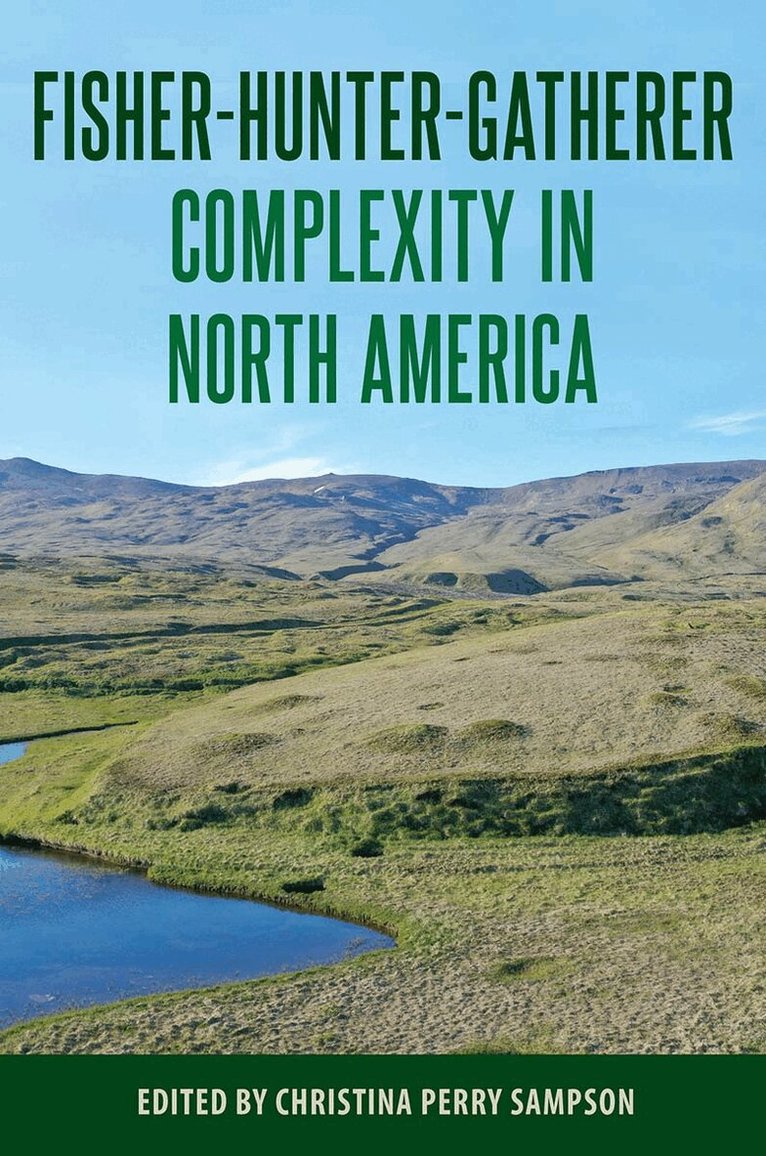
Demonstrating the wide variation among complex hunter-gatherer communities in coastal settingsThis book explores the forms and trajectories of social complexity among fisher-hunter-gatherers who lived in coastal, estuarine, and riverine settings in pre-Columbian North America. Through case studies from several different regions and intellectual traditions, the contributors to this volume collectively demonstrate remarkable variation in the circumstances and histories of complex hunter-gatherers in maritime environments.The volume draws on archaeological research from the North Pacific and Alaska, the Pacific Northwest coast and interior, the California Channel Islands, and the Southeastern U.S. and Florida. Essays trace complex social configurations through monumentality, ceremonialism, territoriality, community organization, and trade and exchange. They show that while factors such as boat travel, patterns of marine and riverine resource availability, and sedentism and village formation are common unifying threads across the continent, these factors manifest in historically contingent ways in different contexts.Fisher-Hunter-Gatherer Complexity in North America offers specific, substantive examples of change and transformation in these communities, emphasizing the wide range of complexity among them. It considers the use of the term “complex hunter-gatherer” and what these case studies show about the value and limitations of the concept, adding nuance to an ongoing conversation in the field.
Inbunden, Engelska, 2024
1 132 kr
Skickas inom 10-15 vardagar
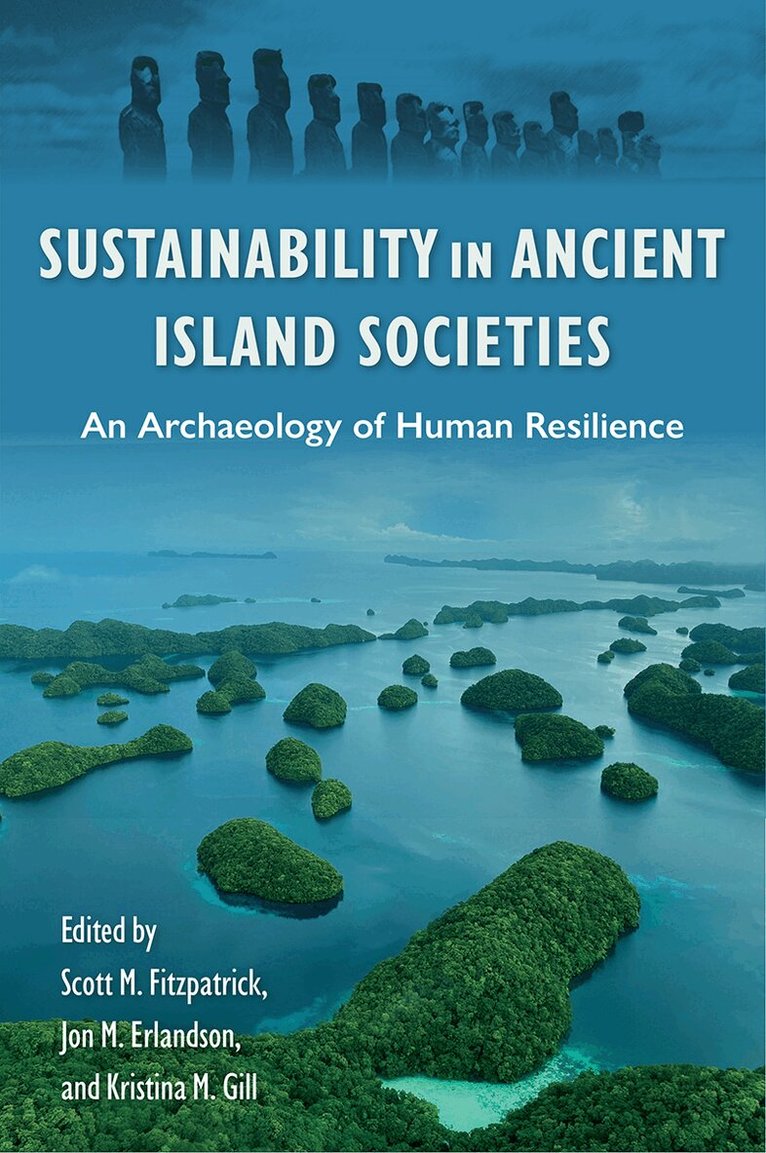
Examining dynamic interactions between humans and island environments.This volume explores the impacts humans have made on island and coastal ecosystems and the ways these environments have adapted to anthropogenic changes over the course of millennia. Case studies highlight how island populations developed social and political strategies to effectively manage their ecosystems, ensuring the long-term survival of their societies and the persistence of their cultural traditions.In case studies from islands in the Pacific, the Caribbean, and the Atlantic, contributors apply resilience theory, historical ecology, niche construction theory, and human behavioral ecology to foreground Indigenous resiliency and sustainability. Modern island and coastal societies face daunting challenges in the decades to come, including climate change, sea level rise, and the loss of habitable lands and heritage resources. Sustainability in Ancient Island Societies argues that the study of past human responses to such changes, especially practices rooted in Indigenous traditional ecological knowledge, can inform solutions to manage these threats today.A volume in the series Society and Ecology in Island and Coastal Archaeology, edited by Victor D. Thompson and Scott M. Fitzpatrick
Inbunden, Engelska, 2025
1 076 kr
Skickas inom 10-15 vardagar
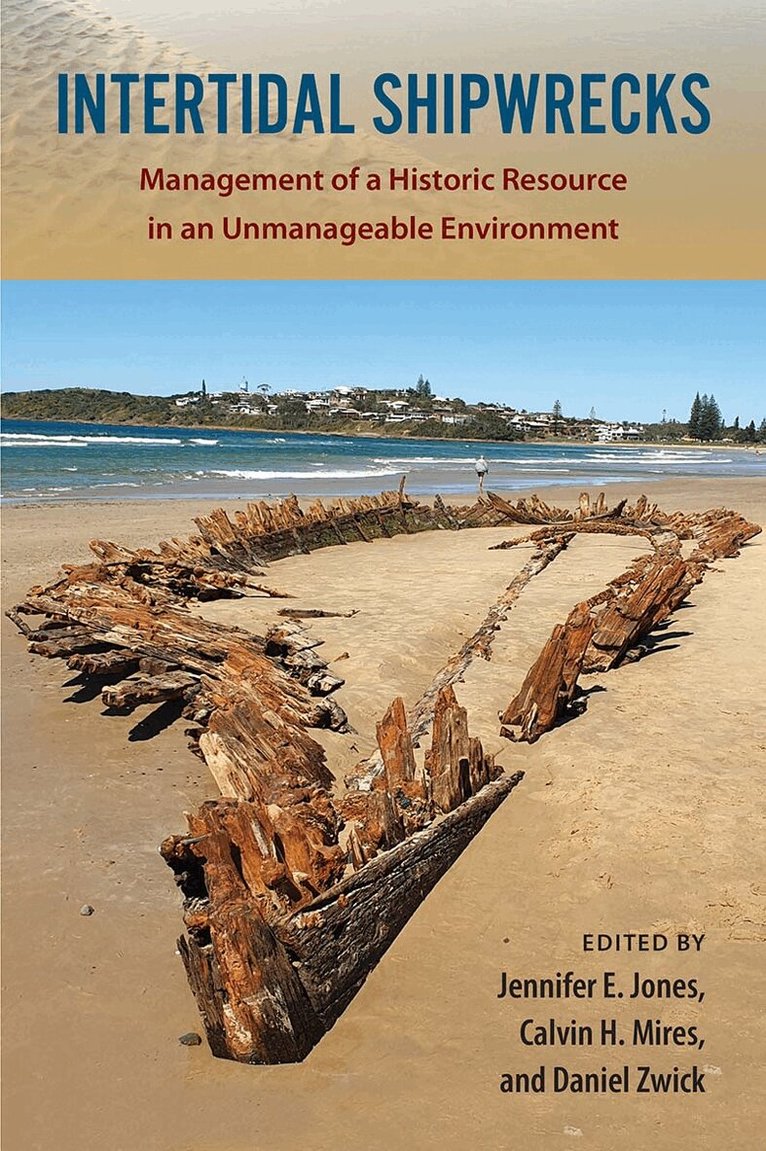
A global array of case studies demonstrating practices for preserving the maritime cultural heritage of vulnerable shipwrecksShipwreck sites in intertidal zones—the parts of shorelines that are exposed at low tide and covered at high tide—are located within dynamic environments. Periodically uncovered and reburied, these stranded vessels are affected by surf and currents that accelerate the decay of their remains, and their materials are often salvaged. This volume presents 17 case studies from 9 countries on the management of intertidal shipwrecks and strategies for conservation, archaeological research, and public outreach focused on such sites.These case studies explore topics such as legislation protecting shipwrecks along the Pacific coast of New Zealand, the ways wreck sites in Germany’s North Sea coastline are safeguarded and studied, local community participation in the preservation of shipwrecks along the Patagonian Atlantic coast, and the effects of climate change on sites along the Potomac River in Maryland. Pioneering intertidal resource managers discuss innovative strategies for preventing damage to ships and losses to local maritime heritage. The first volume to examine these sites at varying scales across the globe, Intertidal Shipwrecks is an important resource as climate impacts increase and the role of citizen science programs becomes more significant.A volume in the series Society and Ecology in Island and Coastal Archaeology, edited by Victor D. Thompson and Scott M. Fitzpatrick
Inbunden, Engelska, 2025
1 020 kr
Skickas inom 10-15 vardagar
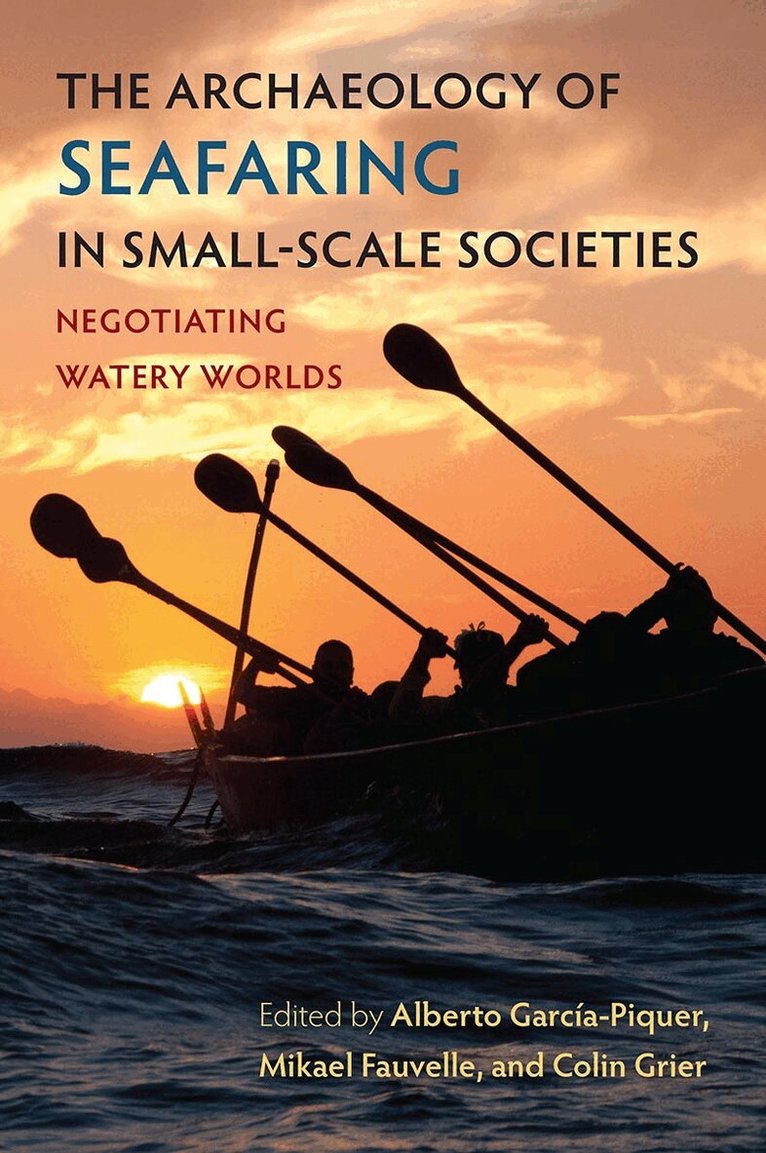
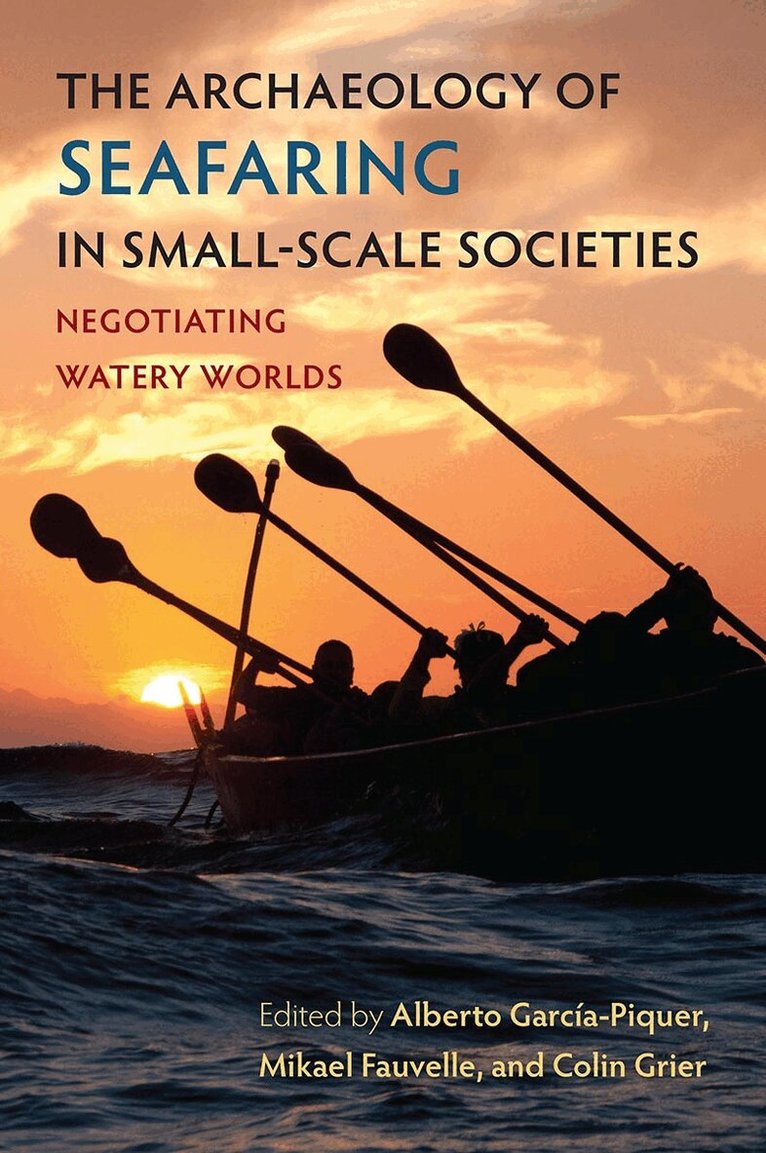
This book will be available in an open access edition thanks to the generous support by the Lund University Library and the Joint Faculties of Humanities and Theology at Lund University.Exploring how ancient peoples developed seafaring technology and used watercraft to support and transform their societiesThe development of seafaring technology throughout history expanded geographical and social horizons—powering human mobility and interaction, structuring social contexts, shaping worldviews, and effecting political centralization. This volume examines how watercraft have served as groundbreaking innovations throughout human history, focusing on small-scale societies in saltwater environments.Using archaeological, historical, and ethnographic evidence, contributors examine settlement patterns in western Patagonia, whale hunting by Megalithic societies in Brittany, maritime mobility in Baja California, Coast Salish trip lengths, and Inuit connections to boats and the sea in the Eastern Arctic. Themes explored include the technological capacities of watercraft and the humans who propelled them, the role of watercraft in production and consumption of resources, the impacts of widespread travel on social networks, and the phenomenological experience of seafaring. The Archaeology of Seafaring in Small-Scale Societies illuminates the complex interplays that sustained past watery worlds and highlights the necessity of studying the subject with a holistic and globally comparative approach.Contributors: Bettina Schulz Paulsson Peter Jordan Jordi A. Rivera Prince Matthew Des Lauriers Colin Grier Greer Jarrett Mikael Fauvelle Nelson Aguilera Peter Whitridge Claudia García-Des Lauriers Alberto García-Piquer Raquel Piqué Adam Rorabaugh Erin Smith Victor D. Thompson
Inbunden, Engelska, 2026
1 244 kr
Skickas inom 10-15 vardagar
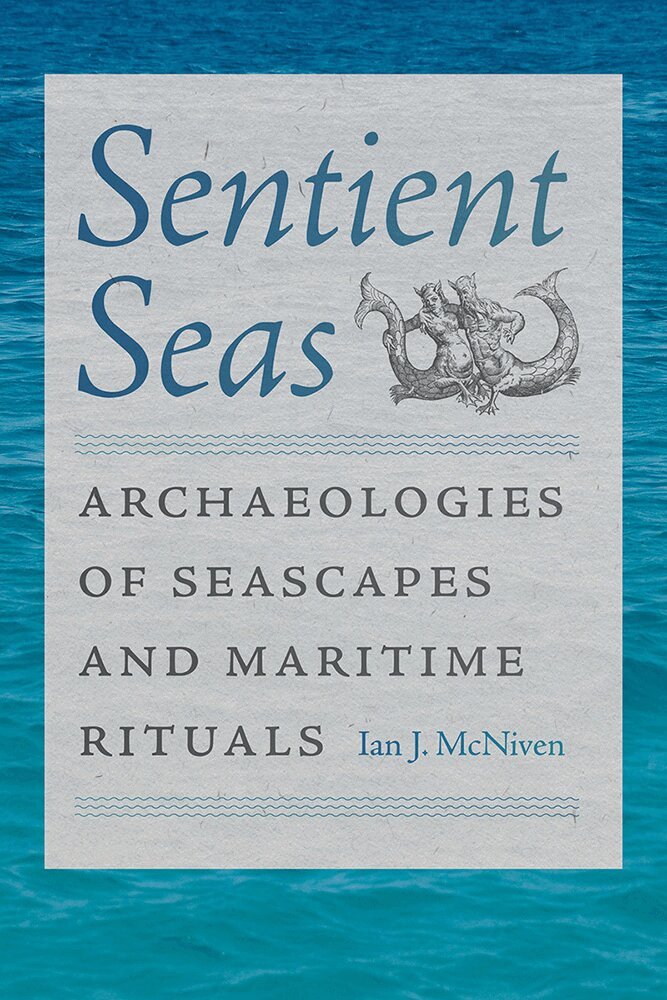
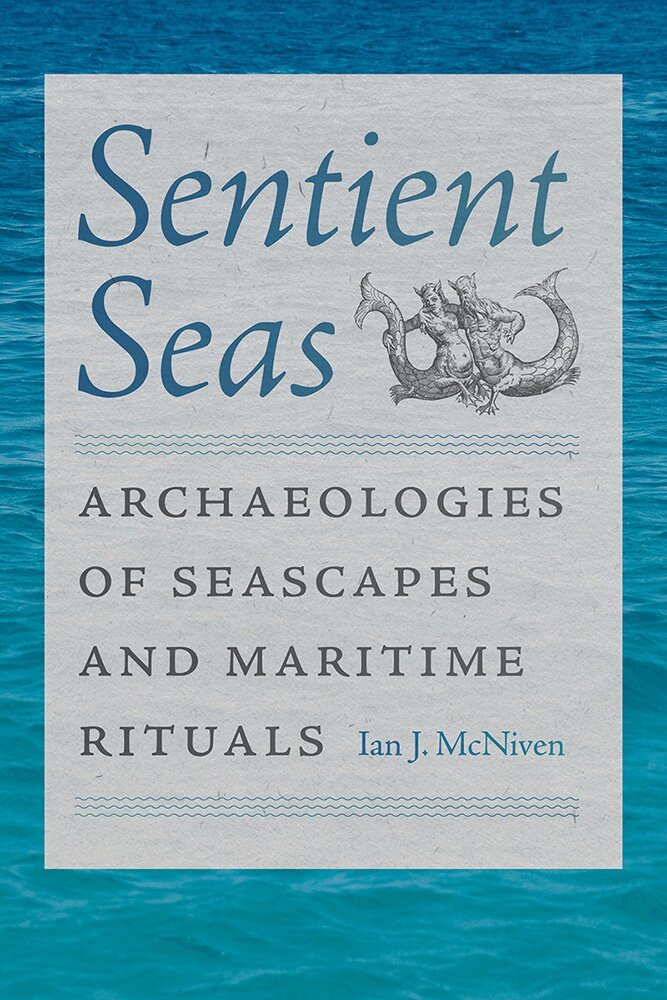
A novel cross-cultural exploration of how maritime peoples have engaged with the sea through cosmology, spirituality, and ritualSentient Seas offers a global perspective on maritime cultures, examining how societies across time and space have understood and interacted with the sea. Synthesizing archaeological evidence, historical documents, and ethnographic accounts, Ian McNiven explores maritime traditions from ancient civilizations in the Middle East and Mediterranean to medieval Europe and Scandinavia to contemporary Indigenous communities in the South Pacific.McNiven investigates diverse cultural practices including shipbuilding, the treatment of shipwrecks and shipwreck victims, and maritime resource use, interpreting the evidence through the perspectives of mariners who understood the seas to be sentient and capable of acting with intentionality. He introduces the concepts of “terrestrial seascapes” and “ontological switching” to illustrate how land-based shrines and votive offerings extend maritime cosmologies and maintain a liminal transition from land to sea. By bridging anthropological and archaeological research with transdisciplinary blue humanities scholarship, Sentient Seas approaches seas as spiritscapes, recontextualizing folkloric beliefs about maritime superstitions.
Inbunden, Engelska, 2027
998 kr
Kommande
Häftad, Engelska, 2025
387 kr
Skickas inom 10-15 vardagar
This book is available in an open access edition thanks to the generous support by the Lund University Library and the Joint Faculties of Humanities and Theology at Lund University.Exploring how ancient peoples developed seafaring technology and used watercraft to support and transform their societiesThe development of seafaring technology throughout history expanded geographical and social horizons—powering human mobility and interaction, structuring social contexts, shaping worldviews, and effecting political centralization. This volume examines how watercraft have served as groundbreaking innovations throughout human history, focusing on small-scale societies in saltwater environments.Using archaeological, historical, and ethnographic evidence, contributors examine settlement patterns in western Patagonia, whale hunting by Megalithic societies in Brittany, maritime mobility in Baja California, Coast Salish trip lengths, and Inuit connections to boats and the sea in the Eastern Arctic. Themes explored include the technological capacities of watercraft and the humans who propelled them, the role of watercraft in production and consumption of resources, the impacts of widespread travel on social networks, and the phenomenological experience of seafaring. The Archaeology of Seafaring in Small-Scale Societies illuminates the complex interplays that sustained past watery worlds and highlights the necessity of studying the subject with a holistic and globally comparative approach.
Häftad, Engelska, 2026
387 kr
Skickas inom 10-15 vardagar
A novel cross-cultural exploration of how maritime peoples have engaged with the sea through cosmology, spirituality, and ritualSentient Seas offers a global perspective on maritime cultures, examining how societies across time and space have understood and interacted with the sea. Synthesizing archaeological evidence, historical documents, and ethnographic accounts, Ian McNiven explores maritime traditions from ancient civilizations in the Middle East and Mediterranean to medieval Europe and Scandinavia to contemporary Indigenous communities in the South Pacific.McNiven investigates diverse cultural practices including shipbuilding, the treatment of shipwrecks and shipwreck victims, and maritime resource use, interpreting the evidence through the perspectives of mariners who understood the seas to be sentient and capable of acting with intentionality. He introduces the concepts of “terrestrial seascapes” and “ontological switching” to illustrate how land-based shrines and votive offerings extend maritime cosmologies and maintain a liminal transition from land to sea. By bridging anthropological and archaeological research with transdisciplinary blue humanities scholarship, Sentient Seas approaches seas as spiritscapes, recontextualizing folkloric beliefs about maritime superstitions.