Peter W. Stahl – författare
Visar alla böcker från författaren Peter W. Stahl. Handla med fri frakt och snabb leverans.
5 produkter
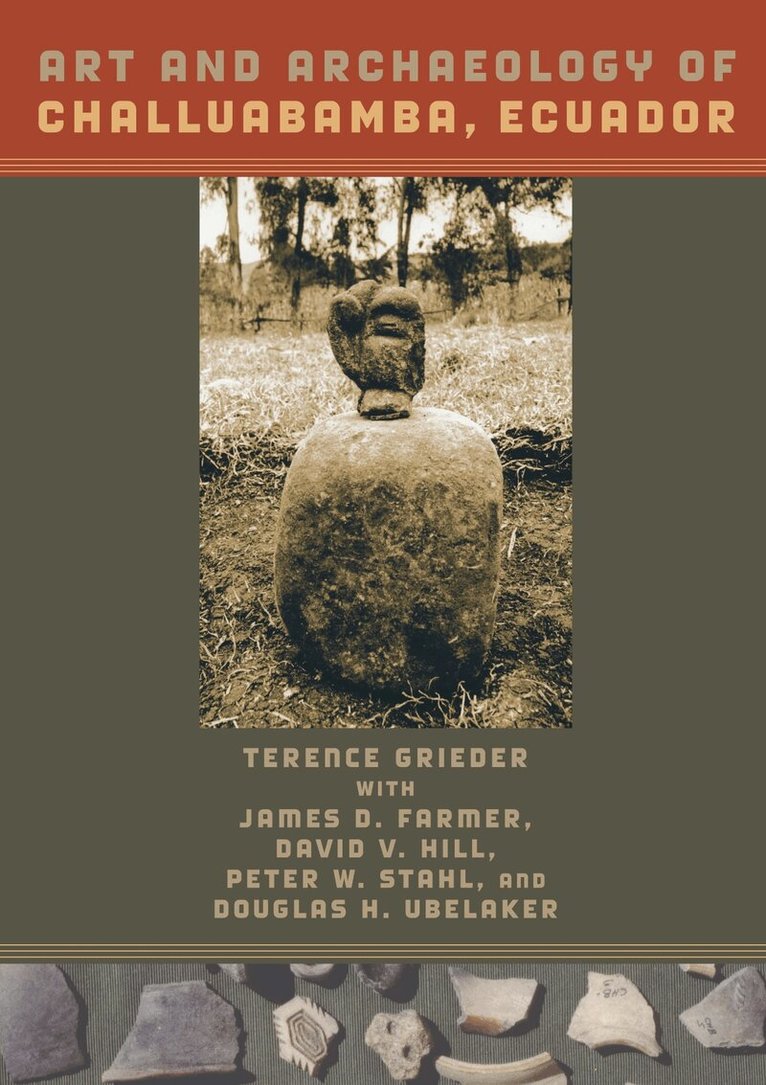
Art and Archaeology of Challuabamba, Ecuador
Av Terence Grieder, James D. Farmer m. fl.
Inbunden, 2009
872 kr
Lägg i varukorg
Challuabamba (chī-wa-bamba)-now a developing suburb of Cuenca, the principal city in the southern highlands of Ecuador-has been known for a century as an ancient site that produced exceptionally fine pottery in great quantities. Suspecting that Challuabamban ceramics might provide a link between …
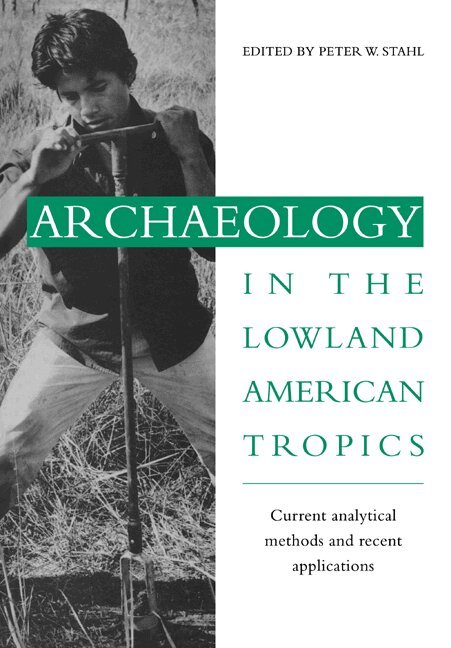
Archaeology in the Lowland American Tropics
Current Analytical Methods and Applications
Häftad, 2006
653 kr
Lägg i varukorg
The lowland American tropics have posed great challenges for archaeologists. Working in awkward terrain, in humid conditions where preservation is difficult, modern scholars pioneered new methods that increasingly influence archaeological practice internationally. The contributors to this volume …
Archaeology in the Lowland American Tropics
Current Analytical Methods and Applications
Inbunden, 1995
1526 kr
Lägg i varukorg
The lowland American tropics have posed great challenges for archaeologists. Working in awkward terrain, in humid conditions where preservation is difficult, modern scholars pioneered new methods that increasingly influence archaeological practice internationally. The contributors to this volume …
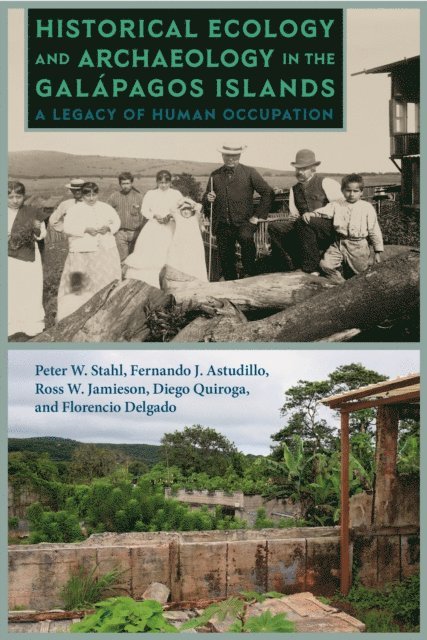
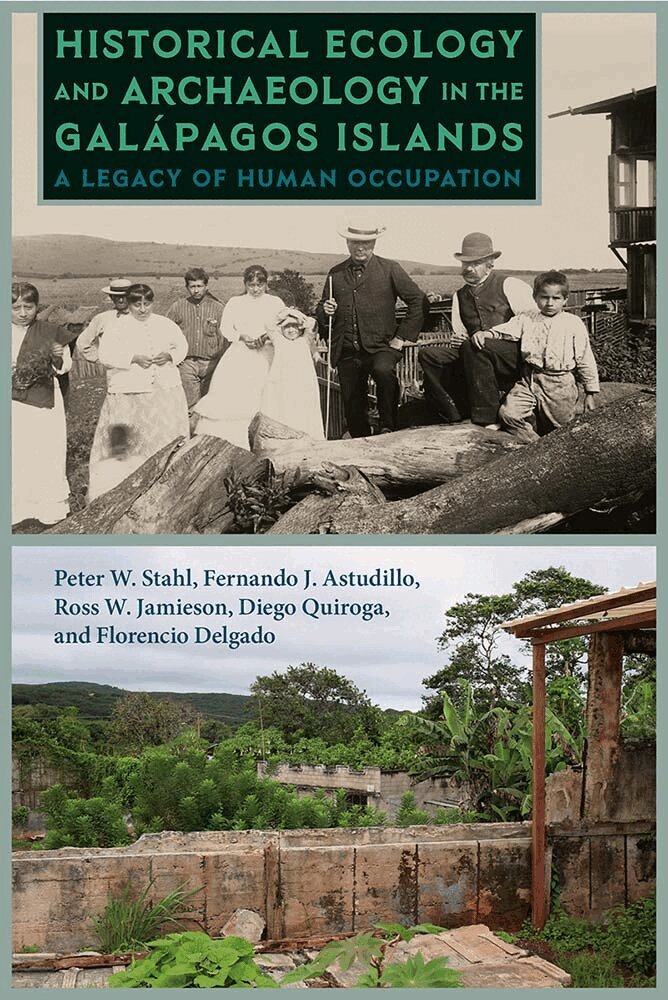
Historical Ecology and Archaeology in the Galapagos Islands
A Legacy of Human Occupation
Av Florencio Delgado, Diego Quiroga m. fl.
E-bok, 2020
1685 kr
Lägg i varukorg
The Galápagos Islands are one of the world’s premiere nature attractions, home to unique ecosystems widely thought to be untouched and pristine. Historical Ecology and Archaeology in the Galápagos Islands reveals that the archipelago is not as isolated as many imagine, examining how centuries of …
Historical Ecology and Archaeology in the Galápagos Islands
A Legacy of Human Occupation
Av Peter W. Stahl, Fernando J. Astudillo m. fl.
Inbunden, 2020
1052 kr
Lägg i varukorg
The Galápagos Islands are one of the world's premiere nature attractions, home to unique ecosystems widely thought to be untouched and pristine. Historical Ecology and Archaeology in the Galápagos Islands reveals that the archipelago is not as isolated as many imagine, examining how centuries of …