Society for the Study of Human Biology – Serie
Visar alla böcker i serien Society for the Study of Human Biology. Handla med fri frakt och snabb leverans.
8 produkter
8 produkter
2 036 kr
Skickas inom 10-15 vardagar
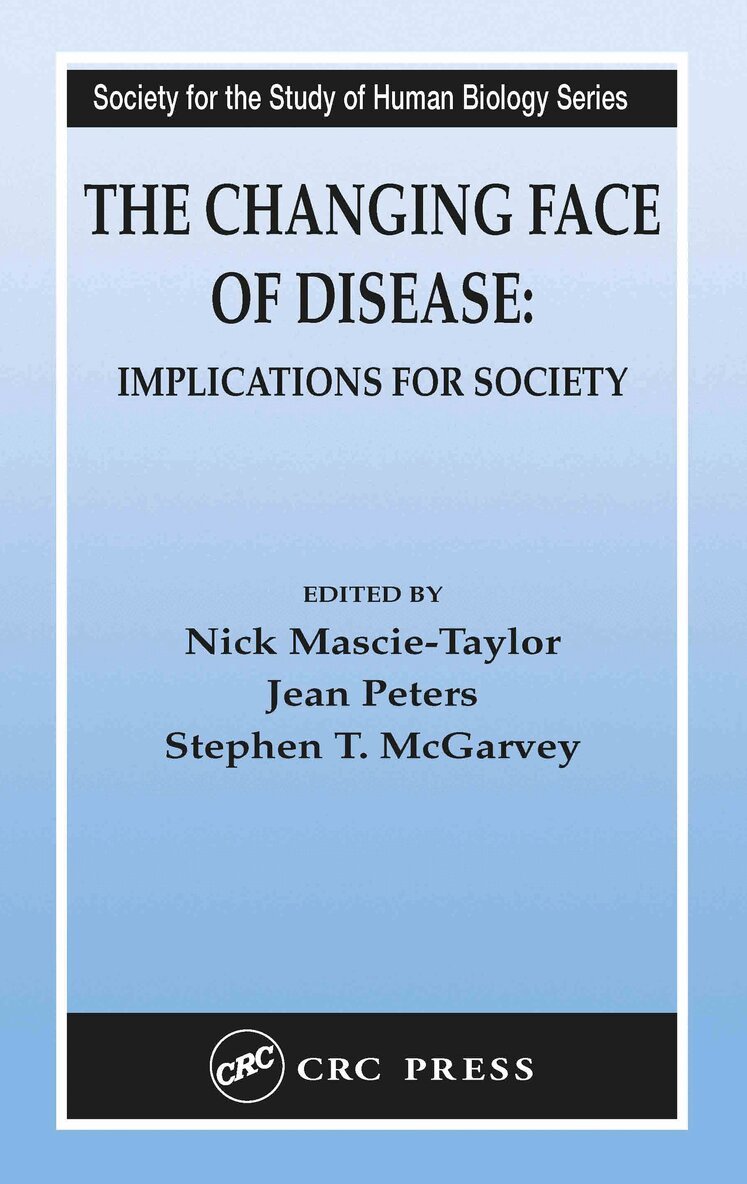
Disease is an ever-present threat faced by all human societies. Today, this concept has become an influential area of study known as the global burden of disease, which encompasses contemporary health concerns such as the economic costs of disease, the societal impact of illness in developing nations, and infectious diseases resulting from lifestyle exposures. Before we can ease this global burden, it is essential to establish an accurate view of the current status of human health and disease around the world.Addressing key areas that reflect our understanding of disease, The Changing Face of Disease: Implications for Society explores the evolution of disease, the implications for human societies, its ecology, and the current human response. This volume aims to broaden our view of disease at the dawn of the 21st century through topics such as epidemiological transition, mathematical modeling of disease evolution, parasitic disease, urban pollution and illness, and under-nutrition and obesity. Contributions to the text reflect the authors' diverse perspectives and studies on human population biology, biological anthropology, and biomedical and public health issues.This authoritative volume traces the evolution of modern disease and explores contemporary health challenges resulting from genetic, environmental, economic, and lifestyle factors. Through many levels of analysis, it provides a clear picture of the present state of health and disease and reminds us of the global burdens that have yet to be remedied.
781 kr
Tillfälligt slut
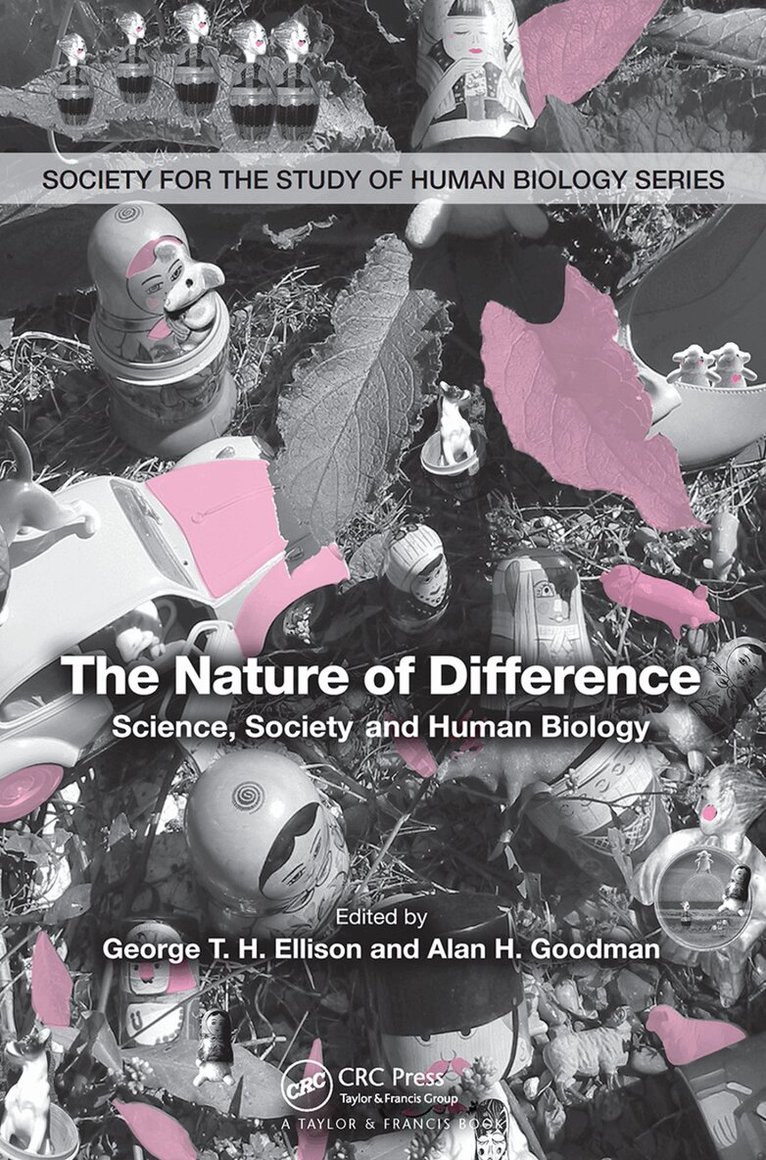
Unprecedented advances in genetics and biotechnology have brought profound new insights into human biological variation. These present challenges and opportunities for understanding the origins of human nature, the nature of difference, and the social practices these sustain. This provides an opportunity for cooperation between the biological and social sciences – one that is capable of prompting a synergistic exchange of ideas with far-reaching implications. The Nature of Differencecritically analyses biological explanations for morality, criminality, race, sexuality, and disability. Based on the 45th annual symposium of the Society for the Study of Human Biology, this work synthesizes the perspectives of established experts in the field of human biology with those studying the social meanings of human biological variation and scientific practices in human biological research. Some questions addressed by The Nature of Difference:· Is there a biological basis for morality, criminality, witchcraft, sexuality or disability? · What do comparisons of humans and apes tell us about society? · How do people draw on scientific methods to justify racism? · Why do geneticists continue to use racial categories in their research? · Do ethical guidelines constrain or facilitate research into human biology? · Can science and society escape from biological determinism? As biotechnology expands the frontiers of what we know and what we are able to do, and as the genomic revolution moves out of the laboratory and into our daily lives, we are faced with a number of pressing social issues that need to be resolved. Offering an unparalleled collection of multidisciplinary perspectives on the meanings of biological diversity, this book provides readers with a vibrant analysis which revisits these issues with deepened insight from contrasting yet complementary perspectives.
1 657 kr
Tillfälligt slut
Recent research has emphasized that socially transmitted information may affect both the gene pool and the phenotypes of individuals and populations, and that an improved understanding of evolutionary issues is beneficial to those working towards the improvement of human health. Equally, an improved awareness of how human behavior influences health and reproductive fitness is starting to shed new light on the processes that shape the evolution of human behavior and the human mind.Focusing directly on these emerging trends, Social Information Transmission and Human Biology bridges the gap between primarily theoretical work undertaken by those with evolutionary interests and biomedical work undertaken by those dealing with practical issues in human health and demographics. Incorporating papers from a symposium organized under the auspices of the UK Society for the Study of Human Biology, this volume merges the perspectives of internationally renowned evolutionary and theoretical biologists, zoologists, anthropologists, archaeologists, psychologists, and medical researchers whose work is linked by common themes addressing how information is transmitted socially and how its transmission influences both immediate and evolutionary biological outcomes. Emphasizes the diverse ways in which socially transmitted information impacts on human biologyTo illustrate these themes, the chapters draw on models and data ranging from observations on chimpanzee populations in the wild and on the human archaeological record, to studies of contemporary humans in both developing and industrialized countries. Taking a broad approach, many of the chapters address areas of behavior that are familiar to scientists in particular fields, but do so using a variety of cross-disciplinary perspectives, which will prove stimulating for researchers in a range of academic subject areas, while helping to facilitate closer collaboration between biological and social scientists.
1 502 kr
Tillfälligt slut
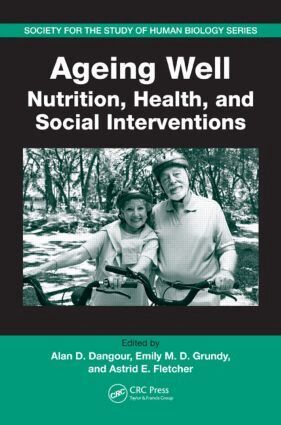
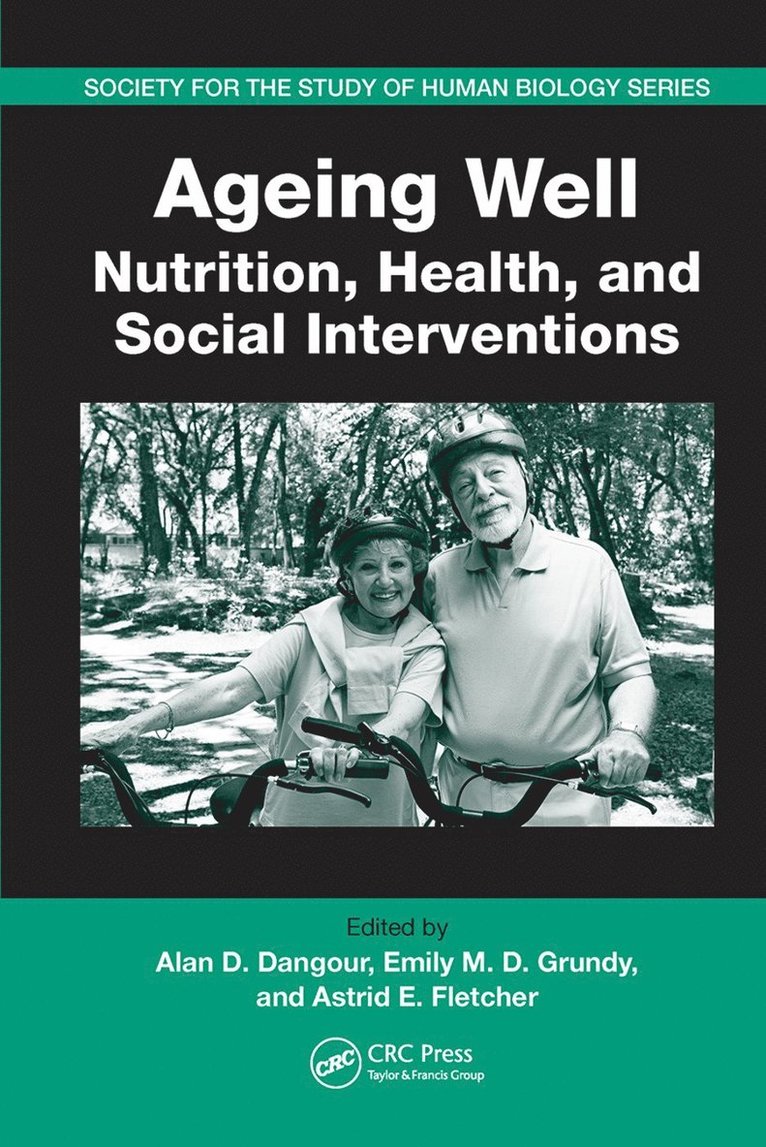
Many current public health actions and policies aimed at older people revolve around the often prevailing view that failing health is a consequence of ageing. It is now clear that it is possible to postpone or even prevent much of the age-related decline in health that was once thought inevitable. Future policies must recognise this changing paradigm, and, using a multi-disciplinary approach, integrate fully the changing needs of older people into all areas of public policy including health, nutrition, social support, housing, and economic security.Derived from the 47th Annual Symposium of the Society for the Study of Human Biology in November 2005, Ageing Well: Nutrition, Health, and Social Interventions highlights important health and social factors affecting quality of life in older age, and reviews possible interventions aimed at the prevention or amelioration of problems that reduce the potential for ageing well. Covering a wide range of topics, contributors address the nutritional vulnerability and specific nutritional needs of older adults and confirm the necessity of appropriate diet and exercise in order to maintain both physical and cognitive health. Reminiscence, social interaction and support are highlighted as crucial for the preservation of identity, health and emotional well-being. Other chapters are concerned with socio-economic differences in the extent of age-related changes in health, resulting particularly from poor quality housing and lack of family support networks. The book includes an examination of the economic consequences for health care systems and pension schemes of ageing populations, provides insight into the methodology of evaluating the cost-effectiveness of interventions, and outlines how the minimum cost of healthy living for the 65+ population can be estimated. Bringing together the very latest information on successful ageing, Ageing Well: Nutrition, Health, and Social Interventions presents an up-to-date synthesis of the current evidence of nutrition, public health and social interventions aiming to ensure health and good quality of life in older age.
1 148 kr
Skickas inom 10-15 vardagar
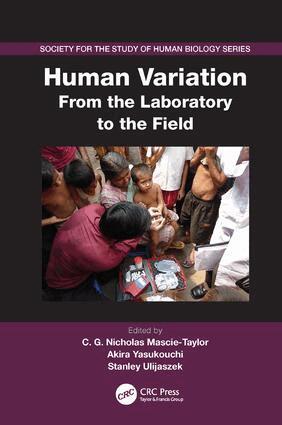
The transition in anthropological and biomedical research methods over the past 50 years, from anthropometric and craniometric measurements to large-scale microarray genetic studies has resulted in continued revision of opinions and ideas relating to the factors and forces that drive human variation. Human Variation:From the Laboratory to the Field brings together the contributions of 22 scientists working in four continents to identify and address challenges imposed by variability. It reviews the way we examine and analyze human variation, paying specific attention to genetics, growth and development, and physiology. In presenting new evidence and findings, it also discusses current developments in methodology and analytical techniques, detailing both field and laboratory approaches, and looking at how the two perspectives complement each other.In bridging that gap between laboratory trials and studies of the human in context, this book covers a number of interesting research areas including — Human adaptation to natural and artificial light, including variations in circadian photosensitivity and effects of light on GI activity Cold tolerance and lifestyle in modern society Genetics of body weight and obesity Human adaptability to emotional and intellectual mental stresses Geography, migration, climate, and environmental plasticity as contributors to human variation Impact of natural environmental stressors including pollution on physiological and morphological processesThis book is the latest volume in a series of works from the Society for the Study of Human Biology (SSHB), which for half a century has advanced and promoted research in the biology of human populations in all of its branches including human viability, genetics, human adaptability, and ecology, and evolution. It holds two scientific meetings a year. This volume represents work presented during its most recent gathering.
2 724 kr
Skickas inom 10-15 vardagar
Unprecedented advances in genetics and biotechnology have brought profound new insights into human biological variation. These present challenges and opportunities for understanding the origins of human nature, the nature of difference, and the social practices these sustain. This provides an opportunity for cooperation between the biological and social sciences � one that is capable of prompting a synergistic exchange of ideas with far-reaching implications. ���� The Nature of Differencecritically analyses biological explanations for morality, criminality, race, sexuality, and disability. Based on the 45th annual symposium of the Society for the Study of Human Biology, this work synthesizes the perspectives of established experts in the field of human biology with those studying the social meanings of human biological variation and scientific practices in human biological research. Some questions addressed by The Nature of Difference:� Is there a biological basis for morality, criminality, witchcraft, sexuality or disability? � What do comparisons of humans and apes tell us about society? � How do people draw on scientific methods to justify racism? � Why do geneticists continue to use racial categories in their research? � Do ethical guidelines constrain or facilitate research into human biology? � Can science and society escape from biological determinism? As biotechnology expands the frontiers of what we know and what we are able to do, and as the genomic revolution moves out of the laboratory and into our daily lives, we are faced with a number of pressing social issues that need to be resolved. Offering an unparall
2 806 kr
Skickas inom 10-15 vardagar
Many current public health actions and policies aimed at older people revolve around the often prevailing view that failing health is a consequence of ageing. It is now clear that it is possible to postpone or even prevent much of the age-related decline in health that was once thought inevitable. Future policies must recognise this changing paradigm, and, using a multi-disciplinary approach, integrate fully the changing needs of older people into all areas of public policy including health, nutrition, social support, housing, and economic security.Derived from the 47th Annual Symposium of the Society for the Study of Human Biology in November 2005, Ageing Well: Nutrition, Health, and Social Interventions highlights important health and social factors affecting quality of life in older age, and reviews possible interventions aimed at the prevention or amelioration of problems that reduce the potential for ageing well. Covering a wide range of topics, contributors address the nutritional vulnerability and specific nutritional needs of older adults and confirm the necessity of appropriate diet and exercise in order to maintain both physical and cognitive health. Reminiscence, social interaction and support are highlighted as crucial for the preservation of identity, health and emotional well-being. Other chapters are concerned with socio-economic differences in the extent of age-related changes in health, resulting particularly from poor quality housing and lack of family support networks. The book includes an examination of the economic consequences for health care systems and pension schemes of ageing populations, provides insight into the methodology of evaluating the cost-effectiveness of interventions, and outlines how the minimum cost of healthy living for the 65 plus population can be estimated. Bringing together the very latest information on successful ageing, Ageing Well: Nutrition, Health, and Social Interventions presents an up
2 996 kr
Skickas inom 10-15 vardagar
The transition in anthropological and biomedical research methods over the past 50 years, from anthropometric and craniometric measurements to large-scale microarray genetic studies has resulted in continued revision of opinions and ideas relating to the factors and forces that drive human variation. Human Variation:From the Laboratory to the Field brings together the contributions of 22 scientists working in four continents to identify and address challenges imposed by variability. It reviews the way we examine and analyze human variation, paying specific attention to genetics, growth and development, and physiology. In presenting new evidence and findings, it also discusses current developments in methodology and analytical techniques, detailing both field and laboratory approaches, and looking at how the two perspectives complement each other.In bridging that gap between laboratory trials and studies of the human in context, this book covers a number of interesting research areas including — Human adaptation to natural and artificial light, including variations in circadian photosensitivity and effects of light on GI activity Cold tolerance and lifestyle in modern society Genetics of body weight and obesity Human adaptability to emotional and intellectual mental stresses Geography, migration, climate, and environmental plasticity as contributors to human variation Impact of natural environmental stressors including pollution on physiological and morphological processesThis book is the latest volume in a series of works from the Society for the Study of Human Biology (SSHB), which for half a century has advanced and promoted research in the biology of human populations in all of its branches including human viability, genetics, human adaptability, and ecology, and evolution. It holds two scientific meetings a year. This volume represents work presented during its most recent gathering.