Soviet Bloc and After - Böcker
Visar alla böcker i serien Soviet Bloc and After. Handla med fri frakt och snabb leverans.
5 produkter
5 produkter
619 kr
Skickas inom 5-8 vardagar
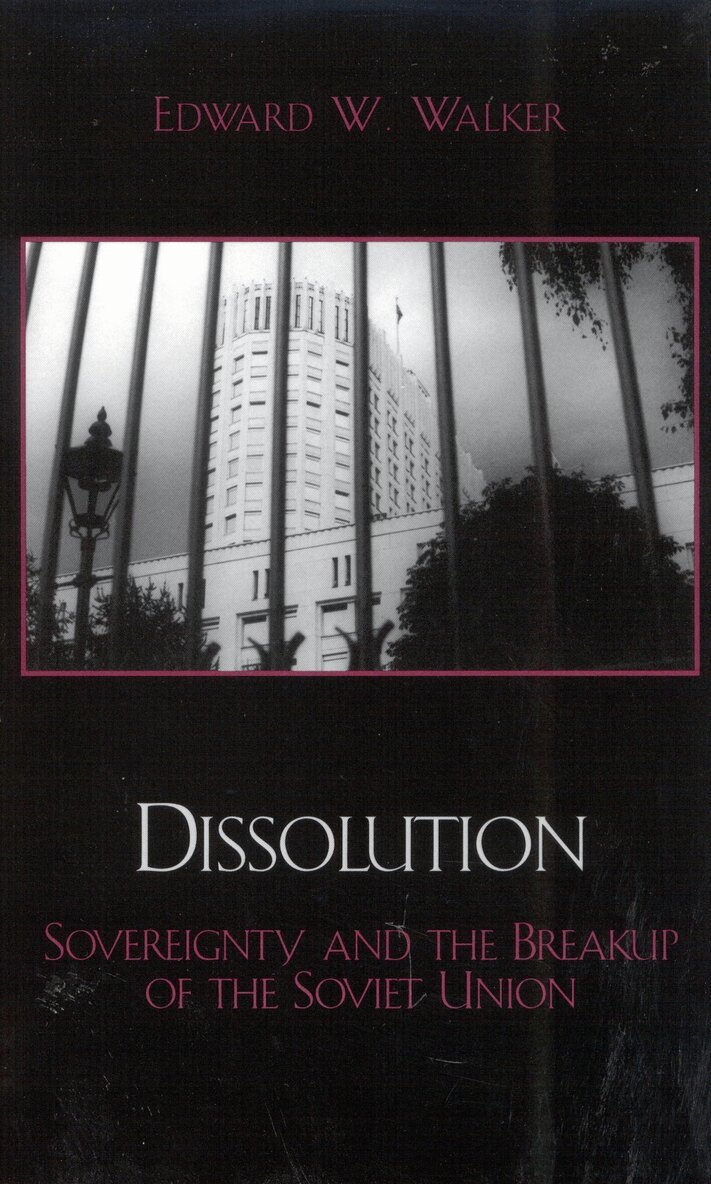
In December 1991, the Soviet Union passed into history as a legal entity, breaking apart into15 successor states. This clear and convincing book explains why. Walker argues against much of the conventional wisdom and scholarly literature on the breakup, which emphasizes what he calls the 'demand side' of the problem, or the role of nationalist mobilization and the rise of separatist aspirations in the USSR's union republics. He points out that support for dissolution was limited to a handful of republics that included only a small portion of the Soviet population. Instead, the author highlights the critical role played by the USSR's ethno-federal system, as well as the normative claims and legitimizing myths of Soviet nationality policy. These institutions and myths empowered the anti-union opposition even in those union republics where they had limited support, and they help account for the highly ineffective strategy that Gorbachev adopted to overcome the USSR's 'nationality crisis.' Walker also shows how confusion over the meaning of some of the key terms of Soviet political discourse during perestroika-particularly 'sovereignty' but also 'union,' 'federation,' 'confederation,' and 'independence'-contributed to a 'fog of war' that helped bring about the full disintegration of the USSR, an outcome that surprisingly few desired.
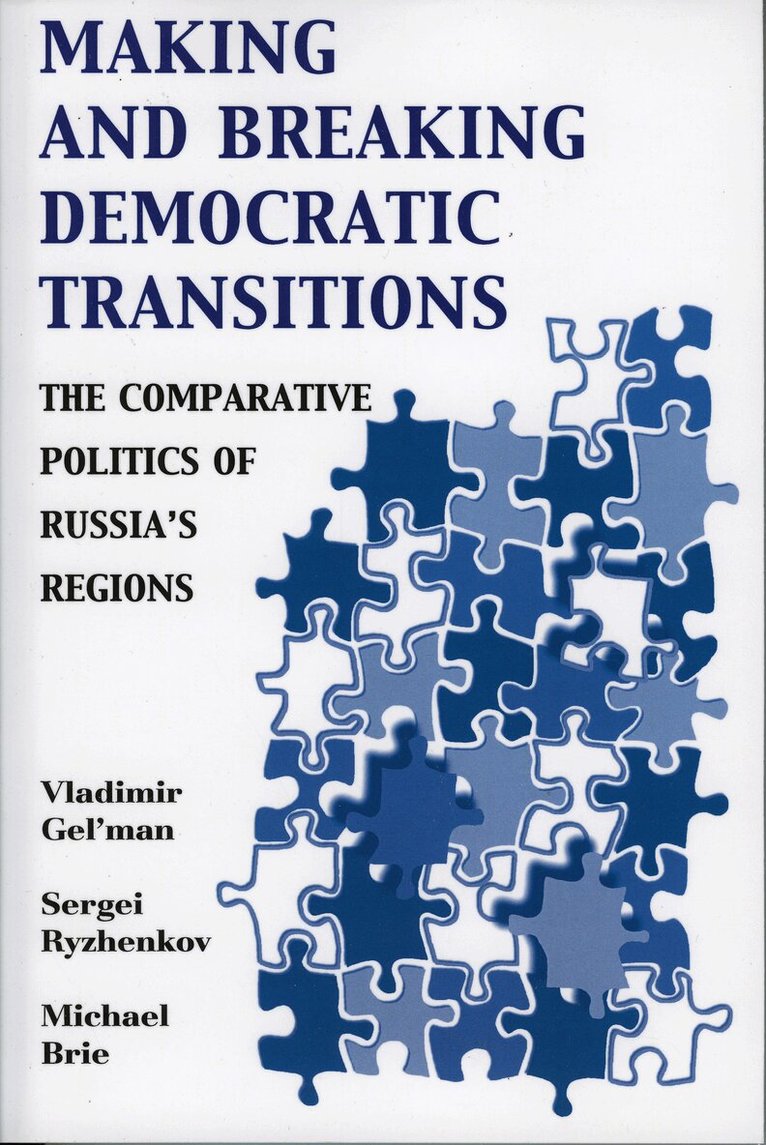
Making and Breaking Democratic Transitions
The Comparative Politics of Russia's Regions
Häftad, Engelska, 2005
789 kr
Skickas inom 5-8 vardagar
Focusing on the vastly different outcomes of post-Soviet regime transitions, this study explores why some societies have become more democratic and some have not. Based on in-depth comparative analyses, the book assesses political developments in six of Russia's regions (Saratov, Nizhnii Novgorod, Volgograd, Ryazan', Ul'yanovsk, and Tver' oblasts) since 1988. The authors consider the influence of Soviet governance systems on the emergence of cleavages and new actors in the post-Soviet period. They also analyze the impact of institutional changes on regional regimes and the success or failure of formal institutions as a framework for political competitiveness. Placing their detailed field data within the larger comparative and theoretical context of political transitions, the authors are able to explain the mixed outcomes of post-communist regime change in Russia and other post-Soviet nations. With its innovative model of path-contingent democratization and its new typology of political regimes and regime transitions, this book will be essential reading for all scholars of democracy.
2 028 kr
Skickas inom 5-8 vardagar
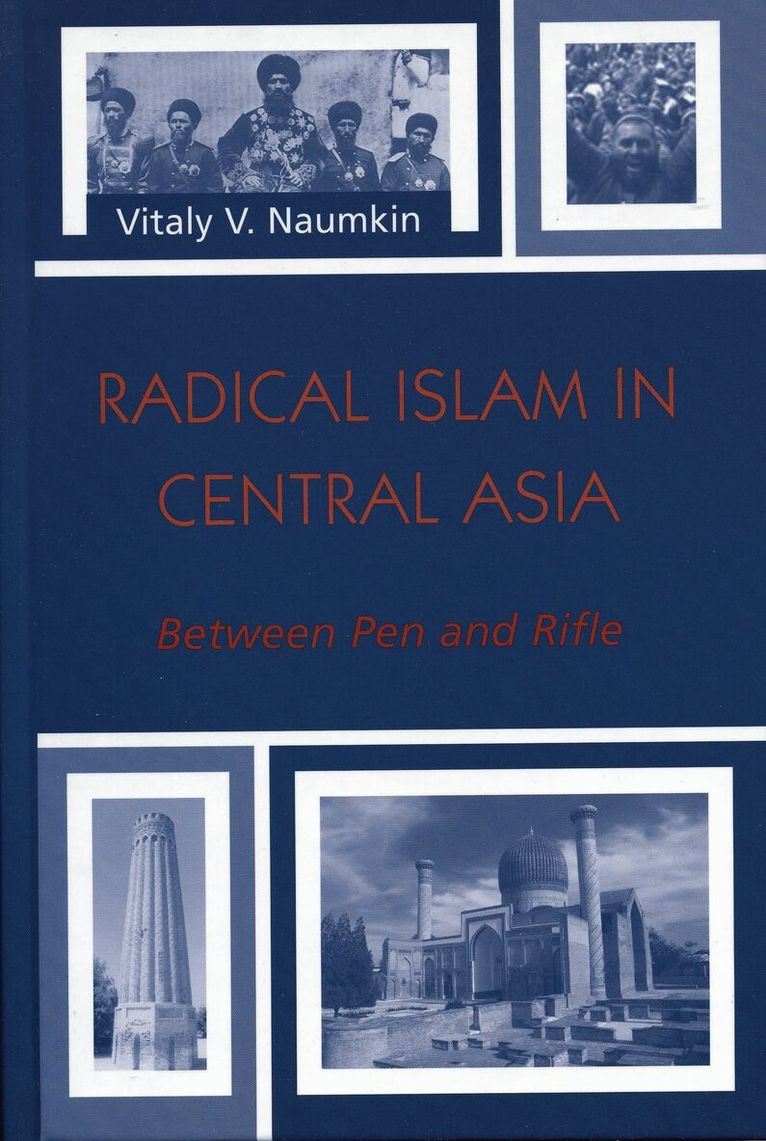
This original study by distinguished scholar Vitaly V. Naumkin offers an authoritative analysis of the key militant Islamic organizations in Central Asia. Long veiled in secrecy, the Islamic Movement of Uzbekistan, Hizb at-Tahrir al-Islami, and the Islamic Revival Party of Tajikistan are illuminated here for the first time. Drawing on his extensive fieldwork and an unprecedented array of Central Asian primary sources, the author thoroughly compares their doctrines, power bases, and political practices. The book also explores the history of political Islam in Central Asia and explains the concurrent roots of Islamic militancy from the early disputes between Salafis and traditionalists, through the period of Islamic revival in the late 1980s when radical groups first emerged, and up to their growing strength today. Naumkin analyzes the human dimension in Central Asian Islam through the lives of the most significant theologians, mullahs, underground preachers, and teachers in the region, evaluating their role in the spread of Islamic radicalism. Providing fresh insight into the balance between peaceful and militant means of struggle for power used by Islamic movements, the author considers into the possibility of dialogue with the Islamists and the outcome of the "Tajik experiment" that brought former Islamic radicals into the government. All those interested in the development of political Islam will find this study an invaluable resource.
789 kr
Skickas inom 5-8 vardagar
This original study by distinguished scholar Vitaly V. Naumkin offers an authoritative analysis of the key militant Islamic organizations in Central Asia. Long veiled in secrecy, the Islamic Movement of Uzbekistan, Hizb at-Tahrir al-Islami, and the Islamic Revival Party of Tajikistan are illuminated here for the first time. Drawing on his extensive fieldwork and an unprecedented array of Central Asian primary sources, the author thoroughly compares their doctrines, power bases, and political practices. The book also explores the history of political Islam in Central Asia and explains the concurrent roots of Islamic militancy from the early disputes between Salafis and traditionalists, through the period of Islamic revival in the late 1980s when radical groups first emerged, and up to their growing strength today. Naumkin analyzes the human dimension in Central Asian Islam through the lives of the most significant theologians, mullahs, underground preachers, and teachers in the region, evaluating their role in the spread of Islamic radicalism. Providing fresh insight into the balance between peaceful and militant means of struggle for power used by Islamic movements, the author considers into the possibility of dialogue with the Islamists and the outcome of the "Tajik experiment" that brought former Islamic radicals into the government. All those interested in the development of political Islam will find this study an invaluable resource.
581 kr
Skickas inom 10-15 vardagar
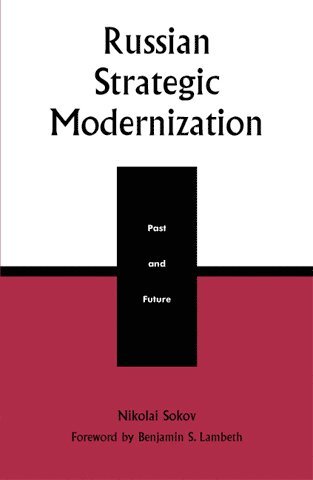
This invaluable study provides a unique insider's view of the history of Soviet and Russian policy on nuclear weapons modernization and charts the future evolution of the Russian strategic arsenal. Using information that has only recently become available and introducing new, previously unknown data, Sokov concludes that the most important force behind the evolution of the Soviet and Russian strategic arsenal was the military itself, which sought to increase strategic stability by enhancing the survivability of weapons systems. The highly destabilizing posture of the 1970s and 1980s was, he argues, in a sense "accidental," resulting from the failure of several R&D programs and specific features of the Soviet decisionmaking mechanism.The author demonstrates that the role of such factors as the economic crisis, U.S. modernization programs, and general Russian foreign policy goals has been exaggerated by Western analysts. No matter how hard-pressed, Russia will hold to its current plans, Sokov argues. At the same time, the military will be unlikely to engage in a new arms buildup even if the economic situation improves or a nationalist government comes to power. Instead, stability will be sought through better quality of weapons at progressively lower levels.Introducing a wealth of new information on Soviet and Russian national security policymaking, the author explores in meticulous detail such key issues as decisions on weapons development, arms-control negotiations, and the handling of the Soviet nuclear arsenal after the breakup of the Soviet Union. The reader will be able to follow the debates and intrigues between military planners, diplomats, and weapons designers as they clashed over the choice of acquisition programs and negotiating positions. With its combination of informed analysis and use of new documentation, this work will be invaluable for all concerned with U.S.-Russian strategic relations.