American Wests, Sponsored by West Texas a&M University – Serie
Visar alla böcker i serien American Wests, Sponsored by West Texas a&M University. Handla med fri frakt och snabb leverans.
5 produkter
5 produkter
347 kr
Skickas inom 7-10 vardagar
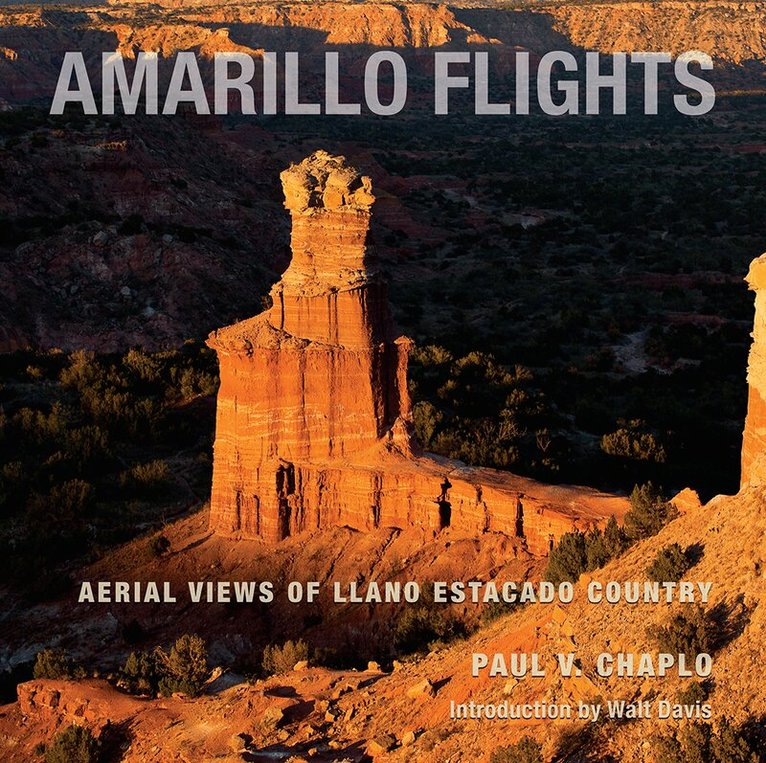
Visitors to Texas and New Mexico have marvelled for centuries at the immensity of the Llano Estacado and the surprising contrast as, at the edges of the great mesa, the flat ground gives way suddenly to such spectacular formations as the Palo Duro and Caprock Canyons. In the introduction to Amarillo Flights, artist and naturalist Walt Davis chronicle the history of this region - what Paul Chaplo calls the 'Llano Country' - and of those artists, mapmakers, and travelers who have tried in various ways to capture its spirit.Working in 'the vast studio of the sky', aerial photographer Chaplo has battled high winds, turbulence, dust, ice, near-miss bird strikes, wildfire smoke, and a host of aircraft problems to show the Llano Country from a place most of us will never be. Covering more than forty thousand square miles, he explores the incredible beauty and rich cultural history of the Panhandle and the surrounding landscapes, from canyons in New Mexico and Texas to hills and plains in Oklahoma. With the help of daring pilots, numerous aircraft, and a remarkably steady hand, Chaplo manages to capture in more than 100 striking photographs the shapes, textures, and colours of the rugged landforms that cannot be perceived fully from the ground.Sharing in his unique view from the southwestern sky, readers will experience from afar - and sometimes impossibly close - the sunlit canyons, storm-covered plains, and winding rivers cutting deep into the red earth that drew Chaplo to this region. For those who appreciate the Llano Estacado, Texas and Eastern New Mexico history, and landscape photography, this book provides a fresh and perception-challenging perspective.
550 kr
Skickas inom 7-10 vardagar
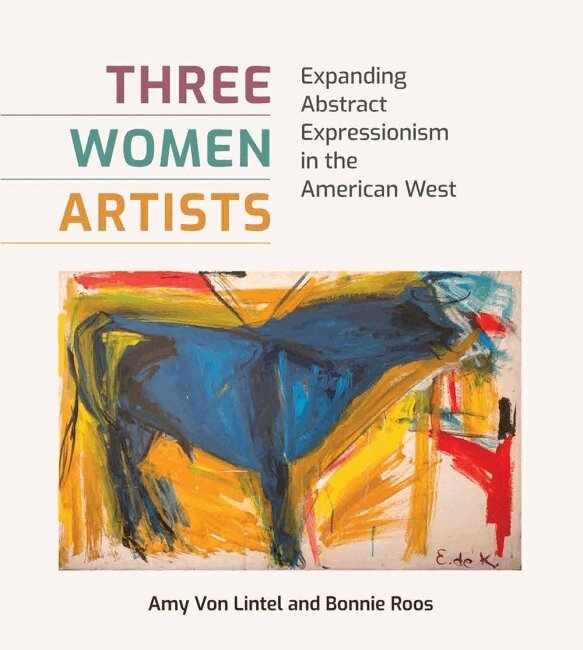
Offering a fresh perspective on the influence of the American southwest—and particularly West Texas—on the New York art world of the 1950s, Three Women Artists: Expanding Abstract Expressionism in the American West aims to establish the significance of itinerant teaching and western travel as a strategic choice for women artists associated with traditional centers of artistic authority and population in the eastern United States.The book is focused on three artists: Elaine de Kooning, Jeanne Reynal, and Louise Nevelson. In their travels to and work in the High Plains, they were inspired to innovate their abstract styles and introduce new critical dialogues through their work. These women traveled west for the same reason artists often travel to new places: they found paid work, markets, patrons, and friends. This Middle American context offers us a “decentered” modernism—demanding that we look beyond our received truths about Abstract Expressionism.Authors Amy Von Lintel and Bonnie Roos demonstrate that these women’s New York avant-garde, abstract styles were attractive to Panhandle-area ranchers, bankers, and aspiring art students. Perhaps as importantly, they show that these artists’ aesthetics evolved in light of their regional experiences. Offering their work as a supplement and corrective to the frameworks of patriarchal, East Coast ethnocentrism, Von Lintel and Roos make the case for Texas as influential in the national art scene of the latter half of the twentieth century.
469 kr
Skickas inom 7-10 vardagar
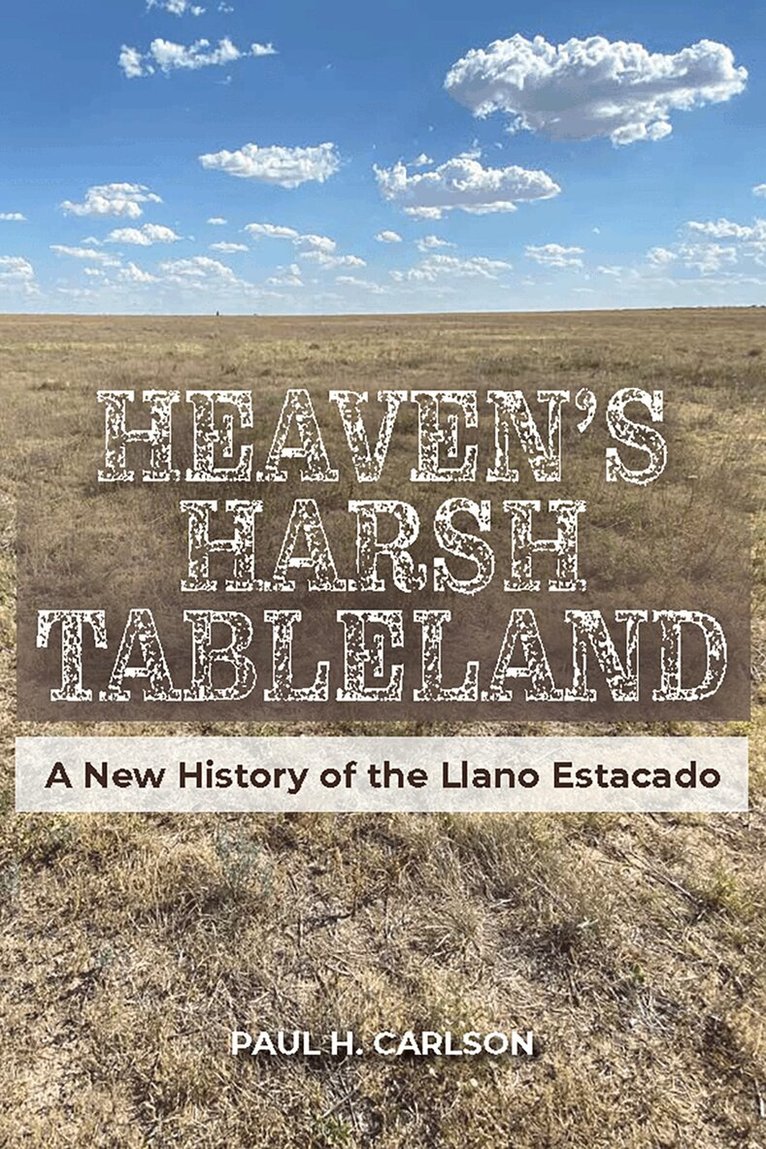
The Llano Estacado—dubbed by author Paul H. Carlson as “heaven’s harsh tableland”—covers some 48,000 square miles of western Texas and eastern New Mexico. In this new survey of the region, the story begins during prehistoric times and with descendants of the Comanche, Apache, and other Native American tribal groups. Other groups have also left their marks on the area: Spanish explorers, Comancheros and other traders, European settlers, farmers and ranchers, artists, and even athletes.Carlson, a veteran historian, aims to review “the Llano’s historic contours from its earliest foundations to its energetic present,” and in doing so, he skillfully narrates the story of the region up to the present time of modern agribusiness and urbanization. Throughout the ten chronologically arranged chapters, concise sidebars support the narrative, highlighting important and interesting topics such as the enigmatic origins of the region’s name, fascinating geological and paleontological facts, the arrival of humans, the natural history of bison, colorful “characters” in the history of the region, and many others.The resulting broad synthesis captures the entirety of the Llano Estacado, summarizing and interpreting its natural and human history in a single, carefully researched and clearly written volume. Heaven’s Harsh Tableland: A New History of the Llano Estacado will provide a helpful, enjoyable, and authoritative guide to the history and development of this important region.
368 kr
Skickas inom 11-20 vardagar
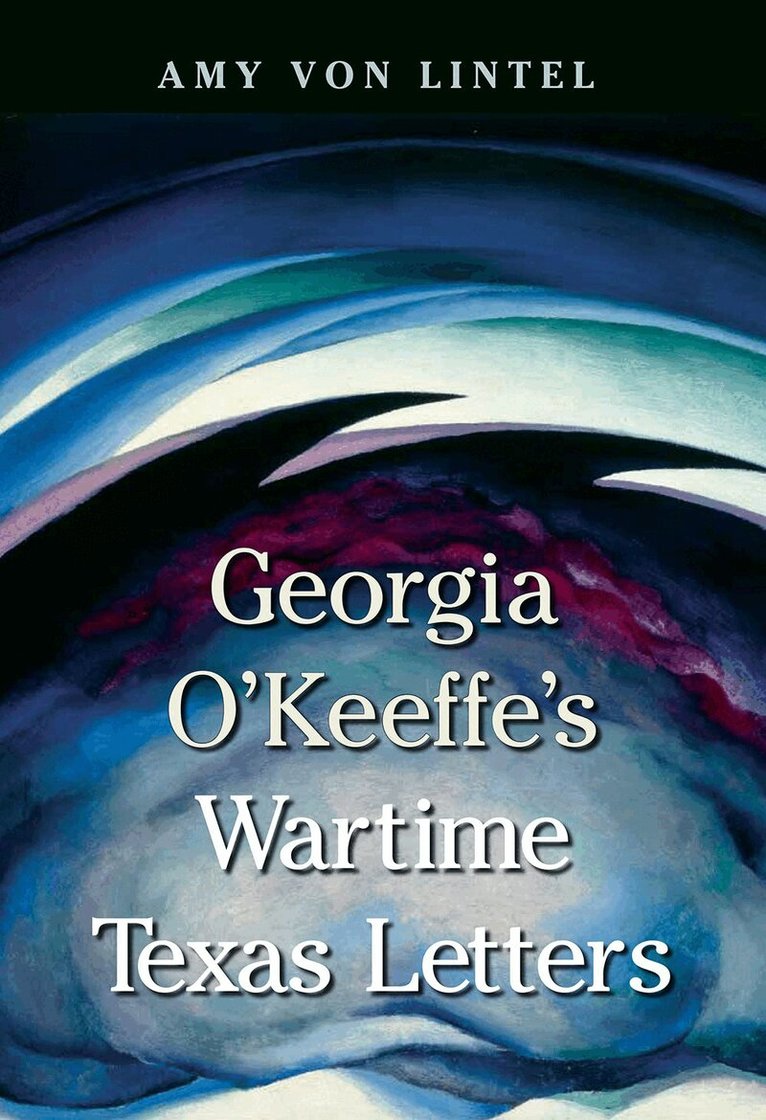
In 1912, at age 24, Georgia O’Keeffe boarded a train in Virginia and headed west, to the prairies of the Texas Panhandle, to take a position as art teacher for the newly organized Amarillo Public Schools. Subsequently she would join the faculty at what was then West Texas State Normal College (now West Texas A&M University). Already a thoroughly independent-minded woman, she maintained an active correspondence with her future husband, photographer Alfred Stieglitz, and other friends back east during the years she lived in Texas. Amy Von Lintel brings to readers the collected O’Keeffe correspondence and added commentary and analysis, shining fresh light on a period of the artist’s life. The result is an important new examination of one of our most beloved artists during a time when she was in the process of discovering her future identity.
444 kr
Skickas inom 11-20 vardagar
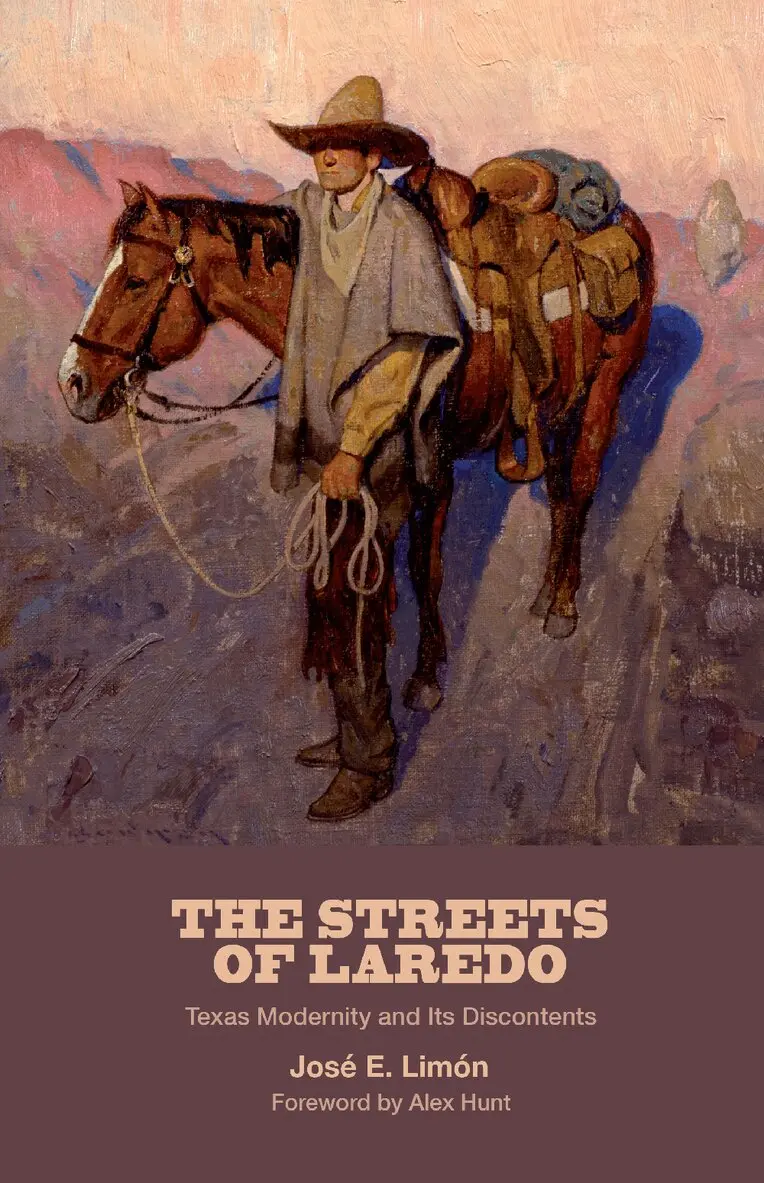
Arguing that the well-known cowboy ballad “The Streets of Laredo” is an early expression of “discontent with an encroaching modernity,” author JosÉ E. LimÓn draws upon ethnomusicology, folklore, history, contemporary literature, and other sources to provide a deeply contextualized analysis of the song. He explores its place in the imaginative construction of the American West and its role in the interpretation of both Anglo-American and Mexican American identity in the Texas borderlands and beyond. With the ballad as his point of departure, LimÓn takes readers on a tour that includes formative experiences from his childhood in Laredo and Corpus Christi; examination of the works of AmÉrico Paredes, Larry McMurtry, and others; and considerations of American popular music, cinema, baseball, and associated socio-cultural phenomena. The result is a complex and intriguing view of Texas and American culture as seen through the lens of a “simple” cowboy song. “It is my hope,” LimÓn writes in his introduction, “that this account of these central figures in Texas history—the ordinary cowboy and this ballad—will prove useful as Texas deals with the current and deeply conflicted phase in its long struggle with modernity.” The Streets of Laredo: Texas Modernity and Its Discontents offers readers important new perspectives on how society struggles with, understands, and comes to terms—or fails to come to terms—with the inevitable changes wrought by an evolving culture.