Springer Series in Microbiology - Böcker
Visar alla böcker i serien Springer Series in Microbiology. Handla med fri frakt och snabb leverans.
9 produkter
9 produkter
1 904 kr
Skickas inom 10-15 vardagar
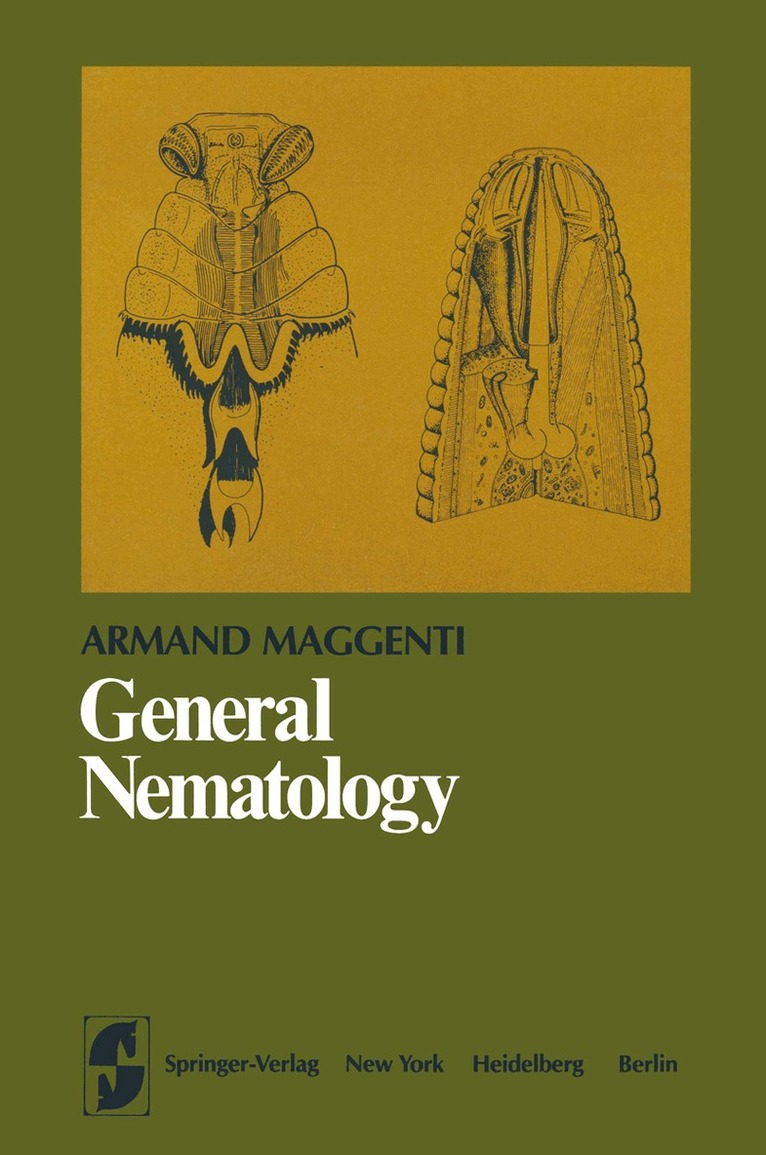
This text is an overall view of nematology because I believe the science should be treated as a unified discipline. The differences in the biological habits of nematodes do not justify the separation of plant nematologists and animal nematologists, since the separation is not a reflection of any difIerences inherent to nematodes. Therefore, the book is arranged with a format that in the beginning chapters illustrates the similarities and se- quence of development of morphological characters among nematodes regardless of their biological habits. The later chapters illustrate the in- tegration of the evolutionary development of the parasitie habit from related free-living forms. Nematology is probably the last major discipline to establish its inde- pendence from the parent science of zoology. This natural evolvement of nematology has occurred because of the overwhelming accumulation of sophisticated information and research that reflects the unique relation- ships of nematodes to other forms of plant and animal life as weH as their relationships in other facets of the environment.N ematodes are inverte- brate animals that, like insects, are unusual in their great numbers and varieties, their smaH size (generally microscopic), their high degree of internal organization, and their virtually ubiquitous distribution. They oc- cupy almost every ecological niehe, often causing disease of humans, other animals, and plants. These activities often result in debility, death, or in the impairment and loss of food supply with consequent loss to producers and consumers.
1 061 kr
Skickas inom 10-15 vardagar
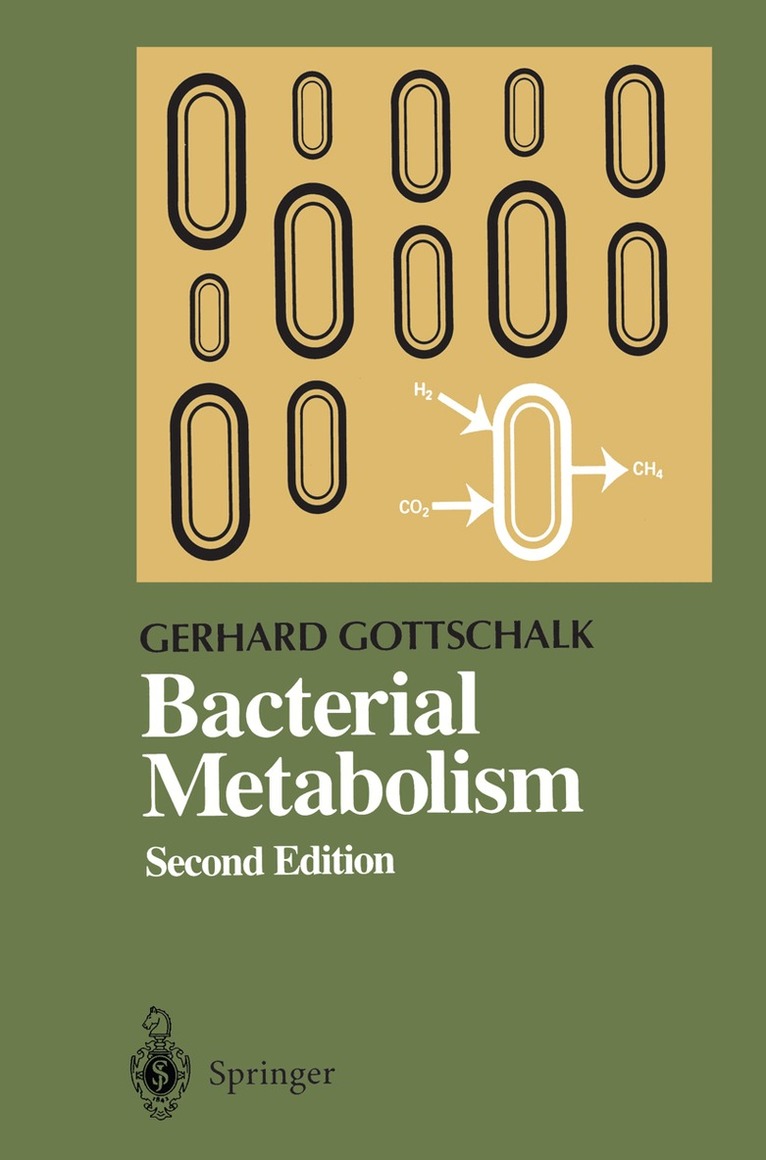
This concise yet comprehensive text surveys the field of bacterial metabolism in terms useful to students and researchers. Emphasis is on those metabolic reactions occurring only in bacteria. Thus, the book describes in detail the energy metabolism of the various groups of bacteria. In addition, it examines pathways used by bacteria for the degradation of organic compounds, the synthesis of cellular constituents, the regulation of bacterial metabolism and the fixation of molecular nitrogen.
550 kr
Skickas inom 10-15 vardagar
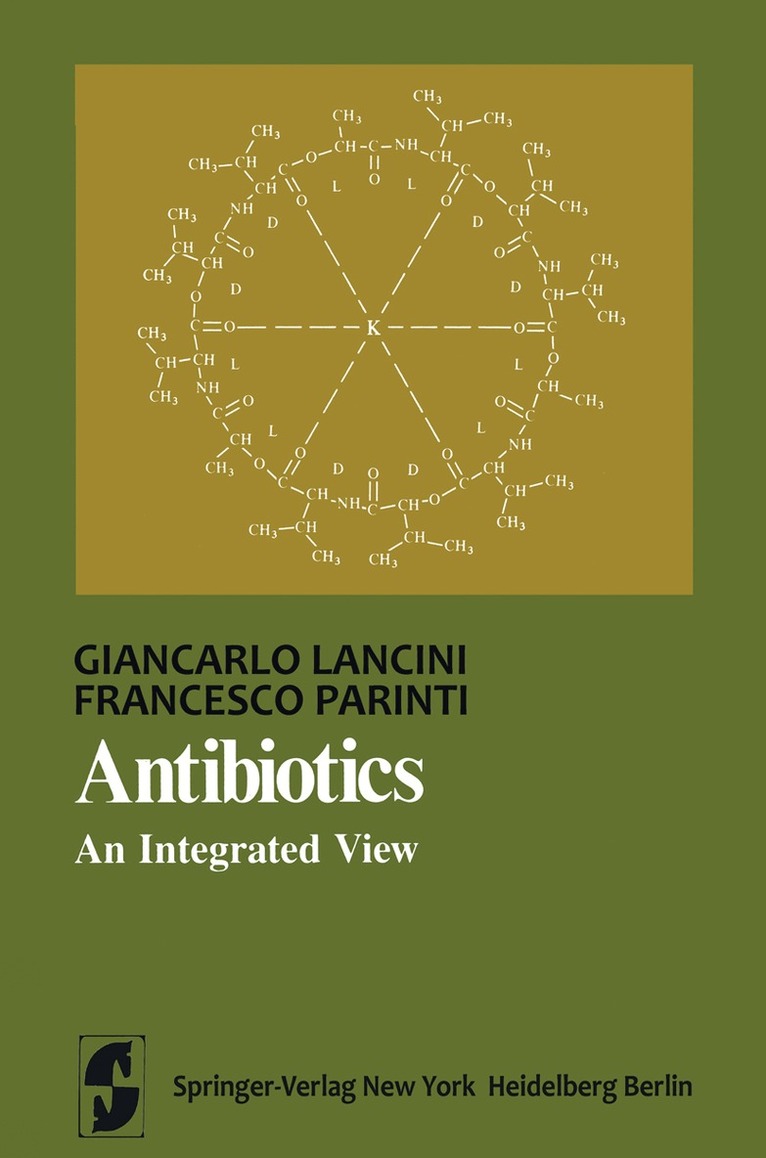
Antibiotics are among the most widely prescribed drugs in both human and veterinary medicine. Furthermore, they are used to protect plants against bacterial and fungal diseases, to decontaminate the shells of eggs, and to improve weight gain and feed conversion in a variety of food animals. Many antibiotics, in addition, have been esseptial tools in the elucidation of specific cellular functions. Genetic engineering, for example, would not be what it is today without the use of antibiotics in the selection of easily determined genetic markers. Production of antibiotics involves a diverse group of professionals: the fermentation technologist, the bioengineer, the extraction chemist. To im prove productivity, an understanding of the biosynthetic pathway and the mechanisms of its control is often useful. After the more than 40 years since the discovery of penicillin, the biol ogist is still unable to answer basic questions: Why are antibiotics produced by only a small number of microbial groups? What is the function of anti biotics in nature? When we started to teach our course on the science of antibiotics at the University of Pavia and the University of Milan, we realized that there was no book that presented the basic facts and concepts on all aspects of this diverse science. This book therefore arose out of our teaching need. Our experience in the discovery, development, and production of antibiotics has certainly imparted a practical nuance to this book.
534 kr
Skickas inom 10-15 vardagar
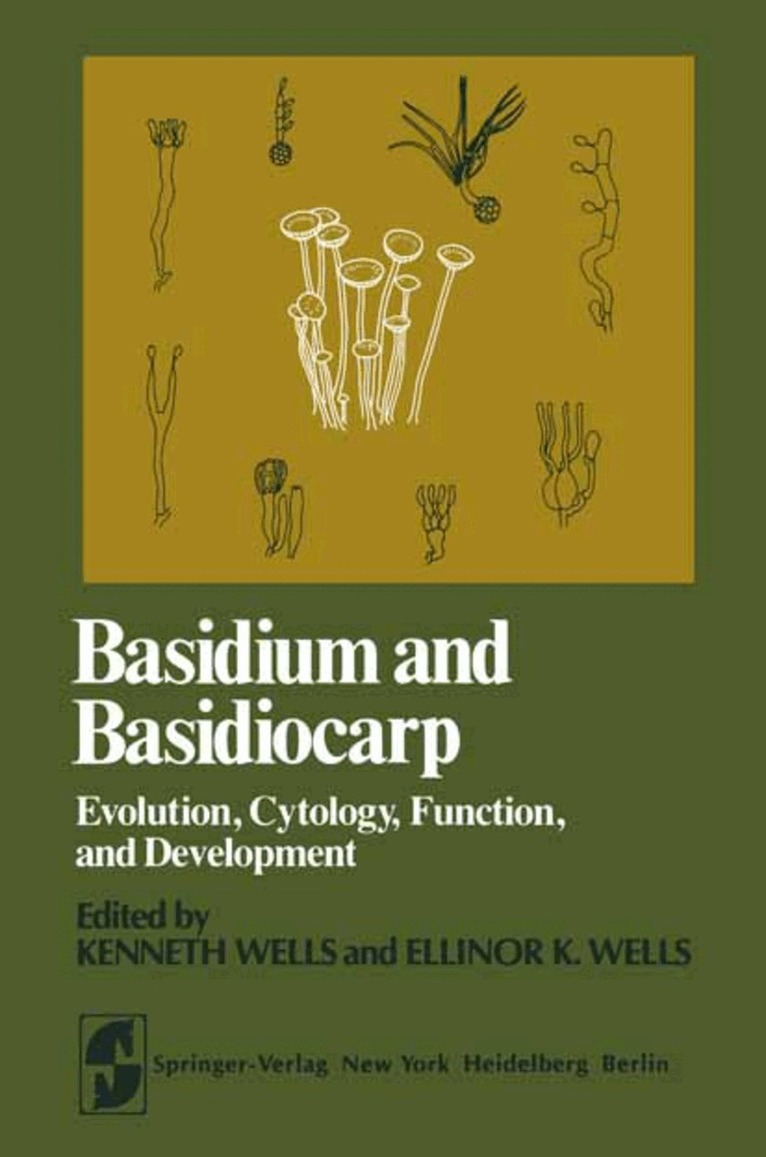
The intent of this publication is to bring together reviews and discussions from several disciplines, all treating the basidium and basidiocarp of the Basidiomy cotina (= basidiomycetes), a subdivision of the true or higher fungi. Because the workers who study the species of this group employ such a variety of techniques and publish in such diverse journals, we believe that bringing together these efforts in one publication will facilitate a synopsis of recent studies of several divergent disciplines. Correlation of such information may not only aid in the reevaluation of broad taxonomic and biological concepts but also provide a key to the specialists in the rethinking of the data available within the confines of the more restricted disciplines. We have attempted to cover the major areas of studies of species of the Basidiomycotina within the past decade or so with the exception of genetics and compatibility, which have recently been reviewed in several other works. A problem we have not been able to solve satisfactorily is the one of vocabulary. Each discipline tends to develop its own language as it becomes increasingly specialized, with time becoming unintelligible to the majority. We have tried to alleviate this problem of terms but can not claim to have been completely successful. We are indebted to a great many people, but especially to the contributors. They have been most patient and cooperative throughout.
1 272 kr
Skickas inom 10-15 vardagar
With contributions by numerous experts
2 115 kr
Skickas inom 10-15 vardagar
This text is an overall view of nematology because I believe the science should be treated as a unified discipline. The differences in the biological habits of nematodes do not justify the separation of plant nematologists and animal nematologists, since the separation is not a reflection of any difIerences inherent to nematodes. Therefore, the book is arranged with a format that in the beginning chapters illustrates the similarities and se- quence of development of morphological characters among nematodes regardless of their biological habits. The later chapters illustrate the in- tegration of the evolutionary development of the parasitie habit from related free-living forms. Nematology is probably the last major discipline to establish its inde- pendence from the parent science of zoology. This natural evolvement of nematology has occurred because of the overwhelming accumulation of sophisticated information and research that reflects the unique relation- ships of nematodes to other forms of plant and animal life as weH as their relationships in other facets of the environment.N ematodes are inverte- brate animals that, like insects, are unusual in their great numbers and varieties, their smaH size (generally microscopic), their high degree of internal organization, and their virtually ubiquitous distribution. They oc- cupy almost every ecological niehe, often causing disease of humans, other animals, and plants. These activities often result in debility, death, or in the impairment and loss of food supply with consequent loss to producers and consumers.
850 kr
Skickas inom 10-15 vardagar
From 1965 through 1975, I conducted an extensive field and laboratory research project on thermophilic microorganisms. The field work was based primarily in Yellowstone National Park, using a field laboratory we set up in the city of W. Yellowstone, Montana. The laboratory work was carried out from 1965 through 1971 at Indiana University, Bloomington, and subsequently at the University of Wisconsin, Madison. Although this research project began small, it quickly ramified in a wide variety of directions. The major thrust was an attempt to understand the ecology and evolutionary relationships of thermophilic microorganisms, but research also was done on biochemical, physiologic, and taxonomic aspects of thermophiles. Four new genera of thermophilic microorganisms have been discovered during the course of this 10-year period, three in my laboratory. In addition, a large amount of new information has been obtained on some thermophilic microorganisms that previously had been known. In later years, a considerable amount of work was done on Yellowstone algal bacterial mats as models for Precambrian stromatolites. In the broadest sense, the work could be considered geomicrobiological, or biogeochemi cal, and despite the extensive laboratory research carried out, the work was always firmly rooted in an attempt to understand thermophilic microorga nisms in their natural environments. Indeed, one of the prime motivations for initiating this work was a view that extreme environments would provide useful models for studying the ecology of microorganisms. As a result of this 10-year research project, I published over 100 papers.
984 kr
Skickas inom 10-15 vardagar
This concise yet comprehensive text surveys the field of bacterial metabolism in terms useful to students and researchers. Emphasis is on those metabolic reactions occurring only in bacteria. Thus, the book describes in detail the energy metabolism of the various groups of bacteria. In addition, it examines pathways used by bacteria for the degradation of organic compounds, the synthesis of cellular constituents, the regulation of bacterial metabolism and the fixation of molecular nitrogen.
1 061 kr
Skickas inom 10-15 vardagar
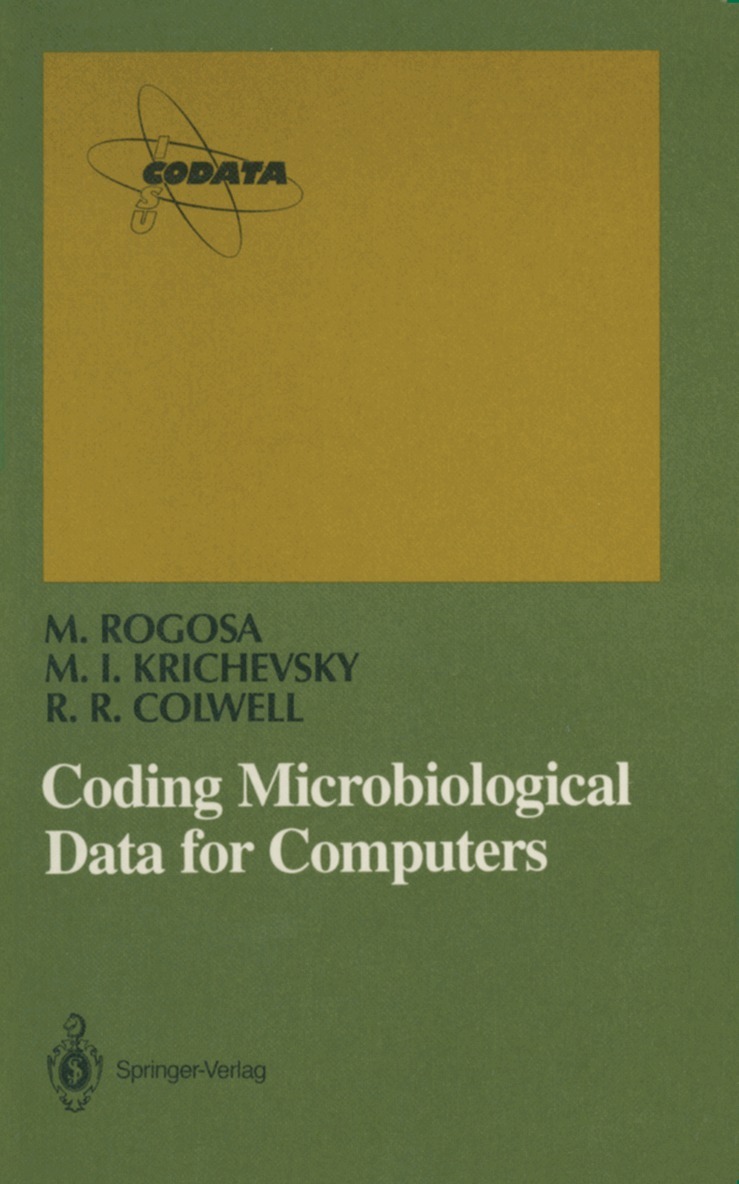
As the title suggests, this book presents an open ended system in which computer techniques facilitate encoding, entry, management, and analysis of microbiological data derived from the study of bacteria, algae, fungi, and protozoa. The system is not constrained by any taxonomie point of view or proprietary computer technology and is freely and easily adaptable to the special needs of special problems. This enables investigators to deal efficiently with unforeseen areas of their investigation or with new data generated by old or new technology. We are sincerely grateful for the invaluable advice and encouragement of Professor V.B.D. Skerman. Many individuals contributed ideas and technical knowledge, and users of the system have contributed data and responsive criticism for more than a decade. Particularly, we acknowledge Lesley Jones for some editorial help; Keith E. McNeil for contributions to Section 7; Elwyn G. McIntyre for invaluable assistance with Section 8; Dr. B. Amdur for major contributions to Section 21; Dr. A.J. Wicken for assistance in expanding and updating Section 23; Dr. S. Feingold for some features of anaerobic bacteria in Section 24; Drs. J.