Springer Series on International Justice and Human Rights – serie
Visar alla böcker i serien Springer Series on International Justice and Human Rights. Handla med fri frakt och snabb leverans.
4 produkter
4 produkter
492 kr
Skickas inom 10-15 vardagar
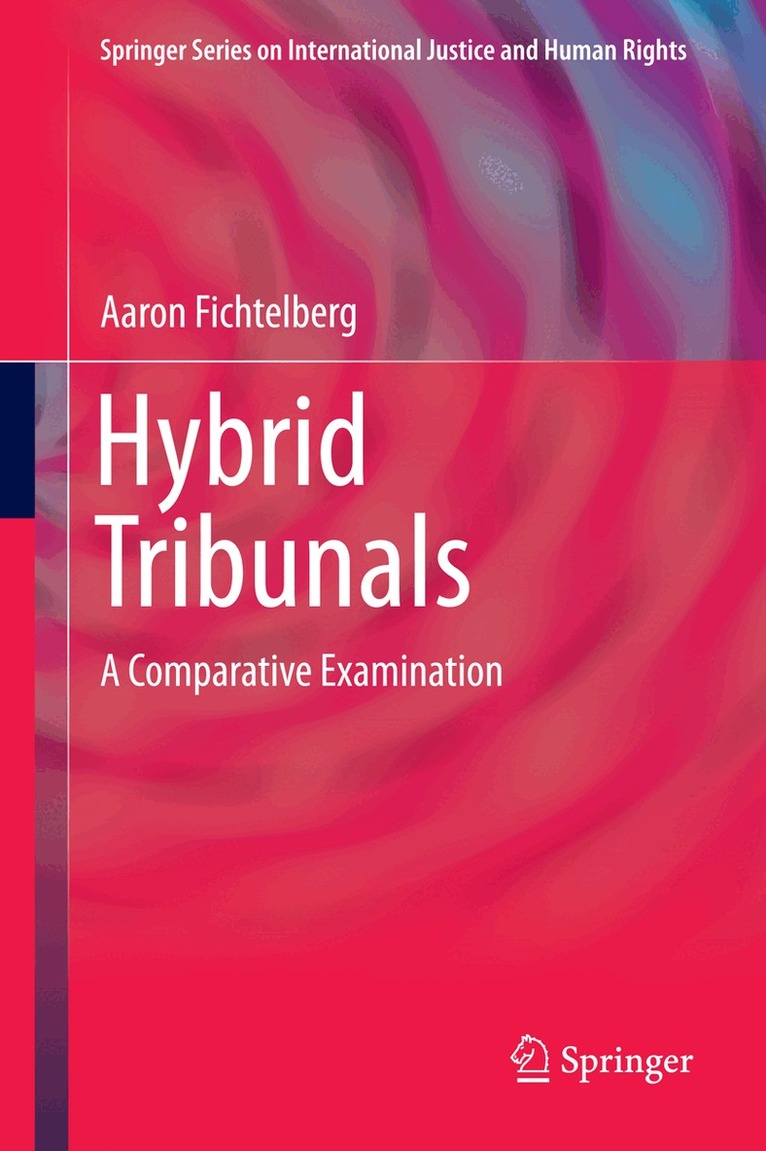
This book examines hybrid tribunals created in Sierra Leone, Kosovo, Cambodia, East Timor, and Lebanon, in terms of their origins (the political and social forces that led to their creation), the legal regimes that they used, their various institutional structures, and the challenges that they faced during their operations. Through this study, the author looks at both their successes and their shortcomings, and presents recommendations for the formation of future hybrid tribunals.Hybrid tribunals are a form of the international justice where the judicial responsibility is shared between the international community and the local state where they function. These tribunals represent an important bridge between traditional international courts like the International Criminal Court (ICC), the International Criminal Tribunal for the Former Yugoslavia (ICTY), the International Criminal Tribunal for Rwanda (ICTR) and various local justice systems. Because hybrid tribunals are developed in response to large-scale atrocities, these courts are properly considered part of the international criminal justice system. This feature gives hybrid tribunals the accountability and legitimacy often lost in local justice systems; however, by including regional courtroom procedures and personnel, they are integrated into the local justice system in a way that allows a society to deal with its criminals on its own terms, at least in part.This unique volume combines historical and legal analyses of these hybrid tribunals, placing them within a larger historical, political, and legal context. It will be of interest to researchers in Criminal Justice, International Studies, International Law, and related fields.
492 kr
Skickas inom 10-15 vardagar
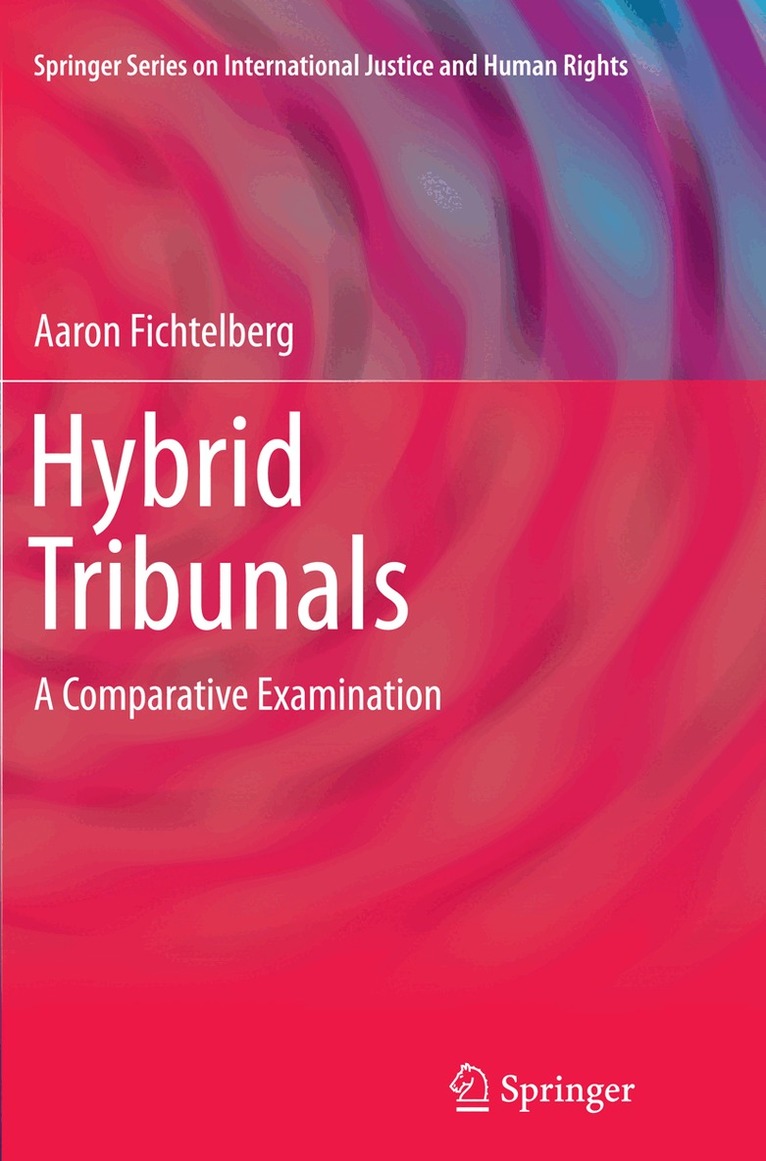
This book examines hybrid tribunals created in Sierra Leone, Kosovo, Cambodia, East Timor, and Lebanon, in terms of their origins (the political and social forces that led to their creation), the legal regimes that they used, their various institutional structures, and the challenges that they faced during their operations. Through this study, the author looks at both their successes and their shortcomings, and presents recommendations for the formation of future hybrid tribunals.Hybrid tribunals are a form of the international justice where the judicial responsibility is shared between the international community and the local state where they function. These tribunals represent an important bridge between traditional international courts like the International Criminal Court (ICC), the International Criminal Tribunal for the Former Yugoslavia (ICTY), the International Criminal Tribunal for Rwanda (ICTR) and various local justice systems. Because hybrid tribunals are developed in response to large-scale atrocities, these courts are properly considered part of the international criminal justice system. This feature gives hybrid tribunals the accountability and legitimacy often lost in local justice systems; however, by including regional courtroom procedures and personnel, they are integrated into the local justice system in a way that allows a society to deal with its criminals on its own terms, at least in part.This unique volume combines historical and legal analyses of these hybrid tribunals, placing them within a larger historical, political, and legal context. It will be of interest to researchers in Criminal Justice, International Studies, International Law, and related fields.
Rule of Law in an Era of Change
Responses to Transnational Challenges and Threats
Häftad, Engelska, 2019
1 074 kr
Skickas inom 10-15 vardagar
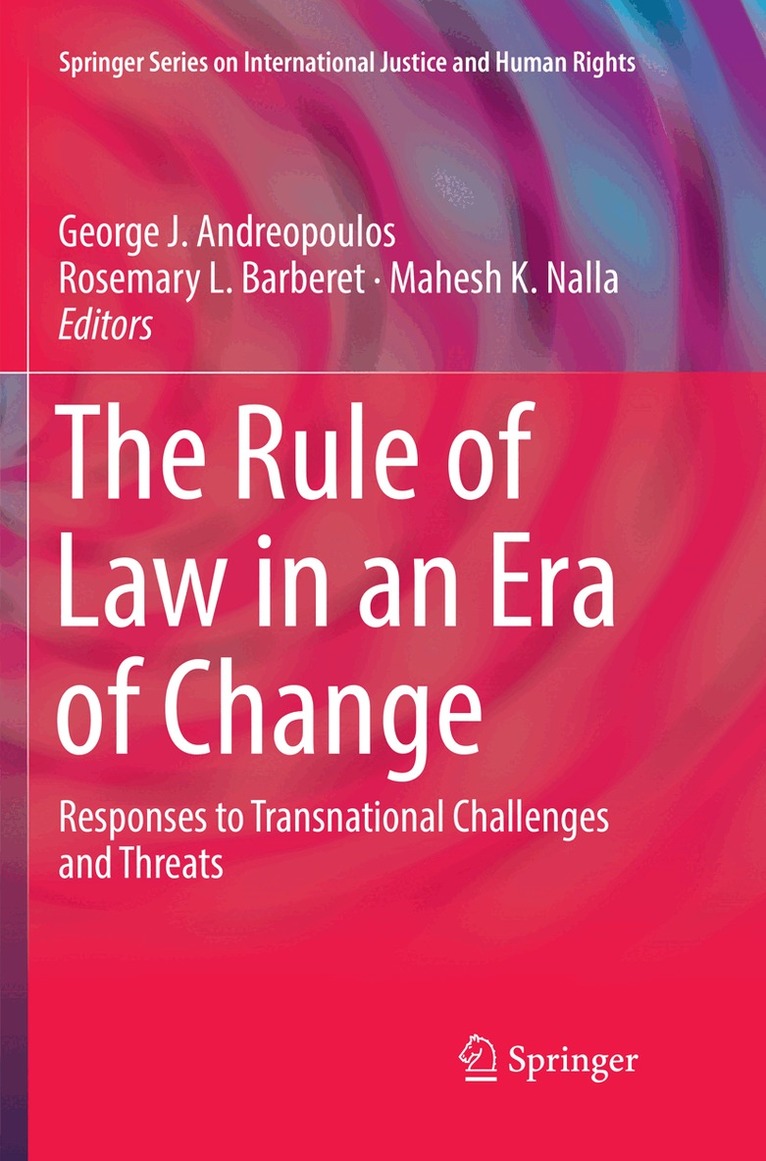
This forward-thinking volume examines the rule of law from a global perspective, in the context of a growing array of transnational challenges and threats As the United Nations (UN) notes, the rule of law constitutes the basis “on which fair and just societies are built.” The contributions to this volume provide insights to several emerging debates about what the rule of law means in the modern era of warfare and of massive and systematic human rights violations that call for robust and transparent accountability mechanisms and processes.The authors of this work examine several controversial topics, including:-The growing use of drones, and the morality of long distance use-The UN Security Council’s evolving counterterrorism policies and practices-Victims’ Rights and the effort to provide meaning and justice to victims and survivors of terrorism - The relationship between the International Criminal Court (ICC) and Truth and Reconciliation Commissions (TRCs)-The effectiveness of the international criminal justice process overall, with an eye to procedural fairness and justice. This timely work will be of interest to researchers in criminal justice, particularly with a focus on counter-terrorism and international justice, as well as international law, human rights, and international studies.
Rule of Law in an Era of Change
Responses to Transnational Challenges and Threats
Inbunden, Engelska, 2018
1 074 kr
Skickas inom 10-15 vardagar
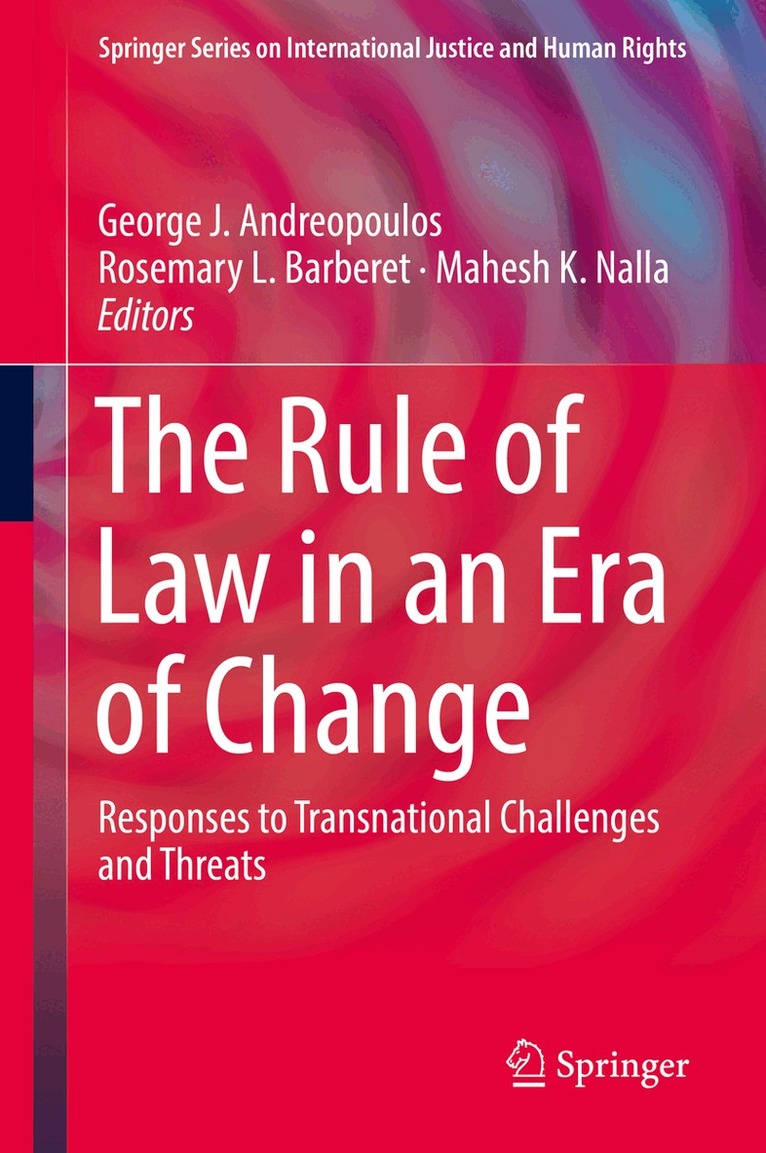
This forward-thinking volume examines the rule of law from a global perspective, in the context of a growing array of transnational challenges and threats As the United Nations (UN) notes, the rule of law constitutes the basis “on which fair and just societies are built.” The contributions to this volume provide insights to several emerging debates about what the rule of law means in the modern era of warfare and of massive and systematic human rights violations that call for robust and transparent accountability mechanisms and processes.The authors of this work examine several controversial topics, including:-The growing use of drones, and the morality of long distance use-The UN Security Council’s evolving counterterrorism policies and practices-Victims’ Rights and the effort to provide meaning and justice to victims and survivors of terrorism - The relationship between the International Criminal Court (ICC) and Truth and Reconciliation Commissions (TRCs)-The effectiveness of the international criminal justice process overall, with an eye to procedural fairness and justice. This timely work will be of interest to researchers in criminal justice, particularly with a focus on counter-terrorism and international justice, as well as international law, human rights, and international studies.