Stages - Böcker
Visar alla böcker i serien Stages. Handla med fri frakt och snabb leverans.
19 produkter
19 produkter
492 kr
Skickas inom 7-10 vardagar
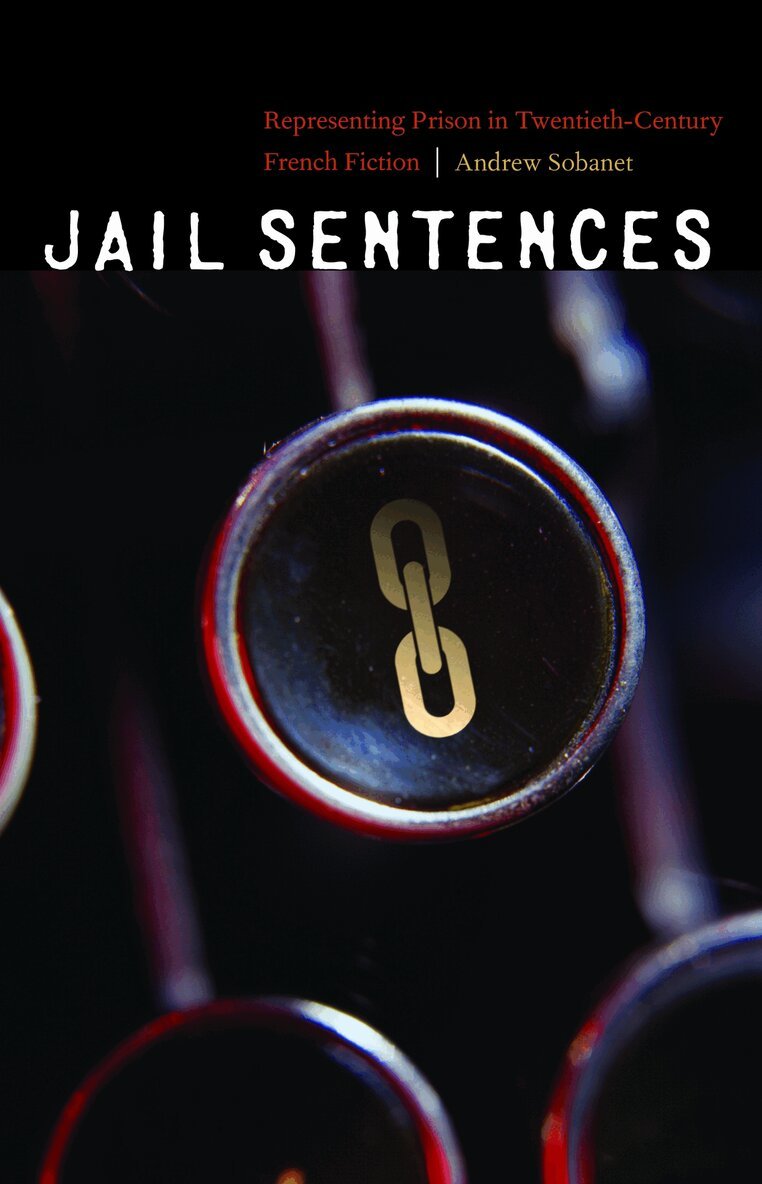
A long list of canonical writers in Western literature have experienced incarceration and have subsequently written celebrated works about the imprisoned and the condemned. The French tradition is no exception: writers who produced noteworthy texts while incarcerated or who later wrote about their experiences in prison are found on the literary-historical landscape from the medieval era through the twentieth century. Prison writing by inmates, former guards, chaplains, teachers, and doctors is firmly established as part of the fabric of popular culture and has long attracted the attention of culture critics and scholars. Nevertheless, scant analysis exists of the prison novel—a literary genre that, as Andrew Sobanet argues in Jail Sentences, uses fiction as a documentary tool. Its narrative peculiarities, which are the main subjects of Sobanet's study, include the use of autobiographical and testimonial techniques to critique the penitentiary system. Jail Sentences is the definitive study of the legacy of the Western tradition of prison writing in twentieth-century French literature. Although Sobanet focuses primarily on French writers—Victor Serge, Jean Genet, Albertine Sarrazin, and François Bon—his keen sense of literary dialogue pulls into the orbit of his study an international corpus of work, from Dostoyevsky to Malcolm X. Jail Sentences arrives at a coherent definition of the genre, whose unique conventions stem from the innermost regions of our understanding of stories, truth, fiction, and belief.
299 kr
Skickas inom 10-15 vardagar
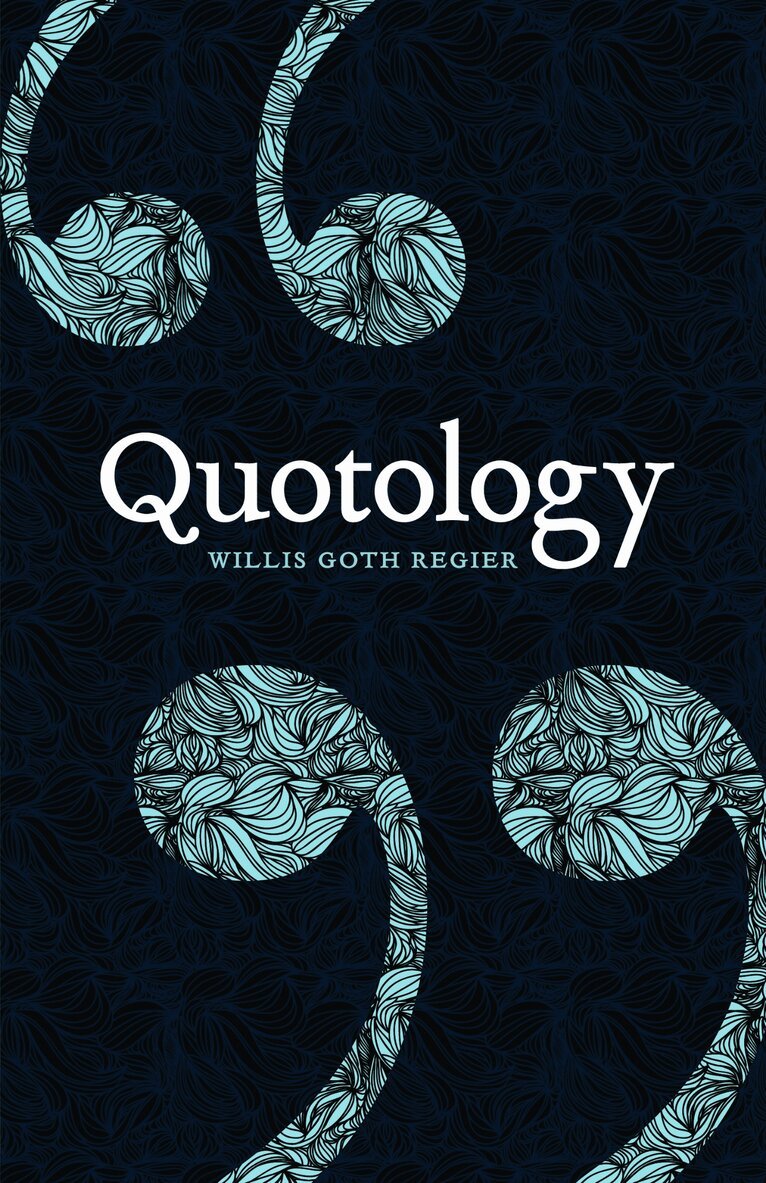
Erasmus advised readers to learn quotations by heart and copy them everywhere: write them in the front and back of books; inscribe them on rings and cups; paint them on doors and walls, "even on the glass of a window." Emerson noted that "in Europe, every church is a kind of book or bible, so covered is it with inscriptions and pictures." In Arabic script as tall as a man, the Koran is quoted on the walls and domes of mosques. We quote to admire, provoke, commemorate, dispute, play, and inspire. Quotations signal class, club, clique, and alma mater. They animate wit, relay prophecies, guide meditation, and accessorize fashion. In Quotology Willis Goth Regier draws on world literature and contemporary events to show how vital quotations are, how they are collected and organized, and how deceptive they can be. He probes all these aspects, identifying fifty-nine types of quotations, including misquotations and anonymous sayings. Following the logic of quotology, Quotology concludes with famous last words.
744 kr
Skickas inom 10-15 vardagar
In Why Fiction?—one of the most important works of narrative theory to come out of France in recent years—Jean-Marie Schaeffer understands fiction not as a literary genre but, in contrast to all other literary theorists, as a genre of life. The result is arguably the first systematic refutation of Plato's polemic against fiction and a persuasive argument for regarding fiction as having a cognitive function. For Schaeffer fiction includes not only narrative fiction but also children's games, videos, film, drama, certain kinds of painting, opera—in short, all the intentional structures arising from shared imaginative reality. Because video games and cyber-technologies are the new sites of entry for many children into such an imagined universe, studying these cyber-fictions has become integral to our understanding of fiction. Through these avenues, Schaeffer also explores the foundations of mimeticism in order to explain the important effect fiction has on human beings. His work thus establishes fiction as a universal aspect of human culture and offers a profound and resounding answer to the question: Why fiction?
361 kr
Skickas inom 10-15 vardagar
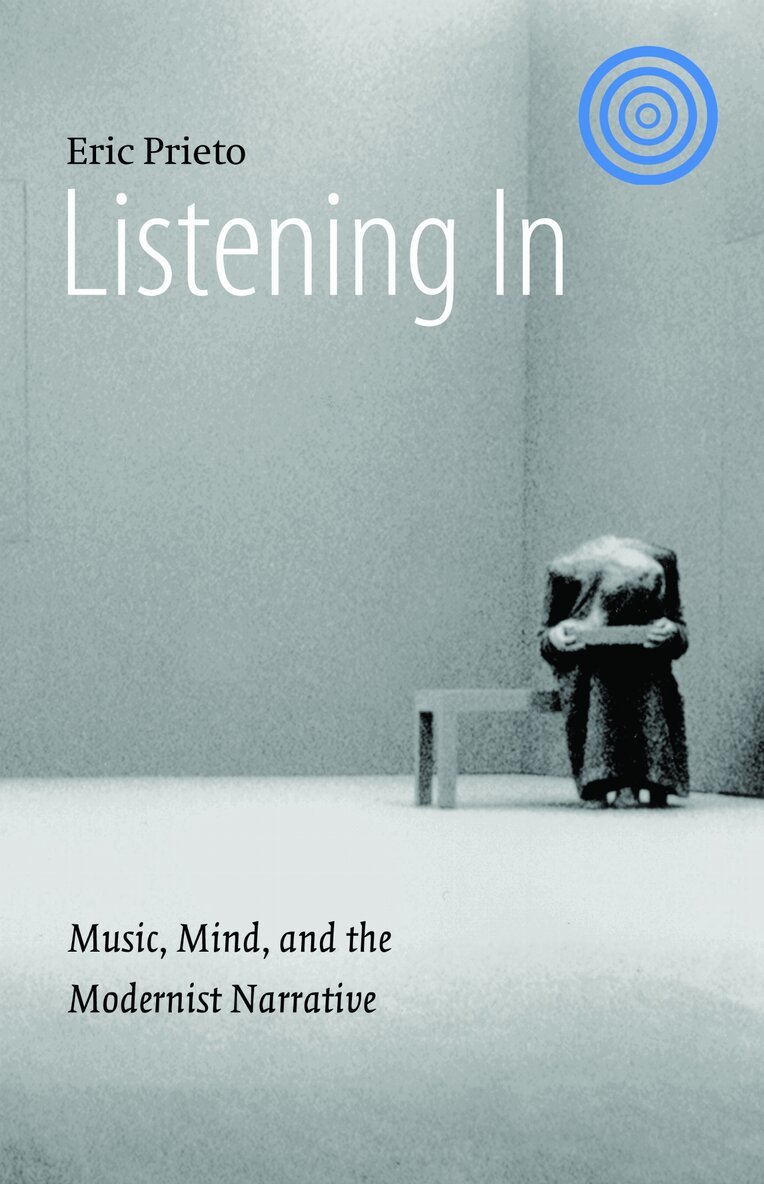
What can music teach a novelist, autobiographer, or playwright about the art of telling stories? The musical play of forms and sounds seems initially to have little to do with the representational function of the traditional narrative genres. Yet throughout the modernist era, music has been invoked as a model for narrative in its specifically mimetic dimension. Although modernist writers may conceive of musical communication in widely divergent ways, they have tended to agree on one crucial point: that music can help transform narrative into a medium better adapted to the representation of consciousness. Eric Prieto studies the twentieth-century evolution of this use of music, with particular emphasis on the postwar Parisian avant-garde. For such writers as Samuel Beckett, Michel Leiris, and Robert Pinget, music provides a number of guiding metaphors for the inwardly directed mode of mimesis that Prieto calls "listening in," where the object of representation is not the outside world but the subtly modulating relations between consciousness and world.This kind of semiotic boundary crossing between music and literature is inherently metaphorical, but, as Prieto's analyses of Beckett, Leiris, and Pinget show, these interart analogies provide valuable clues for bringing to light the unspoken assumptions, obscurely understood principles, and extra-literary aspirations that gave such urgency to the modernist quest to better represent the mind in action.
299 kr
Skickas inom 10-15 vardagar
Fuzzy Fiction examines the phenomenon of "fuzziness," both figurative and structural, in the contemporary French novel. Fuzziness, as originally conceived by Bertrand Russell a century ago, eventually led to the fuzzy set theory of mathematics, on which Jean-Louis Hippolyte bases his theory of literary criticism. In literature the use of fuzziness as a critical lens reveals how semantic ambiguity translates into ontological uncertainty, and why we should look past singularity and toward multiplicity. The paradoxical coincidence of order and disorder, the seemingly infinite exploration of narrative options, and the principle of undifferentiated identity all contribute to a general poetics of vagueness. It is this capital notion of vagueness that Hippolyte identifies as integral to contemporary French fiction and contemporary literature in general. In Fuzzy Fiction Hippolyte examines a set of avant-garde French writers—Jean-Philippe Toussaint, Marie Redonnet, Éric Chevillard, François Bon, and Antoine Volodine—whose aesthetic differences, he argues, exemplify the current uses of vagueness in contemporary French literature. Far from forsaking avant-gardism or pandering to the reactionary values of commercial publications, fuzzy fiction, Hippolyte suggestively argues, exceeds and subverts traditional boundaries between the avant-garde and mainstream fiction. A bold innovation in the domain of the contemporary novel, fuzzy fiction inaugurates a richly diverse discourse for the twenty-first century.
612 kr
Skickas inom 10-15 vardagar
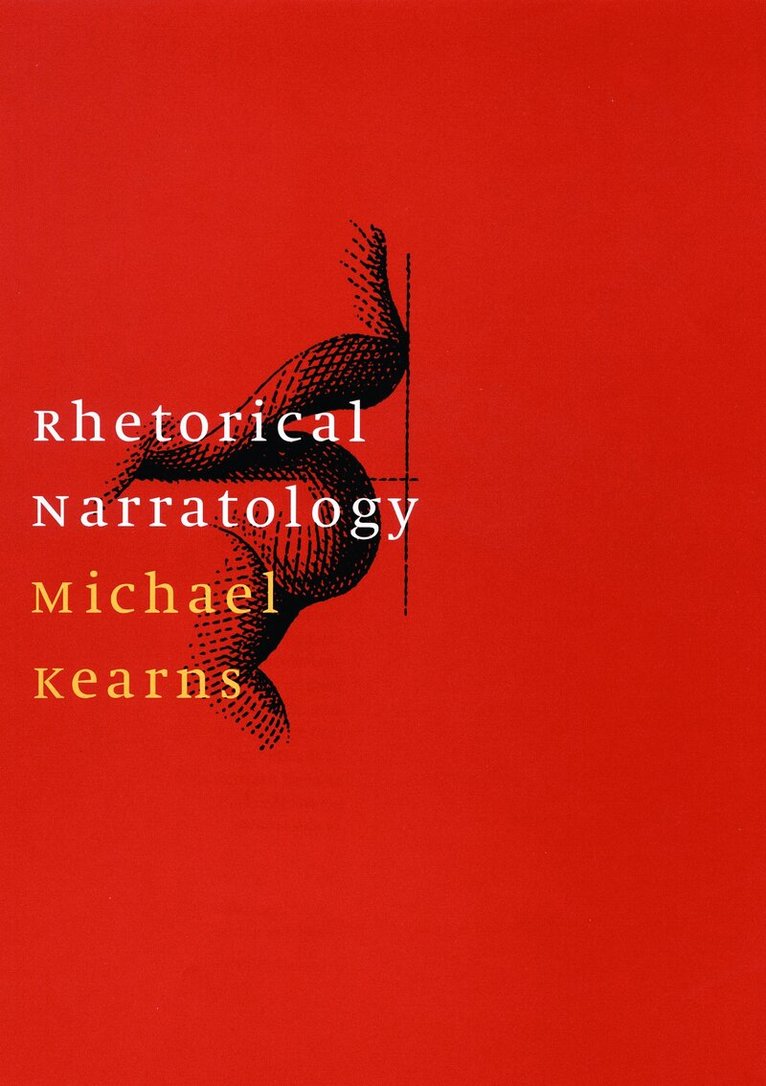
Narratology attempts to determine the rules or codes of composition of a narrative and to formulate the "grammar" of narrative, that is, the structures and formulas that recur across stories with very different content. Since its inception some thirty years ago, narratology has adopted a largely formalist and structuralist focus and thus has tended to pass over contextual factors that affect a reader's experience of narratives. In Rhetorical Narratology, Michael Kearns redresses this one-sidedness by combining traditional narratology's tools for analyzing texts with rhetoric's tools for analyzing audiences. Guiding Kearns's approach is speech-act theory, which, in emphasizing the rule-governed context in which any text is produced and received, provides the means for describing how the structures of narrative may affect certain audiences in certain ways. Rhetorical narratology applies fundamental concepts from speech-act theory to draw together the strengths of rhetoric and narratology. Rhetoric contributes the steady focus on the interaction between text and reader as that interaction occurs in specific cultural contexts and through time. Narratology provides the crucial distinction between "story" and "discourse,"—between the "what" and the "how" of a narrative. Concentrating on the "how" has produced sophisticated treatments of such concepts as "fiction," "narrativity," and "point," as well as detailed analyses of temporal structure, point of view, and speech representation. The central question that rhetorical narratology attempts to answer, then, is how do the various narrative elements isolated by narratologists actually work on readers?
612 kr
Skickas inom 10-15 vardagar
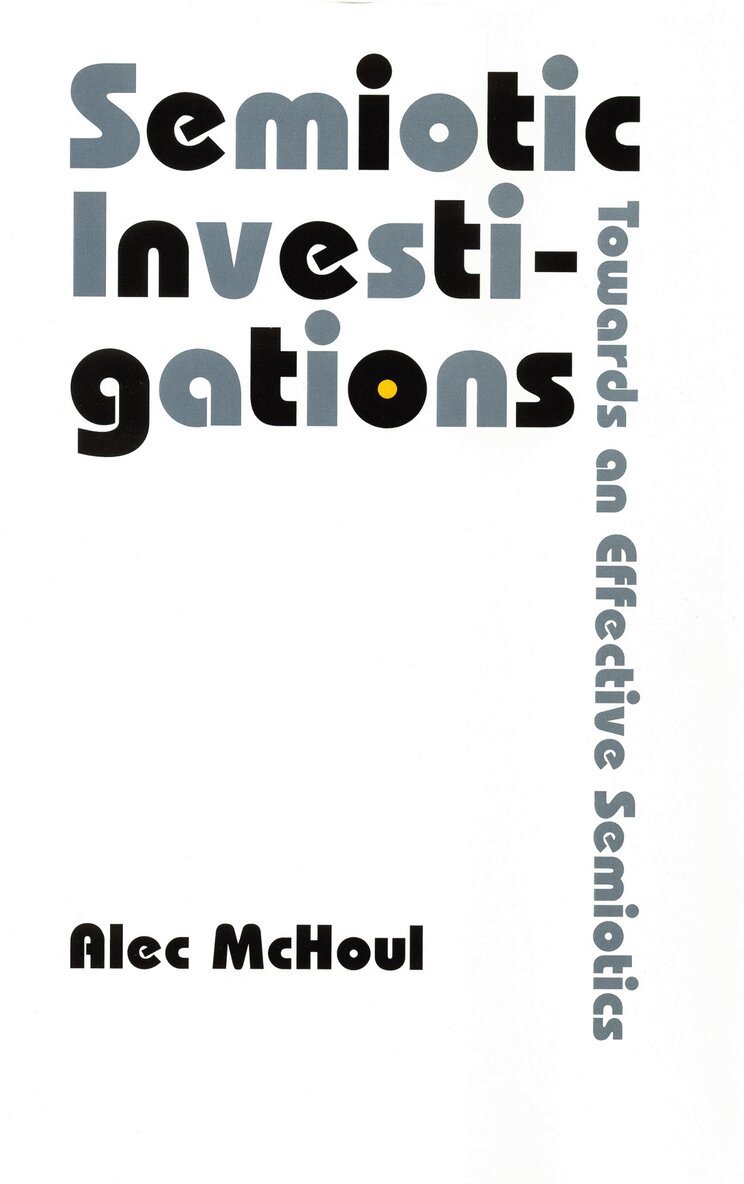
In "Semiotic Investigations", Alec McHoul develops a theory of meaning that he calls 'effective semiotics' - a theory that investigates 'the ways in which signs have meaning by virtue of their actual uses'. As McHoul notes, 'these uses take place in a number of 'media,' the most important of which is the medium of history - so important, in fact, that it catches up all the other possible media of semiosis, including everyday life and language, fiction, film, talk, art, mathematics, and photography'.McHoul expounds his theory of effective semiotics - of 'meaning-as-use' - in a series of provocative chapters on diverse topics. He begins by examining the relations between semiotics and history and between semiotics and specific communities. He elaborates on the nature of these relations by demonstrating the 'effective semiotics' of a particular photograph from the 1880s, episodes from the film Singin' in the Rain and the Batman comics, literary works, children's primers, popular accounts of science, and many other objects, artifacts, and experiences."Semiotic Investigations" advances its own comprehensive theory of signs while ably examining works by such distinguished philosophers and theorists as Nietzsche, Wittgenstein, Derrida, Foucault, Habermas, Lyotard, Kuhn, and others. Yet the book is also down-to-earth and clearly written, with an eye towards a startling range of 'ordinary' and 'uncommon' experiences. It will be required reading for linguists, philosophers, semioticians, anthropologists, literary theorists, and students of cultural studies. Alec McHoul is an associate professor and chair of communication studies at Murdoch University, Perth, Western Australia. He is the author of "Telling How Texts Talk: Essays on Reading and Ethnomethodology" and coauthor, with David Wills, of "Writing Pynchon: Strategies in Fictional Analysis".
744 kr
Skickas inom 10-15 vardagar
Small Worlds examines the minimalist trend in French writing, from the early 1980s to the present. Warren Motte first considers the practice of minimalism in other media, such as the plastic arts and music, and then proposes a theoretical model of minimalist literature. Subsequent chapters are devoted to the work of a variety of contemporary French writers and a diversity of literary genres. In his discussion of minimalism, Motte considers smallness and simplicity, a reduction of means (and the resulting amplification of effect), immediacy, directness, clarity, repetition, symmetry, and playfulness. He argues that economy of expression offers writers a way of renovating traditional literary forms and allows them to represent human experience more directly. Motte provides close readings of novels by distinguished contemporary French writers, including Edmond Jabès, Annie Ernaux, Hervé Guibert, Marie Redonnet, Jean Echenoz, Olivier Targowla, and Emmanuèle Bernheim, demonstrating that however diverse their work may otherwise be, they have all exploited the principle of formal economy in their writing.
371 kr
Skickas inom 7-10 vardagar
Jordan Stump had often contemplated the relationship between a translation and "the book itself," ruminating on the intriguing inherent sameness and difference between the two. In The Other Book, Stump examines the "other" forms of a book and the ways in which they both mirror and depart from the original. Grounding his witty and original study in an exploration of four forms of Raymond Queneau's Le chiendent—a copy, the manuscript, a translation, and a critical edition—Stump poses questions designed to help readers reconsider the nature of fiction and reading. Each form of Le chiendent both is and is not what we mean when we say "Le chiendent," yet the friction between their ways of being and that of "the book itself" proves unexpectedly productive, raising troublesome questions about the nature of textuality, reading, language, and knowledge. It also positions us to assess several answers proposed in response to such questions and to wonder about their usefulness. And as we consider those questions, we will have Queneau's novel beside us, further confounding our attempts to answer—for our inability to answer those questions is precisely the point of The Other Book, as it is of Le chiendent.
613 kr
Skickas inom 7-10 vardagar
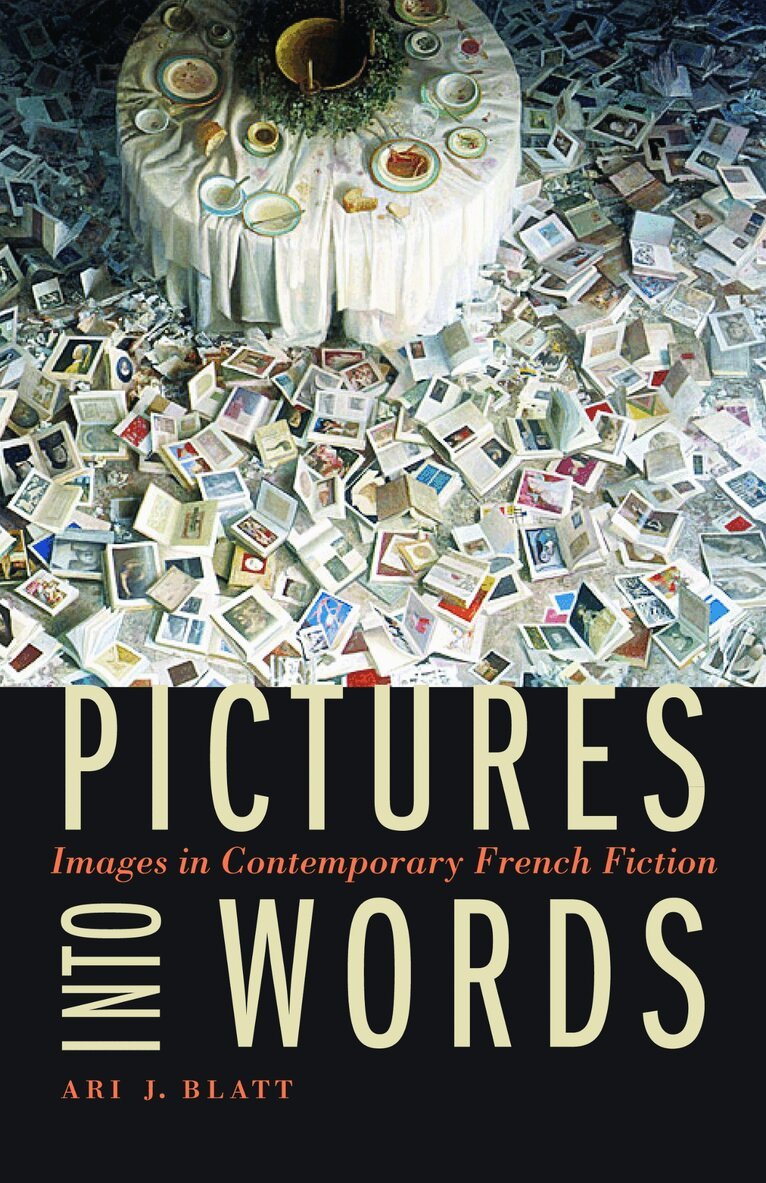
The explosive proliferation of pictures in advertising and pop culture, mass media, and cyberspace following World War II, along with the profusion of critical thinking that tries to make sense of it, has had wide-ranging implications for cultural production as such. Pictures into Words explores how this proliferation of graphic images has profoundly affected narrative writing in France, especially, as Ari J. Blatt argues, the structure, content, and symbolic logic of contemporary French fiction. By examining a specific corpus of narratives by authors Claude Simon, Georges Perec, Pierre Michon, and Tanguy Viel—books that originate amid, conjure up, and indeed are essentially about pictures—Blatt addresses the most salient questions pertaining to the relationship between literature and visual culture today. Each of the novels considered here engages the work of several postwar artists, from Robert Rauschenberg, Andy Warhol, Vincent van Gogh, and Orson Welles to Jeff Koons, Joseph L. Mankiewicz, Pierre Huyghe, and Marcel Duchamp. As Blatt's cross-disciplinary readings show, despite their gleeful raiding of the visual archive to generate and enrich their stories, many contemporary narratives that tell tales about pictures simultaneously express a cautious skepticism toward vision and visual representation. Pictures into Words examines how such novels, while seemingly complicit with the visual, simultaneously "write back" against the images they exploit, reclaiming some of literature's lost ground in our visually inundated world.
327 kr
Skickas inom 10-15 vardagar
Where would we be without flattery? Hobbes deemed it an honorable duty and Meredith called it the "finest of the arts." Alexander the Great applied it as imperial policy; Caesar and Cleopatra were masters of it; and Napoleon devoured it like candy. But flattery also has influential enemies. Cicero called flattery "the handmaid of vice" and Tacitus compared it to poison. In a work as erudite as it is entertaining, Willis Goth Regier looks into flattery as an element as flammable (and as taken for granted) as oxygen. Giving flattery light, attention, and care, Regier treats readers to hundreds of historical examples drawn from the highest social circles in politics, romance, and religion, from the courts of Byzantium and China to Paris, Rome, and Washington, DC. Because flattery must please, it is playful and creative, and Regier's book makes the most of it, moving with light steps, now and then pausing to take in the view. Ambitious flatterers even seek to flatter God, a practice Regier treats with trepidation. This is a book for those who would understand the history, tactics, and pleasures of flattery, not least the thrill of danger. "O, flatter me, for love delights in praises."—Shakespeare "The whole World and the Bus'ness of it, is Manag'd by Flattery and Paradox; the one sets up False Gods, and the other maintains them."—Sir Roger L'Estrange "Just praise is only a debt, but flattery is a present."—Samuel Johnson "In this disorganized society, in which the passions of the people are the sole real force, authority belongs to the party that understands how to flatter."—Hippolyte Taine
422 kr
Skickas inom 10-15 vardagar
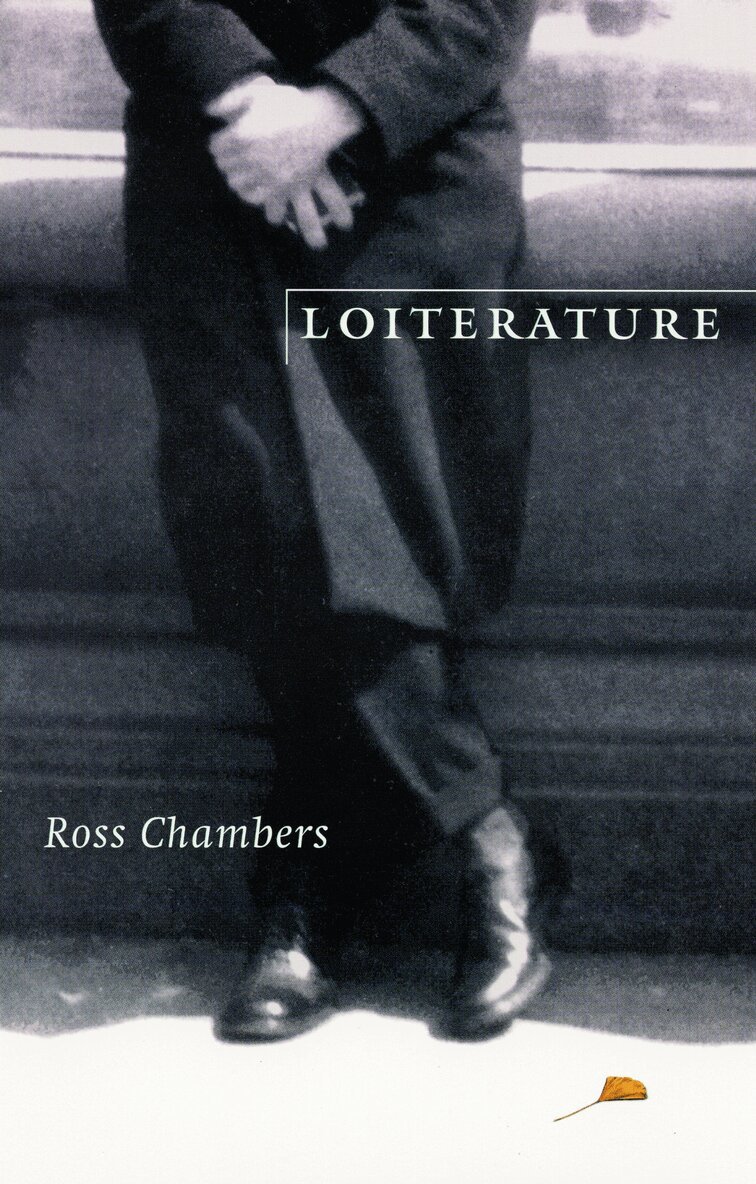
The fabric of the western literary tradition is not always predictable. In one wayward strand, waywardness itself is at work, delay becomes almost predictable, triviality is auspicious, and failure is cheerfully admired. This is loiterature. Loiterature is the first book to identify this strand, to follow its path through major works and genres, and to evaluate its literary significance. By offering subtle resistance to the laws of "good social order," loiterly literature blurs the distinctions between innocent pleasure and harmless relaxation on the one hand, and not-so-innocent intent on the other. The result is covert social criticism that casts doubt on the values good citizens hold dear—values like discipline, organization, productivity, and, above all, work. It levels this criticism, however, under the guise of innocent wit or harmless entertainment. Loiterature distracts attention the way a street conjurer diverts us with his sleight of hand. If the pleasurable has critical potential, may not one of the functions of the critical be to produce pleasure? The ability to digress, Ross Chambers suggests, is at the heart of both, and loiterature's digressive waywardness offers something to ponder for critics of culture as well as lovers of literature.
703 kr
Skickas
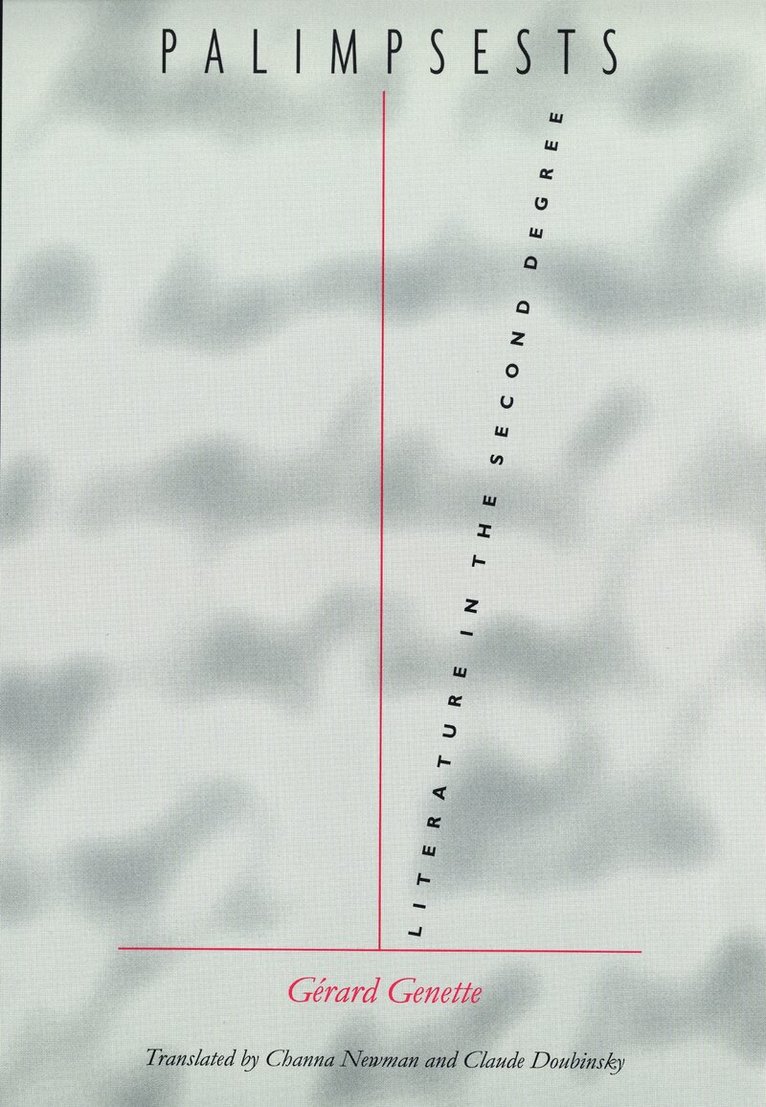
By definition, a palimpsest is "a written document, usually on vellum or parchment, that has been written upon several times, often with remnants of erased writing still visible." Palimpsests (originally published in France in 1982), one of Gérard Genette's most important works, examines the manifold relationships a text may have with prior texts. Genette describes the multiple ways a later text asks readers to read or remember an earlier one. In this regard, he treats the history and nature of parody, antinovels, pastiches, caricatures, commentary, allusion, imitations, and other textual relations. Gérard Genette is one of the most original and influential literary critics of modern France. He is the major practitioner of narratological criticism, a pioneer in structuralism, and a much-admired literary historian. Such works as Narrative Discourse and Mimologics (Nebraska 1995) have established his international reputation as a literary theorist of the first order.
483 kr
Skickas inom 10-15 vardagar
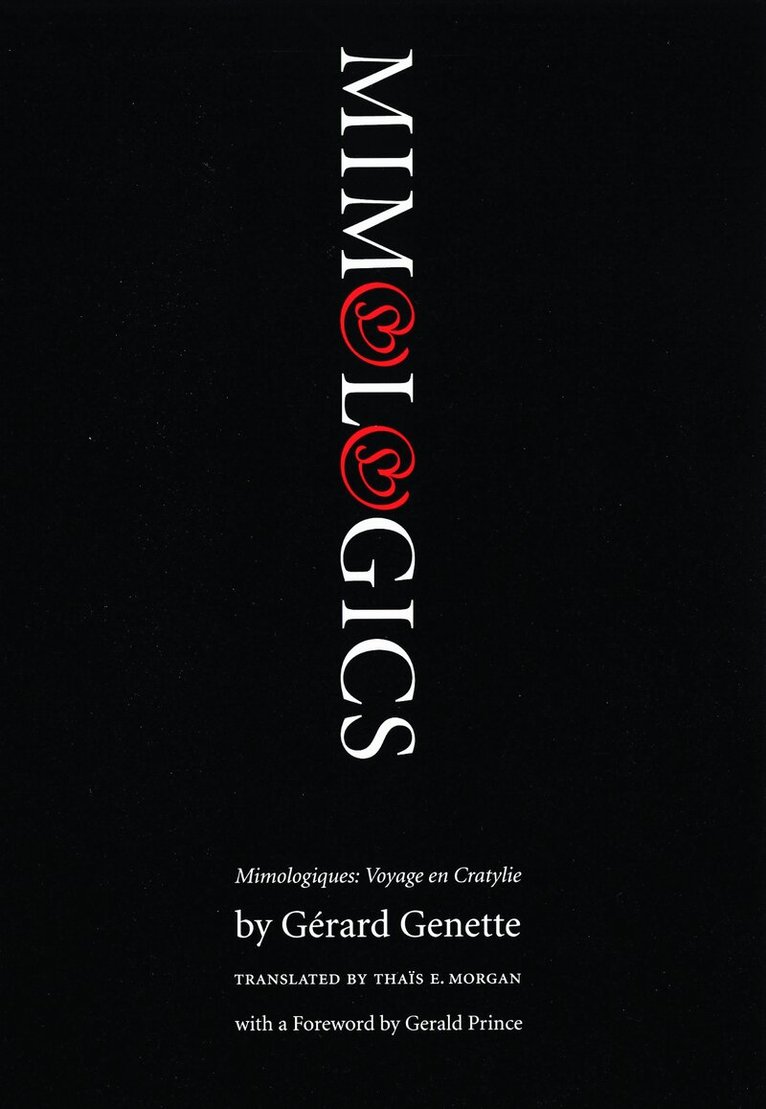
Do words—their sounds and shapes, their lengths and patterns—imitate the world? Mimology says they do. First argued in Plato's Cratylus more than two thousand years ago, mimology has left an important mark in virtually every major art and artistic theory thereafter. Fascinating and many-faceted, mimology is the basis of language sciences and incites occasional hilarity. Its complicated traditions require a sure grip but a light touch. One of the few scholars capable of giving mimology such genial attention is Gérard Genette. Genette treats matters as basic and staid as the alphabet and as reverberating as the letter R in ur-linguistics. Genette has emerged as one of the two or three chief literary critics of modern France. He is the major practitioner of narratological criticism, a pioneer in structuralism, and a much admired literary historian. His single most important book, Mimologics bridges mainstream literary history and Genette's expertise in critical method by undertaking an intensive study of the most vexed of literary problems: language as a representation of reality. Deeply learned, the book draws upon the traditions—both sane and eccentric—of philosophy, linguistics, poetics, and comparative literature.
299 kr
Skickas inom 10-15 vardagar
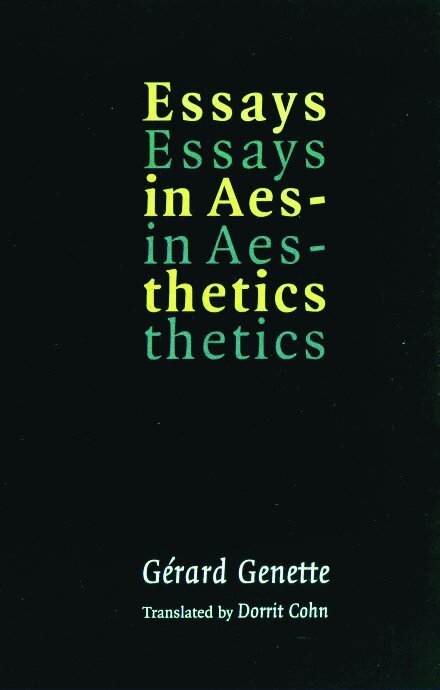
Over the course of the past forty years, Gérard Genette's work has profoundly influenced scholars of narratology, poetics, aesthetics, and literary and cultural criticism, and he continues to be one of France's most influential theorists. The eighteen pieces in Essays in Aesthetics are of international interest because they are concerned either with universal aesthetic problems (the receiver's relationship to an aesthetic object, abstract art, the role of repetition in aesthetics, genre theory, and the rapport between literature and music) or with specific moments in the work of a well-known writer or artist (such as Stendhal, Proust, Manet, Pissarro, and Canaletto). Essays in Aesthetics contains a wealth of material related to the appreciation of beauty by one of the subtlest and most original minds working in aesthetics today. Genette knows the fine arts as well as he knows literature and as a result has innovative things to say to readers in that field as well as to philosophers and literary scholars.
238 kr
Skickas inom 10-15 vardagar
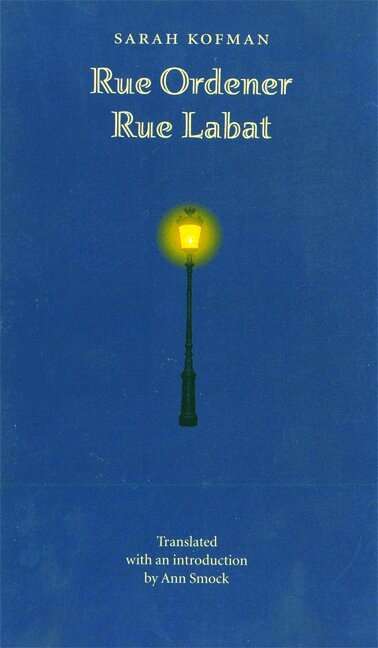
Rue Ordener, Rue Labat is a moving memoir by the distinguished French philosopher Sarah Kofman. It opens with the horrifying moment in July 1942 when the author's father, the rabbi of a small synagogue, was dragged by police from the family home on Rue Ordener in Paris, then transported to Auschwitz—"the place," writes Kofman, "where no eternal rest would or could ever be granted." It ends in the mid-1950s, when Kofman enrolled at the Sorbonne. The book is as eloquent as it is forthright. Kofman recalls her father and family in the years before the war, then turns to the terrors and confusions of her own childhood in Paris during the German occupation. Not long after her father's disappearance, Kofman and her mother took refuge in the apartment of a Christian woman on Rue Labat, where they remained until the Liberation. This bold woman, whom Kofman called Mémé, undoubtedly saved the young girl and her mother from the death camps. But Kofman's close attachment to Mémé also resulted in a rupture between mother and child that was never to be fully healed.This slender volume is distinguished by the author's clear prose, the carefully recounted horrors of her childhood, and the uncommon poise that came to her only with the passage of many years.
546 kr
Skickas inom 3-6 vardagar
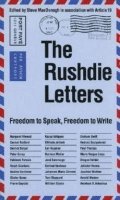
In February 1989 Ayatollah Ruhollah Khomeini of Iran announced that Salman Rushdie, author of The Satanic Verses, and ""all involved in its publication who were aware of its content, are sentenced to death."" Anyone who died in the cause of killing Rushdie, he said, would be ""regarded as a martyr and go directly to heaven."" The death sentence—or fatwa—quickly drew blood. Bookshops in London, Oslo, and Sydney were firebombed. Five people were killed and a hundred wounded when demonstrators attacked the U. S. embassy in Islamabad. In Bombay, twelve rioters were shot dead. The Italian translator of The Satanic Verses was stabbed viciously and the Japanese translator was stabbed to death. In Berkeley, bombs were thrown in Cody’s Bookstore and Waldenbooks. Fifth Avenue in New York was sealed off after a bookshop received a bomb threat.In The Rushdie Letters twenty-six internationally renowned authors respond to the most extreme example of censorship in modern times. Also included is Rushdie’s reply to their letters, his essay on exile, ""One Thousand Days in a Balloon,"" and a chronology of the fatwa.
314 kr
Skickas inom 10-15 vardagar
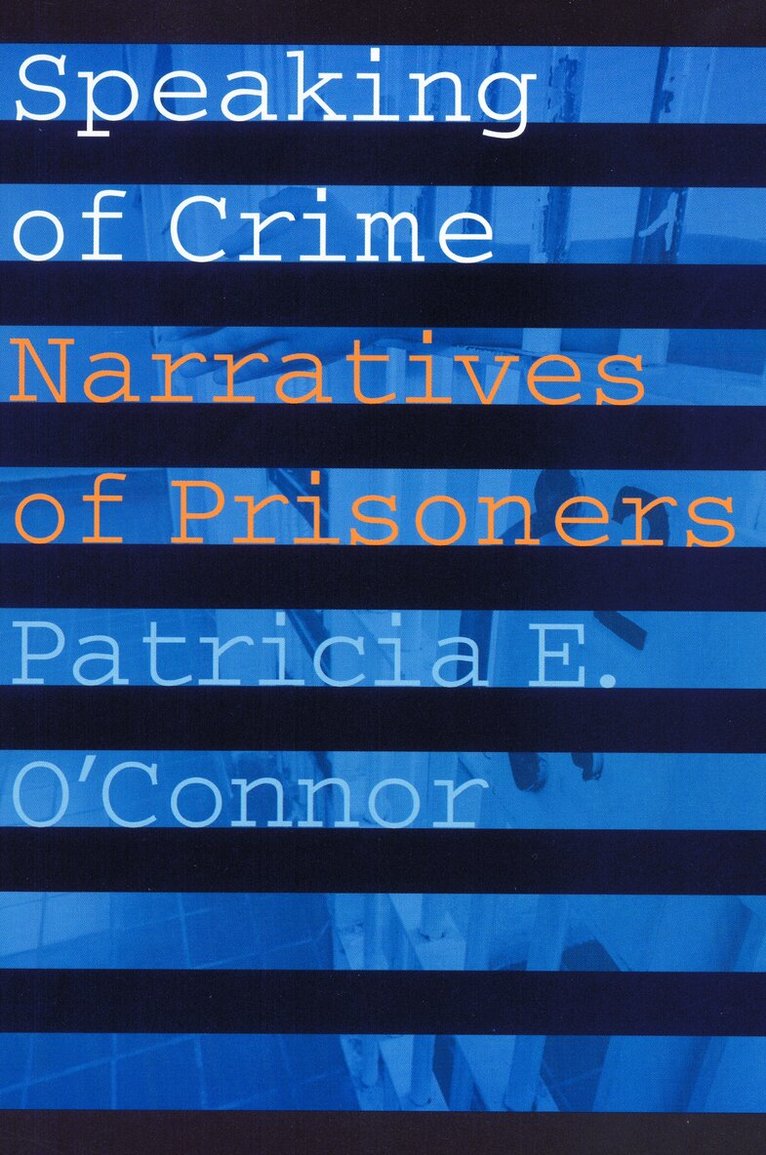
Speaking of Crime explores how inmates speak of their lives and in particular how they speak of crime. What is the power of speech for prisoners? What do their uses of pronouns and choices of verbs reveal about them, their experiences of violence, their relationships with other prisoners, and their likelihood for change? In this fascinating book, Patricia E. O'Connor probes beneath the surface of prison speech by examining over one hundred taped accounts of narratives of violence made by African-American inmates of a U.S. maximum security prison. The inmates' manner of speaking about their lives and acts of violence—not just what they talk about but how they talk about it—supplies important clues to their senses of identity and feelings of agency. The use of second-person pronouns when speaking about themselves and a reliance on distinctive verbal devices such as irony and constructed dialogue provide important insights into the way prisoners see their world and help condition how they interact with it.
831 kr
Skickas inom 10-15 vardagar
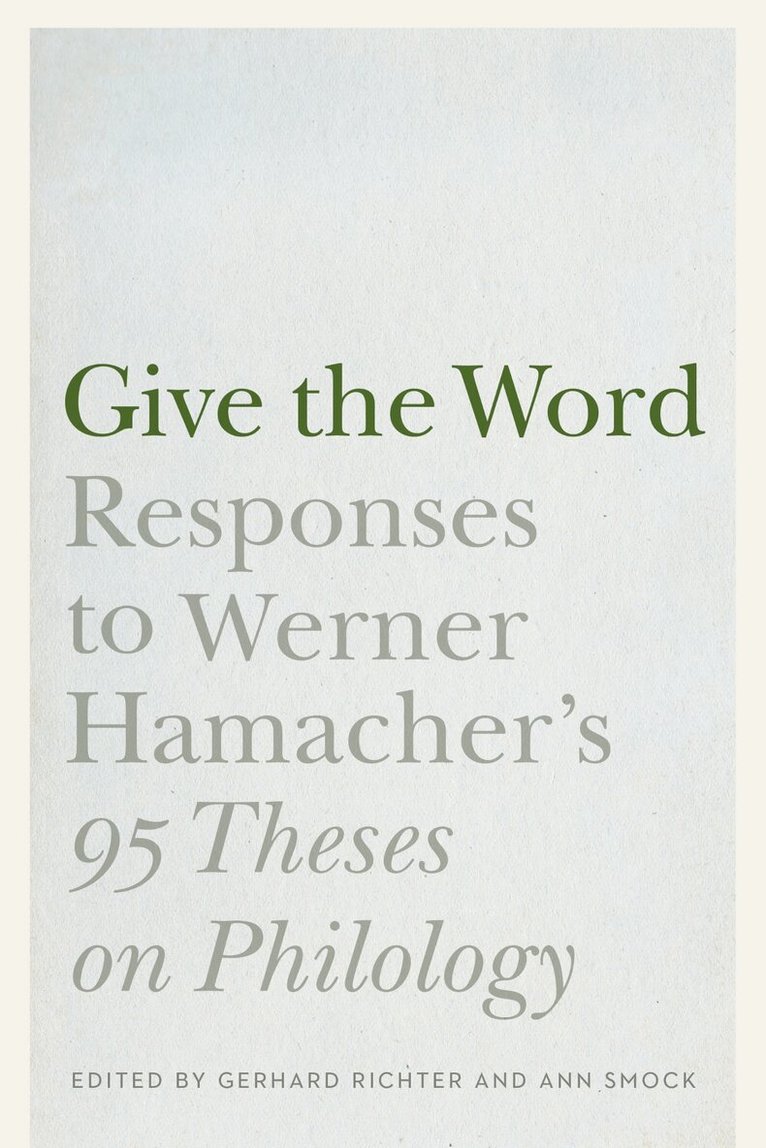
Werner Hamacher’s witty and elliptical 95 Theses on Philology challenges the humanities-and particularly academic philology-that assume language to be a given entity rather than an event. In Give the Word eleven scholars of literature and philosophy (Susan Bernstein, MichÈle Cohen-Halimi, Peter Fenves, Sean Gurd, Daniel Heller-Roazen, Jan Plug, Gerhard Richter, Avital Ronell, Thomas Schestag, Ann Smock, and Vincent van Gerven Oei) take up the challenge presented by Hamacher’s theses. At the close Hamacher responds to them in a spirited text that elaborates on the context of his 95 Theses and its rich theoretical and philosophical ramifications.The 95 Theses, included in this volume, makes this collection a rich resource for the study and practice of “radical philology.” Hamacher’s philology interrupts and transforms, parting with tradition precisely in order to remain faithful to its radical but increasingly occluded core.The contributors test Hamacher’s break with philology in a variety of ways, attempting a philological practice that does not take language as an object of knowledge, study, or even love. Thus, in responding to Hamacher’s Theses, the authors approach language that, because it can never be an object of any kind, awakens an unfamiliar desire. Taken together these essays problematize philological ontology in a movement toward radical reconceptualizations of labor, action, and historical time.