Studies in American Thought and Culture – serie
Visar alla böcker i serien Studies in American Thought and Culture. Handla med fri frakt och snabb leverans.
11 produkter
11 produkter
Inbunden, Engelska, 2007
335 kr
Skickas inom 10-15 vardagar
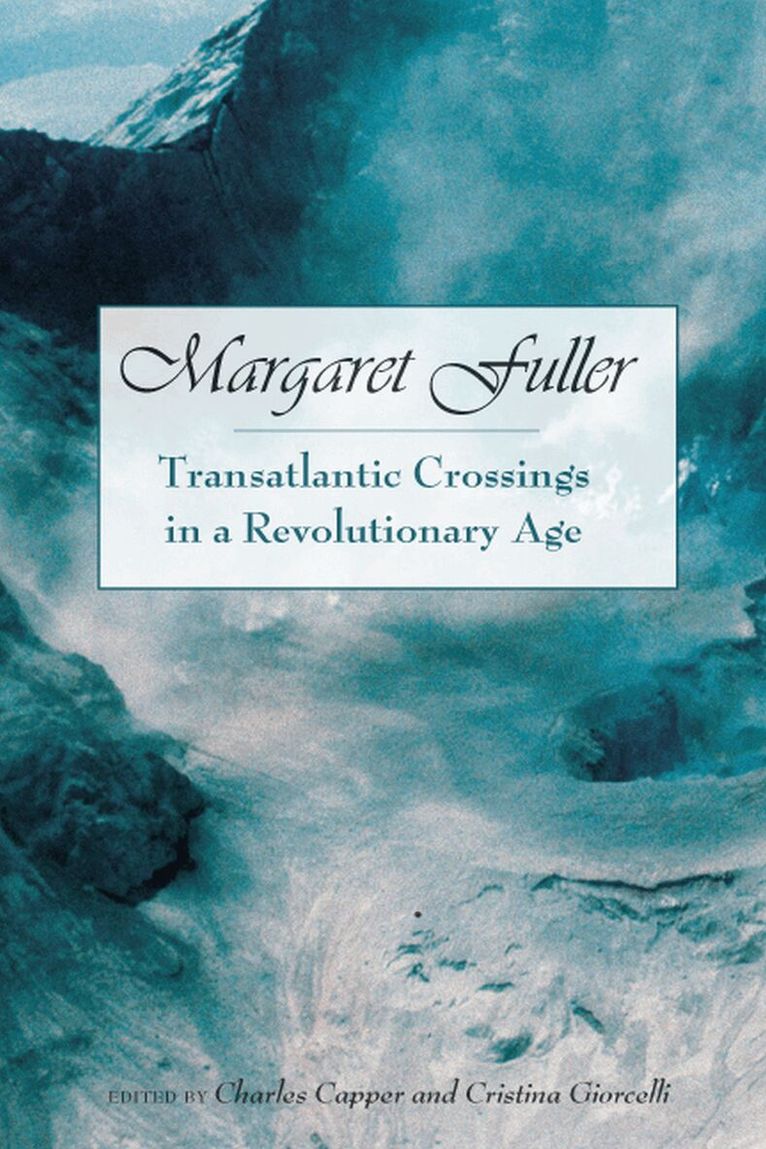
Margaret Fuller (1810-1850), a pioneering gender theorist, transcendentalist, journalist, and literary critic, was one of the most well-known and highly regarded feminist intellectuals of nineteenth-century America. With her contemporaries Ralph Waldo Emerson and Henry David Thoreau, she was one of the predominant writers of the Transcendentalist movement, and she aligned herself in both her public and private life with the European revolutionary fervor of the 1840s. She traveled to Italy as a foreign correspondent for the New York Tribune to cover the nascent revolutions, pursuing the transnational ideal awakened in her youth by a classical education in European languages and a Romantic curiosity about other cultures, traditions, and identities. This volume is a collaboration of international scholars who, from varied fields and approaches, assess Fuller's genius and character. Treating the last several years of Margaret Fuller's short life, these essays offer a truly international discussion of Fuller's unique cultural, political, and personal achievements. From the origins and articulations of Fuller's cosmopolitanism to her examination of ""the woman question,"" and from her fascination with the European ""other"" to her candid perception of imperial America from abroad, they ponder what such an extraordinary woman meant to America, and also to Italy and Europe, during her lifetime and continuing to the present.
Häftad, Engelska, 2008
274 kr
Skickas inom 10-15 vardagar
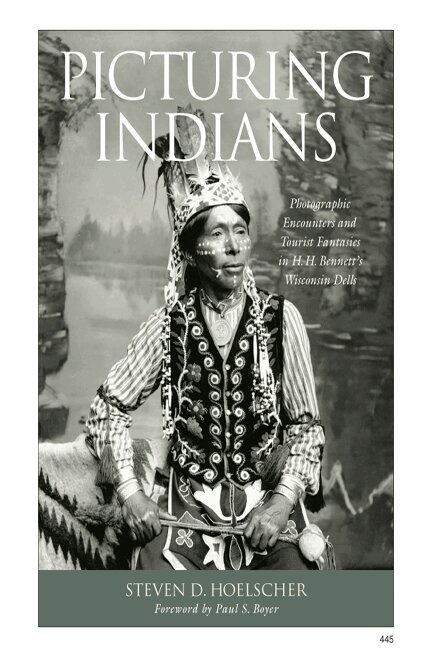
Today a tourist mecca, the area now known as the Wisconsin Dells was once wilderness - and a gathering place for the region's Native peoples, the Ho-Chunk, who for centuries migrated to this part of the Wisconsin River for both sustenance and spiritual renewal. By the late 1800s their numbers had dwindled through displacement or forcible removal, and it was this smaller band that caught the attention of photographer Henry Hamilton Bennett. Having built his reputation on his photographs of the Dells' steep gorges and fantastic rock formations, H. H. Bennett now turned his camera upon the Ho-Chunk themselves, and thus began the many-layered relationship unfolded by Steven D. Hoelscher in ""Picturing Indians: Photographic Encounters and Tourist Fantasies in H. H. Bennett's Wisconsin Dells"".The interactions between Indian and white man, photographer and photographed, suggested a relationship in which commercial motives and friendly feelings mixed, though not necessarily in equal measure. The Ho-Chunk resourcefully sought new ways to survive in the increasingly tourist-driven economy of the Dells. Bennett, struggling to keep his photography business alive, capitalized on America's comfortably nostalgic image of Native peoples as a vanishing race, no longer threatening and now safe for white consumption.Hoelscher traces these developments through letters, diaries, financial records, guidebooks, and periodicals of the day. He places Bennett within the context of contemporary artists and photographers of American Indians and examines the receptions of this legacy by the Ho-Chunk today. In the final chapter, he juxtaposes Bennett's depictions of Native Americans with the work of present-day Ho-Chunk photographer Tom Jones, who documents the lives of his own people with a subtlety and depth foreshadowed, a century ago, in the flickers of irony, injury, humor, and pride conveyed by his Ho-Chunk ancestors as they posed before the lens of a white photographer.
Inbunden, Engelska, 2008
401 kr
Skickas inom 10-15 vardagar
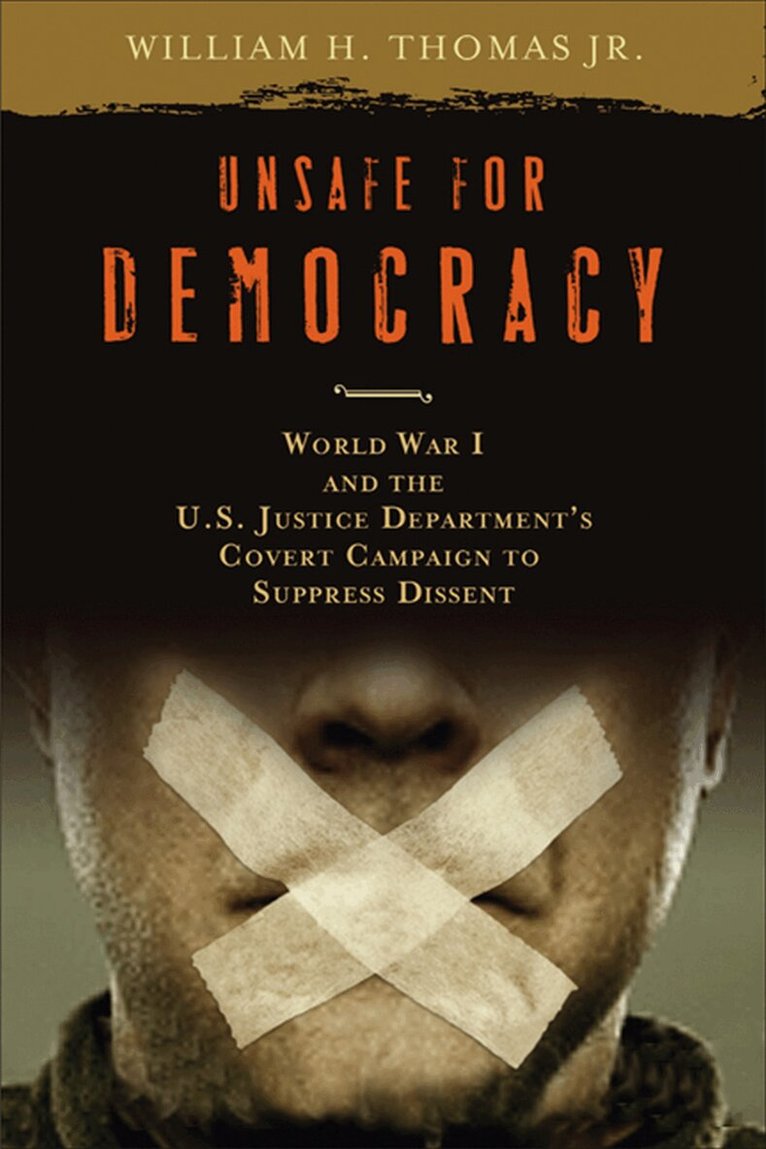
During the First World War it was the task of the U.S. Department of Justice, using the newly passed Espionage Act and its later Sedition Act amendment, to prosecute and convict those who opposed America's entry into the conflict. In ""Unsafe for Democracy"", historian William H. Thomas Jr. shows that the Justice Department did not stop at this official charge but went much further - paying cautionary visits to suspected dissenters, pressuring them to express support of the war effort, or intimidating them into silence. At times going under cover, investigators tried to elicit the unguarded comments of individuals believed to be a threat to the prevailing social order.In this massive yet largely secret campaign, agents cast their net wide, targeting isolationists, pacifists, immigrants, socialists, labor organizers, African Americans, and clergymen. The unemployed, the mentally ill, college students, schoolteachers, even schoolchildren, all might come under scrutiny, often in the context of the most trivial and benign activities of daily life.Delving into numerous reports by Justice Department detectives, Thomas documents how, in case after case, they used threats and warnings to frighten war critics and silence dissent. This early government crusade for wartime ideological conformity, Thomas argues, marks one of the more dubious achievements of the Progressive Era - and a development that resonates in the present day.
Häftad, Engelska, 2009
274 kr
Skickas inom 10-15 vardagar
During World War I it was the task of the U.S. Department of Justice, using the newly passed Espionage Act and its later Sedition Act amendment, to prosecute and convict those who opposed America's entry into the conflict. In ""Unsafe for Democracy"", historian William H. Thomas Jr. shows that the Justice Department did not stop at this official charge but went much further - paying cautionary visits to suspected dissenters, pressuring them to express support of the war effort, or intimidating them into silence. At times going undercover, investigators tried to elicit the unguarded comments of individuals believed to be a threat to the prevailing social order. In this massive yet largely secret campaign, agents cast their net wide, targeting isolationists, pacifists, immigrants, socialists, labor organizers, African Americans, and clergymen. The unemployed, the mentally ill, college students, schoolteachers, even schoolchildren, all might come under scrutiny, often in the context of the most trivial and benign activities of daily life. Delving into numerous reports by Justice Department detectives, Thomas documents how, in case after case, they used threats and warnings to frighten war critics and silence dissent. This early government crusade for wartime ideological conformity, Thomas argues, marks one of the more dubious achievements of the Progressive Era - and a development that resonates in the present day.
Inbunden, Engelska, 2008
401 kr
Skickas inom 10-15 vardagar
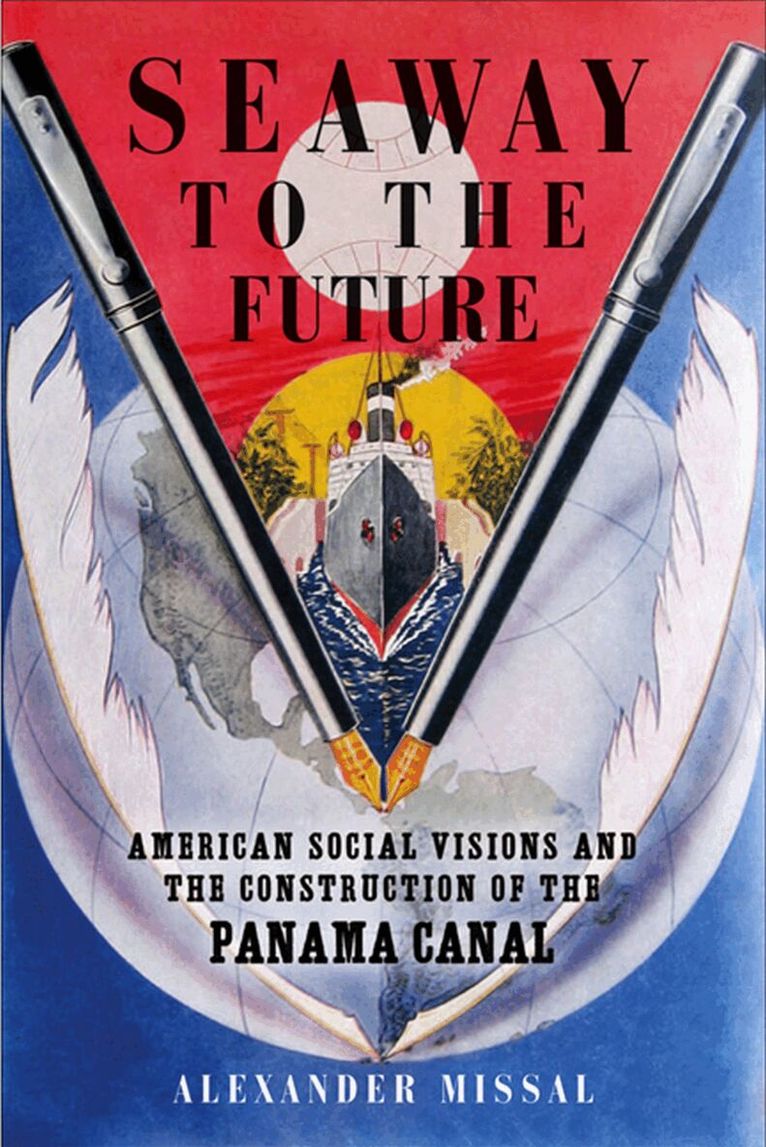
Realizing the centuries-old dream of a passage to India, the building of the Panama Canal was an engineering feat of colossal dimensions, a construction site filled not only with mud and water but with interpretations, meanings, and social visions. Alexander Missal's ""Seaway to the Future"" unfolds a cultural history of the Panama Canal project, revealed in the texts and images of the era's policymakers and commentators. Observing its creation, journalists, travel writers, and officials interpreted the Canal and its environs as a perfect society under an efficient, authoritarian management featuring innovations in technology, work, health, and consumption.For their middle-class audience in the United States, the writers depicted a foreign yet familiar place, a showcase for the future - images reinforced in the exhibits of the 1915 Panama-Pacific International Exposition that celebrated the Canal's completion. Through these depictions, the building of the Panama Canal became a powerful symbol in a broader search for order as Americans looked to the modern age with both anxiety and anticipation.Like most utopian visions, this one aspired to perfection at the price of exclusion. Overlooking the West Indian laborers who built the Canal, its admirers praised the white elite that supervised and administered it. Inspired by the masculine ideal personified by President Theodore Roosevelt, writers depicted the Canal Zone as an emphatically male enterprise and Chief Engineer George W. Goethals as the emblem of a new type of social leader, the engineer-soldier, the benevolent despot. Examining these and other images of the Panama Canal project, ""Seaway to the Future"" shows how they reflected popular attitudes toward an evolving modern world and, no less important, helped shape those perceptions.
Häftad, Engelska, 2009
322 kr
Skickas inom 10-15 vardagar
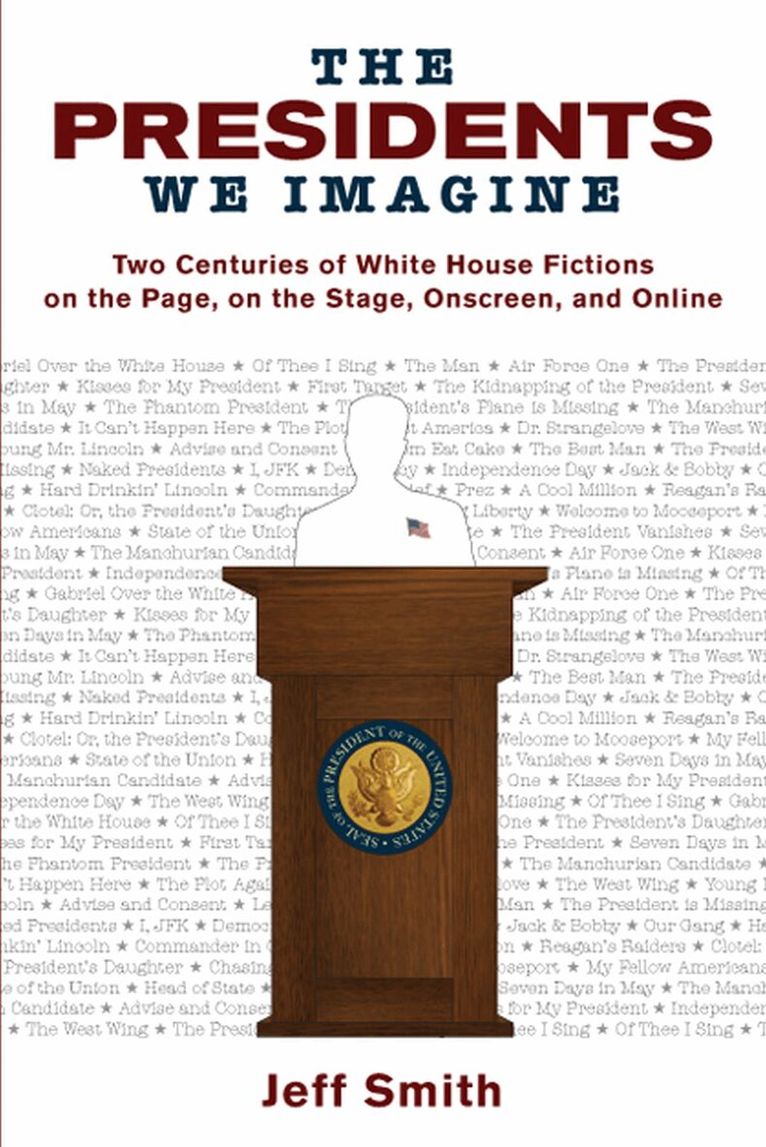
In such popular television series as ""The West Wing"" and ""24"", in thrillers like Tom Clancy's novels, and in recent films, plays, graphic novels, and internet cartoons, America has been led by an amazing variety of chief executives. Some of these are real presidents who have been fictionally reimagined. Others are 'might-have-beens' like Philip Roth's President Charles Lindbergh. Many more have never existed except in some storyteller's mind. In ""The Presidents We Imagine"", Jeff Smith examines the presidency's ever-changing place in the American imagination. Ranging across different media and analyzing works of many kinds, some familiar and some never before studied, he explores the evolution of presidential fictions, their central themes, the impact on them of new and emerging media, and their largely unexamined role in the nation's real politics. Smith traces fictions of the presidency from the plays and polemics of the eighteenth century - when the new office was born in what Alexander Hamilton called 'the regions of fiction' - to the digital products of the twenty-first century, with their seemingly limitless user-defined ways of imagining the world's most important political figure. Students of American culture and politics, as well as readers interested in political fiction and film, will find here a colorful, indispensable guide to the many surprising ways Americans have been 'representing' presidents even as those presidents have represented them.
Häftad, Engelska, 2009
321 kr
Skickas inom 10-15 vardagar
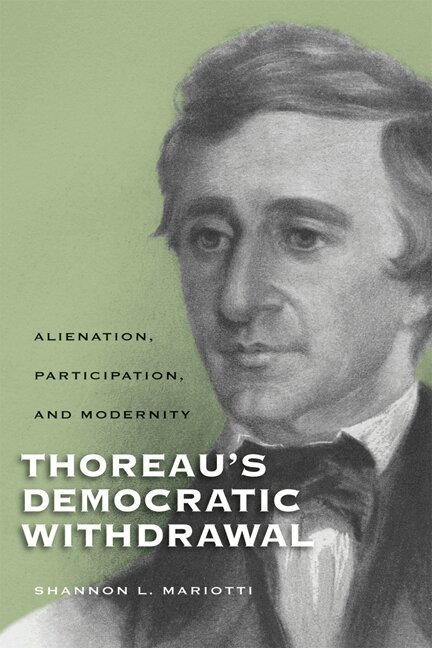
Best known for his two-year sojourn at Walden Pond in Massachusetts, Henry David Thoreau is often considered a recluse who emerged from solitude only occasionally to take a stand on the issues of his day. In Thoreau's ""Democratic Withdrawal"", Shannon L. Mariotti explores Thoreau's nature writings to offer a new way of understanding the unique politics of the so-called hermit of Walden Pond. Drawing imaginatively from the twentieth-century German social theorist Theodor W. Adorno, she shows how withdrawal from the public sphere can paradoxically be a valuable part of democratic politics. Separated by time, space, and context, Thoreau and Adorno share a common belief that critical inquiry is essential to democracy but threatened by modern society. While walking, huckleberrying, and picking wild apples, Thoreau tries to recover the capacities for independent perception and thought that are blunted by 'Main Street', conventional society, and the rapidly industrializing world that surrounded him. Adorno's thoughts on particularity and the microscopic gaze he employs to work against the alienated experience of modernity help us better understand the value of Thoreau's excursions into nature. ""Reading Thoreau with Adorno"", we see how periodic withdrawals from public spaces are not necessarily apolitical or apathetic but can revitalize our capacity for the critical thought that truly defines democracy. In graceful, readable prose, Mariotti reintroduces us to a celebrated American thinker, offers new insights on Adorno, and highlights the striking common ground they share. Their provocative and challenging ideas, she shows, still hold lessons on how we can be responsible citizens in a society that often discourages original, critical analysis of public issues.
Häftad, Engelska, 2009
321 kr
Skickas inom 10-15 vardagar
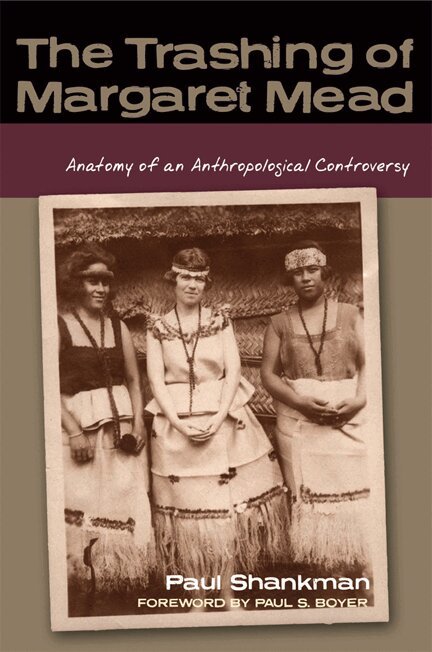
In 1928 Margaret Mead published ""Coming of Age in Samoa"", a fascinating study of the lives of adolescent girls that transformed Mead herself into an academic celebrity. In 1983 anthropologist Derek Freeman published a scathing critique of Mead's Samoan research, badly damaging her reputation. Resonating beyond academic circles, his case against Mead tapped into important public concerns of the 1980s, including sexual permissiveness, cultural relativism, and the nature/nurture debate. In venues from the ""New York Times"" to the TV show ""Donahue"", Freeman argued that Mead had been 'hoaxed' by Samoans whose innocent lies she took at face value. In ""The Trashing of Margaret Mead"", Paul Shankman explores the many dimensions of the Mead-Freeman controversy as it developed publicly and as it played out privately, including the personal relationships, professional rivalries, and larger-than-life personalities that drove it. Providing a critical perspective on Freeman's arguments, Shankman reviews key questions about Samoan sexuality, the alleged hoaxing of Mead, and the meaning of the controversy. Why were Freeman's arguments so readily accepted by pundits outside the field of anthropology? What did Samoans themselves think? Can Mead's reputation be salvaged from the quicksand of controversy? Written in an engaging, clear style and based on a careful review of the evidence, ""The Trashing of Margaret Mead"" illuminates questions of enduring significance to the academy and beyond.
Häftad, Engelska, 2012
297 kr
Skickas inom 10-15 vardagar
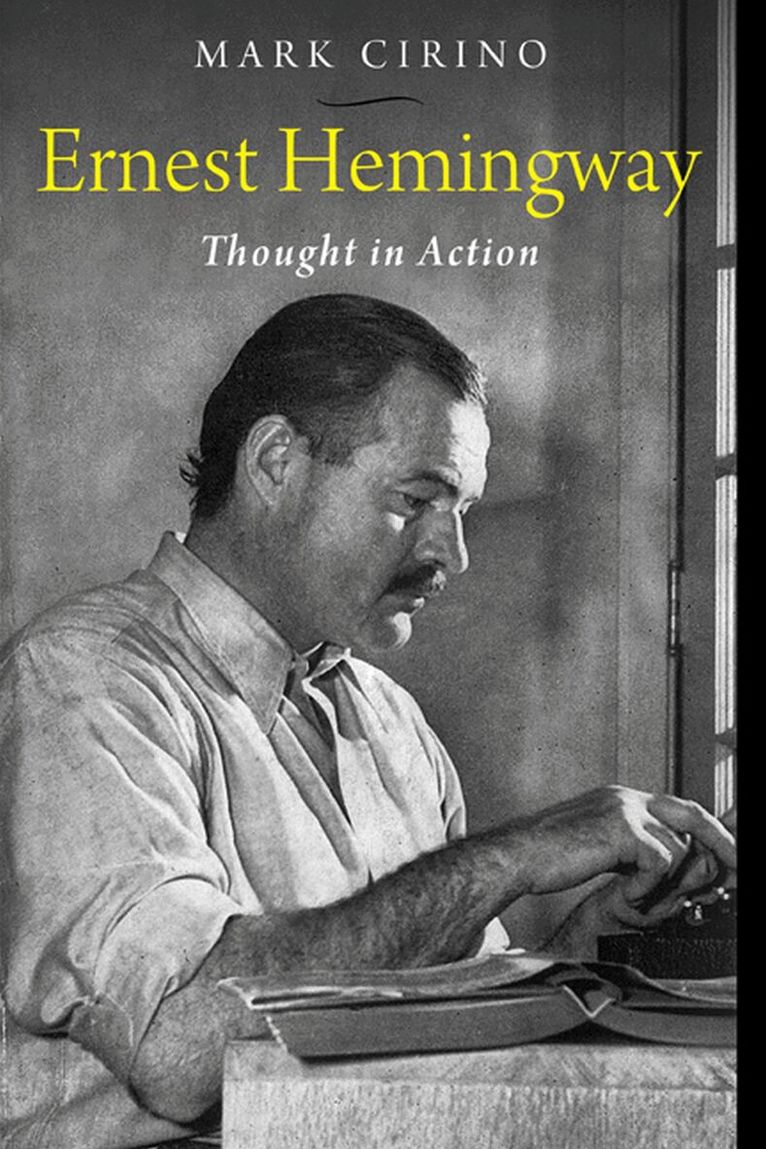
Ernest Hemingway's groundbreaking prose style and examination of timeless themes made him one of the most important American writers of the twentieth century. Yet in Ernest Hemingway: Thought in Action, Mark Cirino observes, 'Literary criticism has accused Hemingway of many things but thinking too deeply is not one of them.' Although much has been written about the author's love of action--hunting, fishing, drinking, bullfighting, boxing, travel, and the moveable feast--Cirino looks at Hemingway's focus on the modern mind, paralleling the interest in consciousness of such predecessors and contemporaries as Proust, Joyce, Woolf, Faulkner, and Henry James. Hemmingway, Cirino demonstrates, probes the ways his character's minds respond when placed in urgent situations or when damaged by past traumas. In Cirino's analysis of Hemingway's work through this lens--including such celebrated classics as A Farewell to Arms, The Old Man and the Sea, and 'Big Two-Hearted River' and less-appreciated works including Islands in the Stream and 'Because I Think Deeper'--an entirely different Hemingway hero emerges: intelligent, introspective, and ruminative.
Häftad, Engelska, 2013
399 kr
Skickas inom 10-15 vardagar
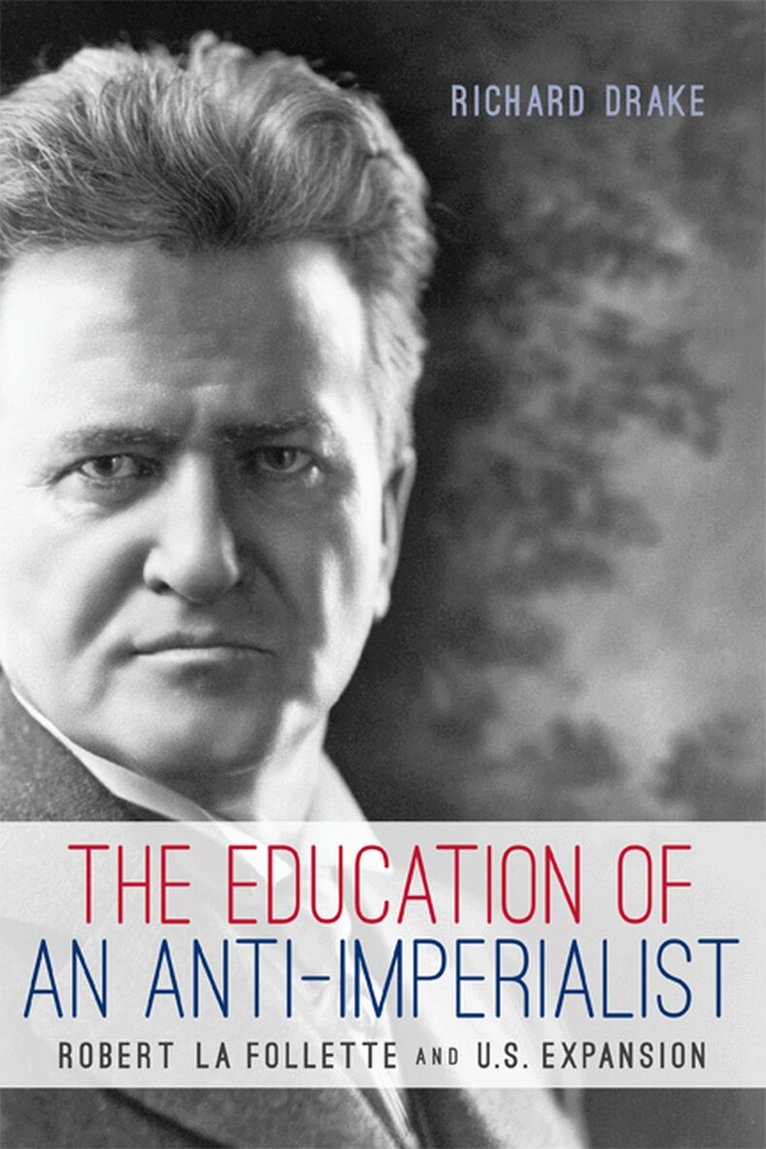
Robert M. La Follette (1855–1925), the Republican senator from Wisconsin, is best known as a key architect of American Progressivism and as a fiery advocate for liberal politics in the domestic sphere. But ""Fighting Bob"" did not immediately come to a progressive stance on foreign affairs.In The Education of an Anti-Imperialist, Richard Drake follows La Follette's growth as a critic of America's wars and the policies that led to them. He began his political career with conventional Republican views of the era on foreign policy, avidly supporting the Spanish-American and Philippine-American Wars. La Follette's critique of empire emerged in 1910, during the first year of the Mexican Revolution, as he began to perceive a Washington–Wall Street alliance in the United States' dealings with Mexico. La Follette subsequently became Congress's foremost critic of Woodrow Wilson, fiercely opposing United States involvement in World War I. Denounced in the American press as the most dangerous man in the country, he became hated and vilified by many but beloved and admired by others.La Follette believed that financial imperialism and its necessary instrument, militarism, caused modern wars. He contended they were twin evils that would have ruinous consequences for the United States and its citizens in the twentieth century and beyond.
Häftad, Engelska, 2014
321 kr
Skickas inom 10-15 vardagar
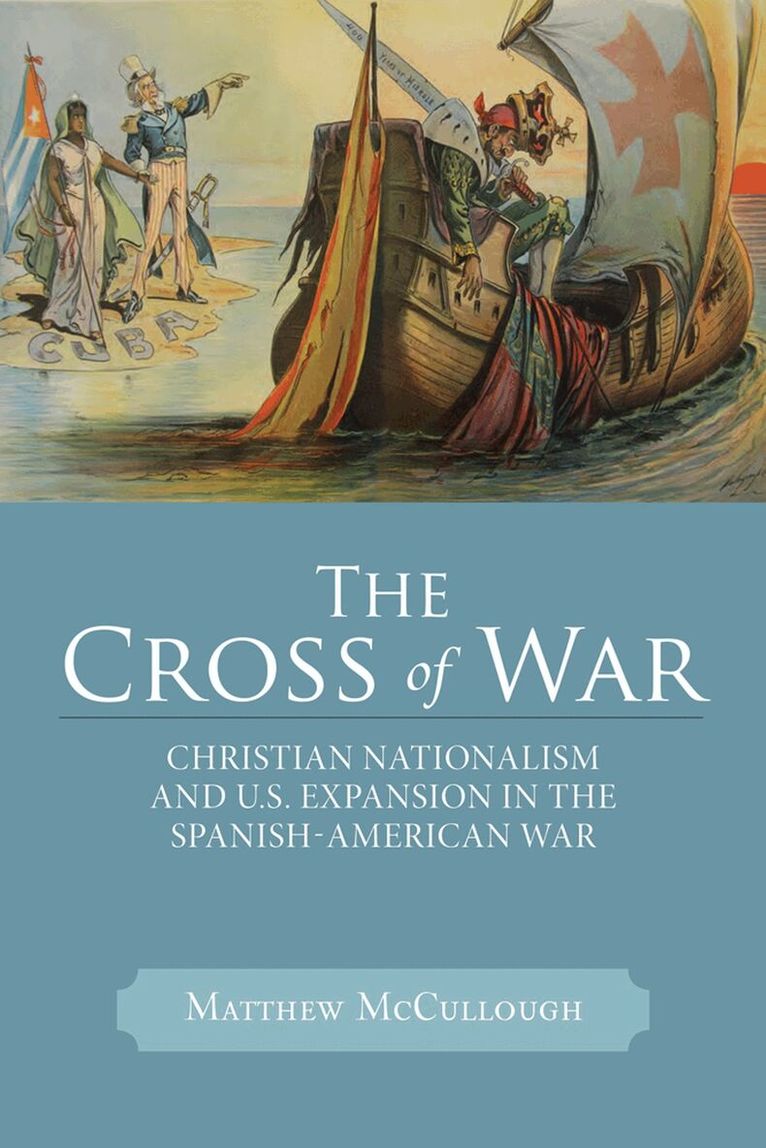
The Cross of War documents the rise of “messianic interventionism”—the belief that America can and should intervene altruistically on behalf of other nations. This stance was first embraced in the Spanish-American War of 1898, a war that marked the dramatic emergence of the United States as an active world power and set the stage for the foreign policy of the next one hundred years. Responding to the circumstances of this war, an array of Christian leaders carefully articulated and defended the notion that America was responsible under God to extend freedom around the world—by force, if necessary. Drawing from a wide range of sermons and religious periodicals across regional and denominational lines, Matthew McCullough describes the ways that many American Christians came to celebrate military intervention as a messianic sacrifice, to trace the hand of God in a victory more painless and complete than anyone had imagined, and to justify the new shift in American foreign policy as a divine calling.