Studies in Dance: Theories and Practices - Böcker
Visar alla böcker i serien Studies in Dance: Theories and Practices. Handla med fri frakt och snabb leverans.
16 produkter
16 produkter
370 kr
Skickas inom 7-10 vardagar
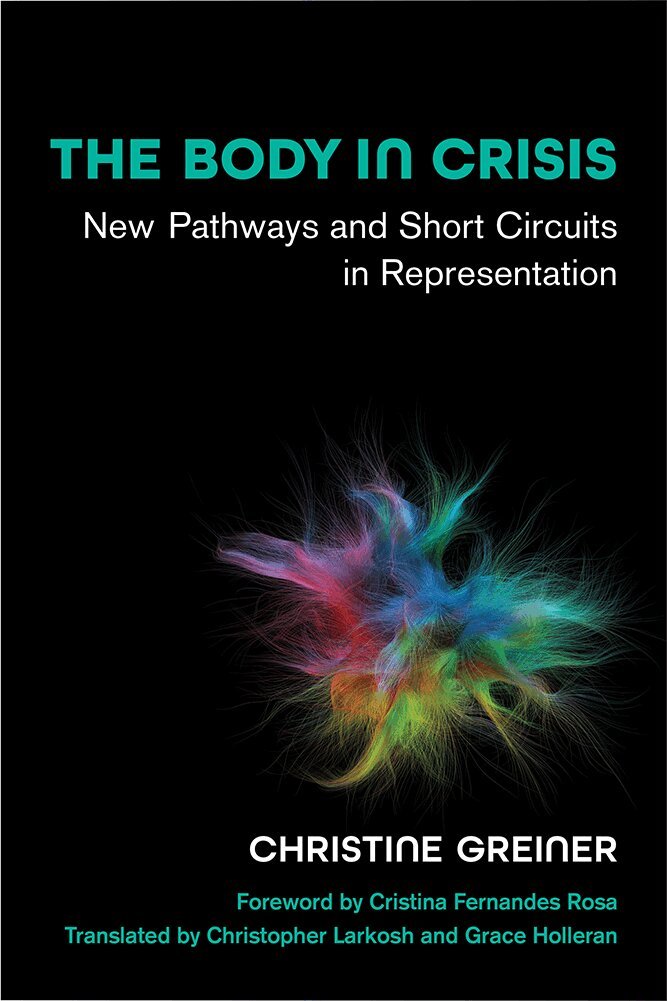
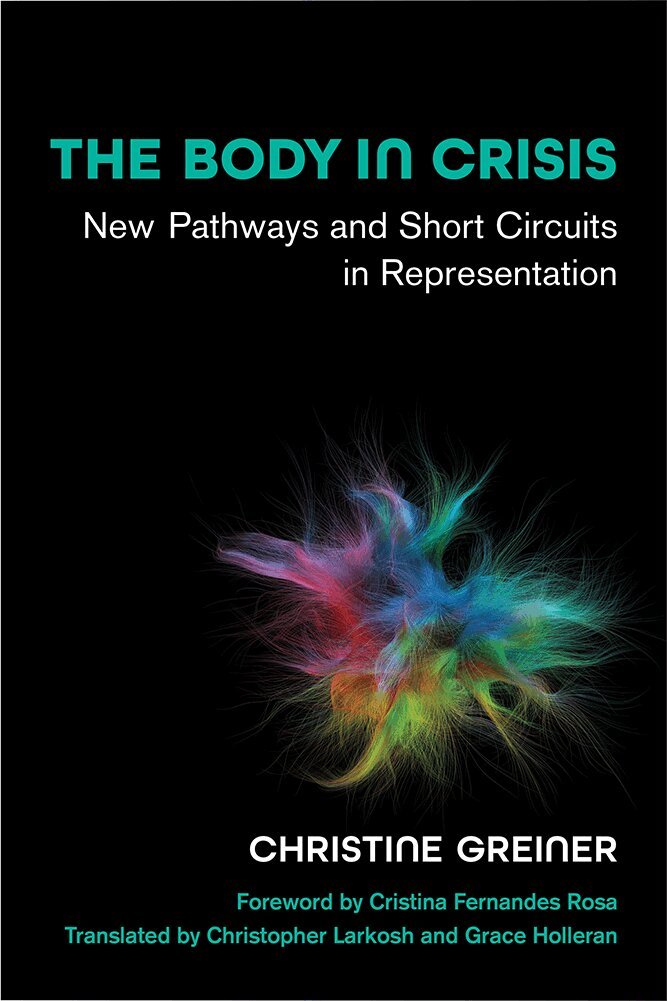
The Body in Crisis introduces the English-speaking world to the work of leading Latin American dance scholar and philosopher of the body, Christine Greiner. The book offers an innovative set of tools with which to examine the role of moving bodies and bodily actions in relation to worldwide concerns, including identity politics, alterity, migration, and belonging. The book places the concept of bodymedium in dialogue with the work of Giorgio Agamben to investigate notions of alterity, and shows how an understanding of the body-environment continuum can shed light on things left unnamed and at the margins. Greiner’s analyses draw from a broad range of theory concerned with the epistemology of the body, including cognitive science, political philosophy, evolutionary biology, and performance studies to illuminate radical experiences that question the limits of the body. Her analysis of the role that bodies play in negotiations of power relations offers an original and unprecedented contribution to the field of dance studies and expands its scope to recognize theoretical models of inquiry developed in the Global South.
486 kr
Skickas inom 7-10 vardagar
Dancing on the Fault Lines of History collects essential essays by Susan Manning, one of the founders of critical dance studies, recounting her career writing and rewriting the history of modern dance. Three sets of keywords—gender and sexuality, whiteness and Blackness, nationality and globalization—illuminate modern dance histories from multiple angles, coming together in varied combinations, shifting positions from foreground to background. Among the many artists discussed are Isadora Duncan, Vaslav Nijinsky, Ted Shawn, Helen Tamiris, Katherine Dunham, José Limón, Pina Bausch, Reggie Wilson, and Nelisiwe Xaba. Calling for a comparative and transnational historiography, Manning ends with an extended case study of Mary Wigman’s multidimensional exchange with artists from Indonesia, India, China, Korea, and Japan. Like the artists at the center of her research, Manning’s writing dances on the fault lines of history. Her introduction and annotations to the essays reflect on how and why these keywords became central to her research, revealing the autobiographical resonances of her scholarship as she confronts the cultural politics of the late twentieth and early twenty-first centuries.
486 kr
Skickas inom 7-10 vardagar
In Corporeal Politics, leading international scholars investigate the development of dance as a deeply meaningful and complex cultural practice across time, placing special focus on the intertwining of East Asia dance and politics and the role of dance as a medium of transcultural interaction and communication across borders. Countering common narratives of dance history that emphasize the US and Europe as centers of origin and innovation, the expansive creativity of dance artists in East Asia asserts its importance as a site of critical theorization and reflection on global artistic developments in the performing arts.Through the lens of “corporeal politics”—the close attention to bodily acts in specific cultural contexts—each study in this book challenges existing dance and theater histories to re-investigate the performer's role in devising the politics and aesthetics of their performance, as well as the multidimensional impact of their lives and artistic works. Corporeal Politics addresses a wide range of performance styles and genres, including dances produced for the concert stage, as well as those presented in popular entertainments, private performance spaces, and street protests.
370 kr
Skickas inom 7-10 vardagar
Kinethic California: Dancing Funk and Disco Era Kinships documents the emergence of new forms of black social and vernacular dance invented by youth living in 1970s California, who helped build the foundations of contemporary hip hop/streetdance culture. Naomi Macalalad Bragin weaves interviews and ethnographies of first-generation (1960s-70s) dancers of strutting, boogaloo, robotting, popping, locking, waacking, and punking styles, as it advances a theory of dance as kinetic kinship formation through a focus on techniques and practices of the dancers themselves. She offers that the term given to these collective movement practices is kinethic to bring attention to motion at the core of black aesthetics that generate dances as forms of kinship beyond blood relation. Kinethics reorient dancers toward kinetic kinship in ways that give continuity to black dance lineages under persistent conditions of disappearance and loss. As dancers engage kinethics, they reinvent gestural vocabularies that describe worlds they imagine into knowing-being.The stories in Kinethic California attend to the aesthetics of everyday movement, seen through the lens of young artists who, from childhood, listened to their family’s soul and funk records, observed the bent-leg strolls and rhythmic handshakes of people moving through their neighborhoods, and watched each other move at house parties, school gyms, and around-the-way social clubs. Their aesthetic sociality and geographic movement provided materials for collective study and creative play. Bragin attends to such multidirectional conversations between dancer, community, and tradition, by which California dance lineages emerge and take flight.
544 kr
Skickas inom 7-10 vardagar
This first-of-its-kind book brings together writing by artists and scholars to survey the lively field of Puerto Rican experimental dance across four decades. Originally published as Habitar lo Imposible, the translation in English features essays, artist statements, and interviews plus more than 100 photos of productions, programs, posters, and scores. Throughout, Inhabiting the Impossible provides fresh, invaluable perspectives on experimentation in dance as a sustained practice that has from the start deeply engaged issues of race, gender, sexuality, and politics. The book is also enhanced by a bibliographic section with detailed resources for further study.
Performing the Greek Crisis
Navigating National Identity in the Age of Austerity
Häftad, Engelska, 2024
428 kr
Skickas inom 7-10 vardagar
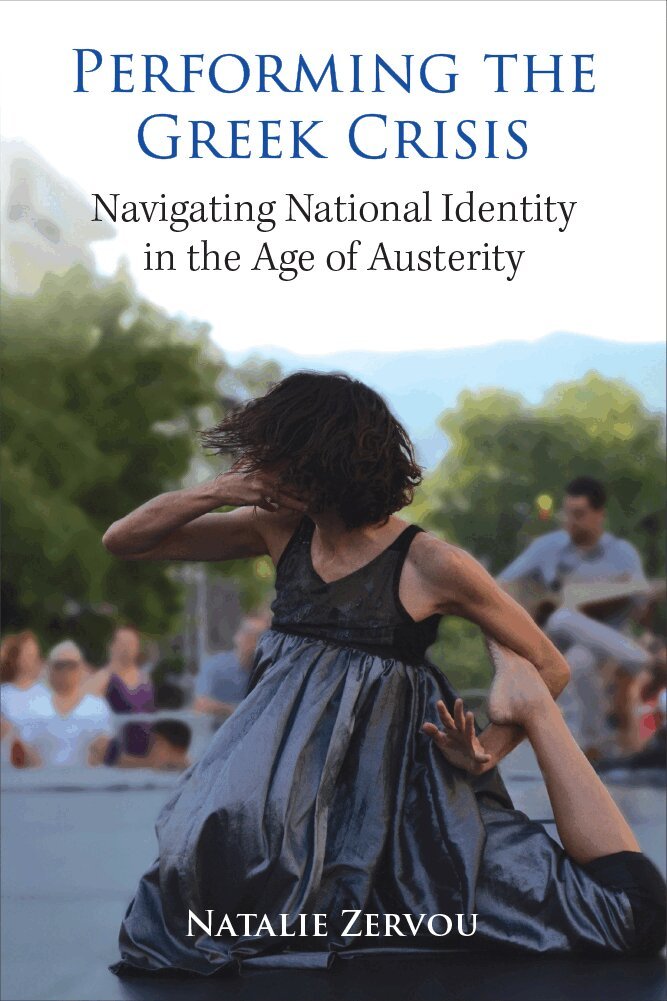
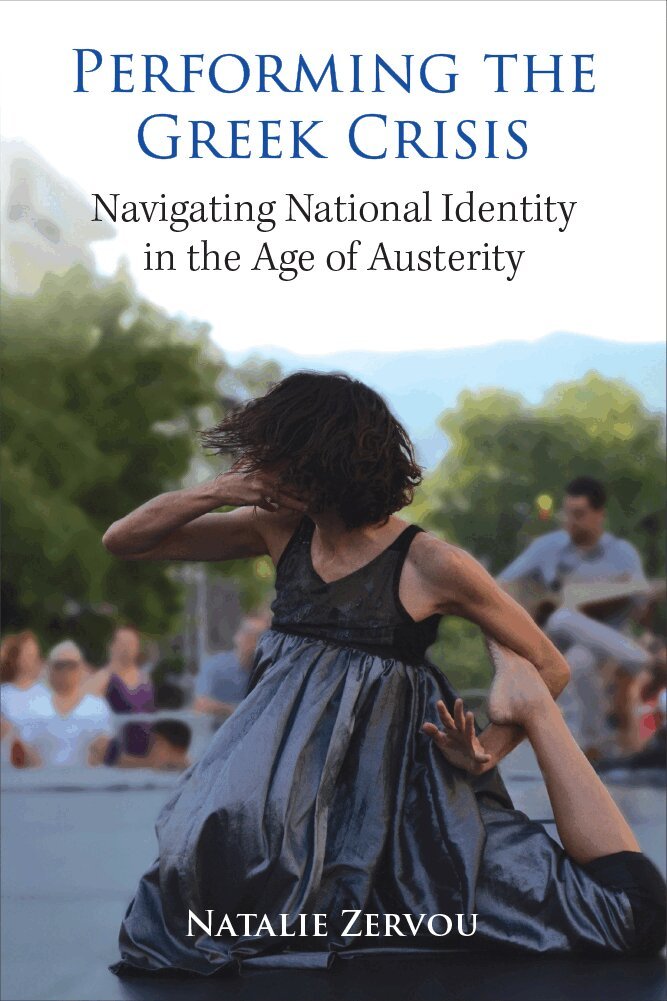
Performing the Greek Crisis explores the impact of the Greek financial crisis (2009–19) on the performing arts sector in Greece, and especially on contemporary concert dance. When Greece became the first European Union member to be threatened with default, the resulting budget cuts pushed dance to develop in unprecedented directions. The book examines the repercussions that the crisis had on artists’ daily lives and experiences, weaving the personal with the political to humanize a phenomenon that, to date, had been examined chiefly through economic and statistical lenses. Informed by the author’s experience of growing up in Greece and including interviews and rich descriptions of performances, the book offers a glimpse into a pivotal moment in Greek history. In Greece, dance (and, by extension, the body) has historically held a central role in the process of national identity construction. When the crisis broke out, artists had to navigate through a precariously fluctuating landscape, with their bodies as their only stable referent. By centering the analysis of the Greek crisis on the dancing bodies, Performing the Greek Crisis is able to examine the various ways that artists reconceptualized their history and reframed ideas of national belonging, race, citizenship, and immigration.
533 kr
Kommande
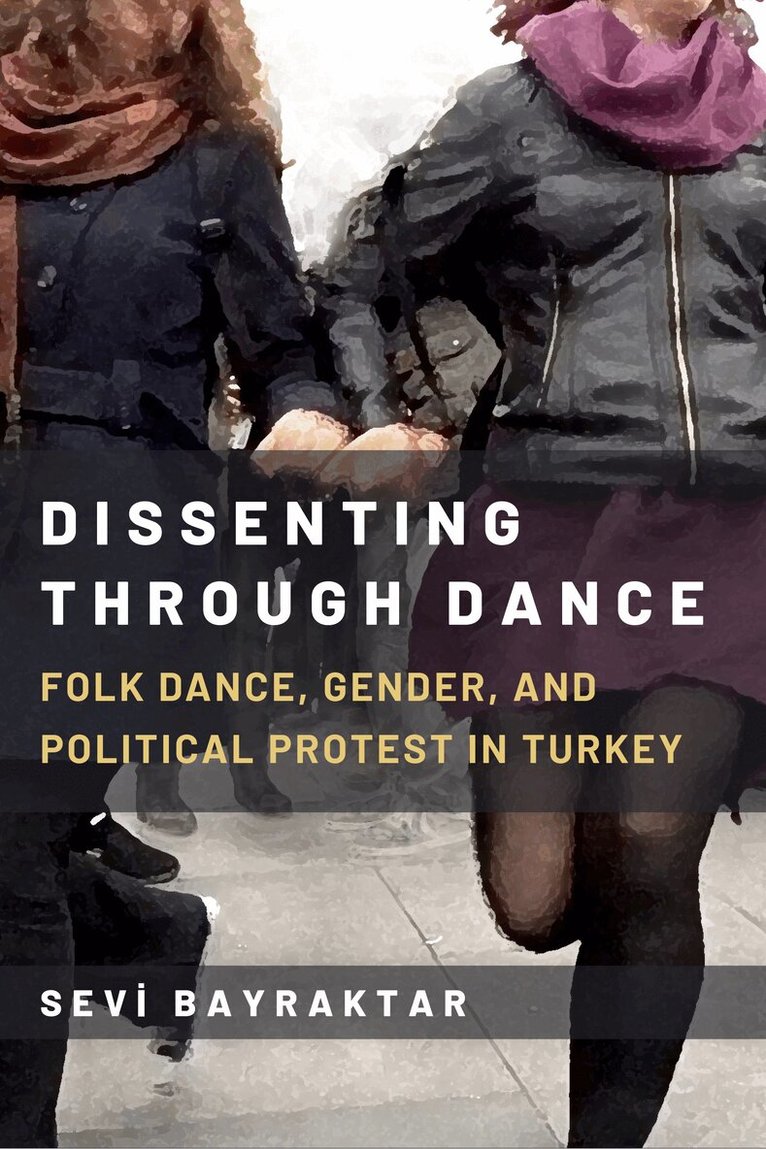
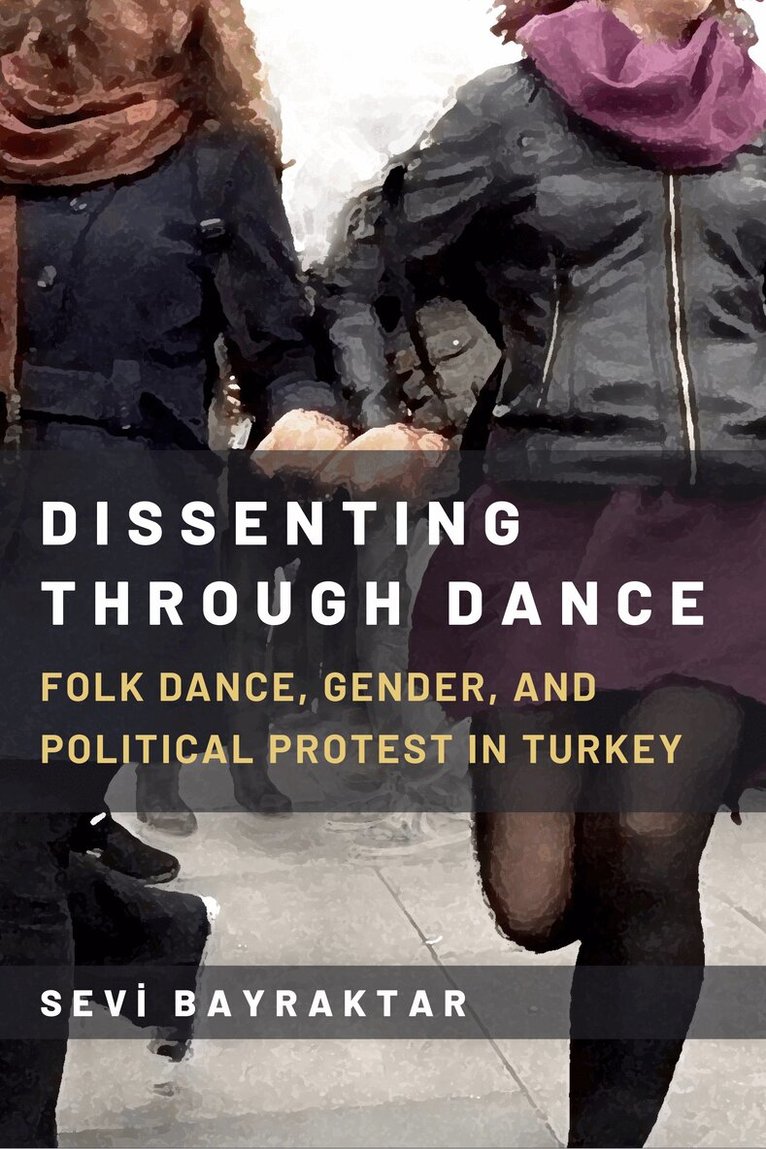
Dissenting Through Dance examines how femme activists in contemporary Turkey deploy folk dance as a powerful tool of political resistance and collective solidarity. Drawing on extensive ethnographic fieldwork, choreographic analysis, and archival research, the book examines how traditional dances, particularly those rooted in marginalized cultures such as Kurdish, Roma, Alevi, Laz, and Hemşin communities, are reimagined to contest misogyny, cultural erasure, and oppressive gender politics. Sevi Bayraktar brings to life the stories of feminist, LGBTQ+, and grassroots activists occupying public spaces with dance as a form of protest when conventional forms of assembly are suppressed or criminalized in Turkey.Working outward from these femmes’ stories, protests, and dances, Bayraktar argues that by reconfiguring Turkey’s folk-dance heritage for their contemporary political aims, dissenting femmes rechoreograph national space in opposition to the state as a way to reclaim the public sphere for pluralist democracy and to subvert hegemonic discourses about Turkish national identity, neoliberal economic development, and female and ethnic bodies. By moving together, activists subvert patriarchal norms, embody new visions of community, and create moments of hope, joy, and resistance even under conditions of surveillance and fear.
760 kr
Kommande
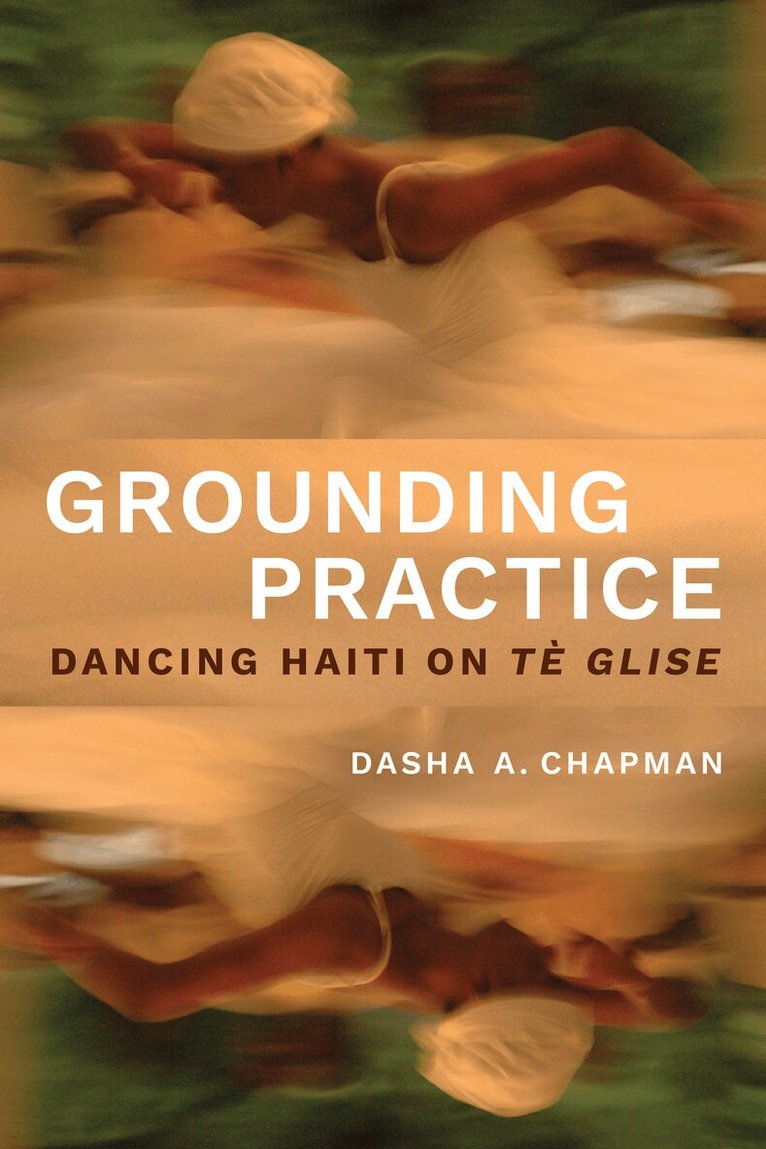
Grounding Practice: Dancing Haiti on Tè Glise tracks the responsive physical techniques Haitian dancers devised for navigating precarity, making place, and igniting repair in the decade following the 2010 earthquake. Via the concept “grounding practice,” which connotes the powerful community building and placemaking techniques these artists cultivated through the teaching and practice of Haitian folkloric dance, this interdisciplinary study illustrates how their embodied labor took on increasing relevance as vital reparative worldmaking amidst instability, or tè glise–Haitian Creole for sliding land or slippery ground.The dancers in Grounding Practice regenerate understandings of Haitian dance’s potential for fomenting decolonial consciousness, meaningfully sustaining African-derived culture, birthing new social relations, activating the queer potentials of tradition, and ultimately making place. Through ethnography and dance writing, Dasha A. Chapman’s attention to embodied knowledge illuminates how movement practice operates as sites of theorization—wherein not just subjectivity, but also concepts of sovereignty, relationality, and decolonial futurity, are articulated through the body. Paying homage to important forebears yet moving us beyond static narratives, this study brings our understanding of Haitian dance–—and Haiti—through expansive landscapes into the contemporary.
1 218 kr
Skickas inom 7-10 vardagar
Dancing on the Fault Lines of History collects essential essays by Susan Manning, one of the founders of critical dance studies, recounting her career writing and rewriting the history of modern dance. Three sets of keywords—gender and sexuality, whiteness and Blackness, nationality and globalization—illuminate modern dance histories from multiple angles, coming together in varied combinations, shifting positions from foreground to background. Among the many artists discussed are Isadora Duncan, Vaslav Nijinsky, Ted Shawn, Helen Tamiris, Katherine Dunham, José Limón, Pina Bausch, Reggie Wilson, and Nelisiwe Xaba. Calling for a comparative and transnational historiography, Manning ends with an extended case study of Mary Wigman’s multidimensional exchange with artists from Indonesia, India, China, Korea, and Japan. Like the artists at the center of her research, Manning’s writing dances on the fault lines of history. Her introduction and annotations to the essays reflect on how and why these keywords became central to her research, revealing the autobiographical resonances of her scholarship as she confronts the cultural politics of the late twentieth and early twenty-first centuries.
1 085 kr
Skickas inom 7-10 vardagar
In Corporeal Politics, leading international scholars investigate the development of dance as a deeply meaningful and complex cultural practice across time, placing special focus on the intertwining of East Asia dance and politics and the role of dance as a medium of transcultural interaction and communication across borders. Countering common narratives of dance history that emphasize the US and Europe as centers of origin and innovation, the expansive creativity of dance artists in East Asia asserts its importance as a site of critical theorization and reflection on global artistic developments in the performing arts.Through the lens of “corporeal politics”—the close attention to bodily acts in specific cultural contexts—each study in this book challenges existing dance and theater histories to re-investigate the performer's role in devising the politics and aesthetics of their performance, as well as the multidimensional impact of their lives and artistic works. Corporeal Politics addresses a wide range of performance styles and genres, including dances produced for the concert stage, as well as those presented in popular entertainments, private performance spaces, and street protests.
1 019 kr
Skickas inom 7-10 vardagar
Kinethic California: Dancing Funk and Disco Era Kinships documents the emergence of new forms of black social and vernacular dance invented by youth living in 1970s California, who helped build the foundations of contemporary hip hop/streetdance culture. Naomi Macalalad Bragin weaves interviews and ethnographies of first-generation (1960s-70s) dancers of strutting, boogaloo, robotting, popping, locking, waacking, and punking styles, as it advances a theory of dance as kinetic kinship formation through a focus on techniques and practices of the dancers themselves. She offers that the term given to these collective movement practices is kinethic to bring attention to motion at the core of black aesthetics that generate dances as forms of kinship beyond blood relation. Kinethics reorient dancers toward kinetic kinship in ways that give continuity to black dance lineages under persistent conditions of disappearance and loss. As dancers engage kinethics, they reinvent gestural vocabularies that describe worlds they imagine into knowing-being.The stories in Kinethic California attend to the aesthetics of everyday movement, seen through the lens of young artists who, from childhood, listened to their family’s soul and funk records, observed the bent-leg strolls and rhythmic handshakes of people moving through their neighborhoods, and watched each other move at house parties, school gyms, and around-the-way social clubs. Their aesthetic sociality and geographic movement provided materials for collective study and creative play. Bragin attends to such multidirectional conversations between dancer, community, and tradition, by which California dance lineages emerge and take flight.
1 285 kr
Skickas inom 7-10 vardagar
This first-of-its-kind book brings together writing by artists and scholars to survey the lively field of Puerto Rican experimental dance across four decades. Originally published as Habitar lo Imposible, the translation in English features essays, artist statements, and interviews plus more than 100 photos of productions, programs, posters, and scores. Throughout, Inhabiting the Impossible provides fresh, invaluable perspectives on experimentation in dance as a sustained practice that has from the start deeply engaged issues of race, gender, sexuality, and politics. The book is also enhanced by a bibliographic section with detailed resources for further study.
Performing the Greek Crisis
Navigating National Identity in the Age of Austerity
Inbunden, Engelska, 2024
1 085 kr
Skickas inom 7-10 vardagar
Performing the Greek Crisis explores the impact of the Greek financial crisis (2009–19) on the performing arts sector in Greece, and especially on contemporary concert dance. When Greece became the first European Union member to be threatened with default, the resulting budget cuts pushed dance to develop in unprecedented directions. The book examines the repercussions that the crisis had on artists’ daily lives and experiences, weaving the personal with the political to humanize a phenomenon that, to date, had been examined chiefly through economic and statistical lenses. Informed by the author’s experience of growing up in Greece and including interviews and rich descriptions of performances, the book offers a glimpse into a pivotal moment in Greek history. In Greece, dance (and, by extension, the body) has historically held a central role in the process of national identity construction. When the crisis broke out, artists had to navigate through a precariously fluctuating landscape, with their bodies as their only stable referent. By centering the analysis of the Greek crisis on the dancing bodies, Performing the Greek Crisis is able to examine the various ways that artists reconceptualized their history and reframed ideas of national belonging, race, citizenship, and immigration.
1 768 kr
Kommande
Dissenting Through Dance examines how femme activists in contemporary Turkey deploy folk dance as a powerful tool of political resistance and collective solidarity. Drawing on extensive ethnographic fieldwork, choreographic analysis, and archival research, the book examines how traditional dances, particularly those rooted in marginalized cultures such as Kurdish, Roma, Alevi, Laz, and Hemşin communities, are reimagined to contest misogyny, cultural erasure, and oppressive gender politics. Sevi Bayraktar brings to life the stories of feminist, LGBTQ+, and grassroots activists occupying public spaces with dance as a form of protest when conventional forms of assembly are suppressed or criminalized in Turkey.Working outward from these femmes’ stories, protests, and dances, Bayraktar argues that by reconfiguring Turkey’s folk-dance heritage for their contemporary political aims, dissenting femmes rechoreograph national space in opposition to the state as a way to reclaim the public sphere for pluralist democracy and to subvert hegemonic discourses about Turkish national identity, neoliberal economic development, and female and ethnic bodies. By moving together, activists subvert patriarchal norms, embody new visions of community, and create moments of hope, joy, and resistance even under conditions of surveillance and fear.
2 040 kr
Kommande
Grounding Practice: Dancing Haiti on Tè Glise tracks the responsive physical techniques Haitian dancers devised for navigating precarity, making place, and igniting repair in the decade following the 2010 earthquake. Via the concept “grounding practice,” which connotes the powerful community building and placemaking techniques these artists cultivated through the teaching and practice of Haitian folkloric dance, this interdisciplinary study illustrates how their embodied labor took on increasing relevance as vital reparative worldmaking amidst instability, or tè glise–Haitian Creole for sliding land or slippery ground.The dancers in Grounding Practice regenerate understandings of Haitian dance’s potential for fomenting decolonial consciousness, meaningfully sustaining African-derived culture, birthing new social relations, activating the queer potentials of tradition, and ultimately making place. Through ethnography and dance writing, Dasha A. Chapman’s attention to embodied knowledge illuminates how movement practice operates as sites of theorization—wherein not just subjectivity, but also concepts of sovereignty, relationality, and decolonial futurity, are articulated through the body. Paying homage to important forebears yet moving us beyond static narratives, this study brings our understanding of Haitian dance–—and Haiti—through expansive landscapes into the contemporary.
953 kr
Skickas inom 7-10 vardagar
The Body in Crisis introduces the English-speaking world to the work of leading Latin American dance scholar and philosopher of the body, Christine Greiner. The book offers an innovative set of tools with which to examine the role of moving bodies and bodily actions in relation to worldwide concerns, including identity politics, alterity, migration, and belonging. The book places the concept of bodymedium in dialogue with the work of Giorgio Agamben to investigate notions of alterity, and shows how an understanding of the body-environment continuum can shed light on things left unnamed and at the margins. Greiner’s analyses draw from a broad range of theory concerned with the epistemology of the body, including cognitive science, political philosophy, evolutionary biology, and performance studies to illuminate radical experiences that question the limits of the body. Her analysis of the role that bodies play in negotiations of power relations offers an original and unprecedented contribution to the field of dance studies and expands its scope to recognize theoretical models of inquiry developed in the Global South.