Studies in Early Modern Germany History – serie
Visar alla böcker i serien Studies in Early Modern Germany History. Handla med fri frakt och snabb leverans.
4 produkter
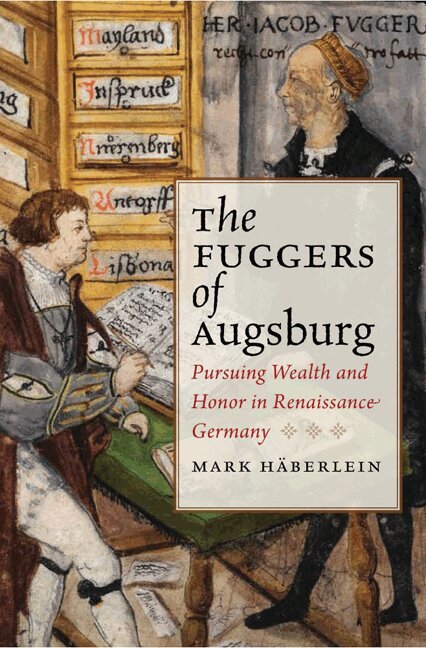
Fuggers of Augsburg
Pursuing Wealth and Honor in Renaissance Germany
Inbunden, 2012
5,0 utav 5 stjärnor. Totalt antal röster: (1)
648 kr
Lägg i varukorg
As the wealthiest German merchant family of the sixteenth century, the Fuggers have attracted wide scholarly attention. In contrast to the other famous merchant family of the period, the Medici of Florence, however, no English-language work on them has been available until now. The Fuggers of …
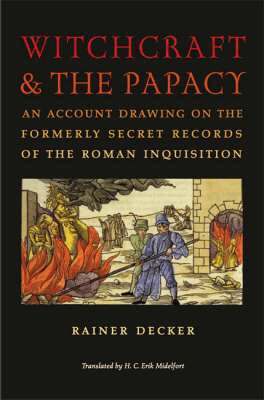
Witchcraft and the Papacy
An Account Drawn from the Formerly Secret Archives of the Roman Inquisition
Inbunden, 2008
658 kr
Lägg i varukorg
When Rainer Decker was researching a sensational seventeenth-century German witchcraft trial, he discovered, much to his surprise, that in this case the papacy functioned as a force of skepticism and restraint. His curiosity piqued, he tried unsuccessfully to gain access to a secret Vatican archive …
Witchcraft and the Papacy
An Account Drawing on the Formerly Secret Records of the Roman Inquisition
Häftad, 2010
315 kr
Tillfälligt slut
When Rainer Decker was researching a sensational seventeenth-century German witchcraft trial, he discovered, much to his surprise, that in this case the papacy functioned as a force of skepticism and restraint. His curiosity piqued, he tried unsuccessfully to gain access to a secret Vatican archive …
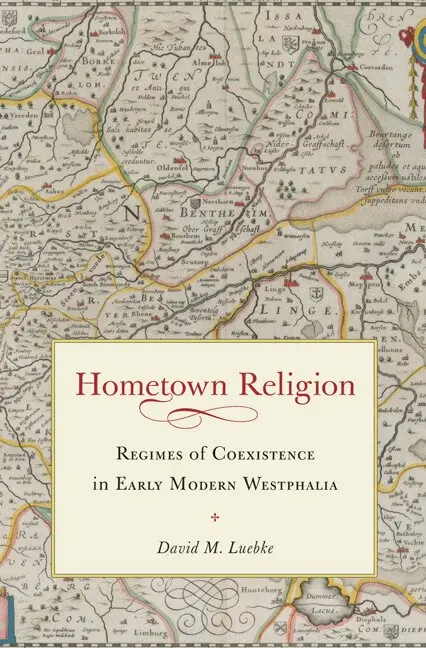
Hometown Religion
Regimes of Coexistence in Early Modern Westphalia
Inbunden, 2016
596 kr
Tillfälligt slut
The pluralization of Christian religion was the defining fact of cultural life in sixteenth-century Europe. Everywhere they took root, ideas of evangelical reform disturbed the unity of religious observance on which political community was founded. By the third quarter of the sixteenth century, one …