Studies in Egyptology and the Ancient Near East – serie
Visar alla böcker i serien Studies in Egyptology and the Ancient Near East. Handla med fri frakt och snabb leverans.
8 produkter
8 produkter
712 kr
Skickas inom 5-8 vardagar
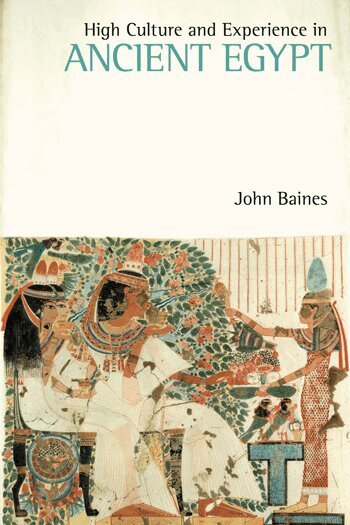
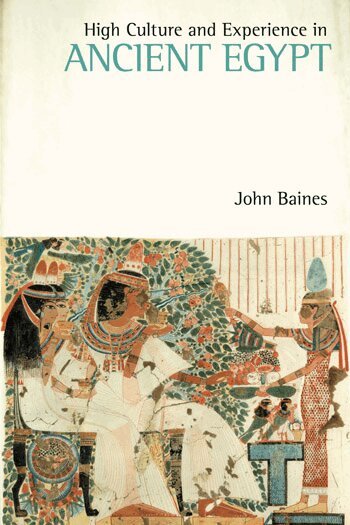
This novel work uses case studies of both familiar and unfamiliar materials, expanding consideration of ancient Egyptian elite culture to encompass lived experience and exploitation of the natural environment.The opening chapter sets out the conceptual ground for the analyses that follow, arguing that the relatively ephemeral activities under investigation were centrally important to the actors. The first and largest study treats human organization of the landscape and its use to create and transmit elite meanings, especially through pictorial and encyclopaedic forms, and to mobilize emotional values. Next, a treatment of the planning of primarily third millennium settlements on the floodplain argues that Egypt offers a partly rural perspective that provides an alternative to the urban focus of many early civilizations but has parallels in elite culture in much of the world. The third study discusses how a single year's events were orchestrated to culminate in a celebratory hunt in which the king, his court, and high officials participated.The concluding chapter presents an initial synthesis of Egyptian treatments of elite experience, drawing in particular upon additional evidence from literary texts and attitudes to travel.
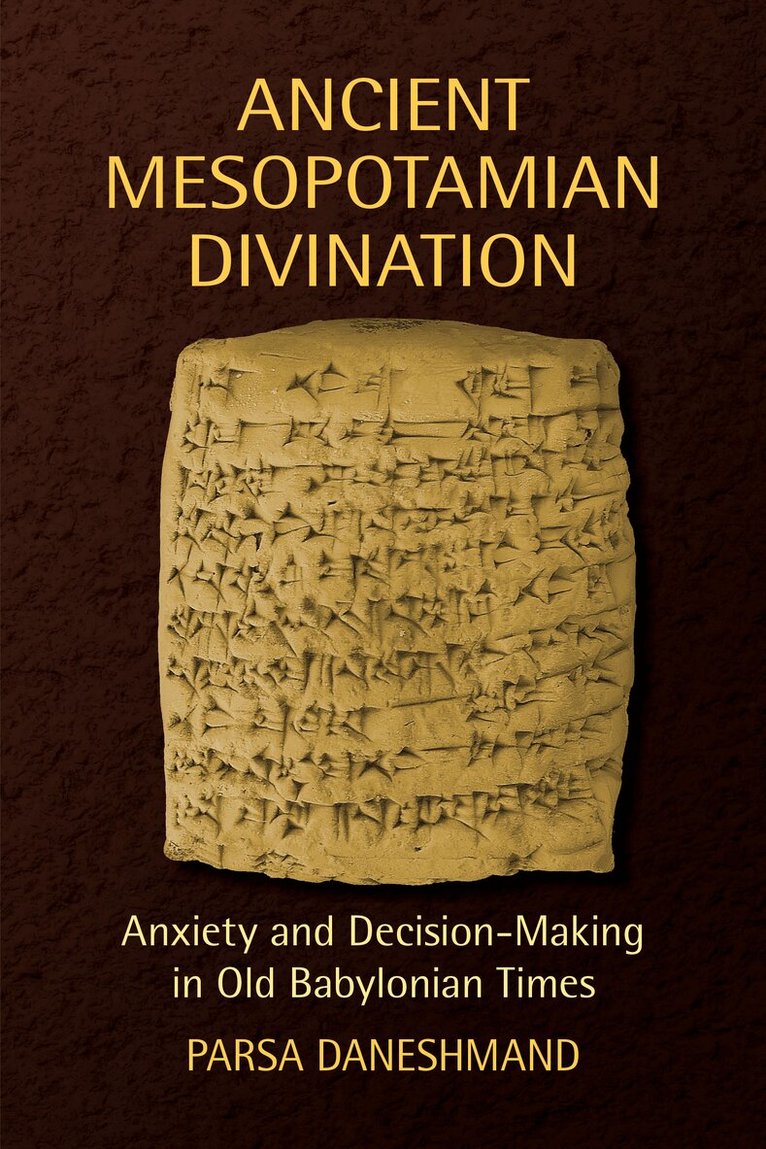
Ancient Mesopotamian Divination
Anxiety Decision-Making in Old Babylonian Times
Inbunden, Engelska, 2026
1 024 kr
Kommande
1 610 kr
Skickas inom 5-8 vardagar
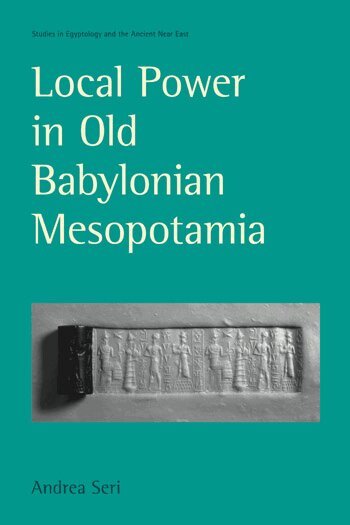
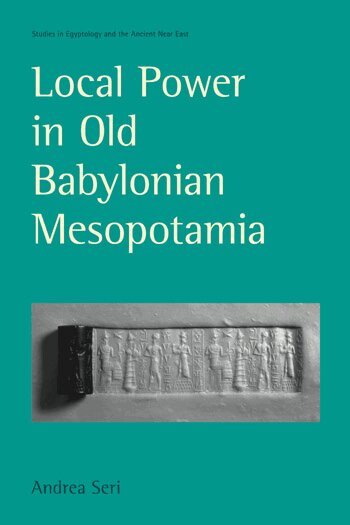
This book focuses on certain local powers in Old Babylonian Mesopotamia (ca. 2000 - 1595 B.C.), namely the chief of the city (rabianum), the elders, the "city," and the assembly. This is a novel approach to Old Babylonian history that allows us to understand the constituency, activities, and sphere of influence of local institutions of authority, and the way they coped with state officials and royal policies. Focusing on local powers changes the traditional manner of looking at the state. This is so because far from being a monolithic entity that unilaterally made decisions concerning people, water, land, and other resources, the state had to deal with local institutions that were not always willing to accept royal decisions passively. The state was often unable to penetrate deeply into traditional social and economic practices that were controlled by local leaders, as is most apparent in the conflict of jurisdiction related to land distribution. However, the state did surreptitiously co-opt local leaders into the royal domain.The methodology and conclusions of this case study of local authorities in Old Babylonian Mesopotamia will also be useful for those studying other ancient states and complex societies.
334 kr
Skickas inom 5-8 vardagar
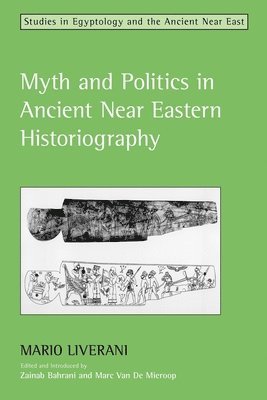
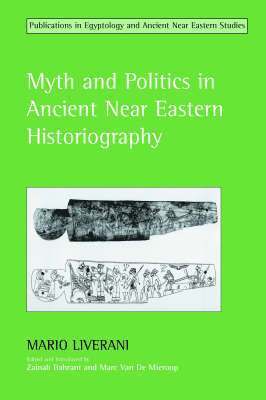
The essays collected in this volume represent a selection of studies, previously published mainly in Italian, that make explicit use of anthropological and semiological tools in order to analyze important texts of historical nature from various regions of the Ancient Near East. They suggest that these historiographical texts were of a 'true' historical nature, and that the literary forms and mental models employed were very apt at accomplishing the intended results. Two different aspects are especially emphasized: myth and politics.
1 610 kr
Skickas inom 5-8 vardagar
This novel work uses case studies of both familiar and unfamiliar materials, expanding consideration of ancient Egyptian elite culture to encompass lived experience and exploitation of the natural environment. The opening chapter sets out the conceptual ground for the analyses that follow, arguing that the relatively ephemeral activities under investigation were centrally important to the actors. The first and largest study treats human organization of the landscape and its use to create and transmit elite meanings, especially through pictorial and encyclopaedic forms, and to mobilize emotional values. Next, a treatment of the planning of third millennium settlements on the floodplain argues that Egypt offers a partly rural perspective that provides an alternative to the urban focus of many early civilizations but has parallels in elite culture in much of the world. The third study discusses how a single year's events were orchestrated to culminate in a celebratory hunt in which the king, his court, and high officials participated.The concluding chapter presents an initial synthesis of Egyptian treatments of elite experience, drawing upon additional evidence in particular from literary texts and attitudes to travel. Throughout the book, aesthetics and the cultivation of pleasure and delight are emphasized as essential to ancient elite life.
462 kr
Skickas inom 5-8 vardagar
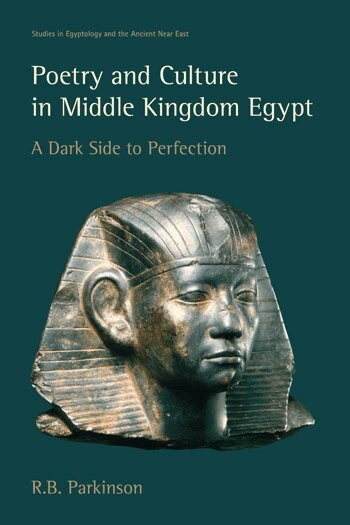
The Middle Kingdom (c.1940-1640 BC) was a golden age of Ancient Egyptian writing. This pioneering book is the first comprehensive study of this literary legacy. The status of literature is controversial in many ancient civilizations, and Middle Kingdom poems have often been regarded as propaganda for the ruling dynasty. This study radically reassesses their cultural role, drawing on recent studies of the individual texts, some by the author, and on general developments in literary criticism, to argue that they were entertainments that voiced potentially dissident views while also being integral to elite culture. The book explores literature's status as a differentiated form of discourse, suggesting what social practices made its role possible and offering an innovative model for the reader's engagement with these subtle and complex ancient works. The book also surveys the social and ideological context of literature and proposes readings of the main tales, discourses, and teachings. The conclusion sets the readings in a broad context, while an appendix surveys the entire range of surviving texts.
915 kr
Tillfälligt slut
'Mario Liverani's work is among the most original and penetrating in the discipline of ancient Near Eastern studies. I recommend this brilliant and fascinating book with high enthusiasm.' Benjamin R. Foster, Laffan Professor of Assyriology and Babylonian Literature and Curator of the Yale Babylonian Collection, Yale University 'This collection of his classic essays, selected by Liverani himself, and presented in English for the first time, displays Liverani's brilliance in dissecting a variety of myths, treaties, royal inscriptions, letters and Biblical narratives. Liverani's influence on the interpretation of history is generously acknowledged by professional historians of the Ancient Near East and by the Italian reading public. This collection will bring his substantive contributions and his method to a wider audience of historians, anthropologists, and literary critics. The editors have done a splendid job introducing the essays, revising Liverani's own translations and providing handy references to studies that have appeared since Liverani's original work.'Norman Yoffee, Professor of Near Eastern Studies, University of Michigan The essays collected in this volume represent a selection of studies, previously published mainly in Italian, that make explicit use of anthropological and semiological tools in order to analyze important texts of historical nature from various regions of the Ancient Near East. They suggest that these historiographical texts were of a 'true' historical nature, and that the literary forms and mental models employed were very apt at accomplishing the intended results. Two different aspects are especially emphasized: myth and politics.
414 kr
Skickas inom 5-8 vardagar
This book focuses on certain local powers in Old Babylonian Mesopotamia (ca. 2000 - 1595 B.C.), namely the chief of the city (rabianum), the elders, the "city," and the assembly. This is a novel approach to Old Babylonian history that allows us to understand the constituency, activities, and sphere of influence of local institutions of authority, and the way they coped with state officials and royal policies. Focusing on local powers changes the traditional manner of looking at the state. This is so because far from being a monolithic entity that unilaterally made decisions concerning people, water, land, and other resources, the state had to deal with local institutions that were not always willing to accept royal decisions passively. The state was often unable to penetrate deeply into traditional social and economic practices that were controlled by local leaders, as is most apparent in the conflict of jurisdiction related to land distribution. However, the state did surreptitiously co-opt local leaders into the royal domain.The methodology and conclusions of this case study of local authorities in Old Babylonian Mesopotamia will also be useful for those studying other ancient states and complex societies.