Del 6 - Studies in Global Equity
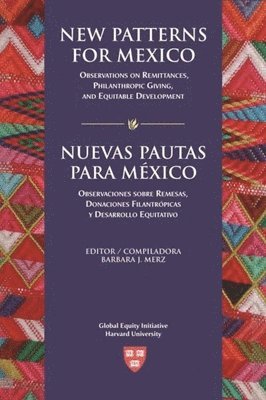
New Patterns for Mexico/Nuevas Pautas para México
Observations on Remittances, Philanthropic Giving, and Equitable Development/Observaciones sobre Remesas, Donaciones Filantrópicas y Desarrollo Equitativo
Häftad, Engelska, 2006
180 kr
Skickas inom 5-8 vardagar
In our globalizing world, the movement of people and resources has accelerated, giving rise to transnational connections and interdependencies. New Patterns for Mexico examines novel and emerging patterns of United States giving to Mexico and its impact on equitable development. Last year alone, Mexican migrants living in the United States sent billions of dollars back to families and relatives living in Mexico. Most of these funds were for private consumption, but more and more diaspora resources support social and philanthropic endeavors in their country of origin. This bilingual volume asks: What are these new patterns of diaspora giving and how do they affect equitable development in Mexico? Through its Global Philanthropy Program, the Global Equity Initiative of Harvard University aims to advance knowledge about global philanthropy and the role of private philanthropic investments in furthering global equity. This volume, one in a series on diaspora giving, builds upon the earlier work of Diaspora Philanthropy: Perspectives on India and China and continues the Program's research series on the relationship between diaspora engagement and equitable development.