Studies in Sensory History - Böcker
Visar alla böcker i serien Studies in Sensory History. Handla med fri frakt och snabb leverans.
9 produkter
9 produkter
284 kr
Skickas
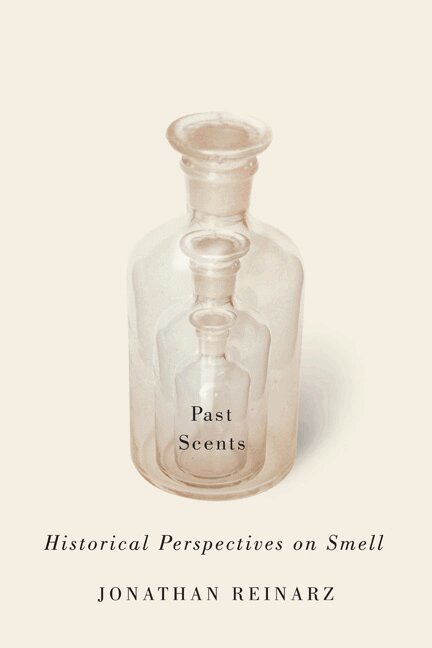
In this comprehensive and engaging volume, medical historian Jonathan Reinarz offers a historiography of smell from ancient to modern times. Synthesizing existing scholarship in the field, he shows how people have relied on their olfactory sense to understand and engage with both their immediate environments and wider corporal and spiritual worlds.This broad survey demonstrates how each community or commodity possesses, or has been thought to possess, its own peculiar scent. Through the meanings associated with smells, osmologies develop--what cultural anthropologists have termed the systems that utilize smells to classify people and objects in ways that define their relations to each other and their relative values within a particular culture. European Christians, for instance, relied on their noses to differentiate Christians from heathens, whites from people of color, women from men, virgins from harlots, artisans from aristocracy, and pollution from perfume.This reliance on smell was not limited to the global North. Around the world, Reinarz shows, people used scents to signify individual and group identity in a morally constructed universe where the good smelled pleasant and their opposites reeked.With chapters including "Heavenly Scents," "Fragrant Lucre," and "Odorous Others," Reinarz's timely survey is a useful and entertaining look at the history of one of our most important but least-understood senses.
1 192 kr
Skickas inom 7-10 vardagar
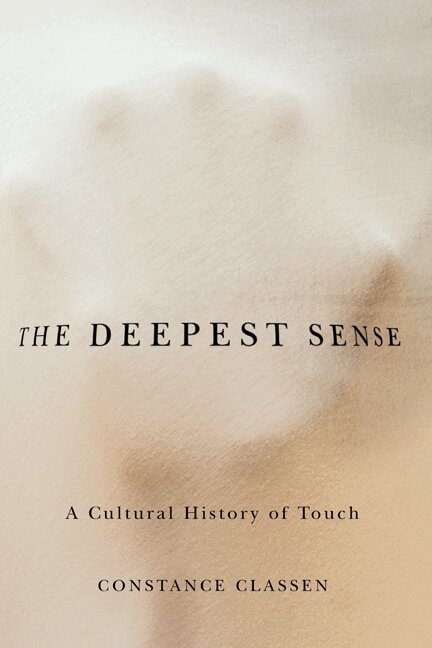
From the softest caress to the harshest blow, touch lies at the heart of our experience of the world. Now, for the first time, this deepest of senses is the subject of an extensive historical exploration. The Deepest Sense: A Cultural History of Touch fleshes out our understanding of the past with explorations of lived experiences of embodiment from the middle ages to modernity. This intimate and sensuous approach to history makes it possible to foreground the tactile foundations of Western culture--the ways in which feelings shaped society. Constance Classen explores a variety of tactile realms including the feel of the medieval city; the tactile appeal of relics; the social histories of pain, pleasure, and affection; the bonds of touch between humans and animals; the strenuous excitement of sports such as wrestling and jousting; and the sensuous attractions of consumer culture. She delves into a range of vital issues, from the uses--and prohibitions--of touch in social interaction to the disciplining of the body by the modern state, from the changing feel of the urban landscape to the technologization of touch in modernity. Through poignant descriptions of the healing power of a medieval king's hand or the grueling conditions of a nineteenth-century prison, we find that history, far from being a dry and lifeless subject, touches us to the quick.
1 192 kr
Skickas inom 7-10 vardagar
In this comprehensive and engaging volume, medical historian Jonathan Reinarz offers a historiography of smell from ancient to modern times. Synthesizing existing scholarship in the field, he shows how people have relied on their olfactory sense to understand and engage with both their immediate environments and wider corporal and spiritual worlds.This broad survey demonstrates how each community or commodity possesses, or has been thought to possess, its own peculiar scent. Through the meanings associated with smells, osmologies develop--what cultural anthropologists have termed the systems that utilize smells to classify people and objects in ways that define their relations to each other and their relative values within a particular culture. European Christians, for instance, relied on their noses to differentiate Christians from heathens, whites from people of color, women from men, virgins from harlots, artisans from aristocracy, and pollution from perfume.This reliance on smell was not limited to the global North. Around the world, Reinarz shows, people used scents to signify individual and group identity in a morally constructed universe where the good smelled pleasant and their opposites reeked.With chapters including "Heavenly Scents," "Fragrant Lucre," and "Odorous Others," Reinarz's timely survey is a useful and entertaining look at the history of one of our most important but least-understood senses.
1 141 kr
Skickas inom 7-10 vardagar
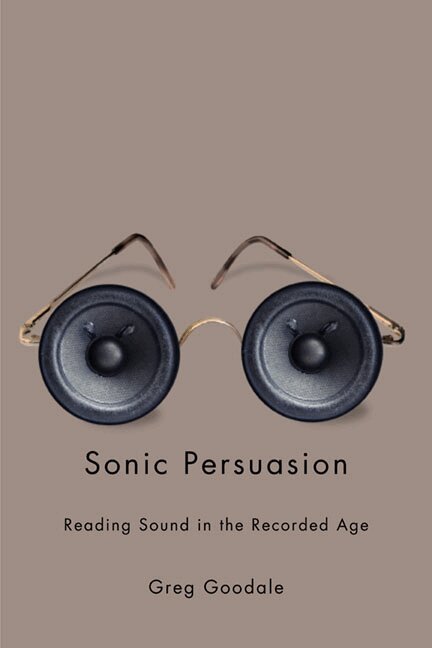
Sonic Persuasion: Reading Sound in the Recorded Age critically analyzes a range of sounds on vocal and musical recordings, on the radio, in film, and in cartoons to show how sounds are used to persuade in subtle ways. Greg Goodale explains how and to what effect sounds can be "read" like an aural text, demonstrating this method by examining important audio cues such as dialect, pausing, and accent in presidential recordings at the turn of the twentieth century. Goodale also shows how clocks, locomotives, and machinery are utilized in film and literature to represent frustration and anxiety about modernity, and how race and other forms of identity came to be represented by sound during the interwar period. In highlighting common sounds of industry and war in popular media, Sonic Persuasion also demonstrates how programming producers and governmental agencies employed sound to evoke a sense of fear in listeners. Goodale provides important links to other senses, especially the visual, to give fuller meaning to interpretations of identity, culture, and history in sound.
1 192 kr
Skickas inom 7-10 vardagar
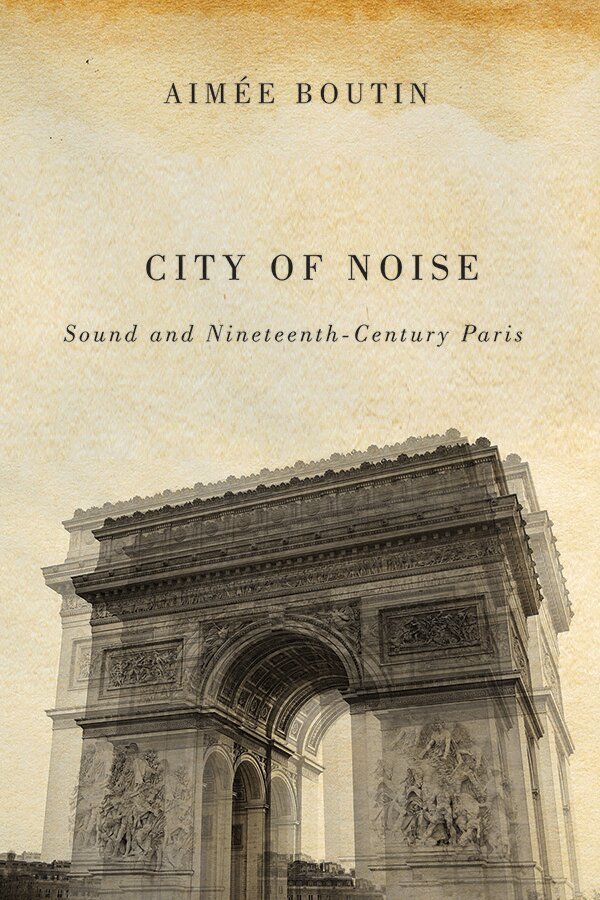
Beloved as the city of light, Paris in the nineteenth century sparked the acclaim of poets and the odium of the bourgeois with its distinctive sounds. Street vendors bellowed songs known as the Cris de Paris that had been associated with their trades since the Middle Ages; musicians itinerant and otherwise played for change; and flâneurs-writers, fascinated with the city's underside, listened and recorded much about what they heard. Aimée Boutin tours the sonic space that orchestrated the different, often conflicting sound cultures that defined the street ambience of Paris. Mining accounts that range from guidebooks to verse, Boutin braids literary, cultural, and social history to reconstruct a lost auditory environment. Throughout, impressions of street noise shape writers' sense of place and perception of modern social relations. As Boutin shows, the din of the Cris contrasted economic abundance with the disparities of the capital, old and new traditions, and the vibrancy of street commerce with an increasing bourgeois demand for quiet. In time, peddlers who provided the soundtrack for Paris's narrow streets yielded to modernity, with its taciturn shopkeepers and wide-open boulevards, and the fading songs of the Cris became a dirge for the passing of old ways.
290 kr
Skickas inom 7-10 vardagar
Sonic Persuasion: Reading Sound in the Recorded Age critically analyzes a range of sounds on vocal and musical recordings, on the radio, in film, and in cartoons to show how sounds are used to persuade in subtle ways. Greg Goodale explains how and to what effect sounds can be "read" like an aural text, demonstrating this method by examining important audio cues such as dialect, pausing, and accent in presidential recordings at the turn of the twentieth century. Goodale also shows how clocks, locomotives, and machinery are utilized in film and literature to represent frustration and anxiety about modernity, and how race and other forms of identity came to be represented by sound during the interwar period. In highlighting common sounds of industry and war in popular media, Sonic Persuasion also demonstrates how programming producers and governmental agencies employed sound to evoke a sense of fear in listeners. Goodale provides important links to other senses, especially the visual, to give fuller meaning to interpretations of identity, culture, and history in sound.
296 kr
Skickas inom 7-10 vardagar
From the softest caress to the harshest blow, touch lies at the heart of our experience of the world. Now, for the first time, this deepest of senses is the subject of an extensive historical exploration. The Deepest Sense: A Cultural History of Touch fleshes out our understanding of the past with explorations of lived experiences of embodiment from the middle ages to modernity. This intimate and sensuous approach to history makes it possible to foreground the tactile foundations of Western culture--the ways in which feelings shaped society. Constance Classen explores a variety of tactile realms including the feel of the medieval city; the tactile appeal of relics; the social histories of pain, pleasure, and affection; the bonds of touch between humans and animals; the strenuous excitement of sports such as wrestling and jousting; and the sensuous attractions of consumer culture. She delves into a range of vital issues, from the uses--and prohibitions--of touch in social interaction to the disciplining of the body by the modern state, from the changing feel of the urban landscape to the technologization of touch in modernity. Through poignant descriptions of the healing power of a medieval king's hand or the grueling conditions of a nineteenth-century prison, we find that history, far from being a dry and lifeless subject, touches us to the quick.
263 kr
Skickas inom 7-10 vardagar
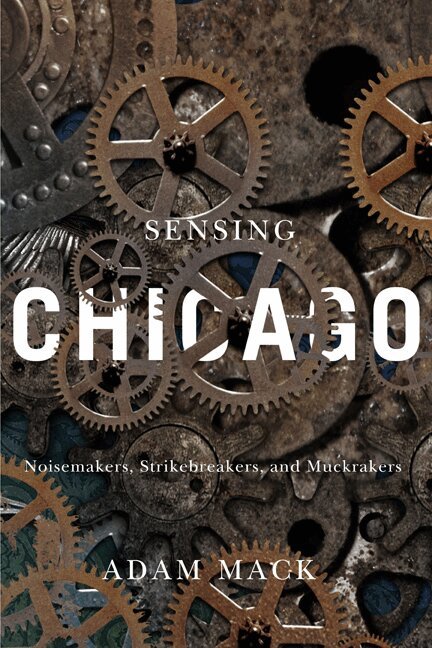
A hundred years ago and more, a walk down a Chicago street invited an assault on the senses. Untiring hawkers shouted from every corner. The manure from thousands of horses lay on streets pooled with molasses and puddled with kitchen grease. Odors from a river gelatinous and lumpy with all manner of foulness mingled with the all-pervading stench of the stockyard slaughterhouses. In Sensing Chicago, Adam Mack lets fresh air into the sensory history of Chicago in the nineteenth and early twentieth centuries by examining five case studies: the Chicago River, the Great Fire, the 1894 Pullman Strike, the publication of Upton Sinclair's The Jungle, and the rise and fall of the White City amusement park. His vivid recounting of the smells, sounds, and tactile miseries of city life reveals how input from the five human senses influenced the history of class, race, and ethnicity in the city. At the same time, he transports readers to an era before modern refrigeration and sanitation, when to step outside was to be overwhelmed by the odor and roar of a great city in progress.
263 kr
Skickas inom 7-10 vardagar
Beloved as the city of light, Paris in the nineteenth century sparked the acclaim of poets and the odium of the bourgeois with its distinctive sounds. Street vendors bellowed songs known as the Cris de Paris that had been associated with their trades since the Middle Ages; musicians itinerant and otherwise played for change; and flâneurs-writers, fascinated with the city's underside, listened and recorded much about what they heard. Aimée Boutin tours the sonic space that orchestrated the different, often conflicting sound cultures that defined the street ambience of Paris. Mining accounts that range from guidebooks to verse, Boutin braids literary, cultural, and social history to reconstruct a lost auditory environment. Throughout, impressions of street noise shape writers' sense of place and perception of modern social relations. As Boutin shows, the din of the Cris contrasted economic abundance with the disparities of the capital, old and new traditions, and the vibrancy of street commerce with an increasing bourgeois demand for quiet. In time, peddlers who provided the soundtrack for Paris's narrow streets yielded to modernity, with its taciturn shopkeepers and wide-open boulevards, and the fading songs of the Cris became a dirge for the passing of old ways.