Studying British Cinema – serie
Visar alla böcker i serien Studying British Cinema. Handla med fri frakt och snabb leverans.
6 produkter
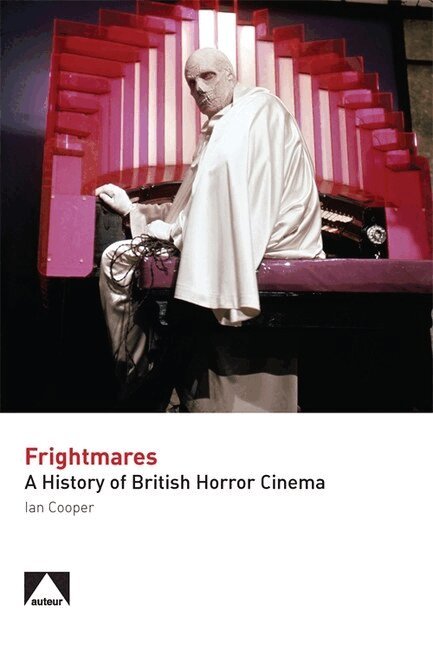
Frightmares
A History of British Horror Cinema
Av Ian Cooper
Häftad, 2016
536 kr
Lägg i varukorg
The horror film reveals as much, if not more, about the British psyche as the more respectable heritage film or the critically revered social realist drama. Yet, like a mad relative locked in the attic, British horror cinema has for too long been ignored and maligned. Even when it has been …
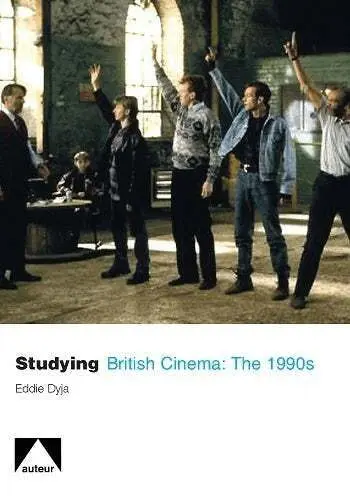
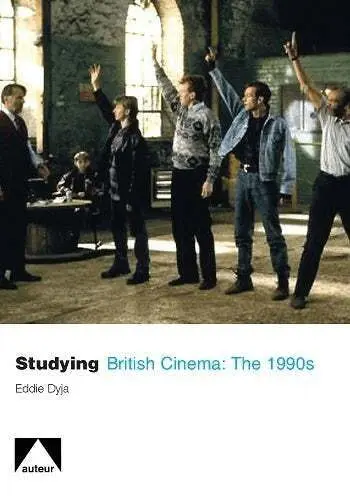
Studying British Cinema: 1990s
Av Eddie Dyja
Inbunden, 2010
1692 kr
Lägg i varukorg
The 1990s were years of contradiction for British cinema. On the one hand, the exhibition and production of British films bounced back from the dark days of the early 1980s, in which cinema attendance and filmmaking slumped to an all-time low. On the other hand, foreign investment now played a …
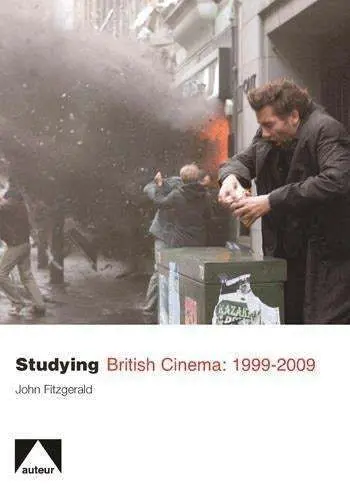
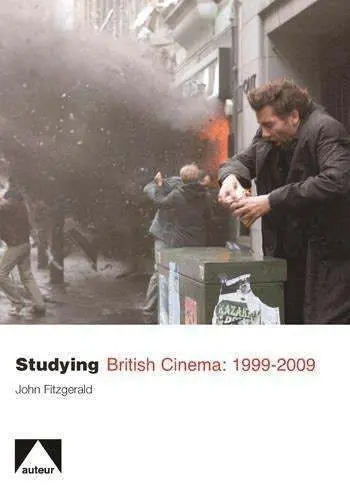
Studying British Cinema: 1999-2009
Inbunden, 2010
1692 kr
Lägg i varukorg
Studying British Cinema: 1999–2009 adopts a number of approaches to popularist, mainstream, and esoteric arthouse films. The book considers the institutional and financial factors that influence U.K. film production and assesses issues of genre, representation, authorship, and social, economic, and …
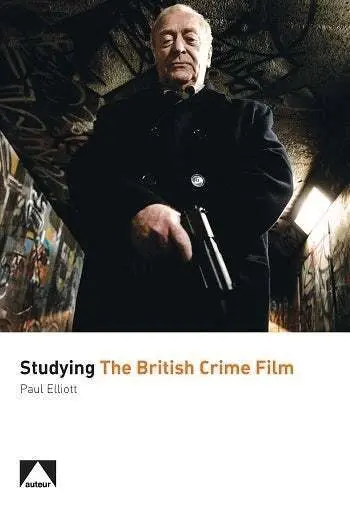
Studying the British Crime Film
Av Paul Elliott
Häftad, 2014
664 kr
Lägg i varukorg
Ever since its inception, British cinema has been obsessed with crime and the criminal. One of the first narrative films to be produced in Britain, the Hepworth's 1905 short Rescued by Rover, was a fast-paced, quick-edited tale of abduction and kidnap, and the first British sound film, Alfred …
Studying British Cinema: 1990s
Av Eddie Dyja
Häftad, 2010
576 kr
Tillfälligt slut
The 1990s were years of contradiction for British cinema. On the one hand, the exhibition and production of British films bounced back from the dark days of the early 1980s, in which cinema attendance and filmmaking slumped to an all-time low. On the other hand, foreign investment now played a …
Studying British Cinema: 1999-2009
Häftad, 2010
576 kr
Tillfälligt slut
Studying British Cinema: 1999–2009 adopts a number of approaches to popularist, mainstream, and esoteric arthouse films. The book considers the institutional and financial factors that influence U.K. film production and assesses issues of genre, representation, authorship, and social, economic, and …