Sweetland Digital Rhetoric Collaborative - Böcker
Visar alla böcker i serien Sweetland Digital Rhetoric Collaborative. Handla med fri frakt och snabb leverans.
6 produkter
6 produkter
405 kr
Skickas inom 7-10 vardagar
For undergraduates following any course of study, it is essential to develop the ability to write effectively. Yet the processes by which students become more capable and ready to meet the challenges of writing for employers, the wider public, and their own purposes remain largely invisible. Developing Writers in Higher Education shows how learning to write for various purposes in multiple disciplines leads college students to new levels of competence.This volume draws on an in-depth study of the writing and experiences of 169 University of Michigan undergraduates, using statistical analysis of 322 surveys, qualitative analysis of 131 interviews, use of corpus linguistics on 94 electronic portfolios and 2,406 pieces of student writing, and case studies of individual students to trace the multiple paths taken by student writers. Topics include student writers’ interaction with feedback; perceptions of genre; the role of disciplinary writing; generality and certainty in student writing; students’ concepts of voice and style; students’ understanding of multimodal and digital writing; high school’s influence on college writers; and writing development after college. The digital edition offers samples of student writing, electronic portfolios produced by student writers, transcripts of interviews with students, and explanations of some of the analysis conducted by the contributors.This is an important book for researchers and graduate students in multiple fields. Those in writing studies get an overview of other longitudinal studies as well as key questions currently circulating. For linguists, it demonstrates how corpus linguistics can inform writing studies. Scholars in higher education will gain a new perspective on college student development. The book also adds to current understandings of sociocultural theories of literacy and offers prospective teachers insights into how students learn to write. Finally, for high school teachers, this volume will answer questions about college writing.Companion WebsiteClick here to access the Developing Writers project and its findings at the interactive companion website.Project DataAccess the data from the project through this tutorial.
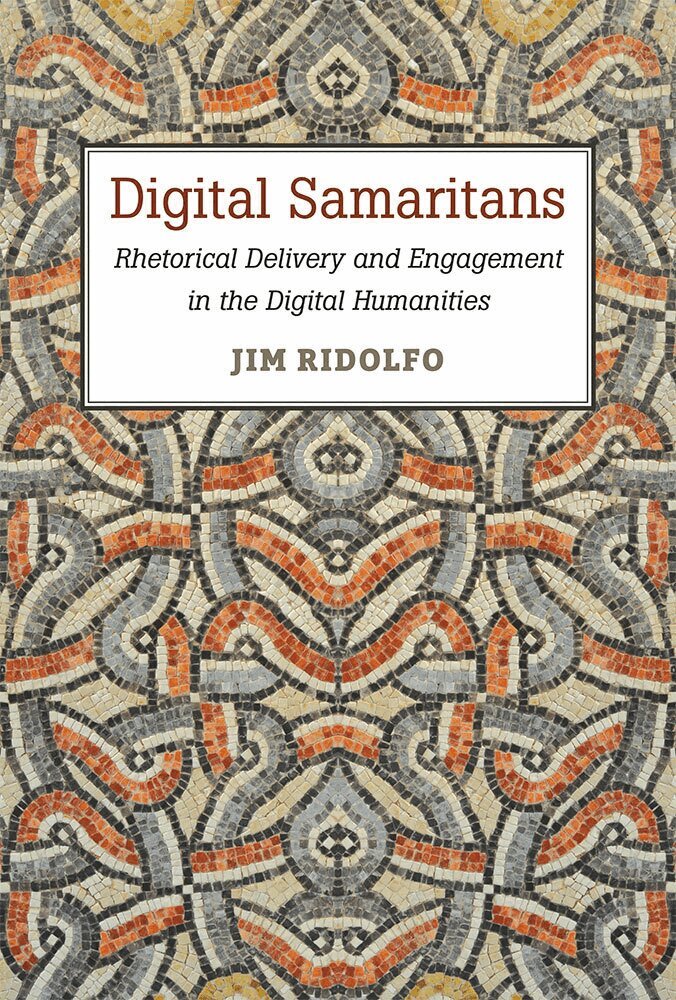
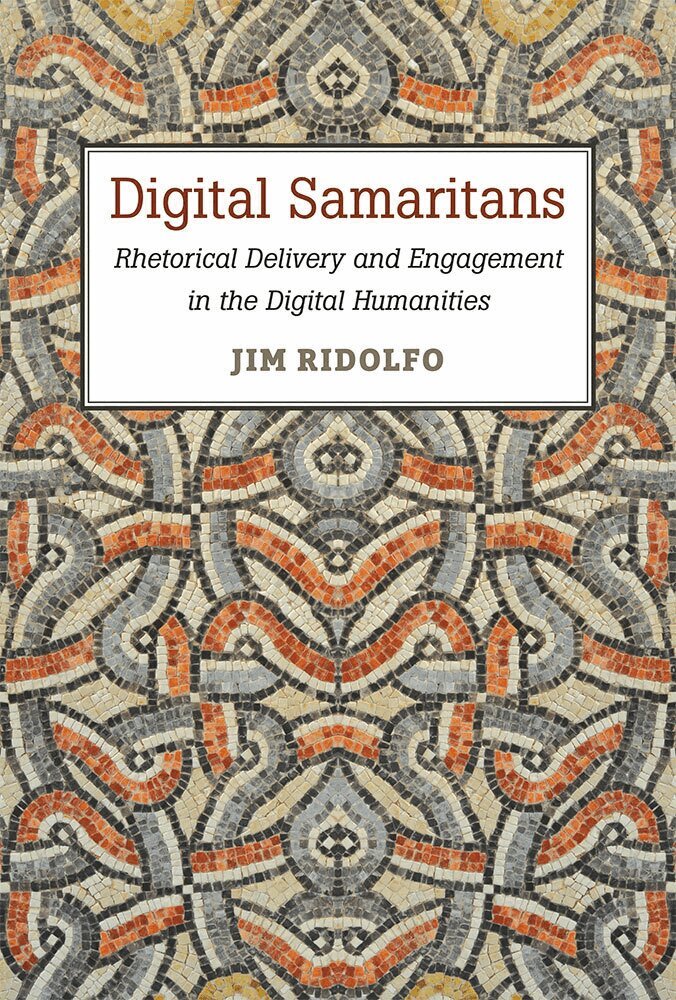
Digital Samaritans
Rhetorical Delivery and Engagement in the Digital Humanities
Häftad, Engelska, 2015
332 kr
Skickas inom 7-10 vardagar
Digital Samaritans explores rhetorical delivery and cultural sovereignty in the digital humanities. The exigence for the book is rooted in a practical digital humanities project based on the digitization of manuscripts in diaspora for the Samaritan community, the smallest religious/ethnic group of 770 Samaritans split between Mount Gerizim in the Palestinian Authority and in Holon, Israel. Based on interviews with members of the Samaritan community and archival research, Digital Samaritans explores what some Samaritans want from their diaspora of manuscripts, and how their rhetorical goals and objectives relate to the contemporary existential and rhetorical situation of the Samaritans as a living, breathing people. How does the circulation of Samaritan manuscripts, especially in digital environments, relate to their rhetorical circumstances and future goals and objectives to communicate their unique cultural history and religious identity to their neighbors and the world? Digital Samaritans takes up these questions and more as it presents a case for collaboration and engaged scholarship situated at the intersection of rhetorical studies and the digital humanities.
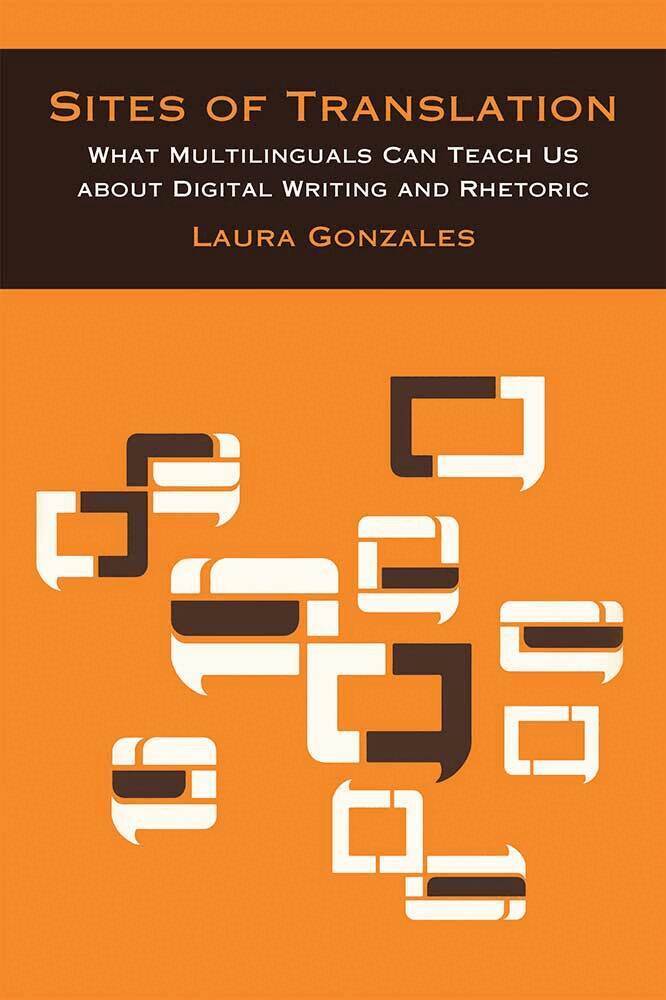
Sites of Translation
What Multilinguals Can Teach Us about Digital Writing and Rhetoric
Häftad, Engelska, 2018
284 kr
Skickas inom 7-10 vardagar
Winner of the 2016 Sweetland Digital Rhetoric Collaborative Book PrizeSites of Translation illustrates the intricate rhetorical work that multilingual communicators engage in as they translate information for their communities. Blending ethnographic and empirical methods from multiple disciplines, Laura Gonzales provides methodological examples of how linguistic diversity can be studied in practice, both in and outside the classroom, and provides insights into the rhetorical labor that is often unacknowledged and made invisible in multilingual communication. Sites of Translation is relevant to researchers and teachers of writing as well as technology designers interested in creating systems, pedagogies, and platforms that will be more accessible and useful to multilingual audiences. Gonzales presents multilingual communication as intellectual labor that should be further valued in both academic and professional spaces, and supported by multilingual technologies and pedagogies that center the expertise of linguistically diverse communicators.
240 kr
Skickas inom 7-10 vardagar
Makerspaces—local workshops that offer access to and training on fabrication technologies, often with a focus on creativity, education, and entrepreneurship—proliferated in the 2010s, popping up in cities across the world. Beyond the Makerspace is a longitudinal, ethnographically informed study of a particular Seattle makerspace that begins in 2015 and ends with the closing of the space in 2018. Examining acts of making with objects, tools, words, and relationships, Beyond the Makerspace reads making as a kind of rhetoric, or meaning-making work, and argues that acts of making things are rhetorical in the sense that they are culturally situated and that they mark boundaries of what counts as making and who counts as maker. By focusing on a particular makerspace over time, Shivers-McNair attends to a changing cohort of makerspace regulars as they face challenges of bringing their vision of inclusivity and diversity to fruition, and offers an examination of how makers are made (and unmade, and remade) in a makerspace.Beyond the Makerspace contributes not only to our understanding of making and makerspaces, but also to our understanding of how to study making—and meaning making, more broadly—in ways that examine and intervene in the marking of difference. Thus, the book examines what (and whose) values and practices we are taking up when we identify as makers or when we turn a writing classroom or a library space into a makerspace.
965 kr
Skickas inom 7-10 vardagar
For undergraduates following any course of study, it is essential to develop the ability to write effectively. Yet the processes by which students become more capable and ready to meet the challenges of writing for employers, the wider public, and their own purposes remain largely invisible. Developing Writers in Higher Education shows how learning to write for various purposes in multiple disciplines leads college students to new levels of competence.This volume draws on an in-depth study of the writing and experiences of 169 University of Michigan undergraduates, using statistical analysis of 322 surveys, qualitative analysis of 131 interviews, use of corpus linguistics on 94 electronic portfolios and 2,406 pieces of student writing, and case studies of individual students to trace the multiple paths taken by student writers. Topics include student writers’ interaction with feedback; perceptions of genre; the role of disciplinary writing; generality and certainty in student writing; students’ concepts of voice and style; students’ understanding of multimodal and digital writing; high school’s influence on college writers; and writing development after college. The digital edition offers samples of student writing, electronic portfolios produced by student writers, transcripts of interviews with students, and explanations of some of the analysis conducted by the contributors.This is an important book for researchers and graduate students in multiple fields. Those in writing studies get an overview of other longitudinal studies as well as key questions currently circulating. For linguists, it demonstrates how corpus linguistics can inform writing studies. Scholars in higher education will gain a new perspective on college student development. The book also adds to current understandings of sociocultural theories of literacy and offers prospective teachers insights into how students learn to write. Finally, for high school teachers, this volume will answer questions about college writing.Companion WebsiteClick here to access the Developing Writers project and its findings at the interactive companion website.Project DataAccess the data from the project through this tutorial.
756 kr
Skickas inom 7-10 vardagar
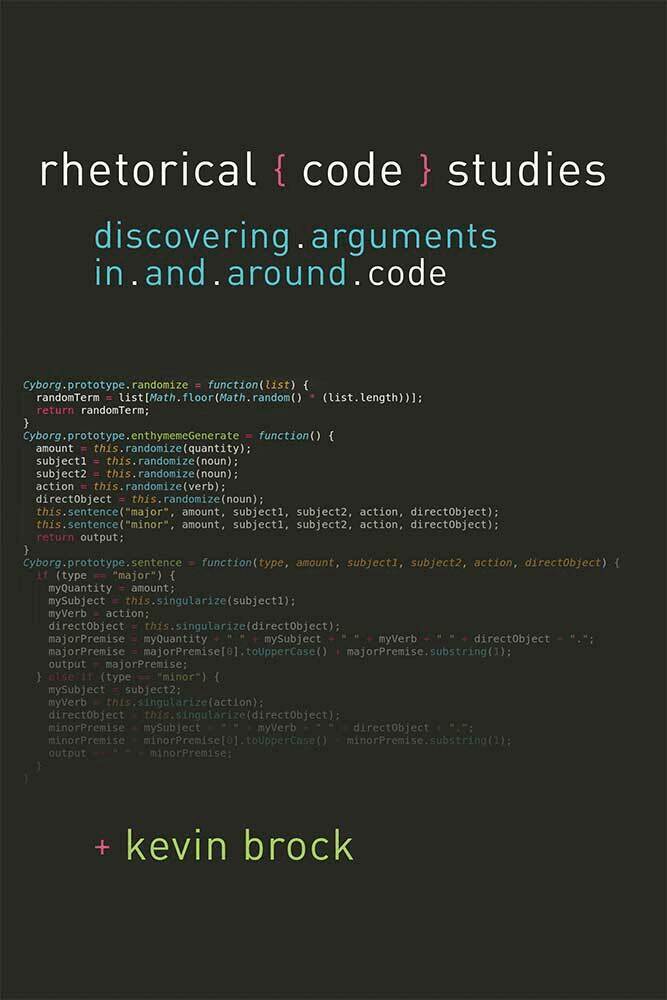
Winner of the 2017 Sweetland Digital Rhetoric Collaborative Book Prize Software developers work rhetorically to make meaning through the code they write. In some ways, writing code is like any other form of communication; in others, it proves to be new, exciting, and unique. In Rhetorical Code Studies, Kevin Brock explores how software code serves as meaningful communication through which software developers construct arguments that are made up of logical procedures and express both implicit and explicit claims as to how a given program operates.Building on current scholarly work in digital rhetoric, software studies, and technical communication, Brock connects and continues ongoing conversations among rhetoricians, technical communicators, software studies scholars, and programming practitioners to demonstrate how software code and its surrounding discourse are highly rhetorical forms of communication. He considers examples ranging from large, well-known projects like Mozilla Firefox to small-scale programs like the “FizzBuzz” test common in many programming job interviews. Undertaking specific examinations of code texts as well as the contexts surrounding their composition, Brock illuminates the variety and depth of rhetorical activity taking place in and around code, from individual differences in style to changes in large-scale organizational and community norms.Rhetorical Code Studies holds significant implications for digital communication, multimodal composition, and the cultural analysis of software and its creation. It will interest academics and students of writing, rhetoric, and software engineering as well as technical communicators and developers of all types of software.