Tales of a New Jerusalem – serie
Visar alla böcker i serien Tales of a New Jerusalem. Handla med fri frakt och snabb leverans.
13 produkter
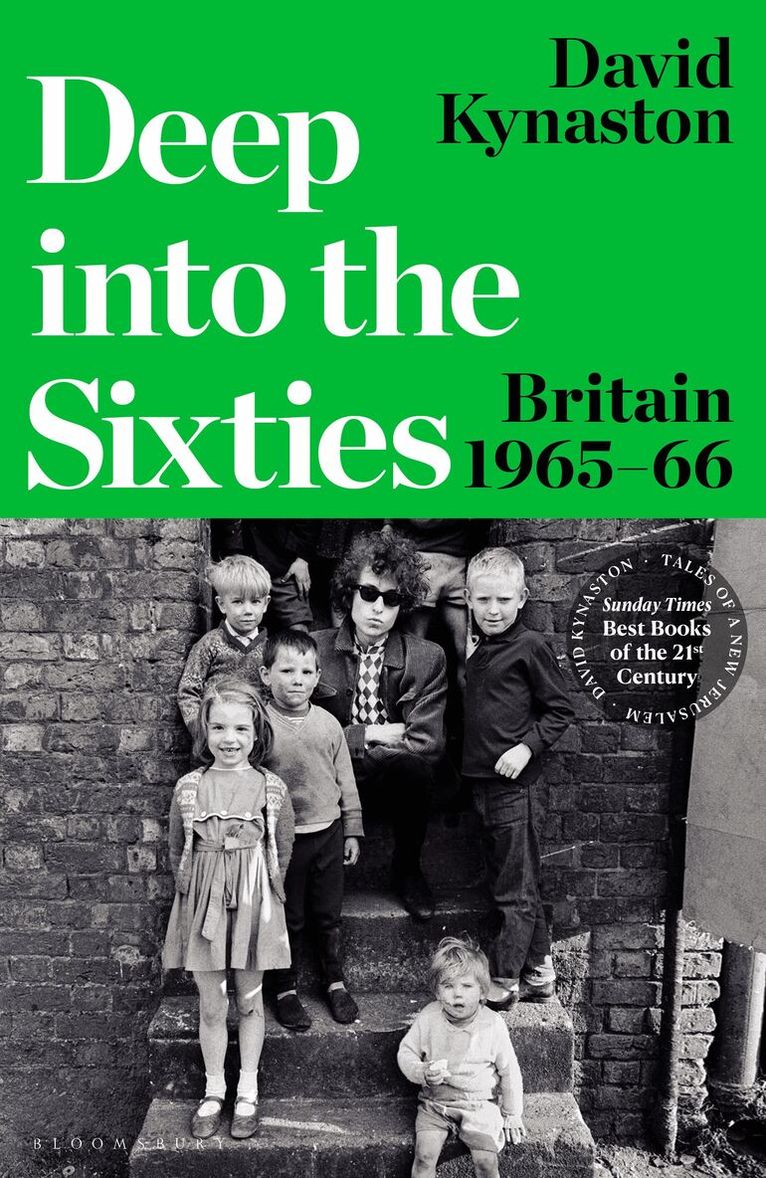
Deep into the Sixties
Britain 1965–66
Inbunden, 2026
388 kr
Lägg i varukorg
‘As thrilling as ever’ CRAIG BROWN, SUNDAY TIMES‘A tour de force of popular history’ BLAKE MORRISON, GUARDIAN‘This glorious historical monument slows, expands and luxuriously stretches to encompass one of the defining moments of change in our history’ PHILIP HENSHER, SPECTATOR‘The poet of postwar …
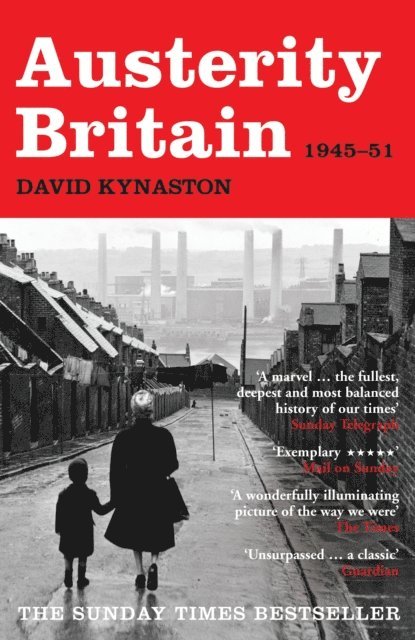
Austerity Britain, 1945-1951
E-bok, 2010
239 kr
Lägg i varukorg
This edition collects both volumes of Austerity Britain together for the first time ''This is a classic; buy at least three copies - one for yourself and two to give to friends and family'' Guardian The first book in the groundbreaking series that tells the story of Britain from VE Day in 1945 to …
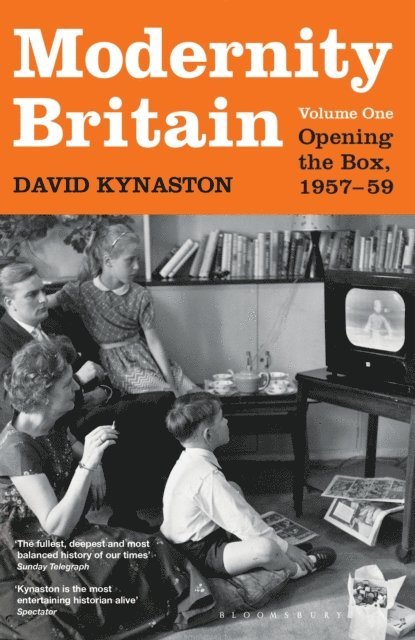
Modernity Britain
Book One: Opening the Box, 1957-1959
E-bok, 2013
276 kr
Lägg i varukorg
The late 1950s was an action-packed, often dramatic time in which the contours of modern Britain began to take shape. These were the ''never had it so good'' years, when the Carry On film series and the TV soap Emergency Ward 10 got going, and films like Room at the Top and plays like A Taste of …
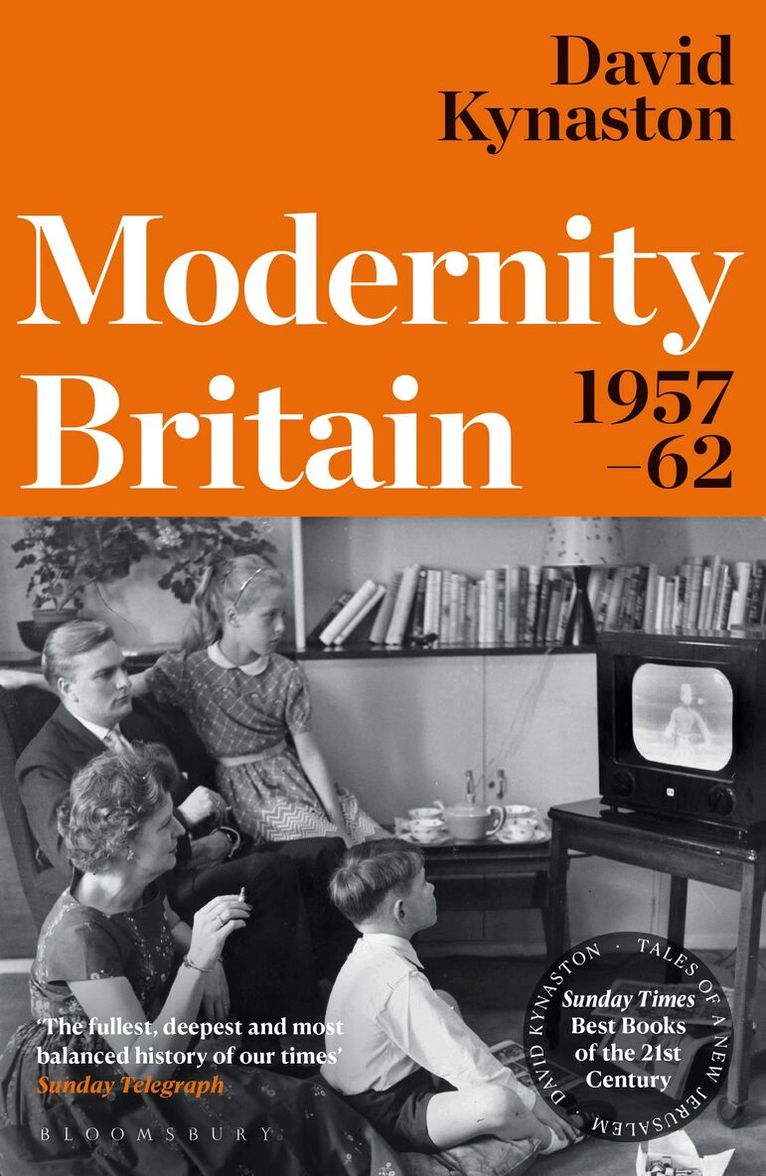
Modernity Britain
1957-1962
Häftad, 2015
214 kr
Lägg i varukorg
The third book in the celebrated ‘Tales of a New Jerusalem’ series – named one of the best books of the 21st century by the Sunday Times'Triumphant ... A historian of peerless sensitivity and curiosity about the lives of individuals' Financial Times'This superb history captures the birth pangs of …
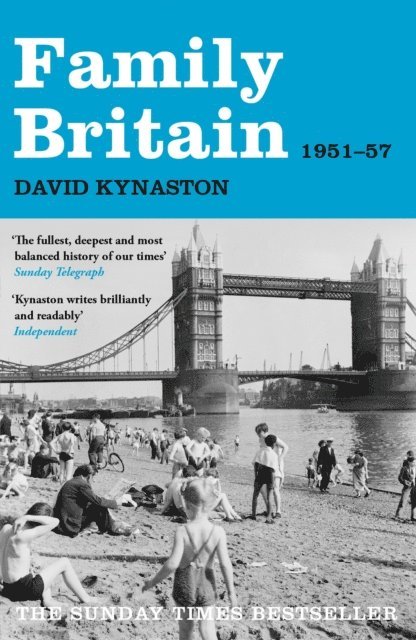
Family Britain, 1951-1957
E-bok, 2009
239 kr
Lägg i varukorg
Family Britain continues David Kynaston''s groundbreaking series Tales of a New Jerusalem , telling as never before the story of Britain from VE Day in 1945 to the election of Margaret Thatcher in 1979. ''The book is a marvel ... the level of detail is precise and fascinating'' Sunday Telegraph ''A …
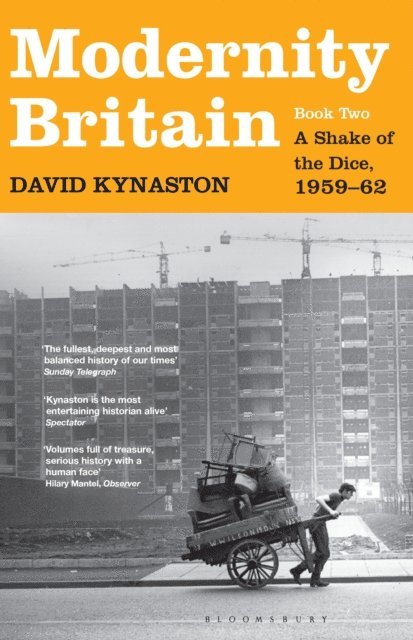
Modernity Britain
Book Two: a Shake of the Dice, 1959-62
E-bok, 2014
276 kr
Lägg i varukorg
Following Austerity Britain and Family Britain , the third volume in David Kynaston''s landmark social history of post-war Britain ''Triumphant ... A historian of peerless sensitivity and curiosity about the lives of individuals'' Financial Times ''This superb history captures the birth pangs of …
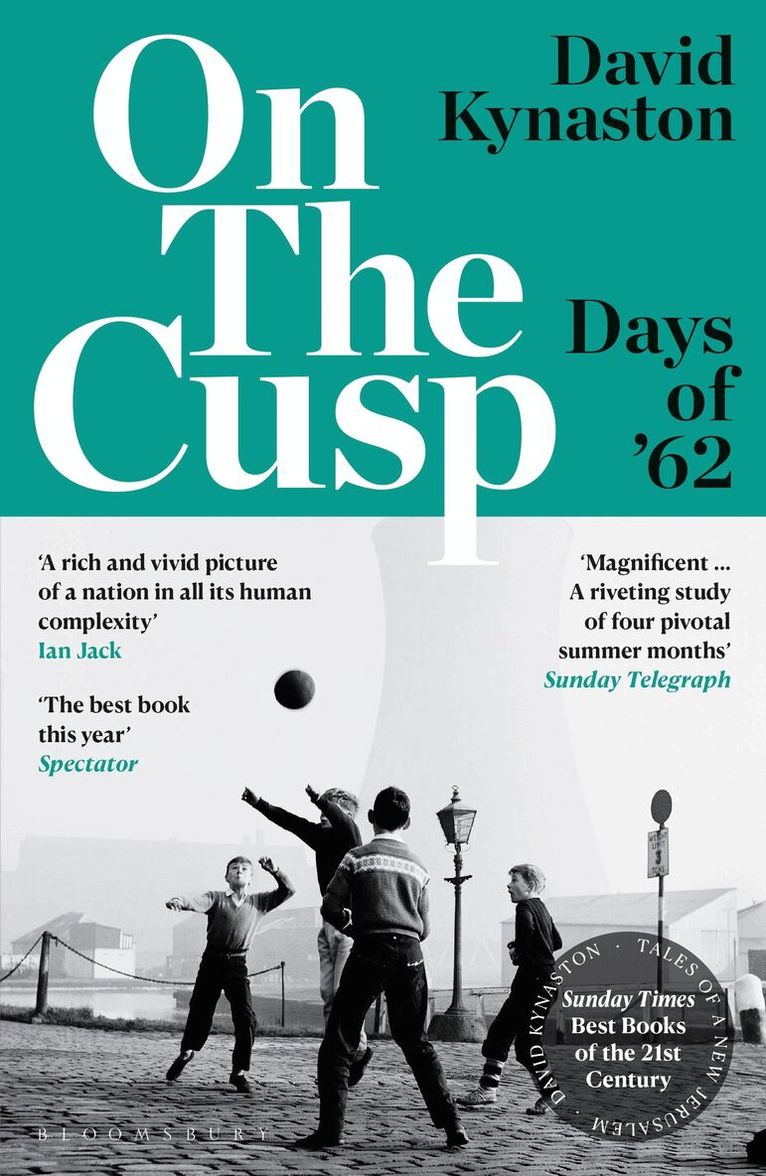
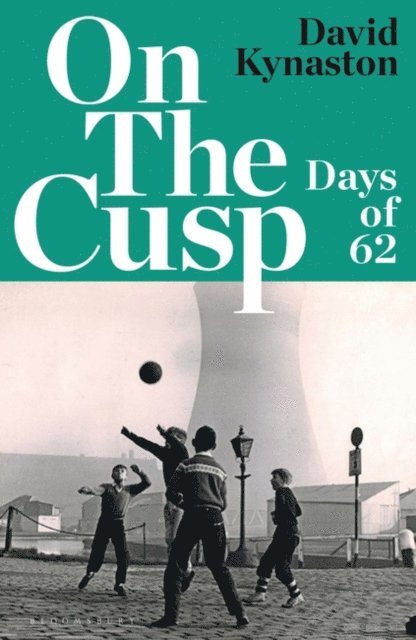
On the Cusp
Days of '62
Häftad, 2022
171 kr
Lägg i varukorg
The fourth book in the celebrated ‘Tales of a New Jerusalem’ series – named one of the best books of the 21st century by the Sunday TimesA TIMES BEST PAPERBACK OF 2022------------------'Glorious ... It's rare to read anything so teeming with life' SPECTATOR, Books of the Year'This is Kynaston at …
On the Cusp
Days of '62
E-bok, 2021
164 kr
Lägg i varukorg
A TIMES BEST PAPERBACK OF 2022 ------------------ ''Glorious ... It''s rare to read anything so teeming with life'' SPECTATOR , Books of the Year ''This is Kynaston at his best ... A rich and vivid picture of a nation in all its human complexity'' IAN JACK ''A compulsive read ... Generous as well …
On the Cusp
Days of '62
E-bok, 2021
164 kr
Lägg i varukorg
A TIMES BEST PAPERBACK OF 2022 ------------------ ''Glorious ... It''s rare to read anything so teeming with life'' SPECTATOR , Books of the Year ''This is Kynaston at his best ... A rich and vivid picture of a nation in all its human complexity'' IAN JACK ''A compulsive read ... Generous as well …
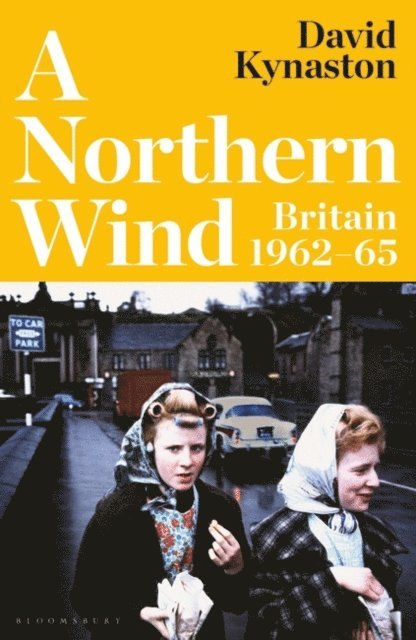
Northern Wind
Britain 1962-65
E-bok, 2023
189 kr
Lägg i varukorg
A WATERSTONES, TIMES , TELEGRAPH, NEW STATESMAN , SPECTATOR AND BBC HISTORY MAGAZINE BOOK OF THE YEAR The early sixties in Britain told as only David Kynaston (''the most entertaining historian alive'' Spectator ) can. Running from 1962 to 1965, A Northern Wind is the anticipated new volume in the …
Northern Wind
Britain 1962-65
E-bok, 2023
189 kr
Lägg i varukorg
A WATERSTONES, TIMES , TELEGRAPH, NEW STATESMAN , SPECTATOR AND BBC HISTORY MAGAZINE BOOK OF THE YEAR The early sixties in Britain told as only David Kynaston (''the most entertaining historian alive'' Spectator ) can. Running from 1962 to 1965, A Northern Wind is the anticipated new volume in the …
Deep into the Sixties
Britain 1965–66
Häftad, 2027
166 kr
Kommande
‘As thrilling as ever’ CRAIG BROWN, SUNDAY TIMES‘A tour de force of popular history’ BLAKE MORRISON, GUARDIAN‘This glorious historical monument slows, expands and luxuriously stretches to encompass one of the defining moments of change in our history’ PHILIP HENSHER, SPECTATOR‘The poet of postwar …
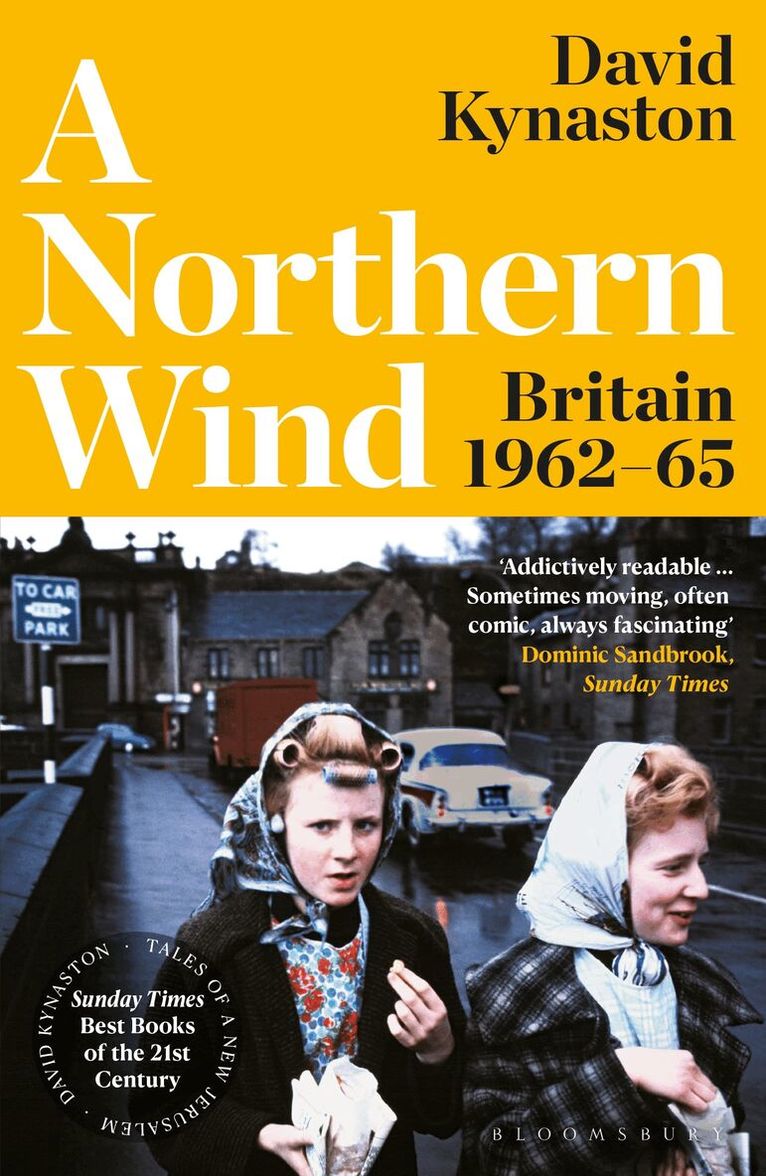
A Northern Wind
Britain 1962-65
Häftad, 2024
167 kr
Tillfälligt slut
The fifth book in the celebrated ‘Tales of a New Jerusalem’ series – named one of the best books of the 21st century by the Sunday TimesThe early sixties in Britain told as only David Kynaston ('the most entertaining historian alive' Spectator) can. Running from 1962 to 1965, A Northern Wind is the …