Teaching Archaeology: Case Studies in Research and the Culture of Fieldwork – serie
Visar alla böcker i serien Teaching Archaeology: Case Studies in Research and the Culture of Fieldwork. Handla med fri frakt och snabb leverans.
4 produkter
4 produkter
538 kr
Kommande
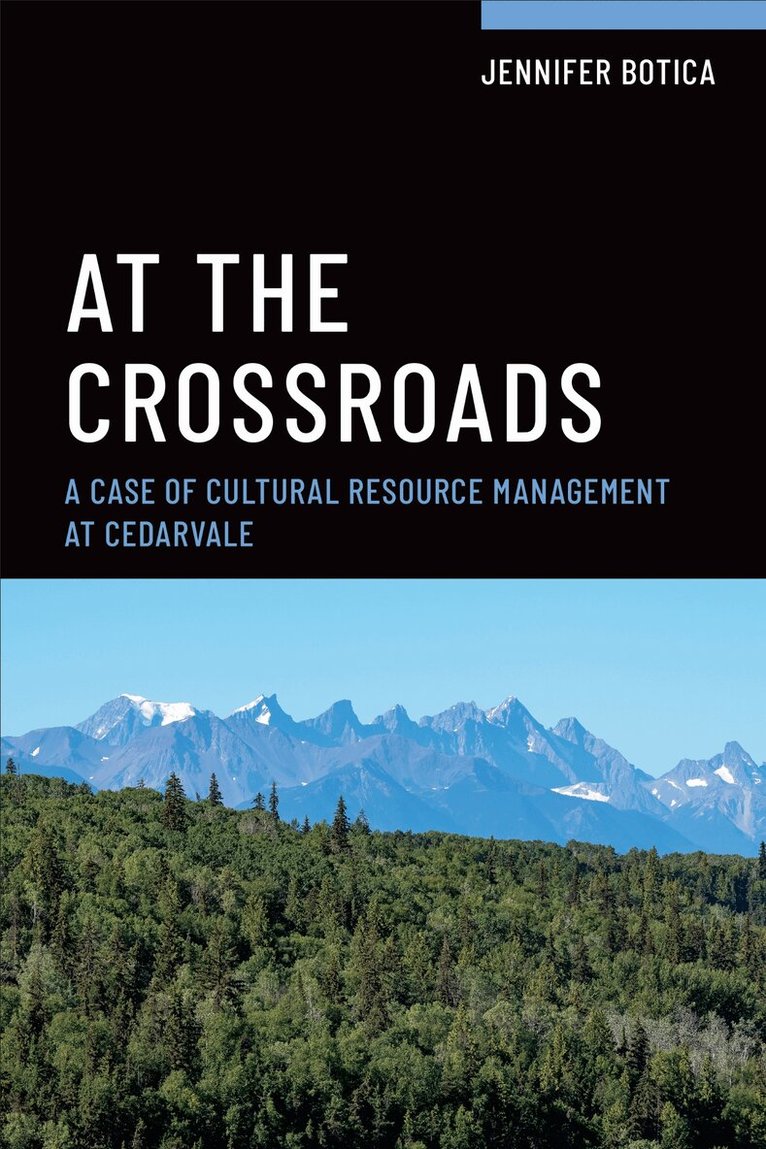
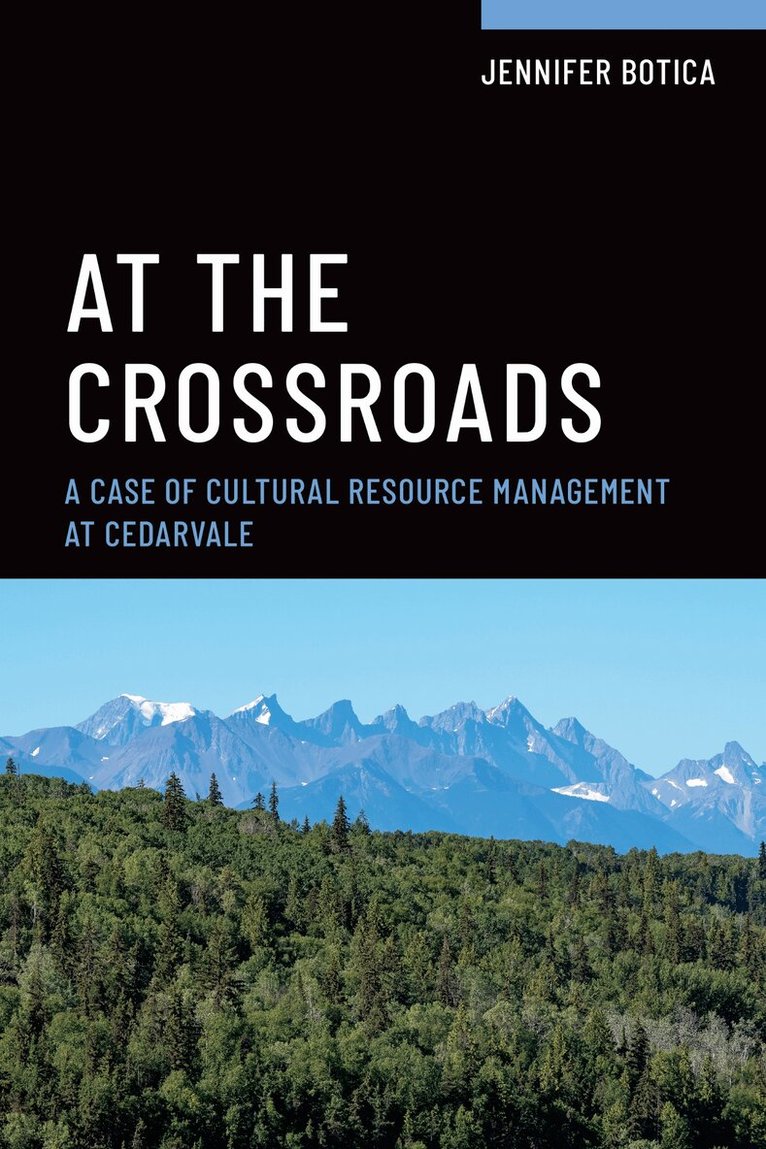
Set in Gitxsan territory in Northern British Columbia, At the Crossroads provides a first-hand account of a cultural resource management (CRM) project. Beginning with the initial client call, the book lays out the challenges of a tight timeline, limited budget, and hastily pulled together team. Working with competing interest and a discipline in need of modernizing, Jennifer Botica reflects on her experience as a consulting archaeologist, living in camp, excavating sites, working within heritage legislation, and collaborating with local First Nations.Reflecting on the project a decade after it was completed, Botica considers not only the work of her own team, which pushed back the dates for occupation on the Skeena River, but also her own practice as a consulting archaeologist coming of age at a time when issues related to Indigenous title and rights, heritage sovereignty, community-based research, gender, and power could no longer be ignored. Offering a unique perspective on the field, At the Crossroads presents a thoughtful critical analysis of CRM and the changing nature of archaeology as it moves to a more equitable, sustainable, informed, and ethical practice.
202 kr
Kommande
Set in Gitxsan territory in Northern British Columbia, At the Crossroads provides a first-hand account of a cultural resource management (CRM) project. Beginning with the initial client call, the book lays out the challenges of a tight timeline, limited budget, and hastily pulled together team. Working with competing interest and a discipline in need of modernizing, Jennifer Botica reflects on her experience as a consulting archaeologist, living in camp, excavating sites, working within heritage legislation, and collaborating with local First Nations.Reflecting on the project a decade after it was completed, Botica considers not only the work of her own team, which pushed back the dates for occupation on the Skeena River, but also her own practice as a consulting archaeologist coming of age at a time when issues related to Indigenous title and rights, heritage sovereignty, community-based research, gender, and power could no longer be ignored. Offering a unique perspective on the field, At the Crossroads presents a thoughtful critical analysis of CRM and the changing nature of archaeology as it moves to a more equitable, sustainable, informed, and ethical practice.
254 kr
Kommande
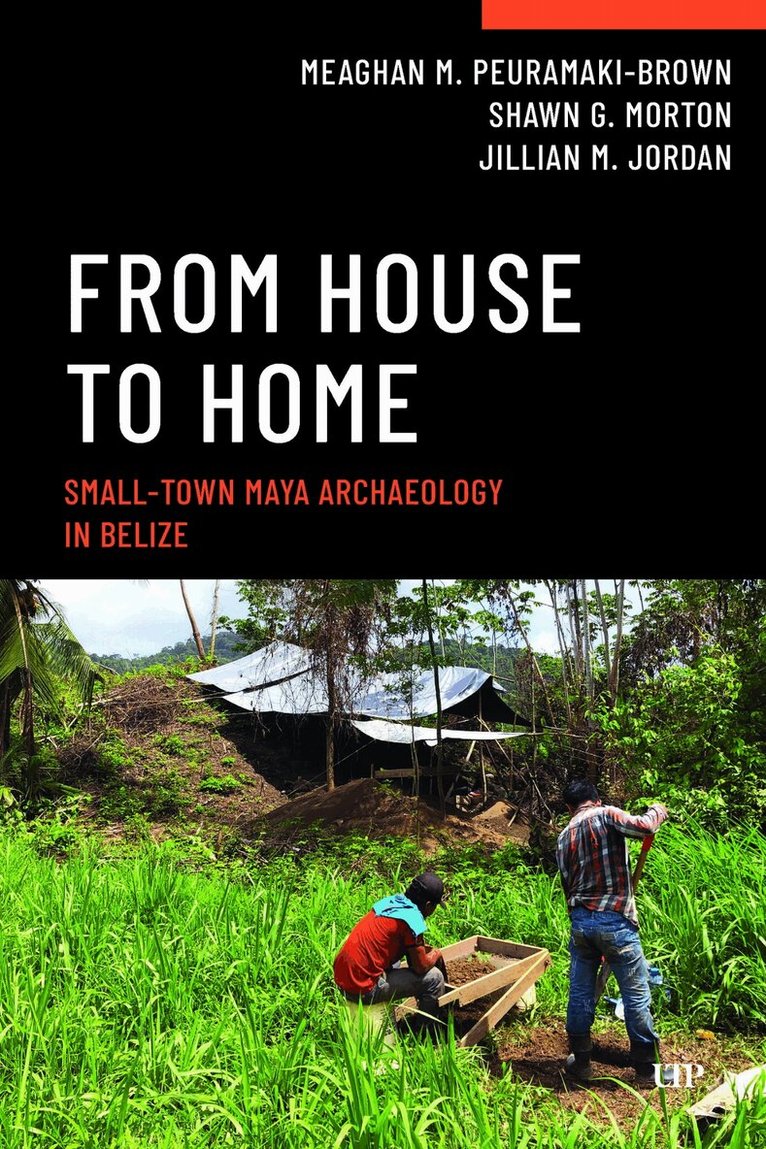
How and why do archaeologists start a project? Where do they begin? What do they do?This book presents a case study from the ongoing Stann Creek Regional Archaeology Project (SCRAP) in Belize, Central America. The authors explore their long-term archaeology research project involving foreign researchers working together with local Maya villagers.Archaeologists Meaghan M. Peuramaki-Brown, Shawn G. Morton, and Jillian M. Jordan deviate from popular narratives surrounding the civilization by studying a small, relatively short-lived (ca. 700–900 AD) Ancestral Maya town along the eastern frontier, focusing on the educational processes involved in archaeological thought and practice. They examine the culture of archaeology in Belize and the Maya Peoples involved in engaging and transforming this culture and the resulting research. They liken the building of their research project to the construction of a traditional Mopan Maya house or nah. Each chapter is linked to a stage of house construction and correlated elements of the project's development and ends with the creation of a home or otoch.Through this framing of SCRAP’s story within a central aspect of a present-day Mopan Maya community, this book attempts to turn archaeology from the study of the past to a conversation with the present.
205 kr
Skickas inom 7-10 vardagar
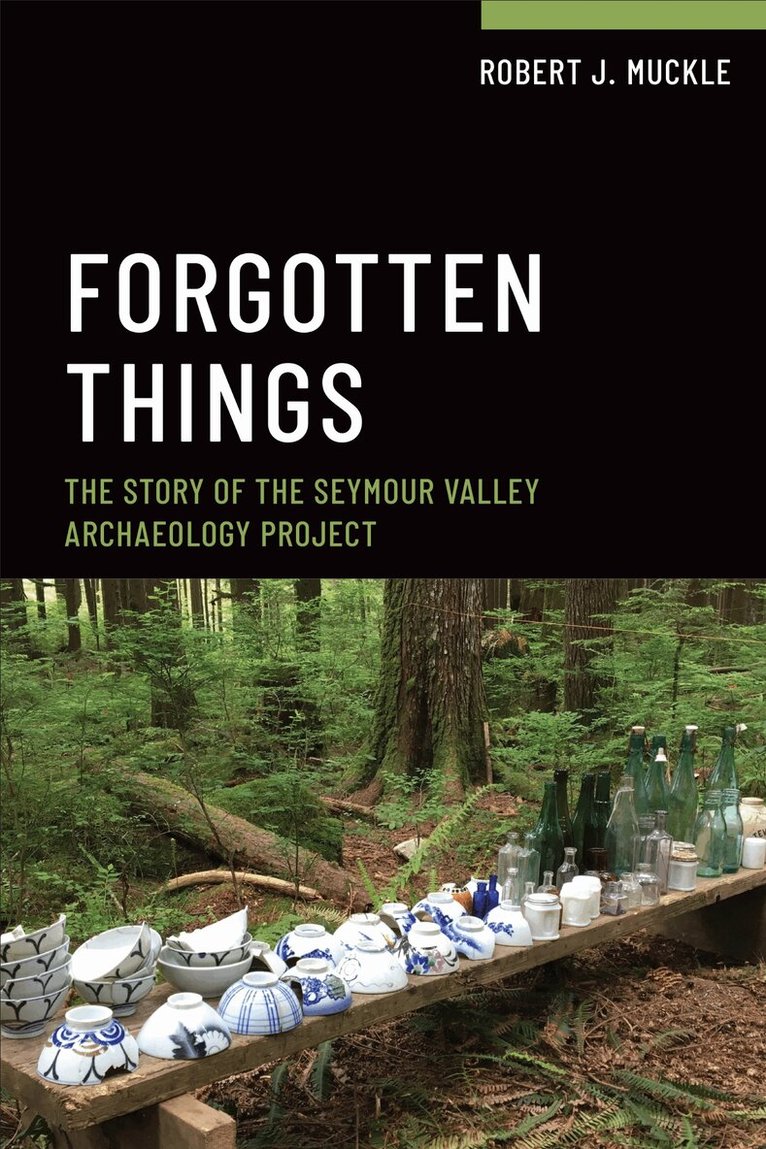
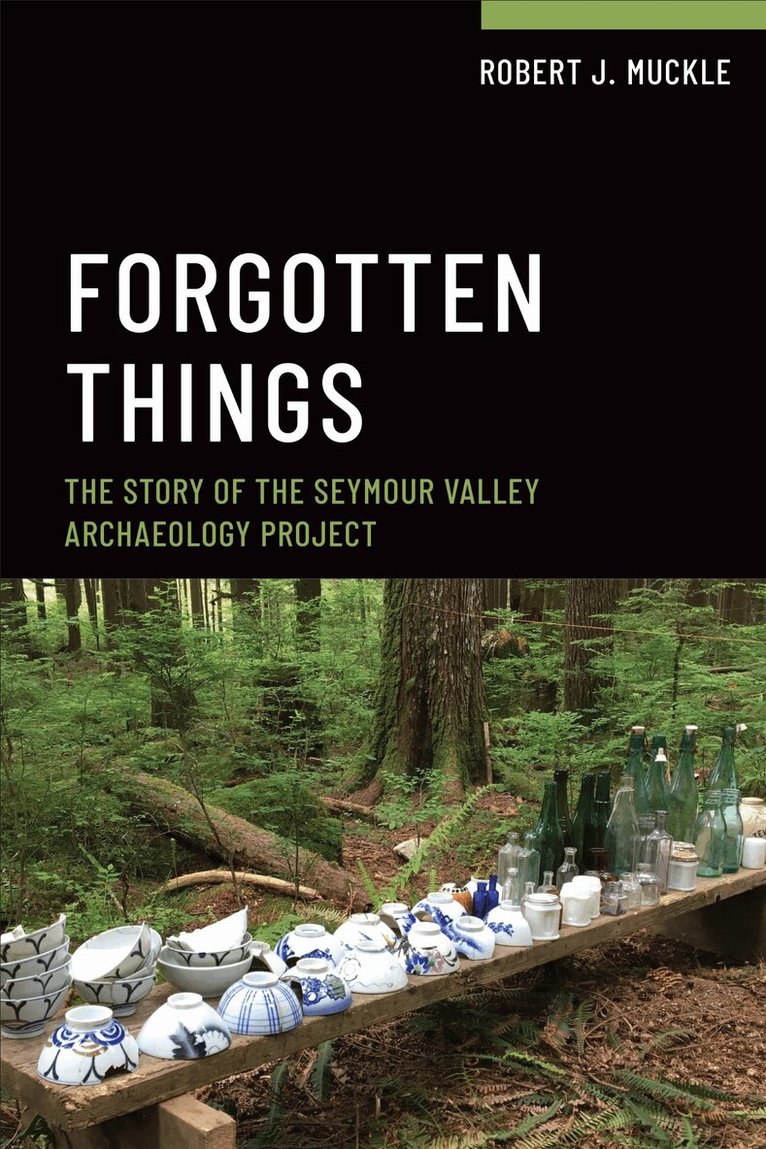
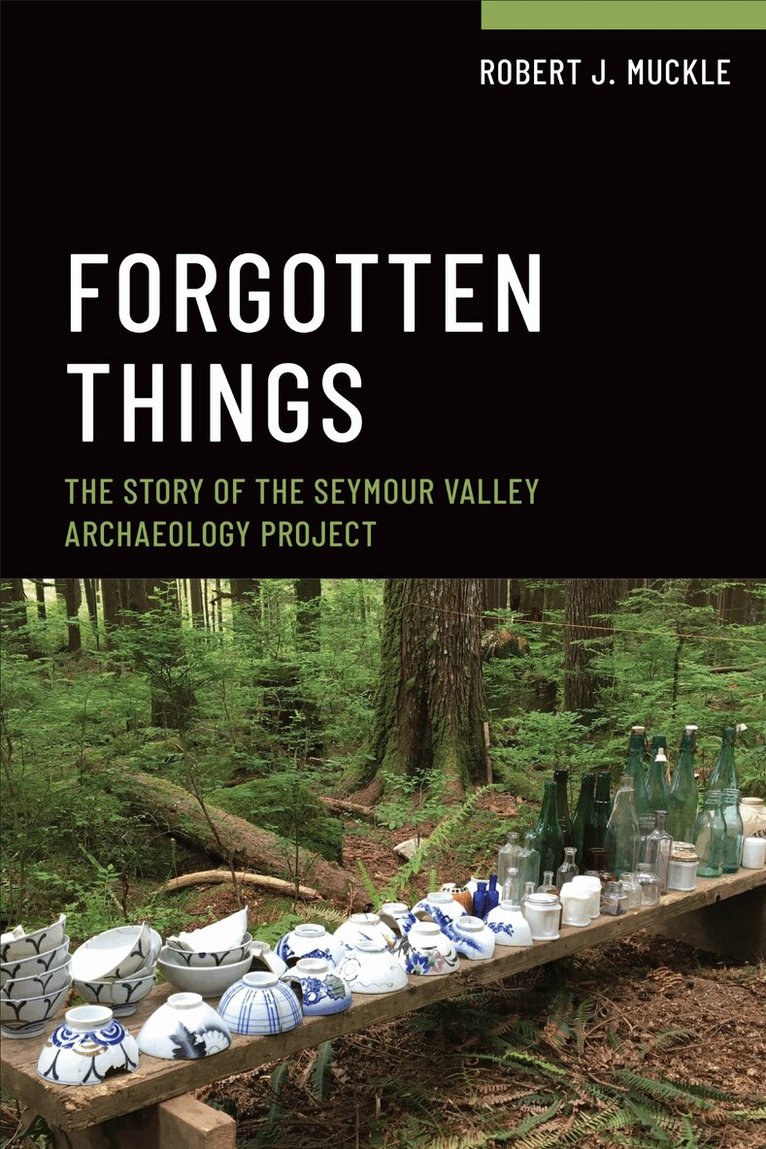
Based on a long-term archaeology project, Forgotten Things provides an account of working with field school students to discover and excavate archaeological sites, including early twentieth-century Japanese camps, in the Seymour Valley of British Columbia.The first book in the new Teaching Archaeology series, Forgotten Things gives students a real-world example of archaeological research in practice. It provides an overview of the Seymour Valley ArchaeologyProject from the initial phone call to the disposition of artifacts and archiving of records. The book takes the reader from the inception of the project through fieldwork, laboratory work, drawing inferences, and making the research meaningful. It delves into considerations that guide research design and methods, and it examines the culture of archaeological fieldwork. Through anecdotes, stories from the field, and extracts from field notes, Forgotten Things offers rare insight into the realities of archaeological research not often seen in archaeological studies.