Textbooks in Family Studies - Böcker
Visar alla böcker i serien Textbooks in Family Studies. Handla med fri frakt och snabb leverans.
16 produkter
16 produkter
2 167 kr
Skickas inom 10-15 vardagar
In this fully revised new edition, Father-Daughter Relationships: Contemporary Research and Issues summarises and analyses the most relevant research regarding father-daughter relationships, aiming to break down the persistent misconceptions regarding fatherhood and father-daughter relationships and encourage the reader to take a more objective and analytical approach. The research is brought to life with compelling personal stories from fathers and daughters, including well-known celebrities and politicians. Boxed quizzes and questionnaires show students how the research can be applied to their own lives while others highlight the relationships between real-life fathers and daughters. Nielsen discusses the father-daughter relationship within a diverse range of family structures, including divorced and separated parents, gay parents, adopted children and children of sperm donors. Covering a wide range of topics, including the father’s impact on his daughter’s cognitive, academic, social and physical wellbeing, ethnic minorities, and incarcerated or abusive fathers, Father-Daughter Relationships: Contemporary Research and Issues gives panoramic view of the most recent research and statistics. This book is essential reading for upper level undergraduate and for graduate students, as well as for practitioners working with families, such as social workers, mental health professionals and family counsellors. It is especially relevant for courses in psychology, sociology, women’s studies, and counselling. Linda Nielsen is a Professor of Adolescent and Educational Psychology at Wake Forest University. A member of the faculty for 35 years, she is a nationally recognized expert on father-daughter relationships.
578 kr
Skickas inom 10-15 vardagar
In this fully revised new edition, Father-Daughter Relationships: Contemporary Research and Issues summarises and analyses the most relevant research regarding father-daughter relationships, aiming to break down the persistent misconceptions regarding fatherhood and father-daughter relationships and encourage the reader to take a more objective and analytical approach. The research is brought to life with compelling personal stories from fathers and daughters, including well-known celebrities and politicians. Boxed quizzes and questionnaires show students how the research can be applied to their own lives while others highlight the relationships between real-life fathers and daughters. Nielsen discusses the father-daughter relationship within a diverse range of family structures, including divorced and separated parents, gay parents, adopted children and children of sperm donors. Covering a wide range of topics, including the father’s impact on his daughter’s cognitive, academic, social and physical wellbeing, ethnic minorities, and incarcerated or abusive fathers, Father-Daughter Relationships: Contemporary Research and Issues gives panoramic view of the most recent research and statistics. This book is essential reading for upper level undergraduate and for graduate students, as well as for practitioners working with families, such as social workers, mental health professionals and family counsellors. It is especially relevant for courses in psychology, sociology, women’s studies, and counselling. Linda Nielsen is a Professor of Adolescent and Educational Psychology at Wake Forest University. A member of the faculty for 35 years, she is a nationally recognized expert on father-daughter relationships.
2 104 kr
Skickas inom 10-15 vardagar
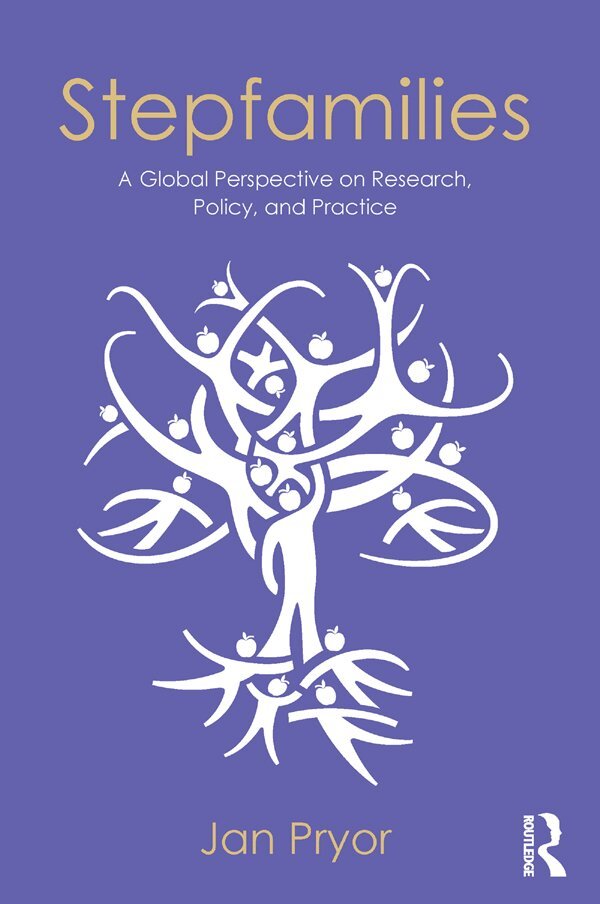
This new book reviews the most current global research and highlights the challenges, possibilities, and dynamics of stepfamily households. It describes their formation, their experiences, and the factors that help them thrive. International and cultural differences are highlighted throughout along with issues of class, gender, and religion. Nontraditional stepfamilies such as those headed by same-sex families are also explored along with clinical and legal issues. Engagingly written with numerous vignettes and examples, each chapter features objectives, an introduction, boldfaced key terms, summary, list of key terms, discussion questions, exercises, and additional text and web resources. The book concludes with a glossary.Highlights of coverage include: The history, diversity, and demography of stepfamilies (ch. 1). Frameworks for thinking about stepfamilies (ch. 2). The impact of race and culture on stepfamily dynamics (ch. 3). Stepfamily formation including the role of cohabitation and lone parenting (ch.4). The wellbeing of adults in stepfamilies including resident and nonresident parents (ch.5). Relationships in stepfamilies including those between adults, between adults and children, and between siblings (chs. 6 & 7). Children’s wellbeing in stepfamilies, and factors that help explain outcomes (ch. 8). The importance of intergenerational relationships (ch.9). Stepfamilies headed by sex couples; wellbeing, stigma and legal issues (ch. 10). Factors that promote wellbeing in stepfamilies such as communication patterns, rituals, and flexibility (ch.11). Interventions and therapy, and recent legal and policy issues (chs. 12 & 13). New ways of thinking about stepfamily living (ch. 14).Intended as a core advanced undergraduate/beginning graduate text for courses on stepfamilies or as a supplement for courses on divorce, family studies, introduction to the family, and/or marriage and the family taught in human development and family studies, psychology, sociology, and social work, the book also appeals to those who work with stepfamilies in a counseling or legal setting.
751 kr
Skickas inom 10-15 vardagar
This new book reviews the most current global research and highlights the challenges, possibilities, and dynamics of stepfamily households. It describes their formation, their experiences, and the factors that help them thrive. International and cultural differences are highlighted throughout along with issues of class, gender, and religion. Nontraditional stepfamilies such as those headed by same-sex families are also explored along with clinical and legal issues. Engagingly written with numerous vignettes and examples, each chapter features objectives, an introduction, boldfaced key terms, summary, list of key terms, discussion questions, exercises, and additional text and web resources. The book concludes with a glossary.Highlights of coverage include: The history, diversity, and demography of stepfamilies (ch. 1). Frameworks for thinking about stepfamilies (ch. 2). The impact of race and culture on stepfamily dynamics (ch. 3). Stepfamily formation including the role of cohabitation and lone parenting (ch.4). The wellbeing of adults in stepfamilies including resident and nonresident parents (ch.5). Relationships in stepfamilies including those between adults, between adults and children, and between siblings (chs. 6 & 7). Children’s wellbeing in stepfamilies, and factors that help explain outcomes (ch. 8). The importance of intergenerational relationships (ch.9). Stepfamilies headed by sex couples; wellbeing, stigma and legal issues (ch. 10). Factors that promote wellbeing in stepfamilies such as communication patterns, rituals, and flexibility (ch.11). Interventions and therapy, and recent legal and policy issues (chs. 12 & 13). New ways of thinking about stepfamily living (ch. 14).Intended as a core advanced undergraduate/beginning graduate text for courses on stepfamilies or as a supplement for courses on divorce, family studies, introduction to the family, and/or marriage and the family taught in human development and family studies, psychology, sociology, and social work, the book also appeals to those who work with stepfamilies in a counseling or legal setting.
914 kr
Skickas inom 10-15 vardagar
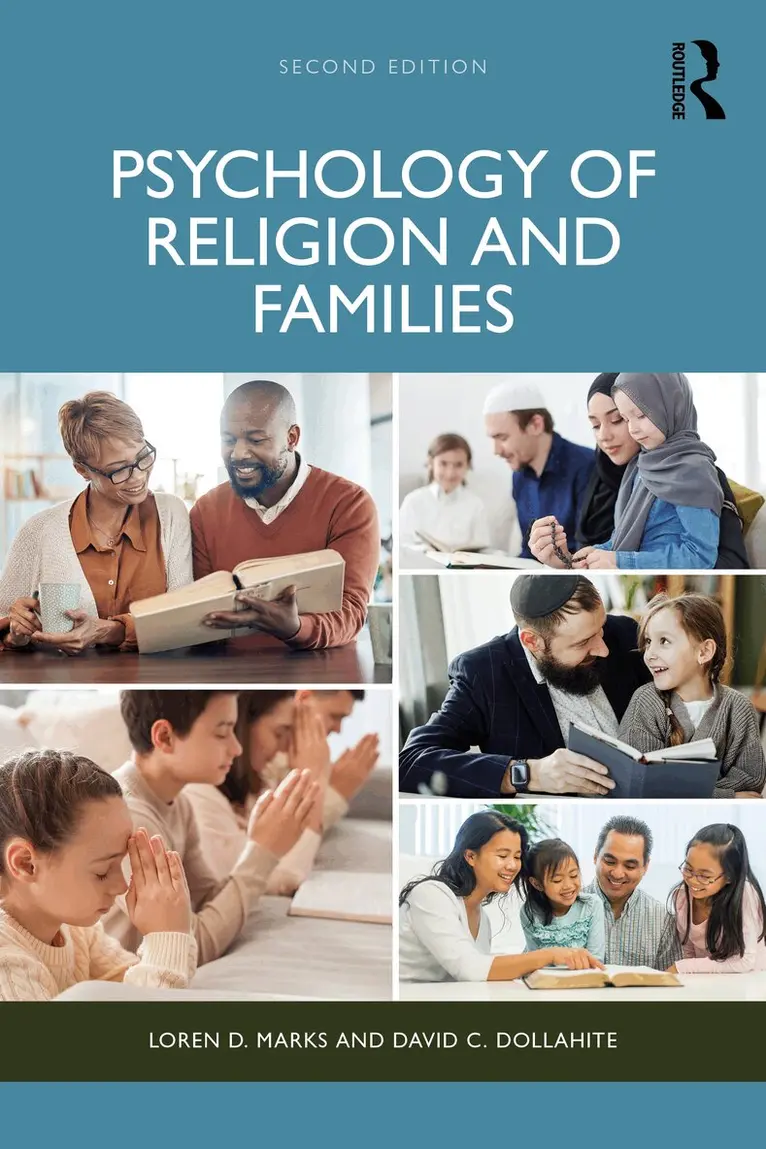
Now in its second edition, this multidisciplinary text addresses the growing scholarly connection between religion and family life while offering an accurate and engaging account of why and how families are impacted by their religion.This updated volume integrates the social science literature from family studies, psychology, sociology, and religion with narratives drawn from in-depth interviews with 300 racially, religiously, and regionally diverse families that bring the concepts to life. Written in a thought-provoking, accessible style by two of the leading researchers in the field, this book reflects the author’s first-hand experience in teaching today’s students about religion’s influence on families. This book examines Christianity, Judaism, and Islam, addresses the impact of religious involvement on longevity, divorce rates, and parenting styles, and considers demographic, family, couple, and individual-level data that relate to prayer and other sacred practices. New chapters explore:The Conflicts, Struggle, and Stressors of ReligionRacial and Ethnic Minorities and ReligionReligion, Sex, and Gender Roles in MarriagePedagogical features include boldfaced key terms defined in the glossary, text boxes, chapter conclusions, summary points, and review questions. Intended as a text for undergraduate courses in family and religion, the psychology or sociology of the family, the psychology or sociology of religion, pastoral/biblical counseling, or family and youth ministry, taught in human development and family studies, psychology, sociology, religion, social work, pastoral counseling, and philosophy, this book is also relevant to family therapists and counselors.
2 104 kr
Skickas inom 10-15 vardagar
Now in its second edition, this multidisciplinary text addresses the growing scholarly connection between religion and family life while offering an accurate and engaging account of why and how families are impacted by their religion.This updated volume integrates the social science literature from family studies, psychology, sociology, and religion with narratives drawn from in-depth interviews with 300 racially, religiously, and regionally diverse families that bring the concepts to life. Written in a thought-provoking, accessible style by two of the leading researchers in the field, this book reflects the author’s first-hand experience in teaching today’s students about religion’s influence on families. This book examines Christianity, Judaism, and Islam, addresses the impact of religious involvement on longevity, divorce rates, and parenting styles, and considers demographic, family, couple, and individual-level data that relate to prayer and other sacred practices. New chapters explore:The Conflicts, Struggle, and Stressors of ReligionRacial and Ethnic Minorities and ReligionReligion, Sex, and Gender Roles in MarriagePedagogical features include boldfaced key terms defined in the glossary, text boxes, chapter conclusions, summary points, and review questions. Intended as a text for undergraduate courses in family and religion, the psychology or sociology of the family, the psychology or sociology of religion, pastoral/biblical counseling, or family and youth ministry, taught in human development and family studies, psychology, sociology, religion, social work, pastoral counseling, and philosophy, this book is also relevant to family therapists and counselors.
2 440 kr
Skickas inom 10-15 vardagar
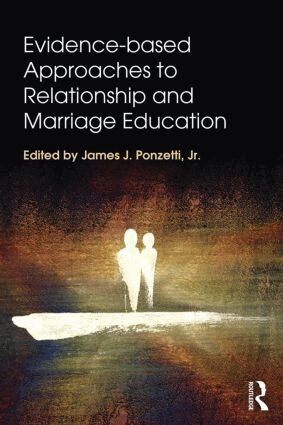
This is the first book to provide a comprehensive, multidisciplinary overview of evidence-based relationship and marriage education (RME) programs. Readers are introduced to the best practices for designing, implementing, and evaluating effective RME programs to better prepare them to teach clients how to have healthy intimate relationships. Noted contributors from various disciplines examine current programs and best practices, often by the original developers themselves. Readers learn to critically appraise approaches and design and implement effective, evidence-based programs in the future. Examples and discussion questions encourage readers to examine issues and apply what they have learned. The conceptual material in Parts I & II provides critical guidance for practitioners who wish to develop, implement, and evaluate RME programs in various settings.Chapters in Parts III & IV follow a consistent structure so readers can more easily compare programs-- program overview and history, theoretical foundations, needs assessment and target audience, program goals & objectives, curriculum issues, cultural Implications, evidence based research and evaluation, and additional resources. This book reflects what the editor has learned from teaching relationship development and family life education courses over the past decade and includes the key information that students need to become competent professionals. Highlights of the book’s coverage include: Comprehensive summary of effective evidence-based RME training programs in one volume. Prepares readers for professional practice as a Certified Family Life Educator (CFLE) by highlighting the fundamentals of developing RME programs. Describes the challenges associated with RME program evaluation.The book opens with a historical overview of RME development. It is followed by 20 chapters divided in six parts. The initial four chapters focus on fundamentals of relationship and marriage education --program development, required training, delivery systems, and implementation. The three chapters in Part II consider important conceptual and theoretical frameworks used in RME. Part III considers best practices in inventory based programs while Part IV examines six skills-based programs. The chapters in Parts III and IV consider program overview and history, theoretical foundations, needs assessment and target audience, program goals and objectives, curriculum issues, cultural implications, evidence-based research & evaluation, and additional resources. This content covers four categories of effective programs -- design and content, relevance, delivery and implementation, and assessment and quality assurance. Part V presents evidence-based RME with diverse groups and Part VI reviews future directions.Intended for use in advanced undergraduate or graduate courses in relationship and marriage education, family life education, marriage and relationship counseling/therapy, intimate relationships, relationship development, or home/school/community services taught in human development and family studies, psychology, social work, sociology, religion, and more, this ground-breaking book also serves as a resource for practitioners, therapists, counselors, clergy members, and policy makers interested in evidence based RME programs and those seeking to become Certified Family Life Educators or preparing for a career in RME.
796 kr
Skickas inom 10-15 vardagar
This is the first book to provide a comprehensive, multidisciplinary overview of evidence-based relationship and marriage education (RME) programs. Readers are introduced to the best practices for designing, implementing, and evaluating effective RME programs to better prepare them to teach clients how to have healthy intimate relationships. Noted contributors from various disciplines examine current programs and best practices, often by the original developers themselves. Readers learn to critically appraise approaches and design and implement effective, evidence-based programs in the future. Examples and discussion questions encourage readers to examine issues and apply what they have learned. The conceptual material in Parts I & II provides critical guidance for practitioners who wish to develop, implement, and evaluate RME programs in various settings.Chapters in Parts III & IV follow a consistent structure so readers can more easily compare programs-- program overview and history, theoretical foundations, needs assessment and target audience, program goals & objectives, curriculum issues, cultural Implications, evidence based research and evaluation, and additional resources. This book reflects what the editor has learned from teaching relationship development and family life education courses over the past decade and includes the key information that students need to become competent professionals. Highlights of the book’s coverage include: Comprehensive summary of effective evidence-based RME training programs in one volume. Prepares readers for professional practice as a Certified Family Life Educator (CFLE) by highlighting the fundamentals of developing RME programs. Describes the challenges associated with RME program evaluation.The book opens with a historical overview of RME development. It is followed by 20 chapters divided in six parts. The initial four chapters focus on fundamentals of relationship and marriage education --program development, required training, delivery systems, and implementation. The three chapters in Part II consider important conceptual and theoretical frameworks used in RME. Part III considers best practices in inventory based programs while Part IV examines six skills-based programs. The chapters in Parts III and IV consider program overview and history, theoretical foundations, needs assessment and target audience, program goals and objectives, curriculum issues, cultural implications, evidence-based research & evaluation, and additional resources. This content covers four categories of effective programs -- design and content, relevance, delivery and implementation, and assessment and quality assurance. Part V presents evidence-based RME with diverse groups and Part VI reviews future directions.Intended for use in advanced undergraduate or graduate courses in relationship and marriage education, family life education, marriage and relationship counseling/therapy, intimate relationships, relationship development, or home/school/community services taught in human development and family studies, psychology, social work, sociology, religion, and more, this ground-breaking book also serves as a resource for practitioners, therapists, counselors, clergy members, and policy makers interested in evidence based RME programs and those seeking to become Certified Family Life Educators or preparing for a career in RME.
2 725 kr
Skickas inom 10-15 vardagar
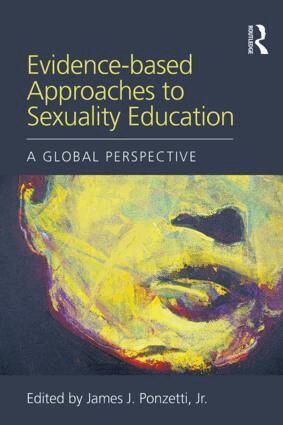
This is the first book to provide a multidisciplinary and global overview of evidence-based sexuality education (SE) programs and practices. Readers are introduced to the fundamentals of creating effective programs to prepare them to design new or implement existing programs that promote healthy sexual attitudes and relationships. Noted contributors from various disciplines critically evaluate evidence –based programs from around the globe and through the lifespan. Examples and discussion questions encourage application of the material. Guidance for those who wish to design, implement, and evaluate SE programs in various social contexts is provided. Each chapter follows a consistent structure so readers can easily compare programs: Learning Goals; Introduction; Conclusion; Key Points; Discussion Questions; and Additional Resources. The editor taught human sexuality and family life education courses for years. This book reviews the key information that his students needed to become competent professionals. Highlights of the book’s coverage include: Interdisciplinary, comprehensive summary of evidence-based SE programs in one volume. Prepares readers for professional practice as a Certified Family Life Educator (CFLE) or sex educator by highlighting the fundamentals of developing and implementing SE programs. Exposes readers to evidence-based SE programs from various social contexts including families, schools, communities, and religious institutions. Considers the developmental context of SE across the lifespan along with programs for LGBT individuals and persons with disabilities. Critically reviews SE programs from around the world including the US, Europe, Asia, Africa, Latin America, and other developing countries.The book opens with an historical overview. Part I focus on general frameworks of sexuality education including UNESCO’s International Technical Guidelines. How to develop, deliver, and implement evidence based SE programs, including ethical concerns, are explored in Part II. Part III exposes readers to evidence-based programs in various social contexts--families, schools, communities, and religious institutions. Part IV considers the developmental context of SE from early childhood through adolescence and adulthood along with programs for LGBT individuals and persons with disabilities. Part V examines diverse global contexts from the US, Latin America, Europe, Asia, Africa, and other developing countries. The book concludes with future trends and directions.Ideal for graduate or advanced undergraduate courses in sex education, sexual health, human sexuality, sex or marriage counseling, intimate relationships, family life education, or home, school, and community services taught in human development and family studies, psychology, social work, health education, nursing, education, and religion, and in seminaries and family clinics, the book also serves as a resource for practitioners, counselors, researchers, clergy members, and policy makers interested in evidence based SE programs, or those seeking to become CFLEs or sexuality educators.
983 kr
Skickas inom 10-15 vardagar
This is the first book to provide a multidisciplinary and global overview of evidence-based sexuality education (SE) programs and practices. Readers are introduced to the fundamentals of creating effective programs to prepare them to design new or implement existing programs that promote healthy sexual attitudes and relationships. Noted contributors from various disciplines critically evaluate evidence –based programs from around the globe and through the lifespan. Examples and discussion questions encourage application of the material. Guidance for those who wish to design, implement, and evaluate SE programs in various social contexts is provided. Each chapter follows a consistent structure so readers can easily compare programs: Learning Goals; Introduction; Conclusion; Key Points; Discussion Questions; and Additional Resources. The editor taught human sexuality and family life education courses for years. This book reviews the key information that his students needed to become competent professionals. Highlights of the book’s coverage include: Interdisciplinary, comprehensive summary of evidence-based SE programs in one volume. Prepares readers for professional practice as a Certified Family Life Educator (CFLE) or sex educator by highlighting the fundamentals of developing and implementing SE programs. Exposes readers to evidence-based SE programs from various social contexts including families, schools, communities, and religious institutions. Considers the developmental context of SE across the lifespan along with programs for LGBT individuals and persons with disabilities. Critically reviews SE programs from around the world including the US, Europe, Asia, Africa, Latin America, and other developing countries.The book opens with an historical overview. Part I focus on general frameworks of sexuality education including UNESCO’s International Technical Guidelines. How to develop, deliver, and implement evidence based SE programs, including ethical concerns, are explored in Part II. Part III exposes readers to evidence-based programs in various social contexts--families, schools, communities, and religious institutions. Part IV considers the developmental context of SE from early childhood through adolescence and adulthood along with programs for LGBT individuals and persons with disabilities. Part V examines diverse global contexts from the US, Latin America, Europe, Asia, Africa, and other developing countries. The book concludes with future trends and directions.Ideal for graduate or advanced undergraduate courses in sex education, sexual health, human sexuality, sex or marriage counseling, intimate relationships, family life education, or home, school, and community services taught in human development and family studies, psychology, social work, health education, nursing, education, and religion, and in seminaries and family clinics, the book also serves as a resource for practitioners, counselors, researchers, clergy members, and policy makers interested in evidence based SE programs, or those seeking to become CFLEs or sexuality educators.
1 591 kr
Tillfälligt slut
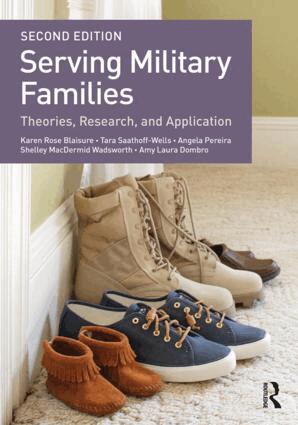
This text introduces readers to the unique culture of military families, their resilience, and the challenges of military life. Personal stories from nearly 70 active duty, reservists, veterans, and their families from all branches and ranks of the military bring their experiences to life. A review of the latest research, theories, policies, and programs better prepares readers for understanding and working with military families. Objectives, key terms, tables, figures, summaries, and exercises, including web based exercises, serve as a chapter review. The book concludes with a glossary. Readers learn about diverse careers within which they can make important differences for families. Engaging vignettes are featured throughout: Voices from the Frontlineoffer personal accounts of issues faced by actual program leaders, practitioners, researchers, policy makers, service members, veterans, and their families. Spotlight on Researchhighlights the latest studies on dealing with combat related issues. Best Practicesreview the optimal strategies used in the field. Tips from the Frontlineoffer suggestions from experienced personnel.Updated throughout including the latest demographic data, the new edition also features:-New chapter (9) on women service members that addresses the accomplishments and challenges faced by this population including sexual bias and assault, and combat-related psychological disorders.- New chapter (10) on veterans and families looks at veterans by era (e.g.WW2), each era’s signature issues and how those impact programs and policies, and challenges veterans may face such as employment, education, and mental and physical health issues.-Two new more comprehensive and cohesive chapters (11 & 12) review military and civilian programs, policies, and organizations that support military and veteran families.-Additional information on TBI and PTSD, the deployment cycle, stress and resilience, the possible negative effects of military life on families, same-sex couples and their children, and the recent increase in suicides in the military.-More applied cases and exercises that focus on providing services to military families. Intended as a text for advanced undergraduate or graduate courses on military families or as a supplement for courses on the family, marriage and family, stress and coping, or family systems taught in family science, human development, clinical or counseling psychology, sociology, social work, and nursing, this book also appeals to helping professionals who work with military and veteran families.
561 kr
Tillfälligt slut
This text introduces readers to the unique culture of military families, their resilience, and the challenges of military life. Personal stories from nearly 70 active duty, reservists, veterans, and their families from all branches and ranks of the military bring their experiences to life. A review of the latest research, theories, policies, and programs better prepares readers for understanding and working with military families. Objectives, key terms, tables, figures, summaries, and exercises, including web based exercises, serve as a chapter review. The book concludes with a glossary. Readers learn about diverse careers within which they can make important differences for families. Engaging vignettes are featured throughout: Voices from the Frontlineoffer personal accounts of issues faced by actual program leaders, practitioners, researchers, policy makers, service members, veterans, and their families. Spotlight on Researchhighlights the latest studies on dealing with combat related issues. Best Practicesreview the optimal strategies used in the field. Tips from the Frontlineoffer suggestions from experienced personnel.Updated throughout including the latest demographic data, the new edition also features:-New chapter (9) on women service members that addresses the accomplishments and challenges faced by this population including sexual bias and assault, and combat-related psychological disorders.- New chapter (10) on veterans and families looks at veterans by era (e.g.WW2), each era’s signature issues and how those impact programs and policies, and challenges veterans may face such as employment, education, and mental and physical health issues.-Two new more comprehensive and cohesive chapters (11 & 12) review military and civilian programs, policies, and organizations that support military and veteran families.-Additional information on TBI and PTSD, the deployment cycle, stress and resilience, the possible negative effects of military life on families, same-sex couples and their children, and the recent increase in suicides in the military.-More applied cases and exercises that focus on providing services to military families. Intended as a text for advanced undergraduate or graduate courses on military families or as a supplement for courses on the family, marriage and family, stress and coping, or family systems taught in family science, human development, clinical or counseling psychology, sociology, social work, and nursing, this book also appeals to helping professionals who work with military and veteran families.
2 646 kr
Skickas inom 10-15 vardagar
This is the first multidisciplinary text to address the growing scholarly connection between religion and family life. The latest literature from family studies, psychology, sociology, and religion is reviewed along with narratives drawn from interviews with 200 racially, religiously, and regionally diverse families which bring the concepts to life. Written in a thought-provoking, accessible, and sometimes humorous style by two of the leading researchers in the field, the book reflects the authors’ firsthand experience in teaching today’s students about religion’s impact on families. Prior to writing the book, the authors read the sacred texts of many faiths, interviewed religious leaders, and attended religious services for a wide array of faiths. The result is an accurate and engaging account of why and how families are impacted by their religion. The pedagogical features of the text include boldfaced key terms defined in the glossary, text boxes, chapter conclusions, summary points, and review questions. Religion and Families:Examines several denominations within Christianity, Judaism, and Islam. Reviews findings from racially and ethnically diverse families, from traditional and diverse family forms, and examines gender and life-course issues.Addresses the impact of one’s religious involvement on longevity, divorce rates, and parenting styles.Considers demographic, family-, couple-, and individual-level data that relate to prayer and other sacred practices.Presents a balanced treatment of the latest research and a new model for studying family and religion.Explores the "whys," "hows," and processes at work in the religion-family connection.The book opens with a discussion of why religion and family connections matter. Chapter 2 defines religion and presents a new conceptualization of religion. Empirical research connections between religion and marriage, divorce, family, and parent-child relationships are explored in chapters 3 through 6. The interface between religion and the family in Christianity, Judaism, and Islam are reviewed in chapters 7, 8, and 9. Chapter 10 explores the unique challenges that religion presents for diverse family forms. Prayer as a coping mechanism for life’s challenges such as death and disability are explored in chapter 11. Chapter 12 examines forgiveness in the context of marriages and families. The book concludes with a review of the book’s most important themes and findings. Intended as a text for undergraduate courses in family and religion, the psychology or sociology of the family, the psychology or sociology of religion, pastoral/biblical counseling, or family and youth ministry, taught in human development and family studies, psychology, sociology, religion, social work, pastoral counseling, and sometimes philosophy. This book also appeals to family therapists and counselors.
819 kr
Skickas inom 10-15 vardagar
This is the first multidisciplinary text to address the growing scholarly connection between religion and family life. The latest literature from family studies, psychology, sociology, and religion is reviewed along with narratives drawn from interviews with 200 racially, religiously, and regionally diverse families which bring the concepts to life. Written in a thought-provoking, accessible, and sometimes humorous style by two of the leading researchers in the field, the book reflects the authors’ firsthand experience in teaching today’s students about religion’s impact on families. Prior to writing the book, the authors read the sacred texts of many faiths, interviewed religious leaders, and attended religious services for a wide array of faiths. The result is an accurate and engaging account of why and how families are impacted by their religion. The pedagogical features of the text include boldfaced key terms defined in the glossary, text boxes, chapter conclusions, summary points, and review questions. Religion and Families:Examines several denominations within Christianity, Judaism, and Islam. Reviews findings from racially and ethnically diverse families, from traditional and diverse family forms, and examines gender and life-course issues.Addresses the impact of one’s religious involvement on longevity, divorce rates, and parenting styles.Considers demographic, family-, couple-, and individual-level data that relate to prayer and other sacred practices.Presents a balanced treatment of the latest research and a new model for studying family and religion.Explores the "whys," "hows," and processes at work in the religion-family connection.The book opens with a discussion of why religion and family connections matter. Chapter 2 defines religion and presents a new conceptualization of religion. Empirical research connections between religion and marriage, divorce, family, and parent-child relationships are explored in chapters 3 through 6. The interface between religion and the family in Christianity, Judaism, and Islam are reviewed in chapters 7, 8, and 9. Chapter 10 explores the unique challenges that religion presents for diverse family forms. Prayer as a coping mechanism for life’s challenges such as death and disability are explored in chapter 11. Chapter 12 examines forgiveness in the context of marriages and families. The book concludes with a review of the book’s most important themes and findings. Intended as a text for undergraduate courses in family and religion, the psychology or sociology of the family, the psychology or sociology of religion, pastoral/biblical counseling, or family and youth ministry, taught in human development and family studies, psychology, sociology, religion, social work, pastoral counseling, and sometimes philosophy. This book also appeals to family therapists and counselors.
2 585 kr
Skickas inom 10-15 vardagar
This is the first book to provide a multidisciplinary, critical, and global overview of evidence-based parenting education (PEd) programs. Readers are introduced to the best practices for designing, implementing, and evaluating effective PEd programs in order to teach clients how to be effective parents. Noted contributors from various disciplines examine evidence –based programs from the U.S., Canada, Europe, Asia, Australia, as well as web-based alternatives. The best practices used in a number of venues are explored, often by the developers themselves. Examples and discussion questions encourage application of the material. Critical guidance for those who wish to design, implement, and evaluate PEd programs in various settings is provided.All chapters feature learning goals, an introduction, conclusion, key points, discussion questions, and additional resources. In addition to these elements, chapters in Part III follow a consistent structure so readers can easily compare programs—theoretical foundations and history, needs assessment and target audience, program goals & objectives, curriculum issues, cultural Implications, evidence-based research and evaluation, and professional preparation and training issues. The editor has taught parenting and family life education courses for years. This book reviews the key information that his students needed to become competent professionals. Highlights of the book’s coverage include: Comprehensive summary of evidence-based PEd training programs in one volume. Prepares readers for professional practice as a Certified Family Life Educator (CFLE) by highlighting the fundamentals of developing and evaluating PEd programs. Exposes readers to models of parenting education from around the world. The book opens with a historical overview of PEd development. It is followed by 20 chapters divided in four parts. The initial six chapters focus on fundamentals of parenting education --program design, implementation, evaluation, the role of mediators and moderators, as well as the U.S. Cooperative Extension Parent Framework. The three chapters in Part II review the latest status of parenting education in Europe, Asia, and web-based alternatives. Part III presents ten stellar, evidence-based parenting programs offered around the world. In addition to the learning goals, introduction, conclusion, key points, discussion questions, and additional resources that are found in all chapters, those in Part III also consider theoretical foundations and history, needs assessment and target audience, program goals & objectives, curriculum issues, cultural Implications, evidence based research and evaluation, and professional preparation and training issues. Part IV reviews future directions. Ideal for advanced undergraduate or graduate courses in parent education, parent-child relations, parenting, early childhood or family life education, family therapy, and home, school, and community services taught in human development and family studies, psychology, social work, sociology, education, nursing, and more, the book also serves as a resource for practitioners, counselors, clergy members, and policy makers interested in evidence based PEd programs or those seeking to become CFLEs or Parent Educators.
843 kr
Skickas inom 10-15 vardagar
This is the first book to provide a multidisciplinary, critical, and global overview of evidence-based parenting education (PEd) programs. Readers are introduced to the best practices for designing, implementing, and evaluating effective PEd programs in order to teach clients how to be effective parents. Noted contributors from various disciplines examine evidence –based programs from the U.S., Canada, Europe, Asia, Australia, as well as web-based alternatives. The best practices used in a number of venues are explored, often by the developers themselves. Examples and discussion questions encourage application of the material. Critical guidance for those who wish to design, implement, and evaluate PEd programs in various settings is provided.All chapters feature learning goals, an introduction, conclusion, key points, discussion questions, and additional resources. In addition to these elements, chapters in Part III follow a consistent structure so readers can easily compare programs—theoretical foundations and history, needs assessment and target audience, program goals & objectives, curriculum issues, cultural Implications, evidence-based research and evaluation, and professional preparation and training issues. The editor has taught parenting and family life education courses for years. This book reviews the key information that his students needed to become competent professionals. Highlights of the book’s coverage include: Comprehensive summary of evidence-based PEd training programs in one volume. Prepares readers for professional practice as a Certified Family Life Educator (CFLE) by highlighting the fundamentals of developing and evaluating PEd programs. Exposes readers to models of parenting education from around the world. The book opens with a historical overview of PEd development. It is followed by 20 chapters divided in four parts. The initial six chapters focus on fundamentals of parenting education --program design, implementation, evaluation, the role of mediators and moderators, as well as the U.S. Cooperative Extension Parent Framework. The three chapters in Part II review the latest status of parenting education in Europe, Asia, and web-based alternatives. Part III presents ten stellar, evidence-based parenting programs offered around the world. In addition to the learning goals, introduction, conclusion, key points, discussion questions, and additional resources that are found in all chapters, those in Part III also consider theoretical foundations and history, needs assessment and target audience, program goals & objectives, curriculum issues, cultural Implications, evidence based research and evaluation, and professional preparation and training issues. Part IV reviews future directions. Ideal for advanced undergraduate or graduate courses in parent education, parent-child relations, parenting, early childhood or family life education, family therapy, and home, school, and community services taught in human development and family studies, psychology, social work, sociology, education, nursing, and more, the book also serves as a resource for practitioners, counselors, clergy members, and policy makers interested in evidence based PEd programs or those seeking to become CFLEs or Parent Educators.