The Passenger - Böcker
Visar alla böcker i serien The Passenger. Handla med fri frakt och snabb leverans.
15 produkter
15 produkter
213 kr
Skickas
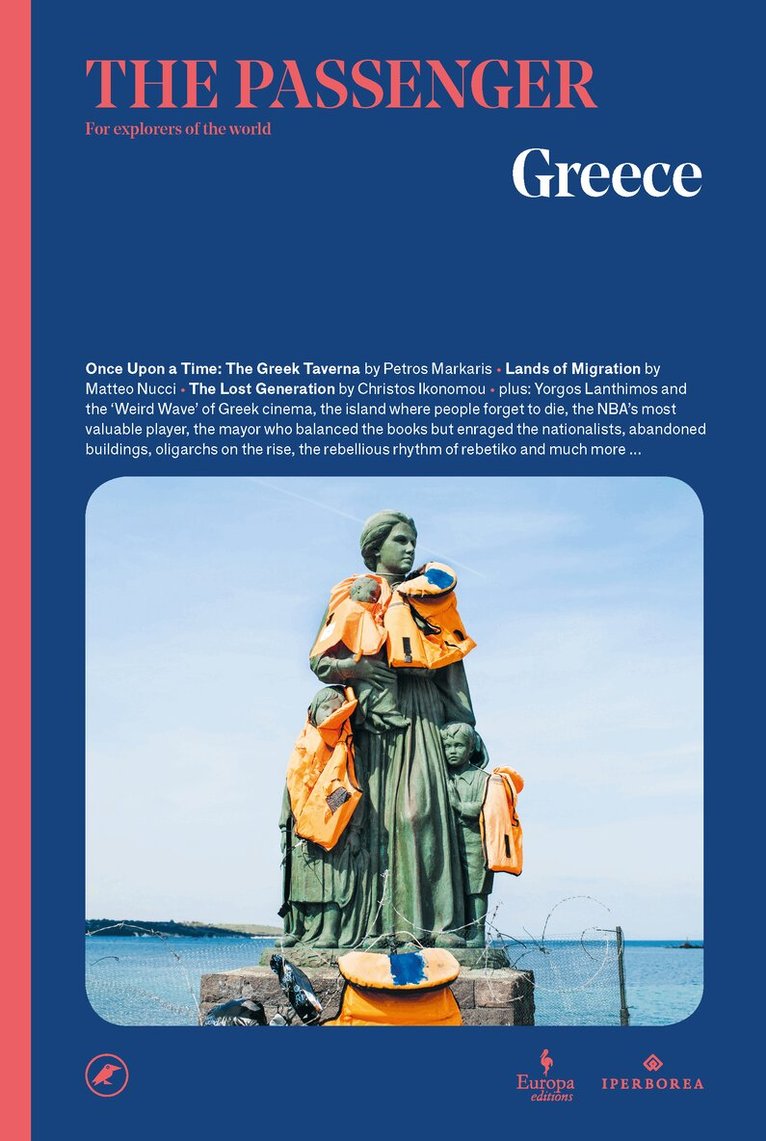
The Passenger collects the best new writing, photography, and reportage from around the world. Its aim, to break down barriers and introduce the essence of the place. Packed with essays and investigative journalism; original photography and illustrations; charts, and unusual facts and observations, each volume offers a unique insight into a different culture, and how history has shaped the place into what it is today. Brimming with intricate research and enduring wonder, The Passenger is a love-letter to global travel.IN THIS VOLUME, Petros Markaris, Matteo Nucci, Christos Ikonomou among other Greek writers aim to tell the all-important stories of one of the most talked-about country, that fail to make headlines. Few countries have received more media attention in recent years and even fewer have been represented in such vastly divergent ways. There’s a downside to all this attention: everyone seems to have something final to say about Greece. News headlines replace people’s individual stories, impressions substitute facts, characters take the place of people. In this volume of The Passenger, we chose to set those opinions aside in order to give to the stories, facts, and people of Greece the dignity and centrality they deserve.
213 kr
Skickas
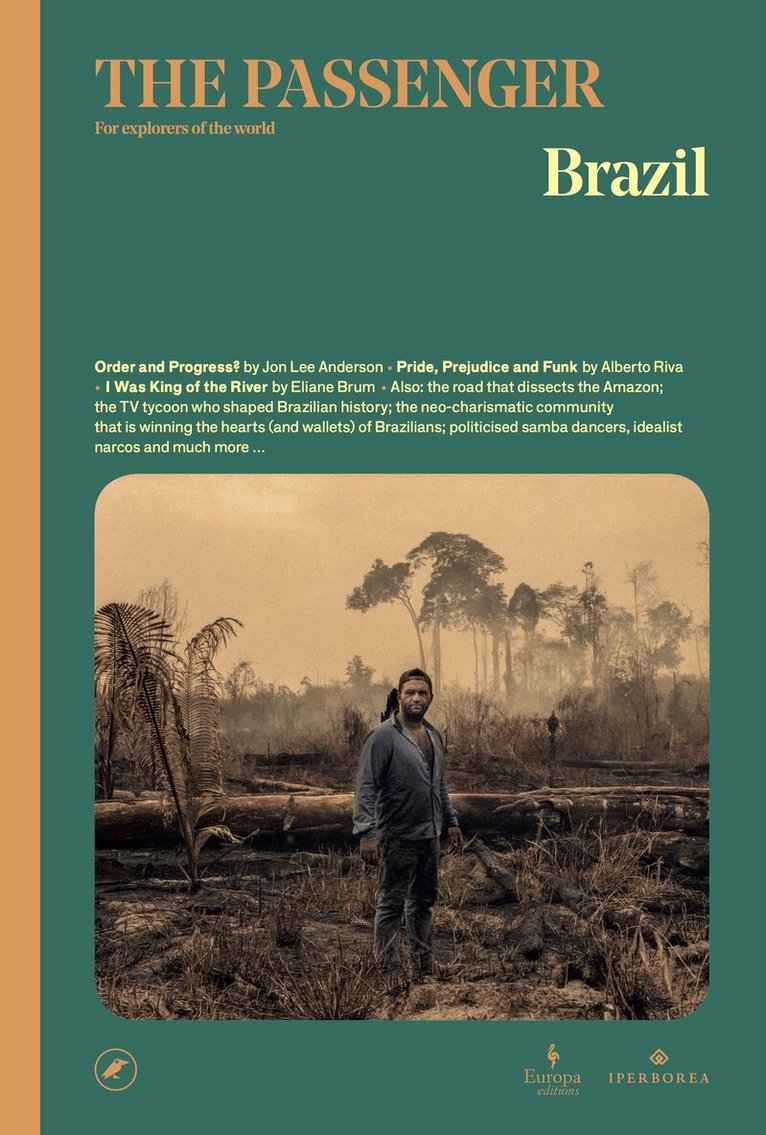
The Passenger collects the best new writing, photography, and reportage from around the world. Its aim, to break down barriers and introduce the essence of the place. Packed with essays and investigative journalism; original photography and illustrations; charts, and unusual facts and observations, each volume offers a unique insight into a different culture, and how history has shaped the place into what it is today. Brimming with intricate research and enduring wonder, The Passenger is a love-letter to global travel.IN THIS VOLUME, Jon Lee Anderson, Alberto Riva, and Eliane Brum among other Brazilian writers explore a multi-faceted country the world wouldn’t really associate with ‘order and progress.’ In the second half of the 20th century Brazil made extraordinary contributions to music, sport, architecture. From “bossa nova,” to acrobatic soccer, to the daring architecture of Oscar Niemeyer and Lúcio Costa, the country seemed to embody a new, original vision of modernity, at once “fluid, agile, and complex.” Seen from abroad, the victory of the far right in the 2018 elections was a rude awakening that suddenly turned the Brazilian dream into a nightmare. For locals, however, illusions had started fading long ago, amid paralyzing corruption, environmental degradation, racial discrimination, and escalating violence. Luckily, Brazilians are still willing to fight to build a better future. Today the challenge of telling the story of this extraordinary country consists in finding its enduring vitality amid the apparent melancholy.
213 kr
Skickas
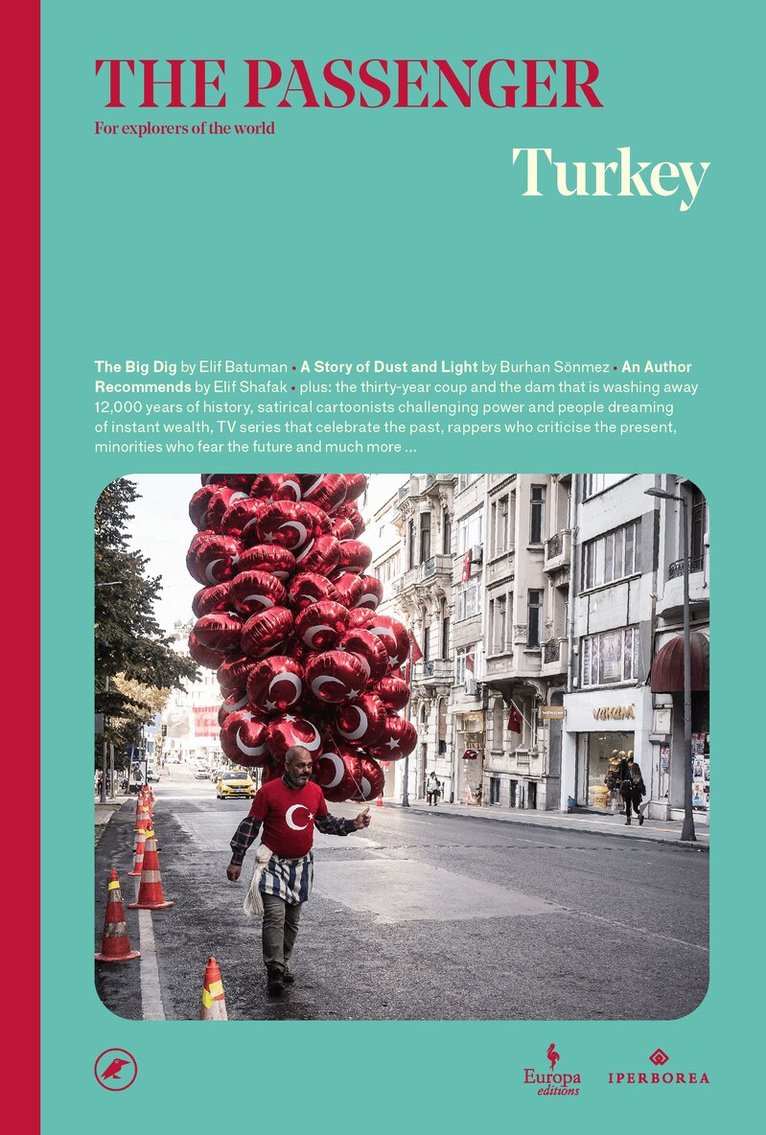
The Passenger collects the best new writing, photography, and reportage from around the world. Its aim, to break down barriers and introduce the essence of the place. Packed with essays and investigative journalism; original photography and illustrations; charts, and unusual facts and observations, each volume offers a unique insight into a different culture, and how history has shaped the place into what it is today. Brimming with intricate research and enduring wonder, The Passenger is a love-letter to global travel.IN THIS VOLUME, Elif Batuman, Burhan Sönmez, Elif Shafak among other Turkish writers, many of them in self-imposed exile, explore a fascinating yet maddening country. The birth of the “New Turkey,” as the country’s President Recep Tayyip Erdogan has called his own creation, is an exemplary story of the rise of “illiberal democracies” through the erosion of civil liberties, press freedom, and the independence of the judicial system. Turkey was a complex country long before the rise of its new sultan: born out of the ashes of a vast multi-ethnic and multi-religious empire, Turkey has grappled through its relatively short history with the definition of its own identity. Poised between competing ideologies, secularism and piousness, a militaristic nationalism and exceptional openness to foreigners, Turkey defies easy labels and categories. Through the voices of some of its best writers and journalists, The Passenger analyses how it got to where it is today and finds the bright spots of hope that allow its always resourceful, often frustrated population to continue living, and thriving.
288 kr
Skickas inom 3-6 vardagar
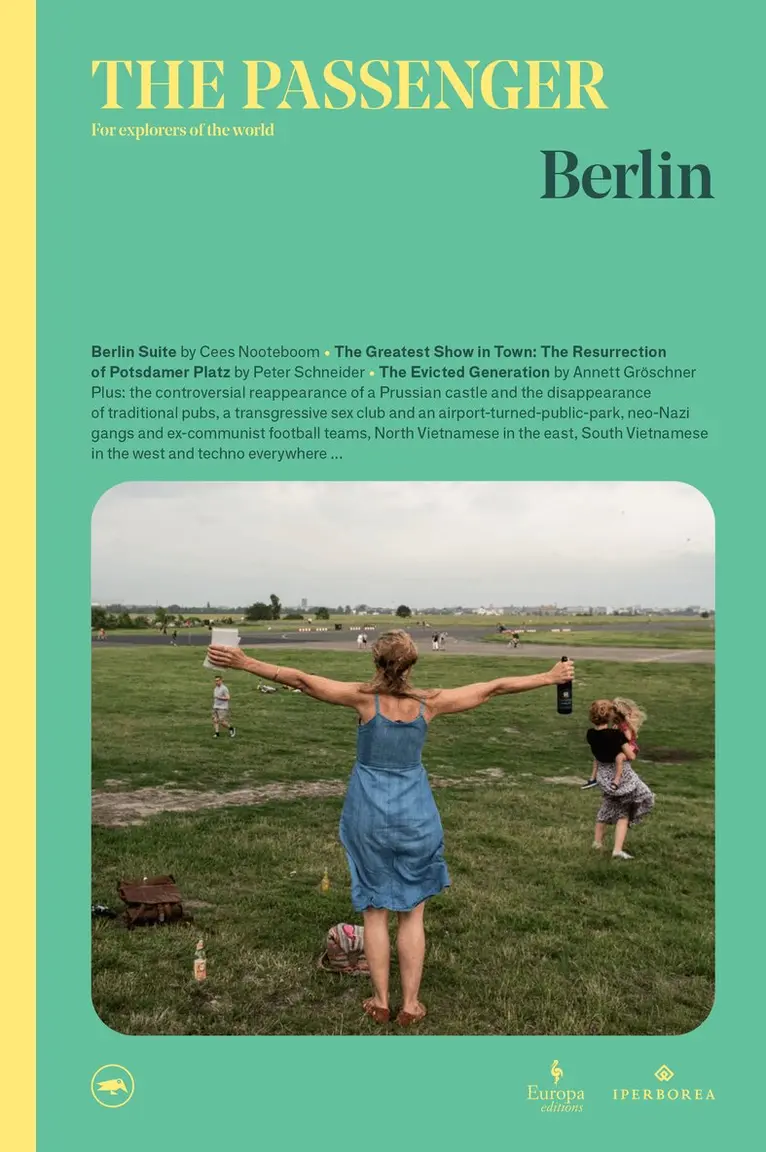
The Passenger collects the best new writing, photography, and reportage from around the world. Its aim, to break down barriers and introduce the essence of the place. Packed with essays and investigative journalism; original photography and illustrations; charts, and unusual facts and observations, each volume offers a unique insight into a different culture, and how history has shaped the place into what it is today. Brimming with intricate research and enduring wonder, The Passenger is a love-letter to global travel.IN THIS VOLUME, Peter Schneider, Cees Nooteboom, Vincenzo Latronico among other German writers tell of a youthful city that doesn’t cling to its “poor but sexy” past. “Berlin is too big for Berlin” is the curious title of a book by the flaneur Hanns Zischler, who joked about the low population density of a city so spread-out and polycentric—one of the reasons why it still inspires feelings of freedom and space. But the phrase also carries a symbolic, broader meaning: how can a single city encompass and sustain such a weighty mythology as that of contemporary Berlin, “the capital of cool”? In order to find out, it is necessary to go back to the origins of today’s Berlin, when time seemed to have stopped. The scars of a century of war were still visible everywhere: coal stoves, crumbling buildings, desolate minimarts, not a working buzzer or elevator. To visit the city then was a hallucinatory experience, a simultaneous journey into the past and into the future. The city’s youth seemed to have appropriated—and turned into a positive—the famous phrase pronounced by Karl Scheffler at the beginning of the 20th century: “Berlin is a place doomed to always become, never be.”
213 kr
Skickas
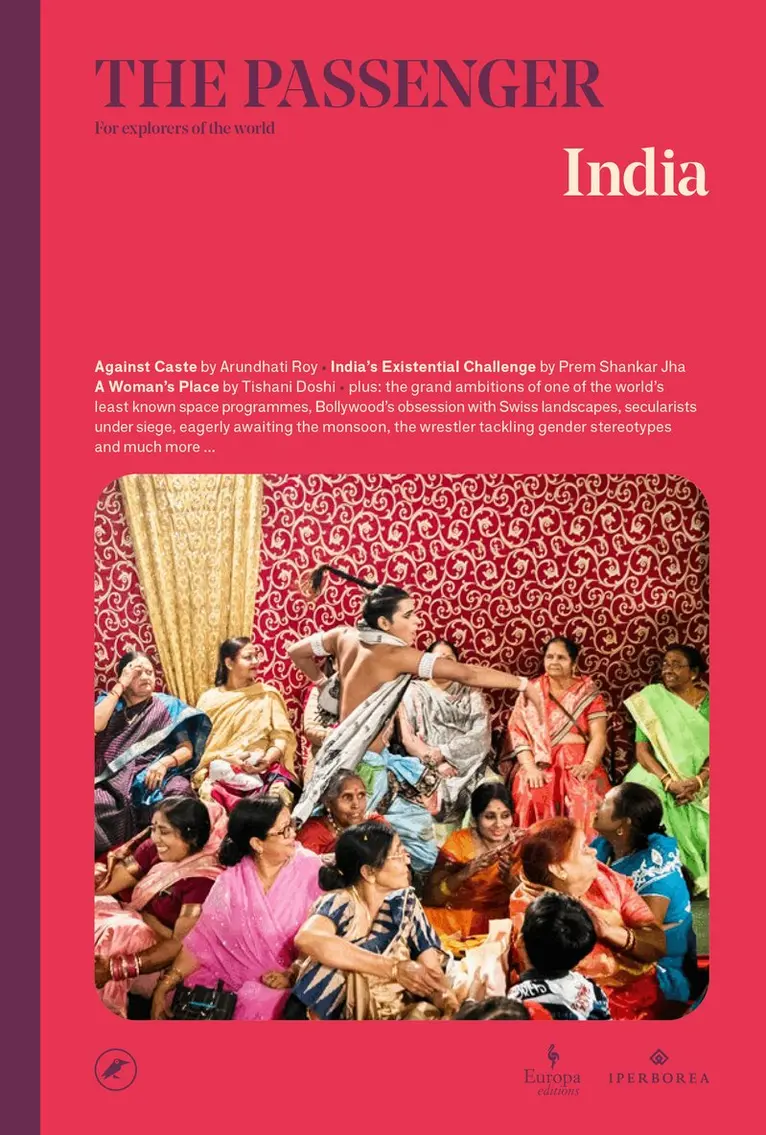
***SHORTLISTED FOR THE EDWARD STANFORD TRAVEL WRITING AWARD (2022), ILLUSTRATED TRAVEL BOOK OF THE YEAR***The Passenger collects the best new writing, photography, and reportage from around the world. Its aim, to break down barriers and introduce the essence of the place. Packed with essays and investigative journalism; original photography and illustrations; charts, and unusual facts and observations, each volume offers a unique insight into a different culture, and how history has shaped the place into what it is today. Brimming with intricate research and enduring wonder, The Passenger is a love-letter to global travel.IN THIS VOLUME, Arundhati Roy, Prem Shankar Jha, Tishani Doshi explore the contradictory, terrible and joyful chaos that lies at the heart of India. From its very first contact with the West, India has been subject to great mystification as the survival of ancient rituals, and its variety of languages and cultures, continues to fascinate the world. This narrative is intertwined with a newer one that sees the frenetic change of a society at the forefront of innovation. Success stories coexist alongside stories of daily struggle. A large slice of the population still does not have access to drinking water, and agriculture (still the main source of livelihood for most of the 1.3 billion people who live there) is threatened by climate change. India is a country that does not know how to eradicate one of the most infamous forms of classism/racism: the caste system. From the resistance of the Kashmiri people to that of atheists – hated by all religious communities – from the dances of the ‘hijra’ in Koovagam to the success of the female wrestler Vinesh Phogat, learn about the contradictory, terrible and joyful chaos that lies at the heart of India.
249 kr
Tillfälligt slut
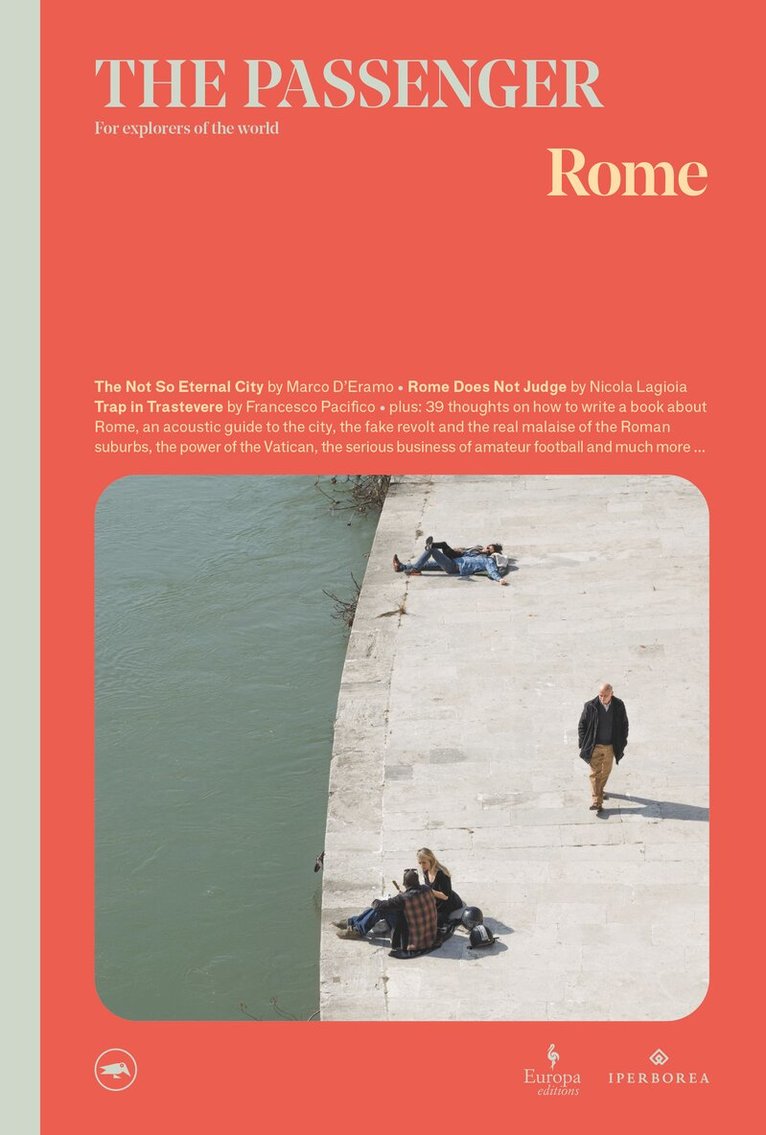
The Passenger collects the best new writing, photography, and reportage from around the world. Its aim, to break down barriers and introduce the essence of the place. Packed with essays and investigative journalism; original photography and illustrations; charts, and unusual facts and observations, each volume offers a unique insight into a different culture, and how history has shaped the place into what it is today. Brimming with intricate research and enduring wonder, The Passenger is a love-letter to global travel.IN THIS VOLUME, Marco D’Eramo, Nicola Lagioia, Matteo Nucci, and Francesco Piccolo among other Italian writers tell of a city which, despite appearances, slips further down the ranking of the world’s most liveable cities. To the problems faced by all large capitals, Rome has added a list of calamities of its own: widespread corruption, the resurgence of fascist movements, rampant crime. A seemingly hopeless situation perfectly symbolised by the fact that Rome currently leads the world in the number of self-combusting public buses. However, if we look closer, this narrative is contradicted by just as many signs that point in the opposite direction. The majority of Romans wouldn’t consider “betraying” their hometown, and the many newcomers are often indistinguishable from the natives in the profound love that binds them to the city, leading to a lack of the mass emigration. Rome is a place of contradictions, yet to understand Rome and “fix” its problems, we should consider it a normal city, “not unlike Chicago or Manchester.” Only, incomparably more beautiful.
228 kr
Skickas
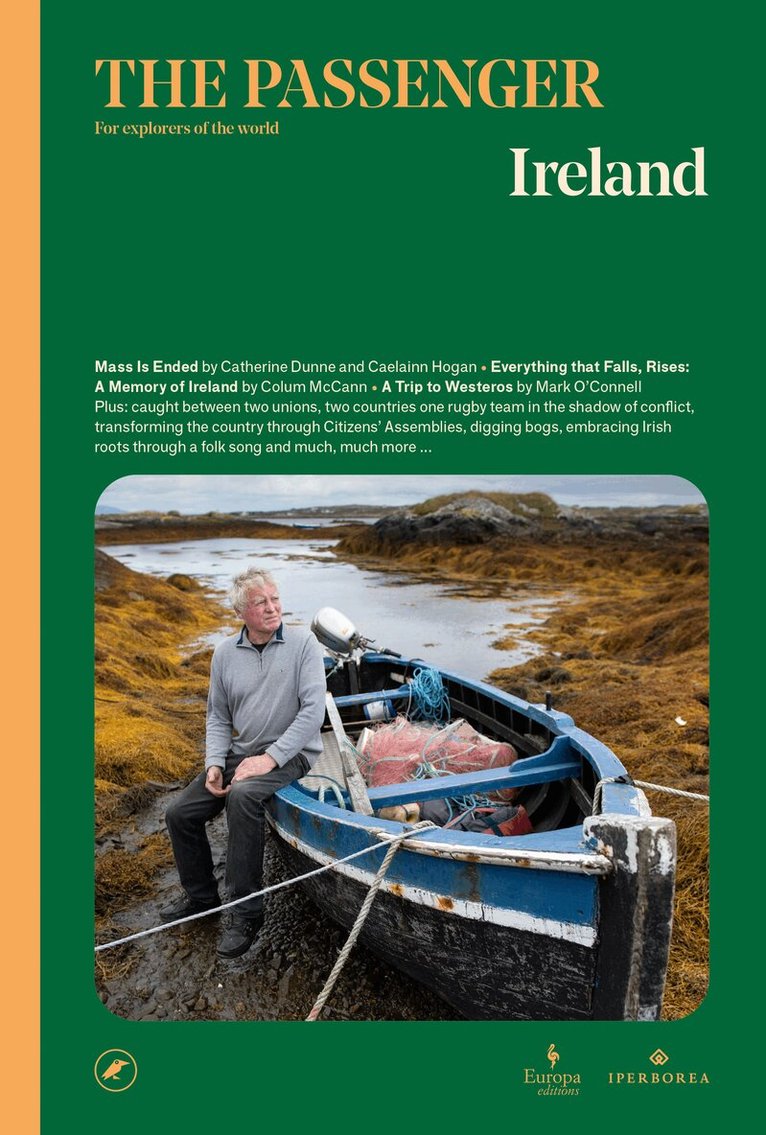
“There is something prescient about this collection of essays…… Evocative, beautifully written."- Irish TimesThe Passenger collects the best new writing, photography, and reportage from around the world. Its aim, to break down barriers and introduce the essence of the place. Packed with essays and investigative journalism; original photography and illustrations; charts, and unusual facts and observations, each volume offers a unique insight into a different culture, and how history has shaped the place into what it is today. Brimming with intricate research and enduring wonder, The Passenger is a love-letter to global travel. IN THIS VOLUME, Catherine Dunne, Colum McCann, Mark O’Connell, and Sara Baume, among other Irish writers tell of a country striving to stay a step ahead of time. On the centenary of the partition that split the island in two, The Passenger sets off to discover a land full of charm and conflict; a country that in just a few decades has gone from being a poor, semi-theocratic society to a thriving economy free from the influence of the Catholic Church; from a deeply patriarchal, conservative society to one that gives space to diversity, becoming the only country in the world to enshrine gay marriage in law through a referendum. The Passenger explores Ireland’s ramifications in politics, society, culture, and sport. Memory and identity intertwine with the transformations – from globalisation to climate change – that are remodelling the Irish landscape.
198 kr
Skickas
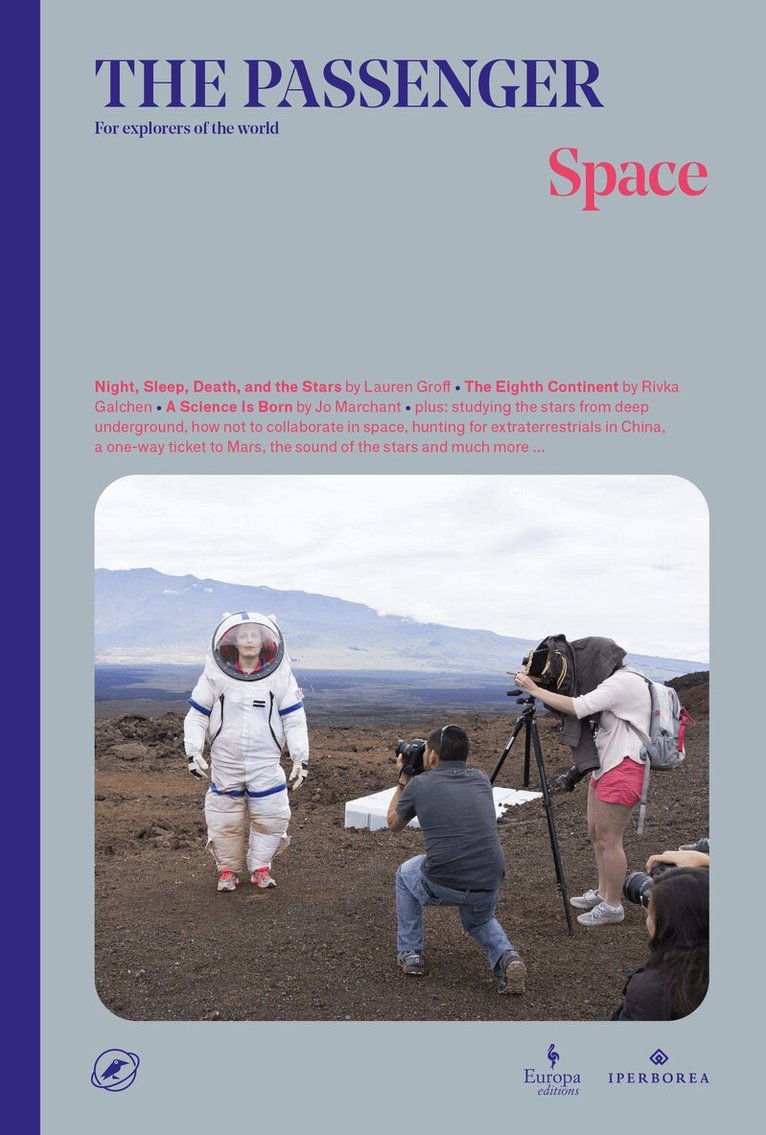
“Fresh and diverting, informative and topical.”—Australian Financial Review, Best Books of the YearNight, Sleep, Death and the Stars by Lauren Groff・The Universe Underground by Paolo Giordano・We All Hated Each Other So Much by Frank Westermann・Plus: discovering new planets and destroying satellites; returning to the Moon (this time to stay); the Mars delusion; the hunt for extra-terrestrial life, and much more…In the 1960s, the rivalry between the superpowers brought us into space, adding a whole new dimension to human life. The last frontier was open: between 1969 and 1972 twelve men (but no women) walked on the moon. No one has since. The space race revealed itself for what it really was: a political and military competition.Space agencies, however, have not been idle and the exploration of the solar system has continued with probes and robots. Without politics, science has thrived. But the lack of government funding has opened space exploration to the forces of capitalism: the race has started again, with different rules and different players. For those of us who remain on Earth, space offers a spiritual dimension, and the search for answers to age-old questions. Colonizing Mars might not be the solution to humanity’s problems, but the promise of space—whether expressed in a tweet by Elon Musk or a photo taken by a NASA rover on Mars—keeps proving irresistible.
213 kr
Skickas
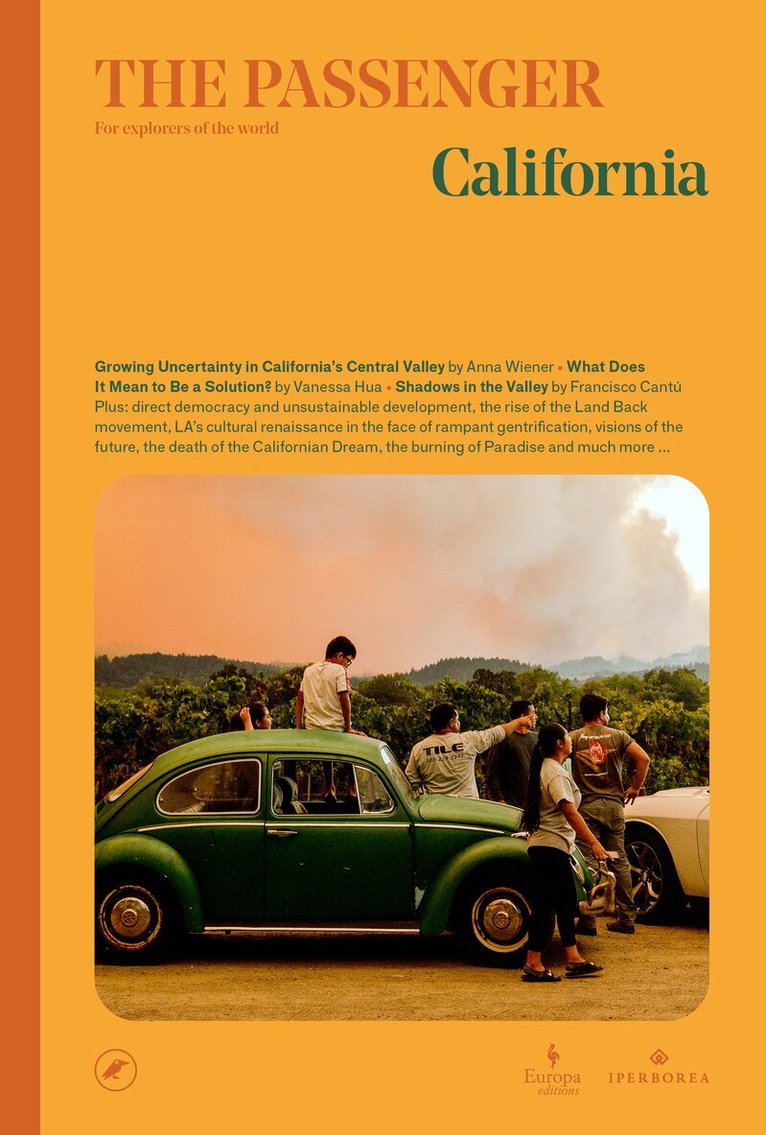
“Fresh and diverting, informative and topical without being slight or ephemeral. This supremely well-edited combination of current affairs, journalism, commentary, and fun facts is perfect for our pause-button moment.” —Australian Financial Review, Best Books of the YearFully illustrated, The Passenger collects the best new writing, photography, art and reportage from around the world.IN THIS VOLUME: Growing Uncertainty in California’s Central Valley by Anna Wiener • What DoesIt Mean to Be a Solution? by Vanessa Hua • Shadows in the Valley by Francisco Cantú. Plus: direct democracy and unsustainable development, the rise of the Land Back movement, LA’s cultural renaissance in the face of rampant gentrification, visions of the future, the death of the Californian Dream, the burning of Paradise and much more . . .“Wildfire season had already begun, and, as the car pitched along the road through Kings Canyon, I tried to tamp down a feeling like dread. In California, where the effects of global warming are pervasive and unsubtle, spending time in the forest always makes me feel unspeakably lucky and dizzy with remorse. Families in masks stomped through the Giant Forest to pose for photographs in front of General Sherman, a 275-foot-tall tree. Children licked ice-cream bars by the visitor center. In the parking lot, some of the oldest living trees in the world shaded eight-seat SUVs: Kia Tellurides, Chevy Tahoes, Toyota Sequoias.”—From “Growing Uncertainty in California’s Central Valley” by Anna Wiener
213 kr
Skickas
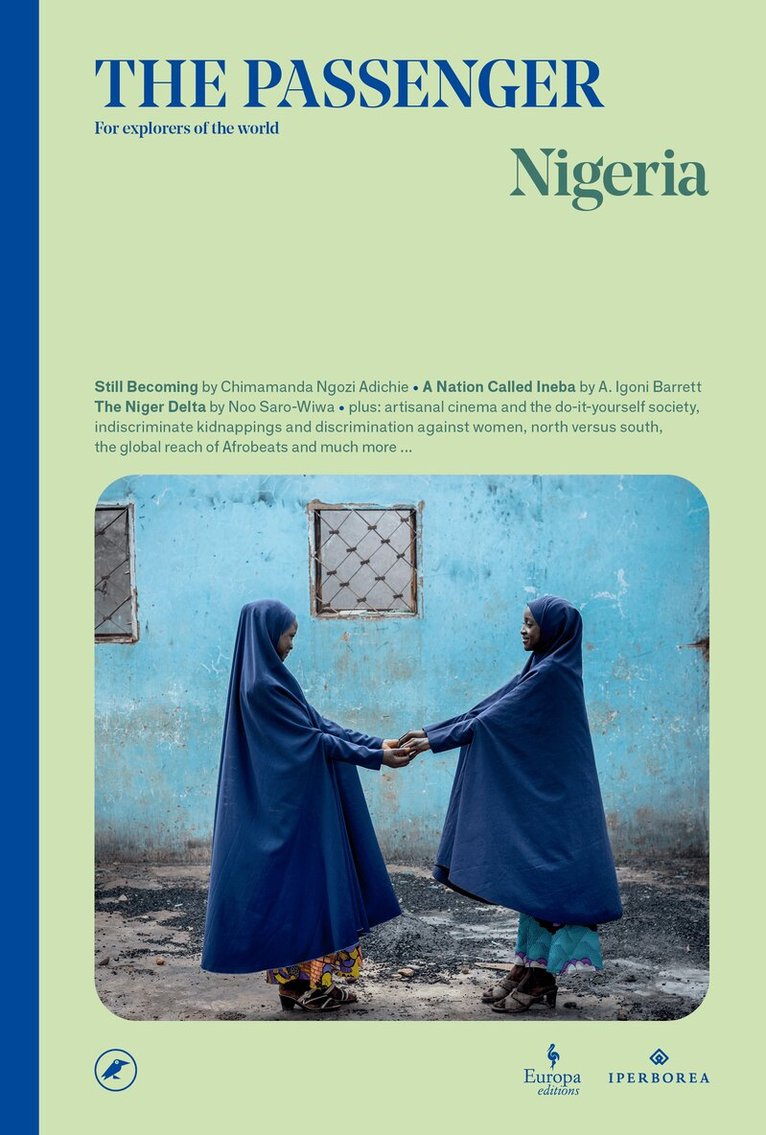
The Passenger collects the best new writing, photography, and reportage from around the world. Its aim, to break down barriers and introduce the essence of the place. Packed with essays and investigative journalism; original photography and illustrations; charts, and unusual facts and observations, each volume offers a unique insight into a different culture, and how history has shaped the place into what it is today. Since gaining independence from the UK, Nigeria has been in a state of permanent crisis. Dependence on oil is the glue that has kept together a country deeply divided but obsessed with an ideal of “national unity”. But this dependence has eroded institutions, compromised socio-economic development, caused corruption, coup d'états, and environmental disasters. The arrival of democracy in the 90s failed to bring much improvement. It’s estimated that over 100 million Nigerians live under the poverty threshold. Violence is widespread: from the Boko Haram terrorists to the armed secessionist movements and the growing scourge of kidnappings. How to live in a country where the state is absent? In these circumstances, Nigerians bring out all their dynamism, entrepreneurial skills, and their inventiveness. As the generation of generals who governed the country for 60 years dies out, and younger citizens refuse to ignore injustice and violence, the hope is born that a new, vibrant generation will take the country’s future into their hands. And, as they are accustomed to doing, fix it.
229 kr
Tillfälligt slut
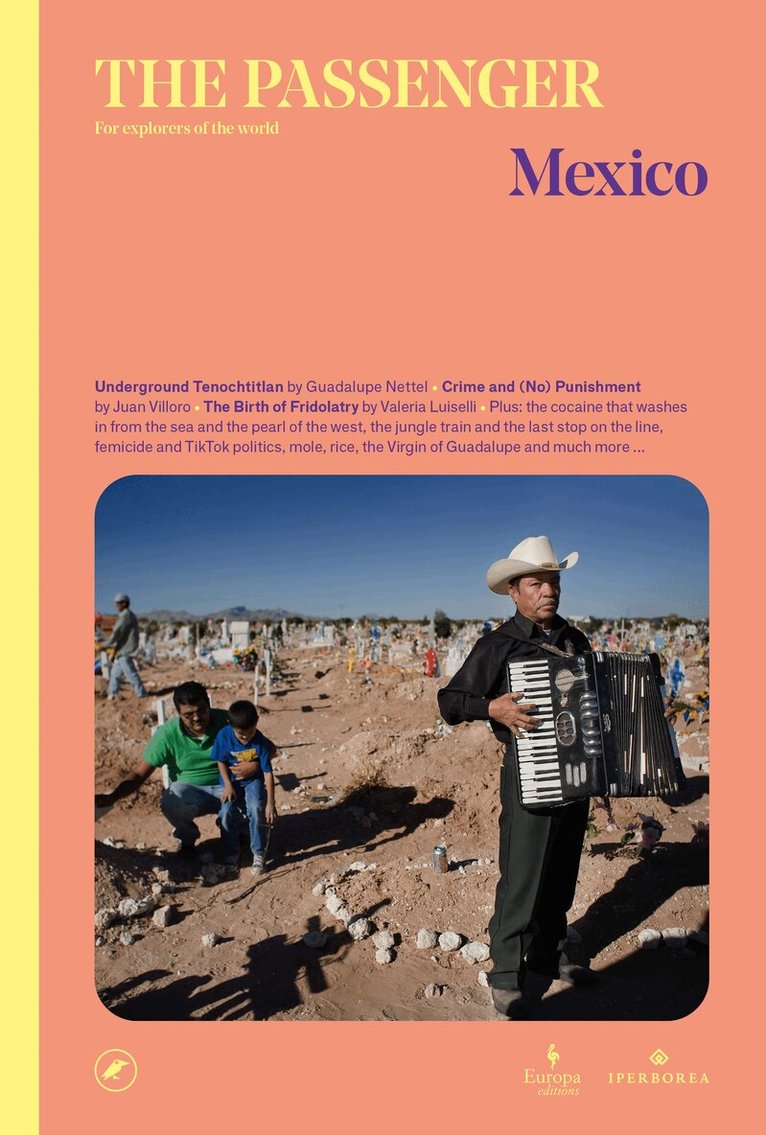
Brimming with intricate research and enduring wonder, The Passenger is a love-letter to global travel The Passenger collects the best new writing, photography, and reportage from around the world. Its aim, to break down barriers and introduce the essence of a place. Packed with essays and investigative journalism; original photography and illustrations; charts, and unusual facts and observations, each volume offers a unique insight into a different culture, and how history has shaped it into what it is today. “When you hold it your hands, The Passenger takes you back to another time, one when travel literature had a scent, and texture.”—Paco Nadal, El País“These books are so rich and engrossing that it is rewarding to read them even when one is stuck at home.”―The TLS“[The Passenger] has a strong focus on storytelling, with pages given over to a mix of essays, playlists and sideways glances at subcultures and thorny urban issues.”—MONOCLE“Half-magazine, half-book… think of [The Passenger] as an erudite and literary travel equivalent to National Geographic, with stunning photography and illustration and fascinating writing about place.”—Independent.ie (Best series of the year – 2021)“The Passenger readers will find none of the typical travel guide sections on where to eat or what sights to see. Consider the books, rather, more like a literary vacation--the kind you can take without braving a long flight in the time of Covid-19.”—Publisher's WeeklyIN THIS VOLUME: Guadalupe Nettel on Mexico City・Elena Reina on femicide・Yasnaya Aguilar on indigenous languages and racism・Valeria Luiselli on Frida Kahlo and “fridolatry”・Dario Aleman on the Mayan Train project, and much more…Mexico: once synonymous with escape and freedom, better known nowadays for widespread violence, narcotraffic, and migration. Sea, beaches, ancient ruins, tequila: under the patina of mass tourism there's a complex, neurotic country trying to carve out a place for itself in the shadow of its hulky neighbour. The most populous Hispanic country in the world, 89 indigenous languages are spoken: a contradictory legacy reflected in its political, social, religious (and food!) culture. With a fifth of the population identifying as indigenous, rediscovering and revaluing the country's pre-Columbian roots informs much of public debate. The controversial Mayan train project connecting Mexico's Caribbean resorts with the South's archaeological sites, crossing (and compromising) communities and forests, is a perfect example of the opposition between the two souls of the country. It's the drive towards resolving this contradiction, or better still learning to live with it, that will define the Mexico of the future.
220 kr
Tillfälligt slut
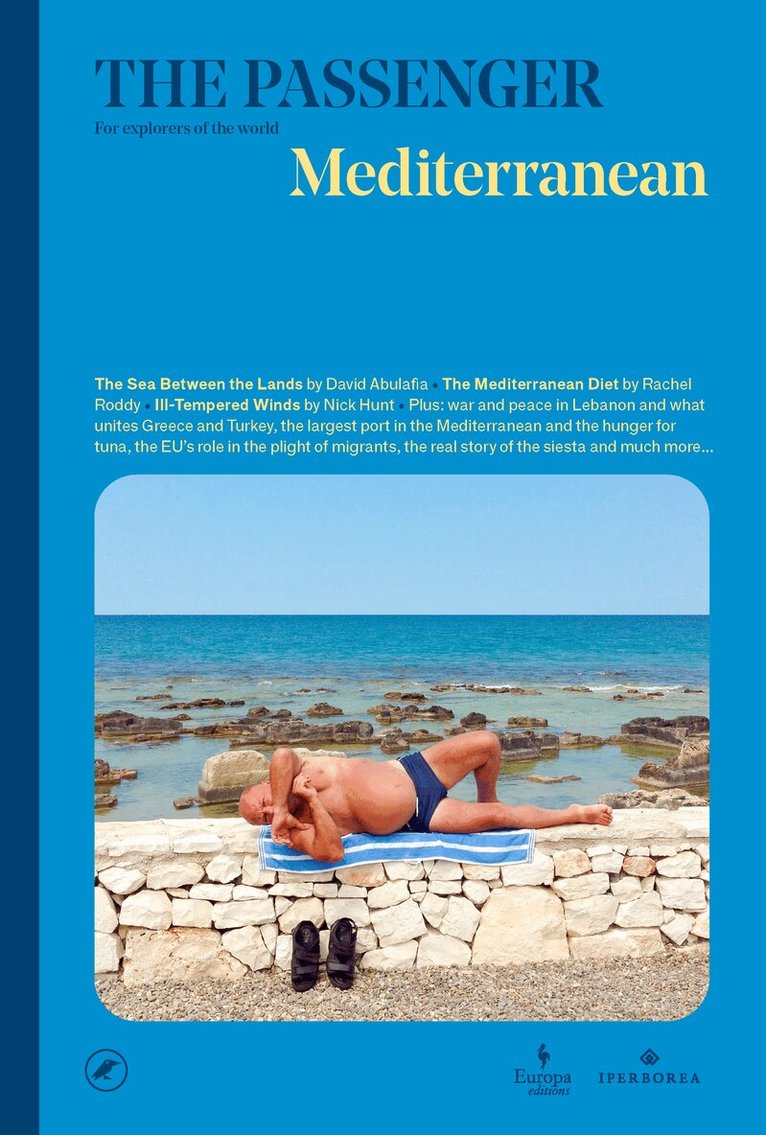
IN THIS VOLUME: The Sea Between Lands by David Abulalfia; The Liquid Road by Leïla Slimani; The Cold One, the Hot One, the Mad One, and the Angry One by Nick Hunt • plus: the sounds and smells of the Mediterranean; the invention of the Mediterranean diet; and more…The word “Mediterranean” evokes something larger than geography, and has historically marked a distinct cultural space, one where different people have met, traded, and clashed. Today the Mediterranean appears to be in crisis, neglected by the EU, and at the centre of one of the greatest migrations in history. While millions of tourists flock to its shores, hundreds of thousands of people face a dramatic journey in the opposite direction—to escape wars, persecutions, and poverty. The liquid road, as Homer called it, is increasingly militarized, trafficked, and polluted—as well as overheated and overfished.But the Mediterranean remains a source of wonder and fascination—a space not entirely colonized by modernity, where time flows differently, and where multiple cultures and languages are in very close contact and dialogue.
228 kr
Skickas
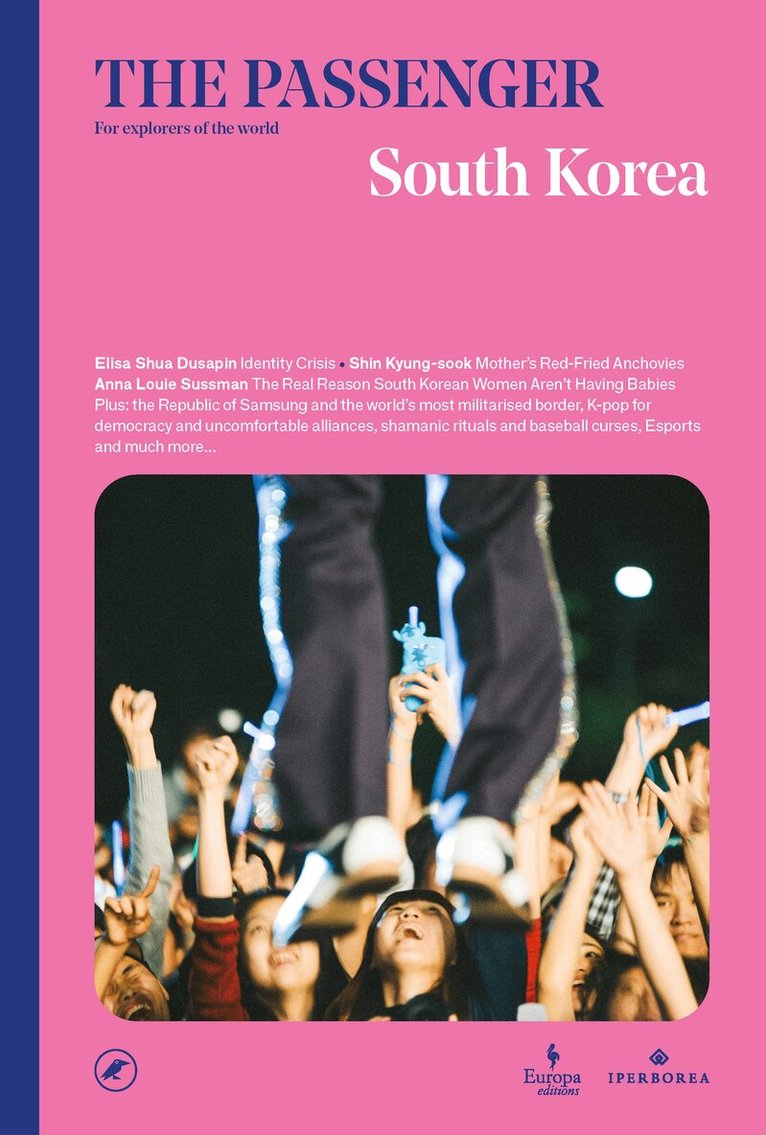
Eighty years ago, at the end of a devastating fratricidal war, South Korea was one of the poorest countries in the world, completely dependent on the United States for security and development. Today it’s the tenth economy in the world, dynamic and innovative, a lively and participatory democracy that sits at the table of the great powers. “Hallyu” – the Korean wave of contemporary entertainment – has reached every corner of the world. This rapid, astonishing transformation inevitably brought with it rifts and contradictions. If global youth look at Korea as previous generations looked at Hollywood and New York, young Koreans, on the other hand, view it as “Hell Joseon”: an aging country, an economic system dominated by powerful families, with a fiercely competitive education system, a wide generational gap, and, at the centre of it all, the role of women - one of the keys that The Passenger has chosen to decipher a complex, fascinating country, central to the dynamics of the contemporary world, very often exoticized and idealized in equal measure.IN THIS VOLUME: Hell Joseon by Elisa Shua Dusapin • The View from the North by Lee Hyeonseo • Lessons in Democracy by Jiyoung Choi • plus: the Samsung Republic and the most militarized border in the world, the real reason why Korean women don’t have children, democracy and K-pop, baseball, esports, and shamanism, and much more…
228 kr
Skickas
In recent years, Naples has been the subject of countless books, films and TV series, making it even more difficult to imagine a Neapolitan normality, if it exists at all. As Naples becomes the most filmed city in Italy, where to look for the ordinary, the average? Maybe we need to "go up" to Vomero, a neighborhood considered almost alien to the city, middle class, homogeneous, peaceful? A reality in sharp contrast with the over-the-top life of the historic centre, crossed as it is by a thousand stratifications - architectural, historical and social. And yet even there we find an alternative reading: the city as a model of coexistence between ancient and modern. While some areas have been waiting for decades for much promised redevelopment, others have benefited from cutting-edge projects with far-reaching positive impact, representing a Naples that attracts talent, exports models, colonizes instead of being colonized. IN THIS VOLUME: Paolo Macry on Naples’ “monarch mayors”・Francesco Abazia on the influence of the US Army’s presence on Neapolitan popular music・Cristina Napolitano on the Neapolitan diaspora, and what it means to come back・Gianni Montieri on the city’s passion for football・Alessandra Coppola on the cult of the young victims of the Camorra, or the police, and much more…
213 kr
Skickas
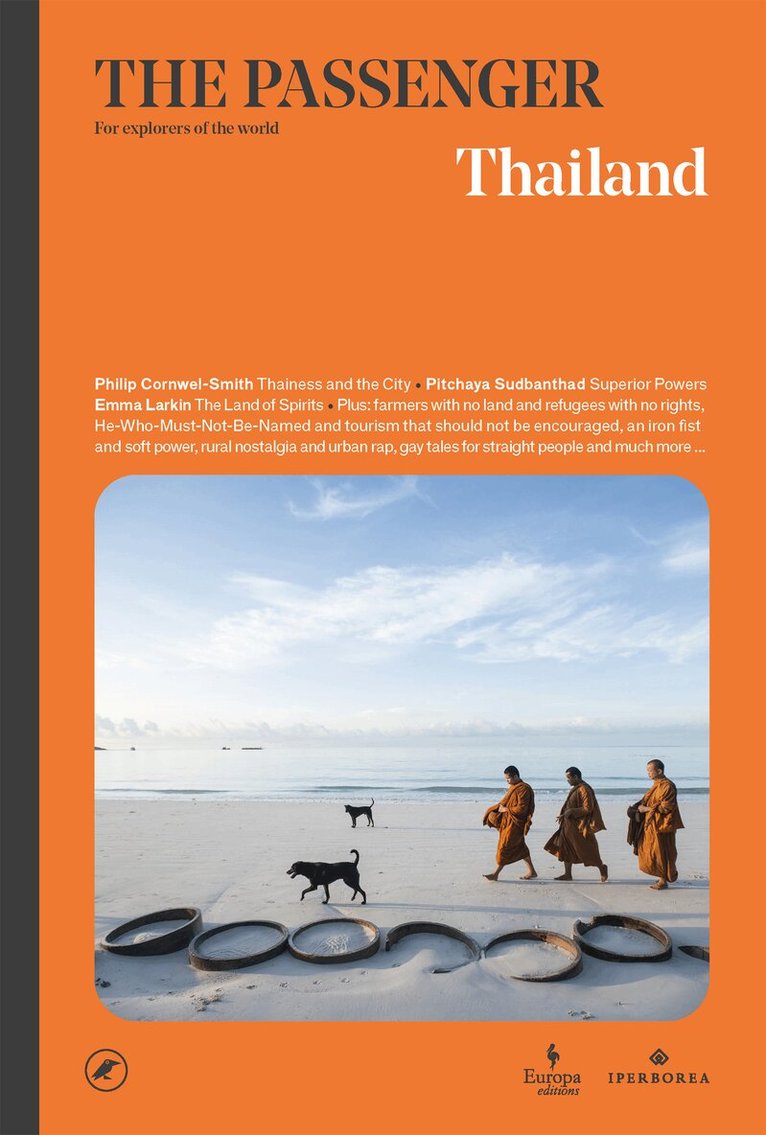
“These books are so rich and engrossing that it is rewarding to read them even when one is stuck at home.”—The TLSThe Passenger makes its first stop in Southeast Asia. A journey to one of the world's major tourist destinations.In this volume: Pitchaya Sudbanthad: Buddhism, the State, and Superpowers • Emma Larkin: The Country of Spirits • Claudio Sopranzetti: Monarchy Under Attack • and, soft power and the working class, the heart of rural Thailand and the separatism of the southern peninsula, the success of Boy Love, the palm oil scandal, and much more...Recent Thai history is a thrills-and-spills tale filled with street clashes, palace coups, intrigues, attempted revolution, restoration and democratic elections. It is an impossible democracy where the working classes, progressives, and young urban professionals push for reforms and clash with the conservative nobility and business elite. Thailand is perceived as permissive and tolerant, but it hides a prudish core. And yet, one of its main cultural exports is Boy Love stories, romantic tales featuring male protagonists. These stories are the flagship of a cultural revolution and has brought investment in the entertainment industry and Thai soft power to new levels. Behind this sparkling Thailand—exemplified by its capital Bangkok, the most visited city in the world in 2023—are vast regions like Isaan in the Northeast (a third of the area and population) that remain far from the familiar tourist routes. With their ethnic and linguistic diversity and rural character, regions such as these embody the kaleidoscopic soul of a country often overwhelmed by waves of assimilation and centralization. Despite efforts to impose a single culture, ethnicity, and religion, Thailand's true strength seems to be syncretism, religious and otherwise, as demonstrated by the millions of Chinese immigrants who over the past century have increasingly mingled with the local populations to the point of becoming indistinguishable.