Theology in the Age of Empire – serie
Visar alla böcker i serien Theology in the Age of Empire. Handla med fri frakt och snabb leverans.
13 produkter
13 produkter
1 209 kr
Skickas inom 10-15 vardagar
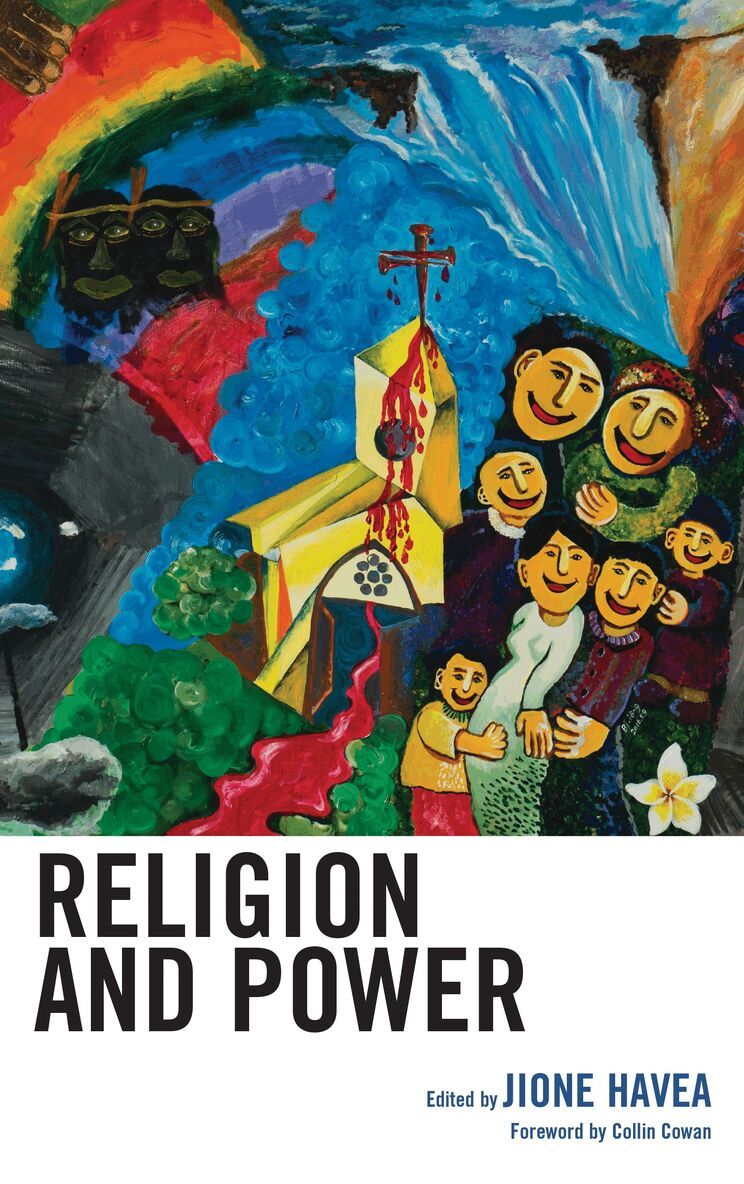
Religion has power structures that require and justify its existence, spread its influence, and mask its collaboration with other power structures. Power, like religion, is in collaboration. Along this line, this book affirms that one could see and study the power structures and power relations of a religion in and through the missions of empires. Empires rise and roam with the blessings and protections of religious power structures (e.g., scriptures, theologies, interpretations, traditions) that in return carry, propagate and justify imperial agendas. Thus, to understand the relation between religion and power requires one to also study the relation between religion and empires.Christianity is the religion that receives the most deliberation in this book, with some attention to power structures and power relations in Hinduism and Buddhism. The cross-cultural and inter-national contributors share the conviction that something within each religion resists and subverts its power structures and collaborations. The authors discern and interrogate the involvements of religion with empires past and present, political and ideological, economic and customary, systemic and local. The upshot is that the book troubles religious teachings and practices that sustain, as well as profit from, empires.
515 kr
Skickas inom 10-15 vardagar
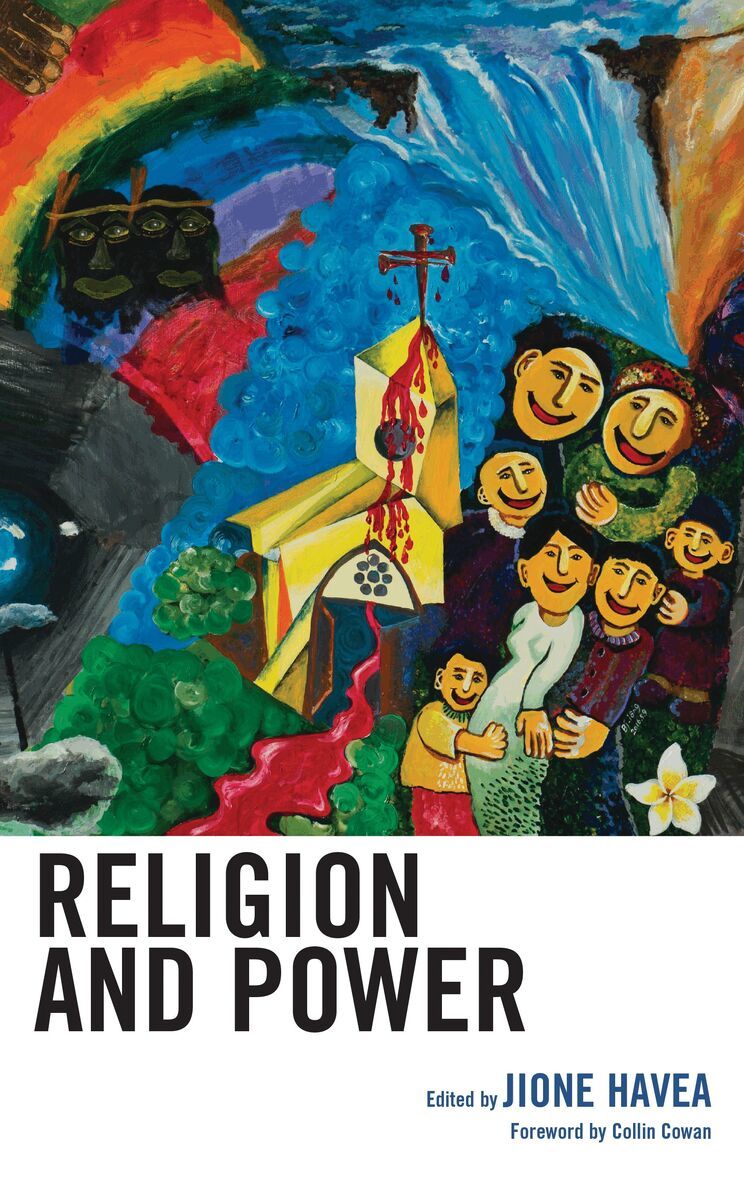
Religion has power structures that require and justify its existence, spread its influence, and mask its collaboration with other power structures. Power, like religion, is in collaboration. Along this line, this book affirms that one could see and study the power structures and power relations of a religion in and through the missions of empires. Empires rise and roam with the blessings and protections of religious power structures (e.g., scriptures, theologies, interpretations, traditions) that in return carry, propagate and justify imperial agendas. Thus, to understand the relation between religion and power requires one to also study the relation between religion and empires.Christianity is the religion that receives the most deliberation in this book, with some attention to power structures and power relations in Hinduism and Buddhism. The cross-cultural and inter-national contributors share the conviction that something within each religion resists and subverts its power structures and collaborations. The authors discern and interrogate the involvements of religion with empires past and present, political and ideological, economic and customary, systemic and local. The upshot is that the book troubles religious teachings and practices that sustain, as well as profit from, empires.
1 209 kr
Skickas inom 10-15 vardagar
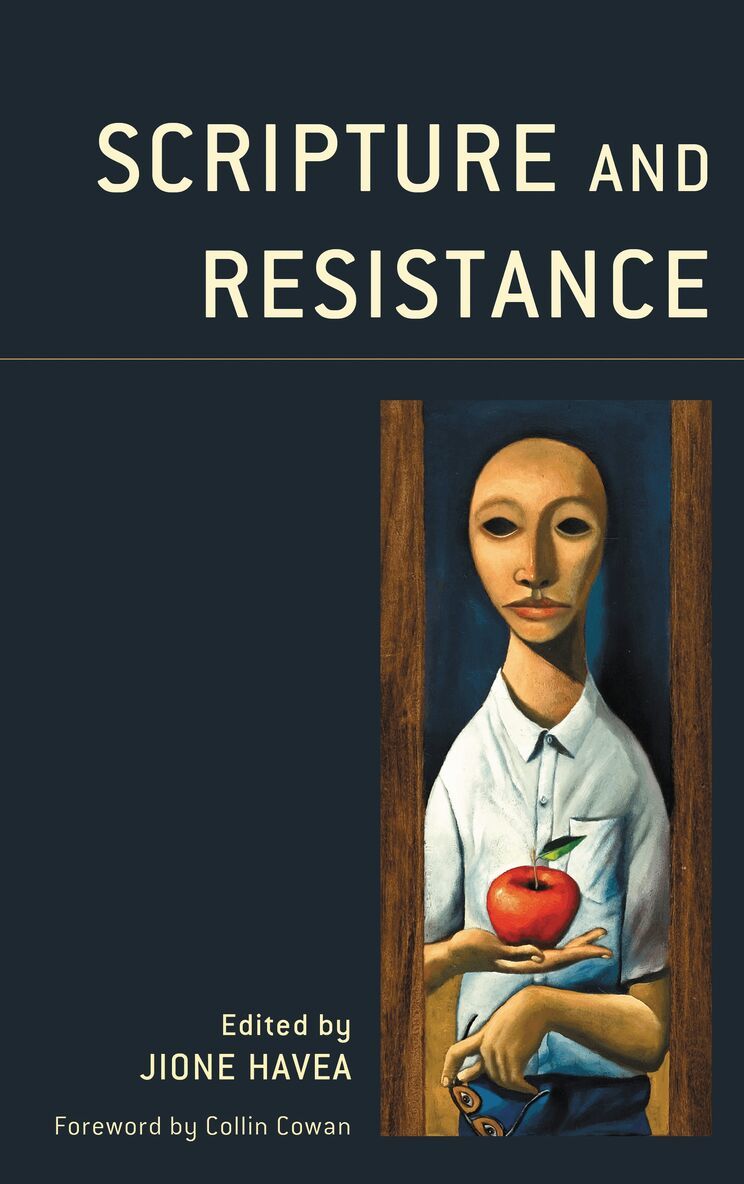
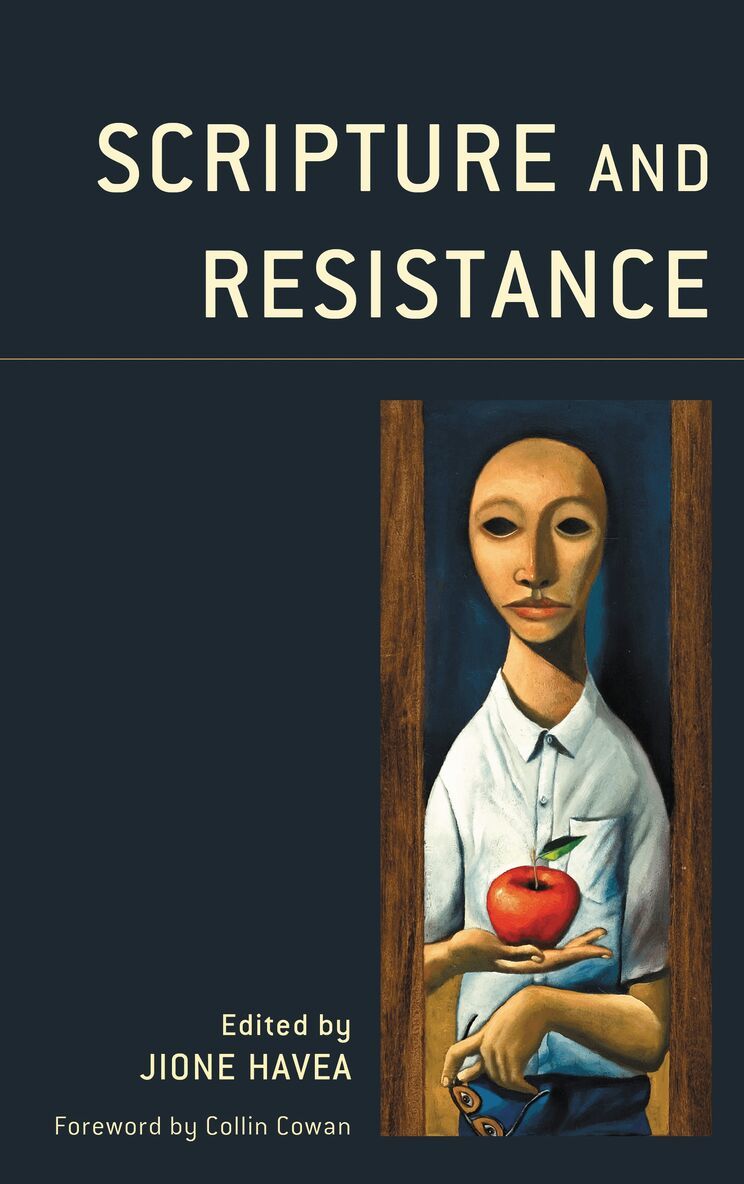
Resistance against unjust (wicked) cultures and imperial powers is at the heart of scripture. In many cases, the resistance is waged against external systems or the misappropriation of scriptural texts and traditions. In some cases, however, scripture resists oppressive cultures and powers that it also requires, certifies and protects. At other times, and in different settings, the minders of scripture speak against the abusive cultures and power systems that they inherited and whose benefits they milk.Scripture and Resistance contains reflections by authors from East, West, South, and North — on resistance and the Christian scriptures regarding a rainbow of concerns: the colonial legacies of the Bible; the people (especially native and indigenous people) who were subjugated and minoritized for the sake of the Bible; the courage for resistance among ordinary and normal people, and the opportunities that arise from their realities and struggles; the imperializing tendencies that lurk behind so-called traditional biblical scholarship; the strategies of and energies in post- and de-colonial criticisms; the Bible as a profitable product, and a site of struggle; and the multiple views or perspectives in the Bible about empire and resistance. In other words, the contributors, as a collective, affirm that the Bible contains (pun intended) resistance.
488 kr
Skickas inom 10-15 vardagar
Resistance against unjust (wicked) cultures and imperial powers is at the heart of scripture. In many cases, the resistance is waged against external systems or the misappropriation of scriptural texts and traditions. In some cases, however, scripture resists oppressive cultures and powers that it also requires, certifies and protects. At other times, and in different settings, the minders of scripture speak against the abusive cultures and power systems that they inherited and whose benefits they milk.Scripture and Resistance contains reflections by authors from East, West, South, and North — on resistance and the Christian scriptures regarding a rainbow of concerns: the colonial legacies of the Bible; the people (especially native and indigenous people) who were subjugated and minoritized for the sake of the Bible; the courage for resistance among ordinary and normal people, and the opportunities that arise from their realities and struggles; the imperializing tendencies that lurk behind so-called traditional biblical scholarship; the strategies of and energies in post- and de-colonial criticisms; the Bible as a profitable product, and a site of struggle; and the multiple views or perspectives in the Bible about empire and resistance. In other words, the contributors, as a collective, affirm that the Bible contains (pun intended) resistance.
1 142 kr
Skickas inom 10-15 vardagar
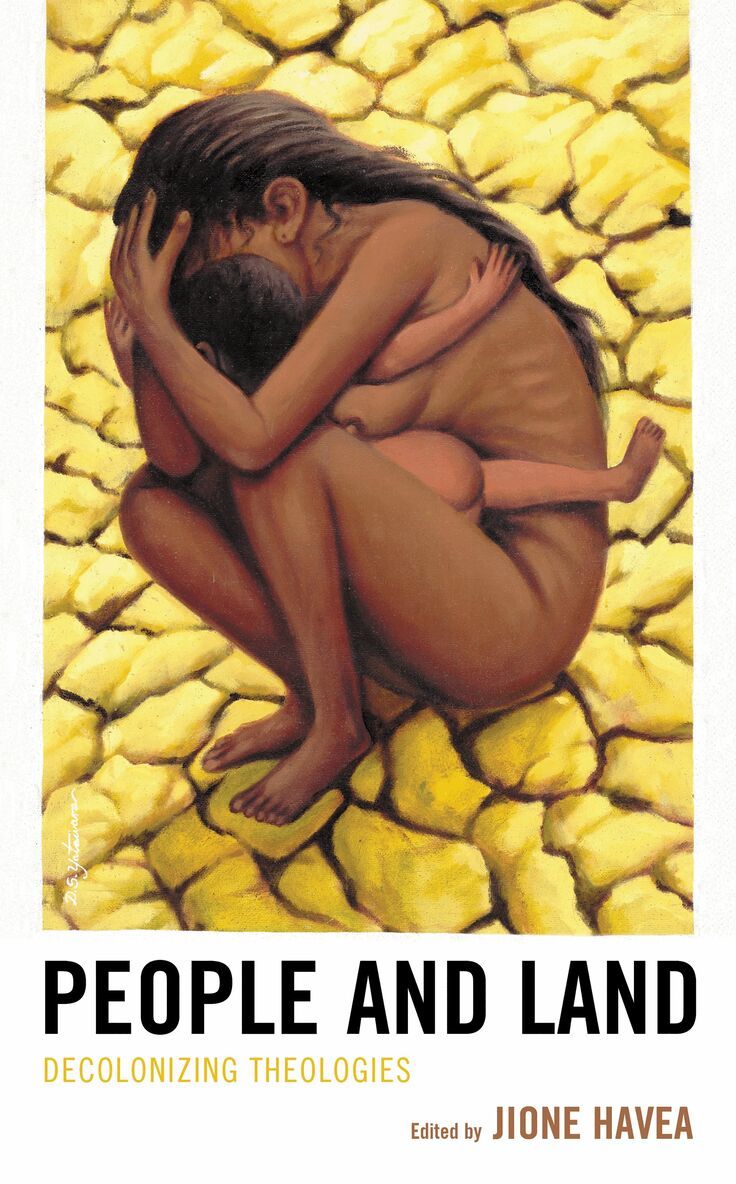
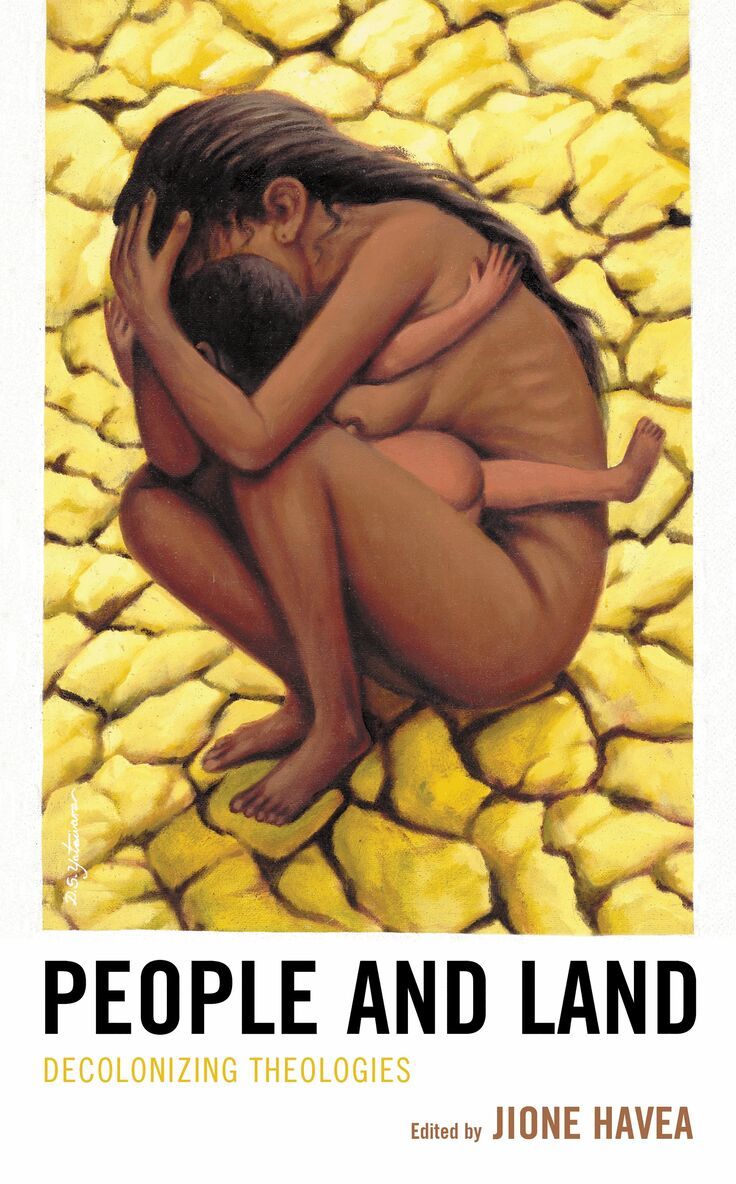
Empires rise and expand by taking lands and resources and by enslaving the bodies and minds of people. Even in this modern era, the territories, geographies, and peoples of a number of lands continue to be divided, occupied, harvested, and marketed. The legacy of slavery and the scapegoating of people persists in many lands, and religious institutions have been co-opted to own land, to gather people, to define proper behavior, to mete out salvation, and to be silent.The contributors to People and Land, writing from under the shadows of various empires—from and in between Africa, Asia, the Americas, the Caribbean, and Oceania—refuse to be silent. They give voice to multiple causes: to assess and transform the usual business of theology and hermeneutics; to expose and challenge the logics and delusions of coloniality; to tally and demand restitution of stolen, commodified and capitalized lands; to account for the capitalizing (touristy) and forced movements of people; and to scripturalize the undeniable ecological crises and our responsibilities to the whole life system (watershed). This book is a protest against the claims of political and religious empires over land, people, earth, minds, and the future.
488 kr
Skickas inom 10-15 vardagar
Empires rise and expand by taking lands and resources and by enslaving the bodies and minds of people. Even in this modern era, the territories, geographies, and peoples of a number of lands continue to be divided, occupied, harvested, and marketed. The legacy of slavery and the scapegoating of people persists in many lands, and religious institutions have been co-opted to own land, to gather people, to define proper behavior, to mete out salvation, and to be silent.The contributors to People and Land, writing from under the shadows of various empires—from and in between Africa, Asia, the Americas, the Caribbean, and Oceania—refuse to be silent. They give voice to multiple causes: to assess and transform the usual business of theology and hermeneutics; to expose and challenge the logics and delusions of coloniality; to tally and demand restitution of stolen, commodified and capitalized lands; to account for the capitalizing (touristy) and forced movements of people; and to scripturalize the undeniable ecological crises and our responsibilities to the whole life system (watershed). This book is a protest against the claims of political and religious empires over land, people, earth, minds, and the future.
1 142 kr
Skickas inom 10-15 vardagar
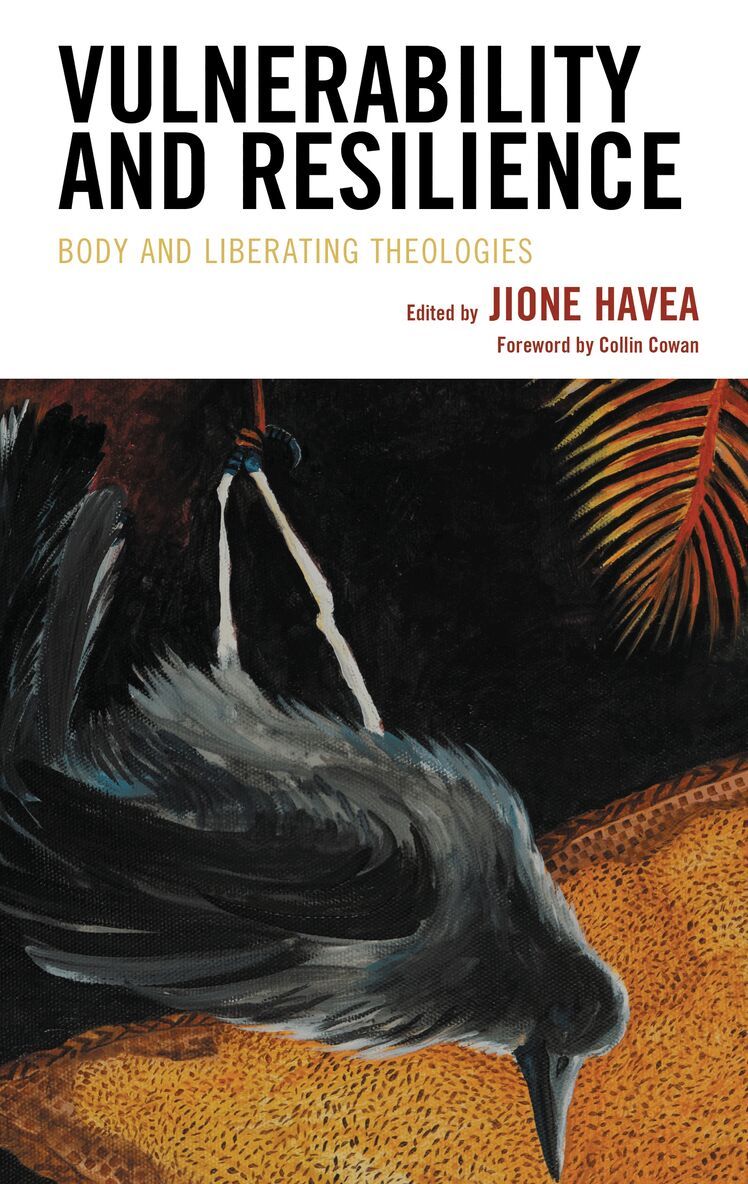
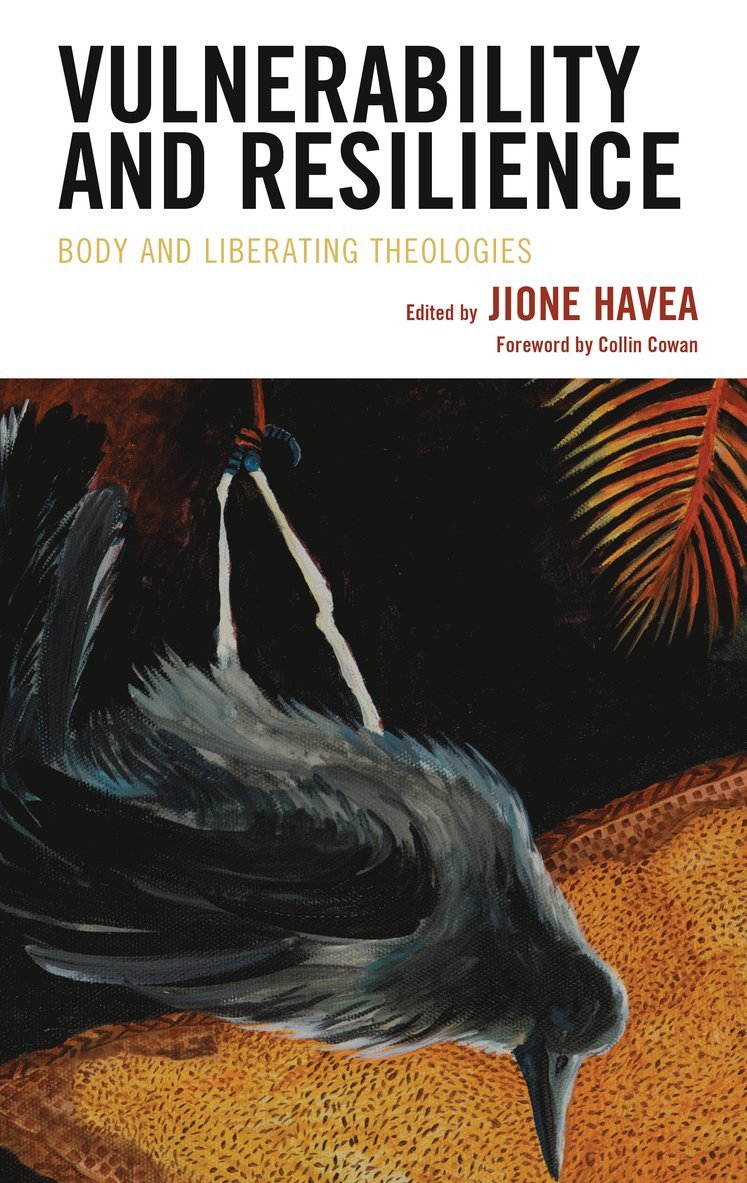
In Vulnerability and Resilience, vulnerability is not the final word. Rather, resilience provides the cutting edge and living breath in the stories of subjects who are vulnerable. And they have many stories: stories of being trapped in bodies, teachings, and/or situations that make them (and others like them) vulnerable to discrimination, hatred, and rejection; stories of being trapped because of their bodies, theologies, and/or cultures; and stories of being trapped for no-good reason. For subjects who are vulnerable, life is like a maze of traps, and stories of resilience keep them going.The contributors to Vulnerability and Resilience refuse to be trapped. At the intersection of body and liberation theologies, they tell their stories in the hope that they will expose cultures that make individuals and communities vulnerable, and that those stories will encourage vulnerable subjects to be resilient and bring change to theological institutions that conserve vulnerability. Because of the location of the contributors—the Americas, Africa, Asia, Europe, Caribbean, and Oceania—this book is a testimony that vulnerability is present all over the world, and that resilience is a liberating alternative.
488 kr
Skickas inom 10-15 vardagar
In Vulnerability and Resilience, vulnerability is not the final word. Rather, resilience provides the cutting edge and living breath in the stories of subjects who are vulnerable. And they have many stories: stories of being trapped in bodies, teachings, and/or situations that make them (and others like them) vulnerable to discrimination, hatred, and rejection; stories of being trapped because of their bodies, theologies, and/or cultures; and stories of being trapped for no-good reason. For subjects who are vulnerable, life is like a maze of traps, and stories of resilience keep them going.The contributors to Vulnerability and Resilience refuse to be trapped. At the intersection of body and liberation theologies, they tell their stories in the hope that they will expose cultures that make individuals and communities vulnerable, and that those stories will encourage vulnerable subjects to be resilient and bring change to theological institutions that conserve vulnerability. Because of the location of the contributors—the Americas, Africa, Asia, Europe, Caribbean, and Oceania—this book is a testimony that vulnerability is present all over the world, and that resilience is a liberating alternative.
1 209 kr
Skickas inom 10-15 vardagar
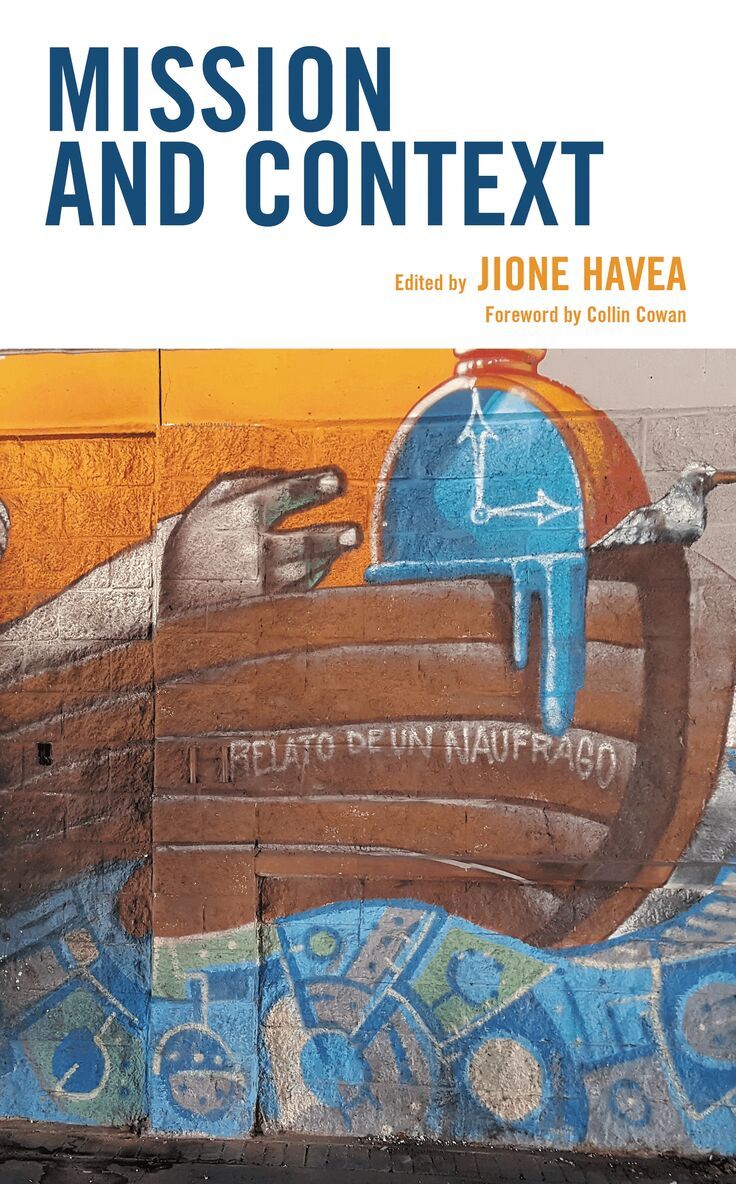
Mission is contrived from and performed over lived contexts, but the visions that guide and drive mission are oftentimes blinded by power, position, protection, and plenitude. This collection visits those matters with queering attention to the shadows that empires cast over the contexts of mission, and to the collusion and complicity of Christians and churches with empires past (as in the case of Rome) and present (as in the case of the United States of America). In the interests of those in mission fields who survived, but continue to agonize under the burdens of empires, the contributors to this work dare to re-vision the course and cause of mission.Writing from minoritized settings in Africa, Asia, the Americas, and Oceania, the authors interweave the principles and practices of mission with the opportunities in decolonial theology and hermeneutics, minoritized and migrant Christologies, repatriation and the courage to get up and get out, indigenous insights and wisdom, mission archives, stories of resistance and endurance in zones of contact and violence, restless souls and returning spirits, and life-centered spiritual (en)countering. In Mission and Context as with previous volumes in this series—empires do not have the final word, nor are they the final world.
488 kr
Skickas inom 10-15 vardagar
Mission is contrived from and performed over lived contexts, but the visions that guide and drive mission are oftentimes blinded by power, position, protection, and plenitude. This collection visits those matters with queering attention to the shadows that empires cast over the contexts of mission, and to the collusion and complicity of Christians and churches with empires past (as in the case of Rome) and present (as in the case of the United States of America). In the interests of those in mission fields who survived, but continue to agonize under the burdens of empires, the contributors to this work dare to re-vision the course and cause of mission.Writing from minoritized settings in Africa, Asia, the Americas, and Oceania, the authors interweave the principles and practices of mission with the opportunities in decolonial theology and hermeneutics, minoritized and migrant Christologies, repatriation and the courage to get up and get out, indigenous insights and wisdom, mission archives, stories of resistance and endurance in zones of contact and violence, restless souls and returning spirits, and life-centered spiritual (en)countering. In Mission and Context as with previous volumes in this series—empires do not have the final word, nor are they the final world.
1 142 kr
Skickas inom 10-15 vardagar
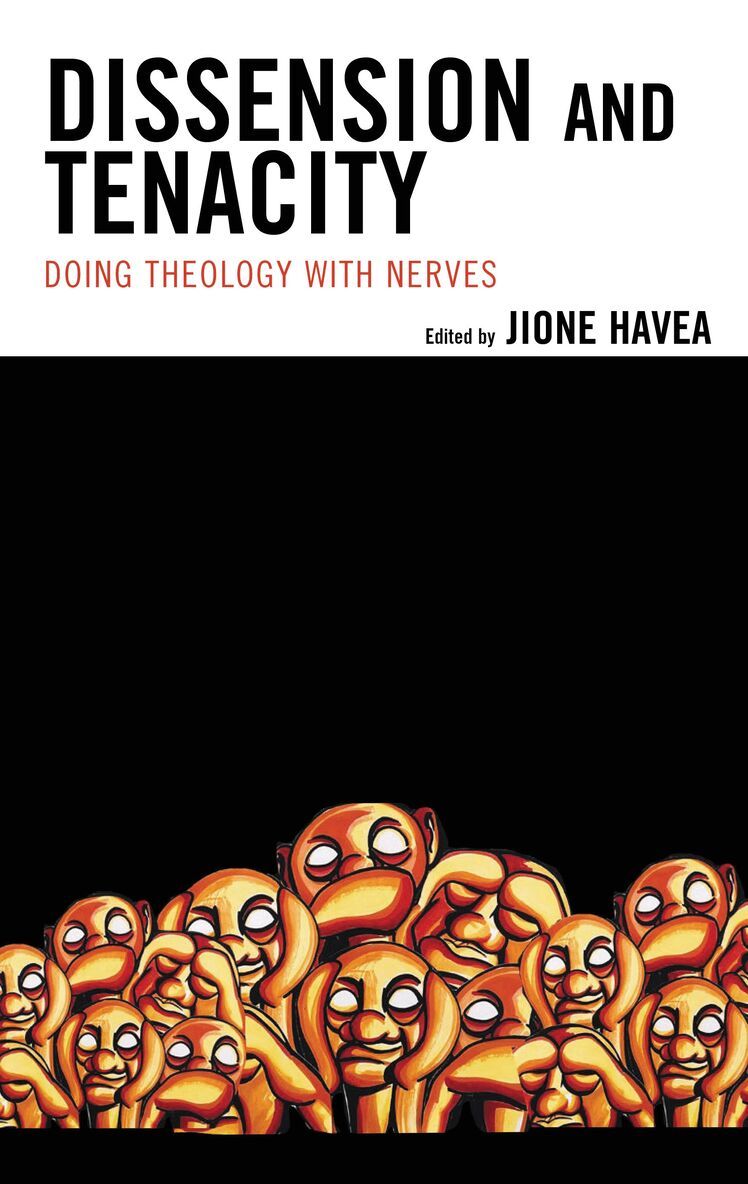
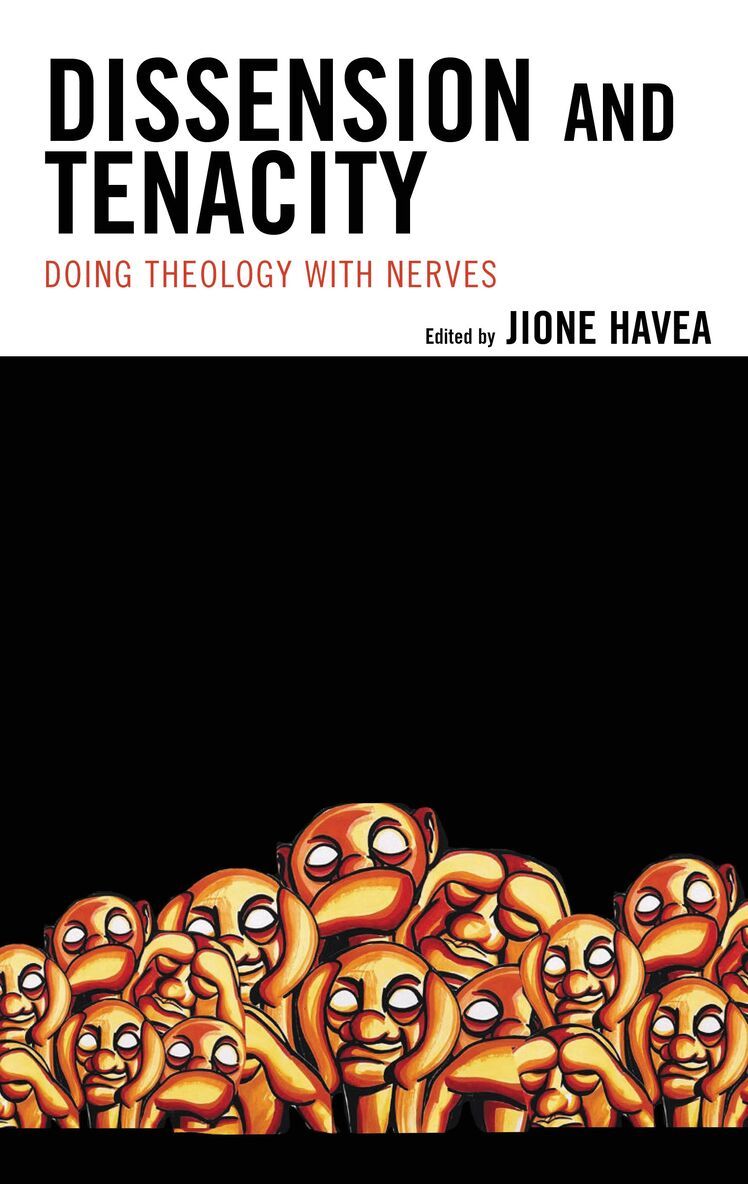
Doing theology requires dissension and tenacity. Dissension is required when scriptural texts, and the colonial bodies and traditions (read: Babylon) that capitalize upon those, inhibit or prohibit “rising to life.” With “nerves” to dissent, the attentions of the first cluster of essays extend to scriptures and theologies, to borders and native peoples. The title for the first cluster — “talking back with nerves, against Babylon” — appeals to the spirit of feminist (to talk back against patriarchy) and RastafarI (to chant down Babylon) critics. The essays in the second cluster — titled “persevering with tenacity, through shitstems” — testify that perseverance is possible, and it requires tenacity. Tenacity is required so that the oppressive systems of Babylon do not have the final word. These two clusters are framed by two chapters that set the tone and push back at the usual business of doing theology, inviting engagement with the wisdom and nerves of artists and poets, and two closing chapters that open up the conversation for further dissension and tenacity. Doing theology with dissension and tenacity is unending.
434 kr
Skickas inom 10-15 vardagar
Doing theology requires dissension and tenacity. Dissension is required when scriptural texts, and the colonial bodies and traditions (read: Babylon) that capitalize upon those, inhibit or prohibit “rising to life.” With “nerves” to dissent, the attentions of the first cluster of essays extend to scriptures and theologies, to borders and native peoples. The title for the first cluster — “talking back with nerves, against Babylon” — appeals to the spirit of feminist (to talk back against patriarchy) and RastafarI (to chant down Babylon) critics. The essays in the second cluster — titled “persevering with tenacity, through shitstems” — testify that perseverance is possible, and it requires tenacity. Tenacity is required so that the oppressive systems of Babylon do not have the final word. These two clusters are framed by two chapters that set the tone and push back at the usual business of doing theology, inviting engagement with the wisdom and nerves of artists and poets, and two closing chapters that open up the conversation for further dissension and tenacity. Doing theology with dissension and tenacity is unending.
1 076 kr
Skickas inom 10-15 vardagar
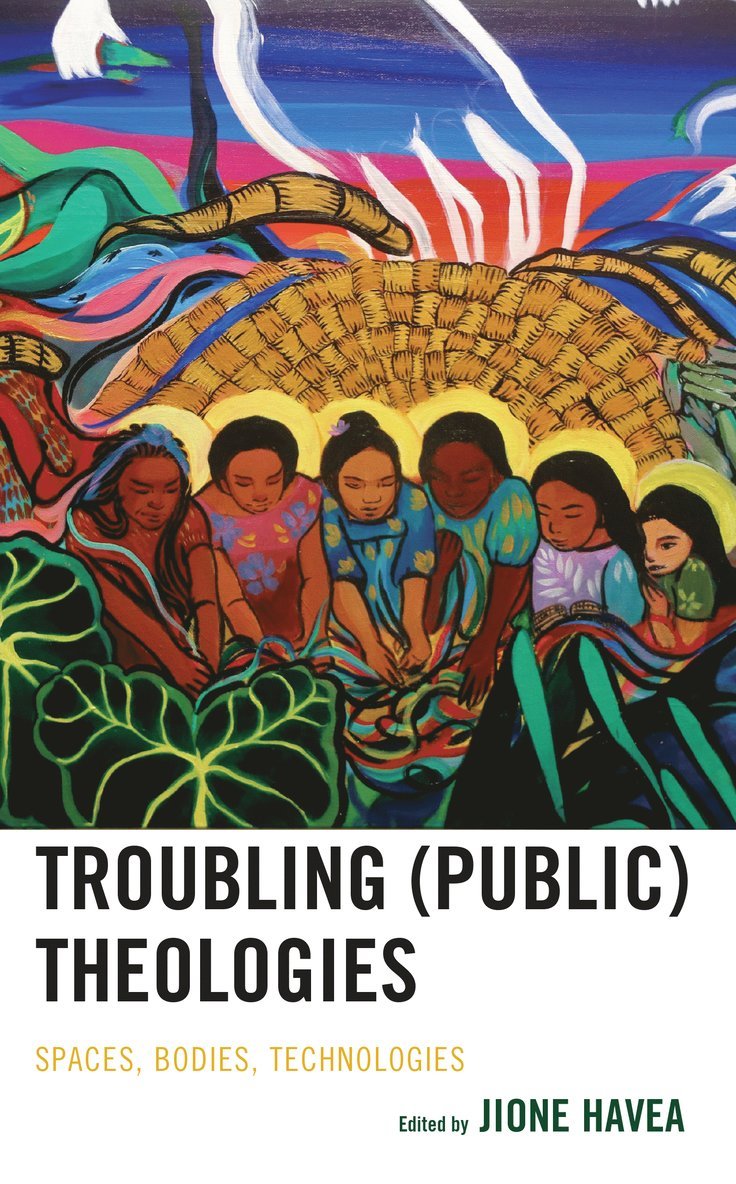
Theologies, no matter their designations, are public measures—they disclose as well as gauge the publics (near and far) on which they stand, sit, lie, or fall. Because publics shift and mingle, theologies require reimagining, relocating, and embracing fresh insights and energies. The insights and energies embraced in this work are in three clusters: spaces, bodies, and technologies. The spotlighted spaces are in Africa, Asia, Black America, the Caribbean, and Pasifika—beyond the eyes of mainline theologies; the privileged bodies have survived, with scars from empire and missionary positionings; and the welcomed technologies include Dalit, indigenous, art, poetry, cyborg, and the novel. This collection is troubling in several ways: first, reimagining and relocating are troubling acts upon their subject matter—here, public theologies. On that note, what theology is not public? Second, this work takes theologies in general, and not just the theologies that carry the “public” designation, to be public theologies. Third, this work takes theologies in general to be inherently troubling. In other words, theologies that are not troubling are not public enough.