Thornton Center Chinese Thinkers Series – serie
Visar alla böcker i serien Thornton Center Chinese Thinkers Series. Handla med fri frakt och snabb leverans.
10 produkter
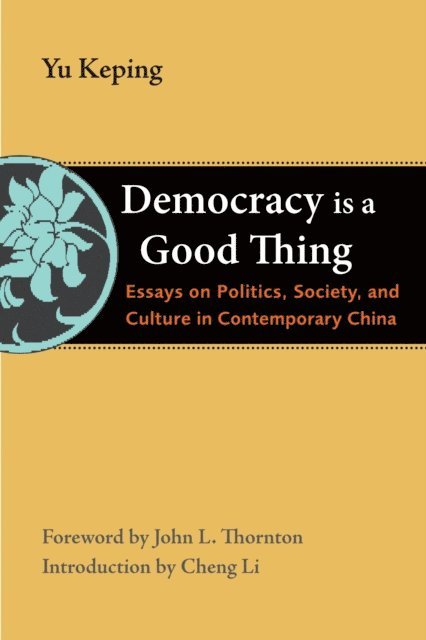
Democracy Is a Good Thing
Essays on Politics, Society, and Culture in Contemporary China
Av Yu Keping
E-bok, 2009
405 kr
Lägg i varukorg
""Democracy is a good thing. This is true not only for individuals or certain officials but also for the entire nation and for all the people of China.""Yu Keping So begins ""Democracy Is a Good Thing,"" an essay of great influence that has commanded attention and provoked discussion throughout …
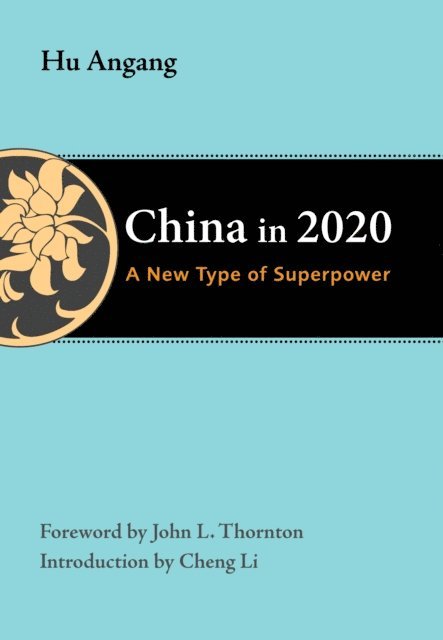
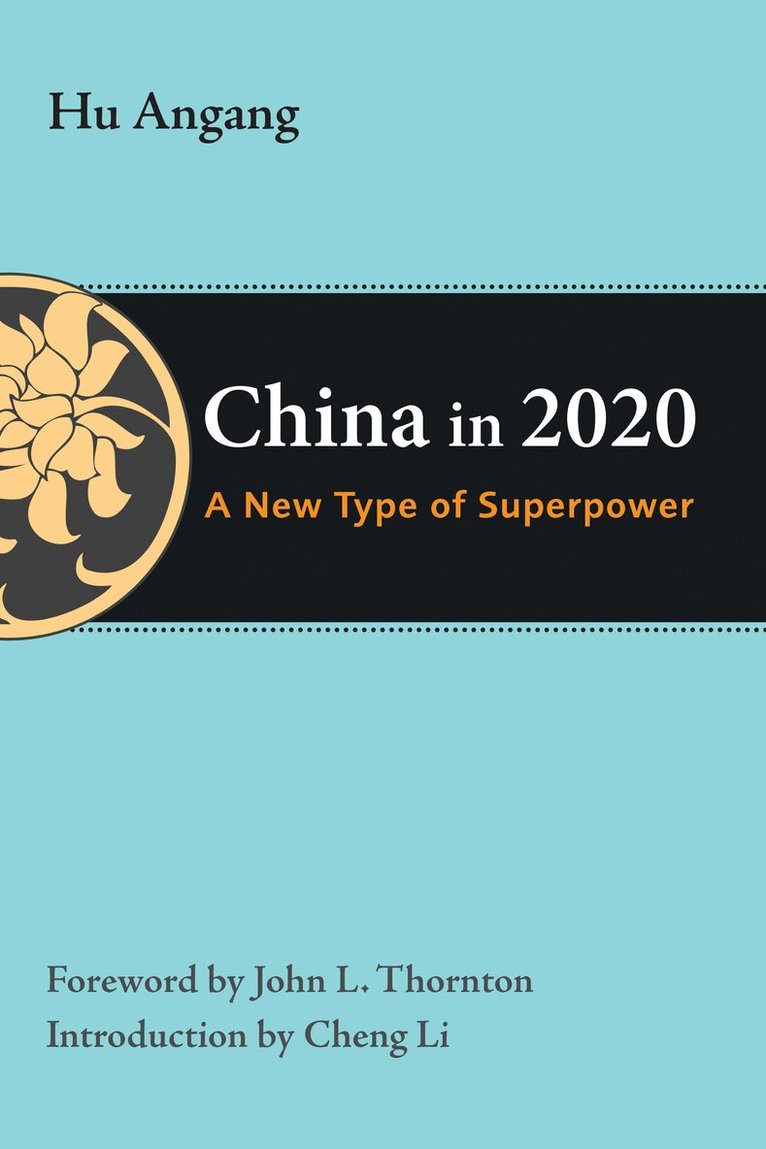
China in 2020
A New Type of Superpower
Av Angang Hu
E-bok, 2011
405 kr
Lägg i varukorg
The rapid pace and grand scale of China's rise have produced a heady mixture of wonder and consternation in the West. Is China on track to become a superpower? What would that mean for the rest of the world? Economist Hu Angang approaches these questions through analysis of three major dimensions …
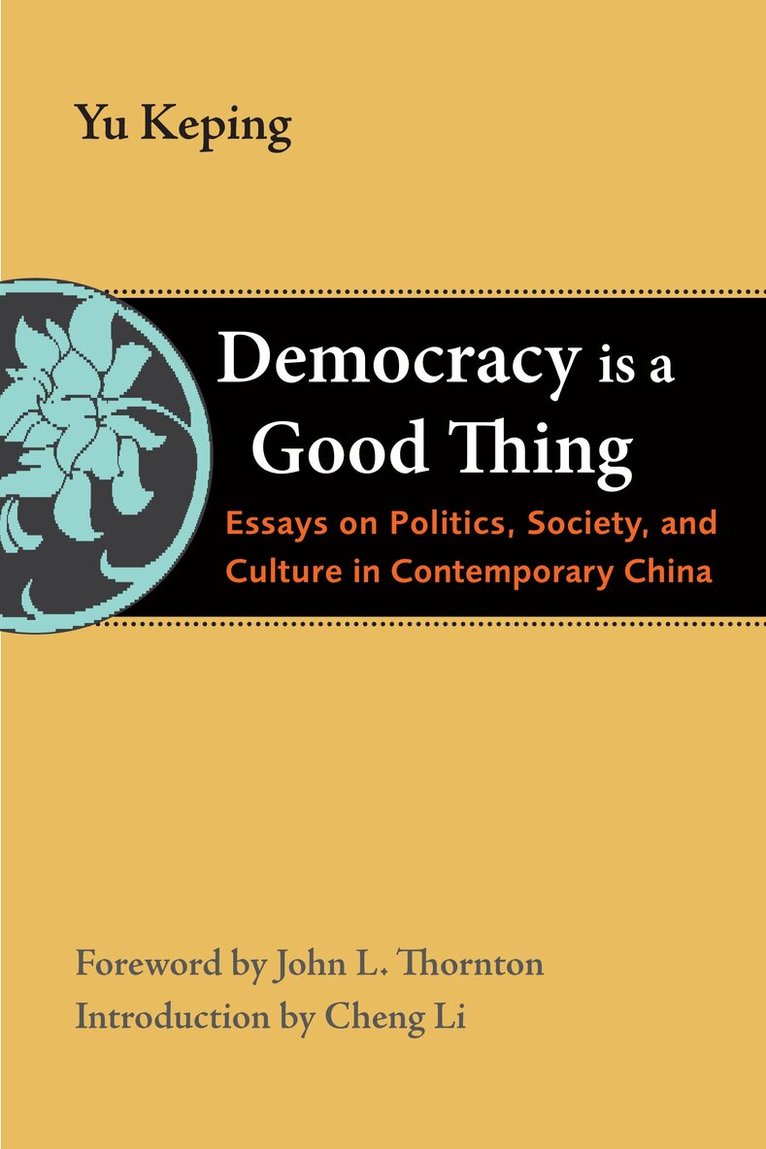
Democracy Is a Good Thing
Essays on Politics, Society, and Culture in Contemporary China
Av Yu Keping
Häftad, 2011
373 kr
Lägg i varukorg
""Democracy is a good thing. This is true not only for individuals or certain officials but also for the entire nation and for all the people of China.""Yu KepingSo begins ""Democracy Is a Good Thing,"" an essay of great influence that has commanded attention and provoked discussion throughout the …
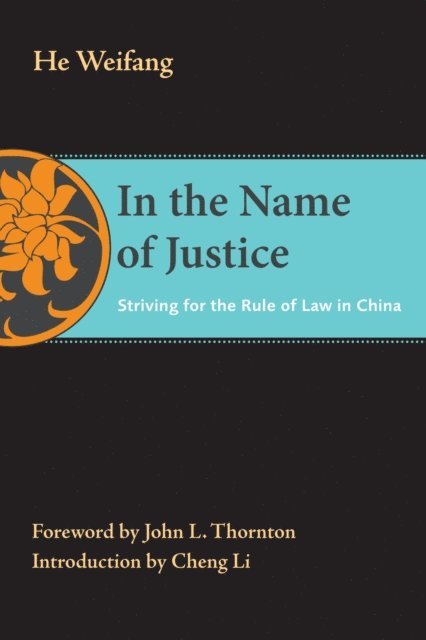
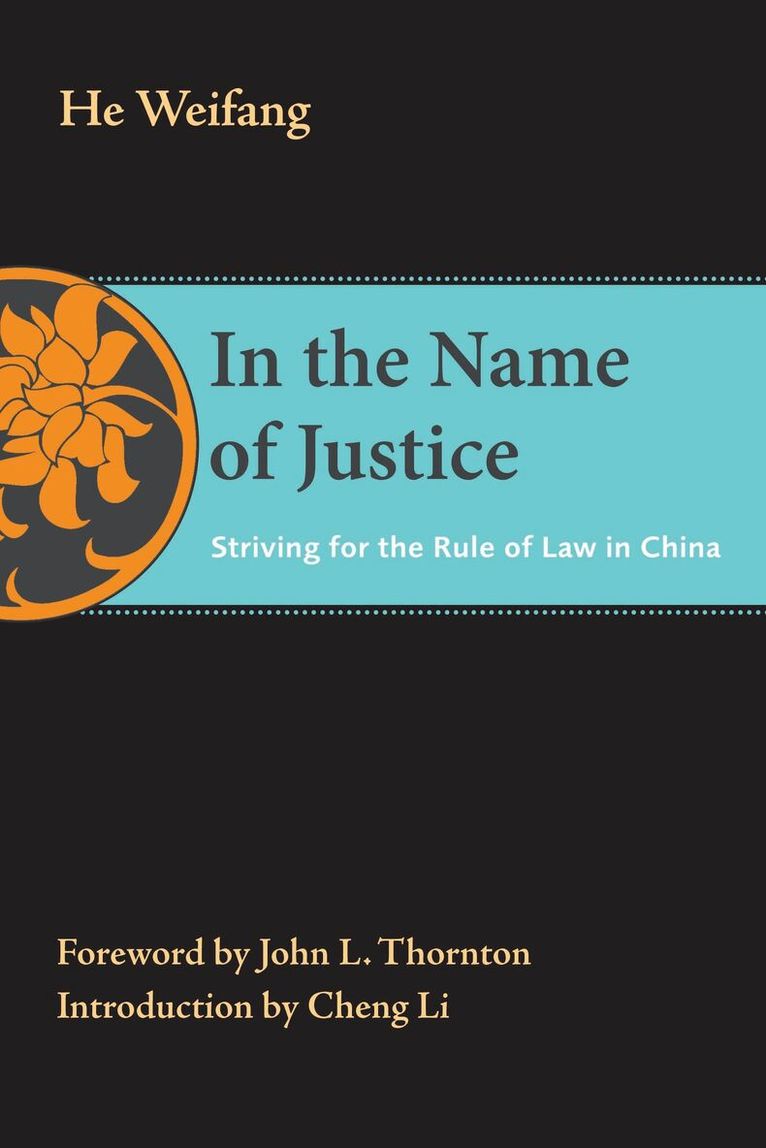
In the Name of Justice
Striving for the Rule of Law in China
Av Weifang He
E-bok, 2012
561 kr
Lägg i varukorg
This ebook is now available from Bloomsbury Academic. Bloomsbury Academic publish acclaimed resources for undergraduate and postgraduate courses, as well as the general reader, across a broad range of subjects including Archaeology, Art & Visual Culture, Biblical Studies, Business & Management, …
China in 2020
A New Type of Superpower
Av Angang Hu
Häftad, 2012
373 kr
Lägg i varukorg
The rapid pace and grand scale of China's rise have produced a heady mixture of wonder and consternation in the West. Is China on track to become a superpower? What would that mean for the rest of the world? Economist Hu Angang approaches these questions through analysis of three major dimensions …
Social Ethics in a Changing China
Moral Decay or Ethical Awakening?
Av Huaihong He
E-bok, 2015
408 kr
Lägg i varukorg
Over the past half-century, China has experienced some incredible human dramas, ranging from Red Guard fanaticism and the loss of education for an entire generation during the Cultural Revolution, to the Tiananmen tragedy, the economic miracle, and its accompanying fad of money worship and the …
In the Name of Justice
Striving for the Rule of Law in China
Av Weifang He
Häftad, 2012
514 kr
Lägg i varukorg
Of all the issues presented by China’s ongoing economic and sociopolitical transformation, none may ultimately prove as consequential as the development of the Chinese legal system. Even as public demand for the rule of law grows, the Chinese Communist Party still interferes in legal affairs and …
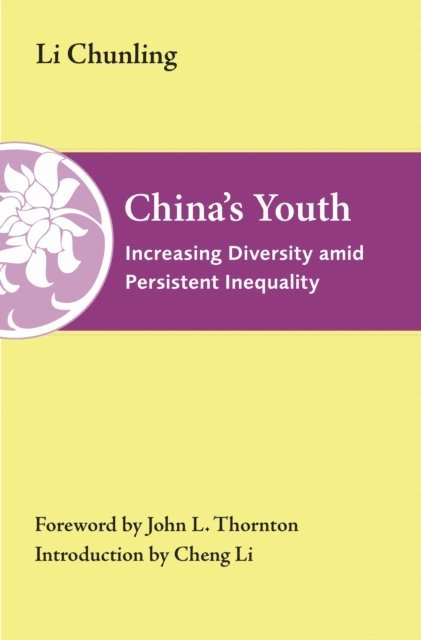
China's Youth
Increasing Diversity Amid Persistent Inequality
Av Li Chunling
E-bok, 2021
546 kr
Lägg i varukorg
Understanding the young adults who came of age during the rise of China''s economic and global power This book by a prominent Chinese sociologist explores how China''s youth will influence the country''s future. Focusing on millennialsthose born between the early 1980s and the mid-1990sthe book …
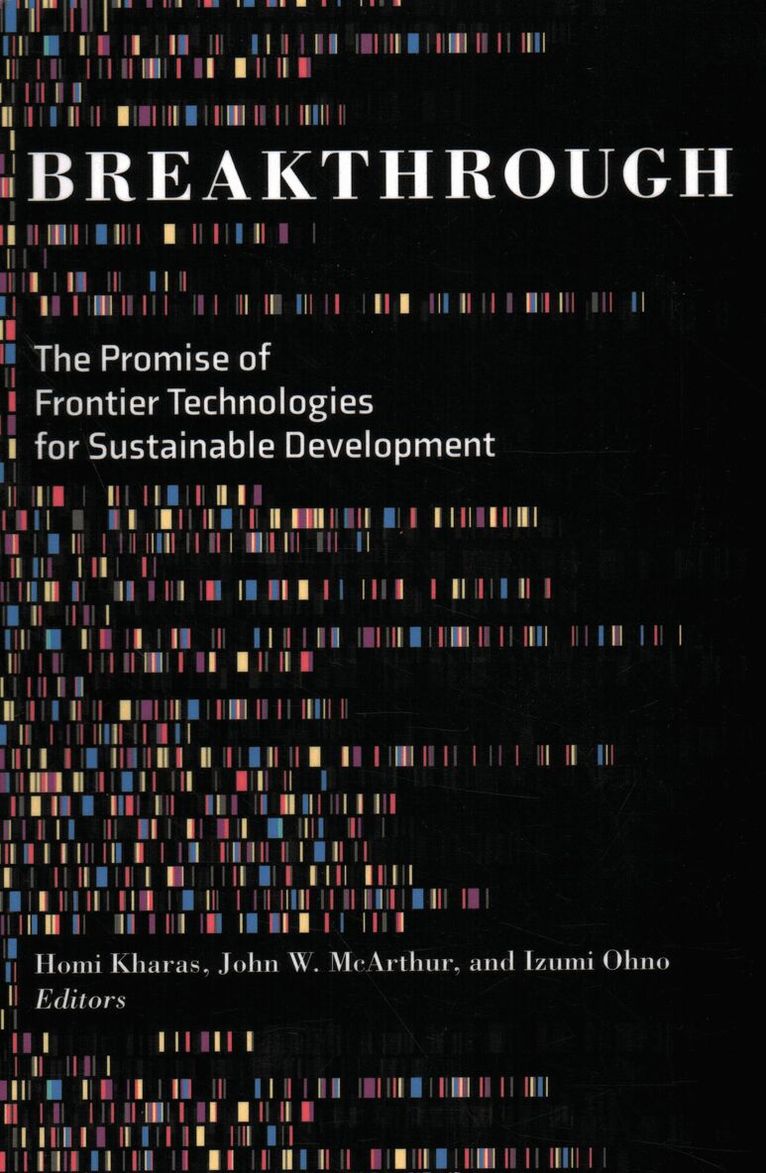
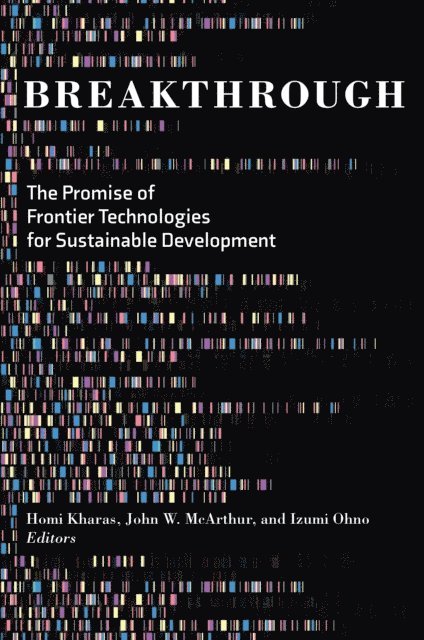
Breakthrough
The Promise of Frontier Technologies for Sustainable Development
Av Homi Kharas, John W. McArthur m. fl.
Häftad, 2022
365 kr
Lägg i varukorg
One overall takeaway is that gradualist approaches will not achieve those goals by 2030. Breakthroughs will be necessary in science, in the development of new products and services, and in institutional systems. Each of the experts responded with stories that reflect big ambitions for what the …
Breakthrough
The Promise of Frontier Technologies for Sustainable Development
Av Homi Kharas, John W. McArthur m. fl.
E-bok, 2022
608 kr
Lägg i varukorg
One overall takeaway is that gradualist approaches will not achieve those goals by 2030. Breakthroughs will be necessary in science, in the development of new products and services, and in institutional systems. Each of the experts responded with stories that reflect big ambitions for what the …