Twisted Transfers - Böcker
Visar alla böcker i serien Twisted Transfers. Handla med fri frakt och snabb leverans.
2 produkter
2 produkter
1 608 kr
Skickas inom 3-6 vardagar
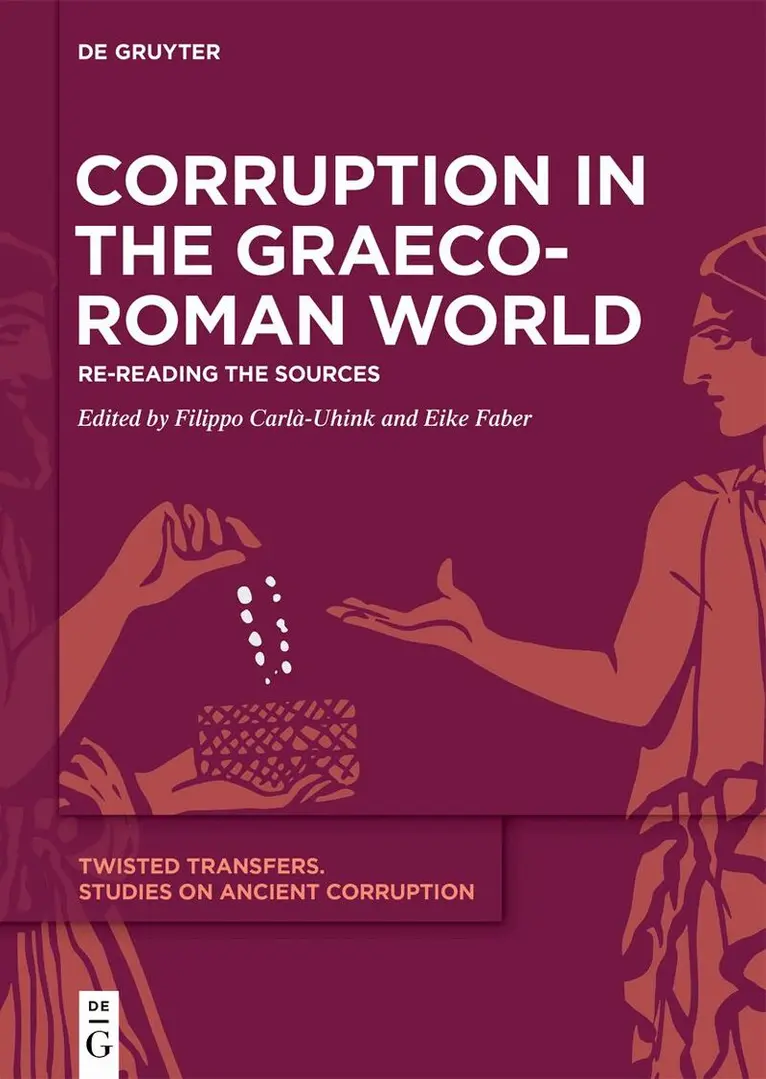
Defining corruption is an incredibly difficult task. Being at the same time a concept identifying illegitimate and illegal behaviors, mostly connected to positions of power, and a word indicating a process of (moral) degeneration, corruption is hard to tackle and disentangle – especially when one considers how it is perceived and discussed in public discourse. As deviance from the norm, corruption shifts continuously: different cultures recognize different kinds of behavior as "corrupt". Nonetheless, earlier studies on corruption in Greek and Roman antiquity have often tried to define which periods were "more" or "less corrupt", or how corruption influenced the demise of political orders (for example in the late Roman republic or in late antiquity). This volume develops a different approach, focusing on the ways in which ancient sources – literary texts, papyri, laws, etc. – have understood and defined corruption, to gain an emic perspective of corruption in different moments and contexts of Graeco-Roman Antiquity. The volume thus provides an innovative and comprehensive perspective on corruption and anti-corruption in Greek and Roman antiquity, thus providing relevant tools also for today’s discussions about a topic which is and was always current.
1 656 kr
Kommande
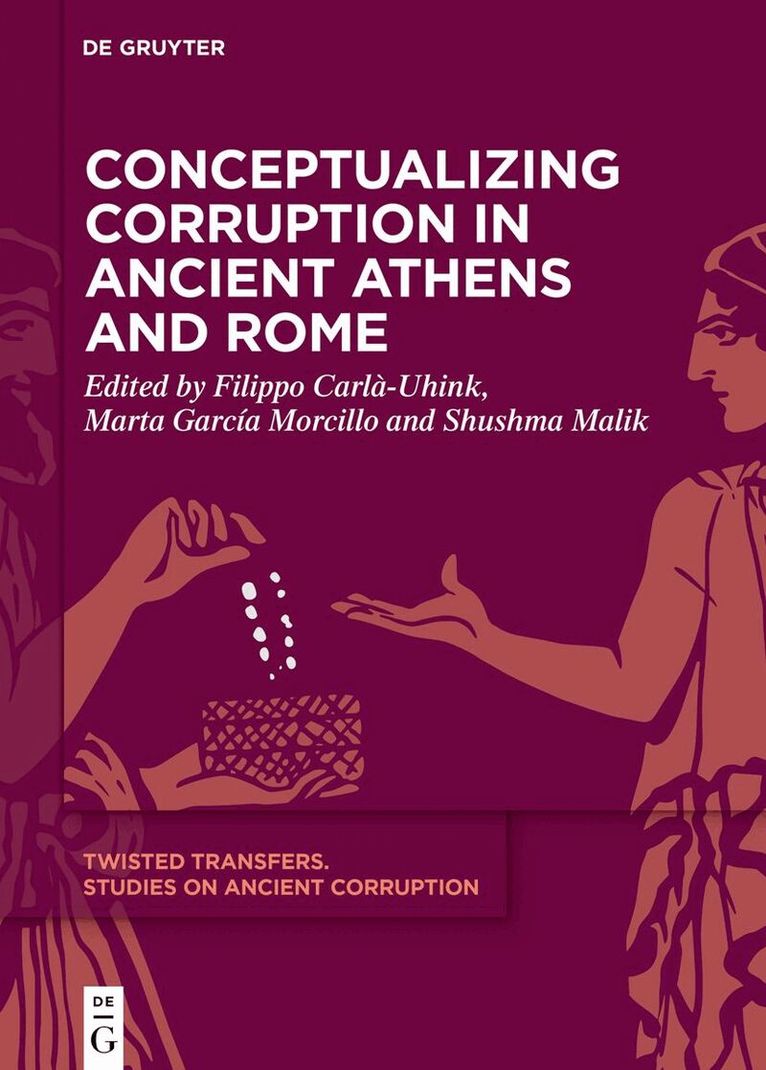
Corruption is a process of degeneration activated or revealed by activities defined as illegal, immoral or deviant. Political corruption specifically defines forms of misbehavior damaging the community, as embezzlement; yet, it is impossible to disentangle from moral corruption, as the relationship between individual corruption and that of the entire community can take different forms in public opinion and discourse. The picture becomes even more blurred when considering corruption in ancient Athens and Rome. This is due to the scarcity and the general one-sidedness of ancient sources, as to modern narratives that tend to idealize those societies and to identify specific phases, such as the Late Republic or the Late Roman Empire, as moments of "decadence" and of widespread corruption. The volume explores a variety of approaches to the study of corruption in ancient Athens and Rome, focusing on how corruption (and anti-corruption) were conceptualized, discussed and represented. Such analysis is relevant for today’s discussions about corruption, too, in particular by demonstrating how discourses of corruption interface with democratic ideology (as in Athens) and with electoral practices (as in Republican Rome).