UCL World Archaeology Series - Böcker
Visar alla böcker i serien UCL World Archaeology Series. Handla med fri frakt och snabb leverans.
4 produkter
4 produkter
1 314 kr
Skickas inom 10-15 vardagar
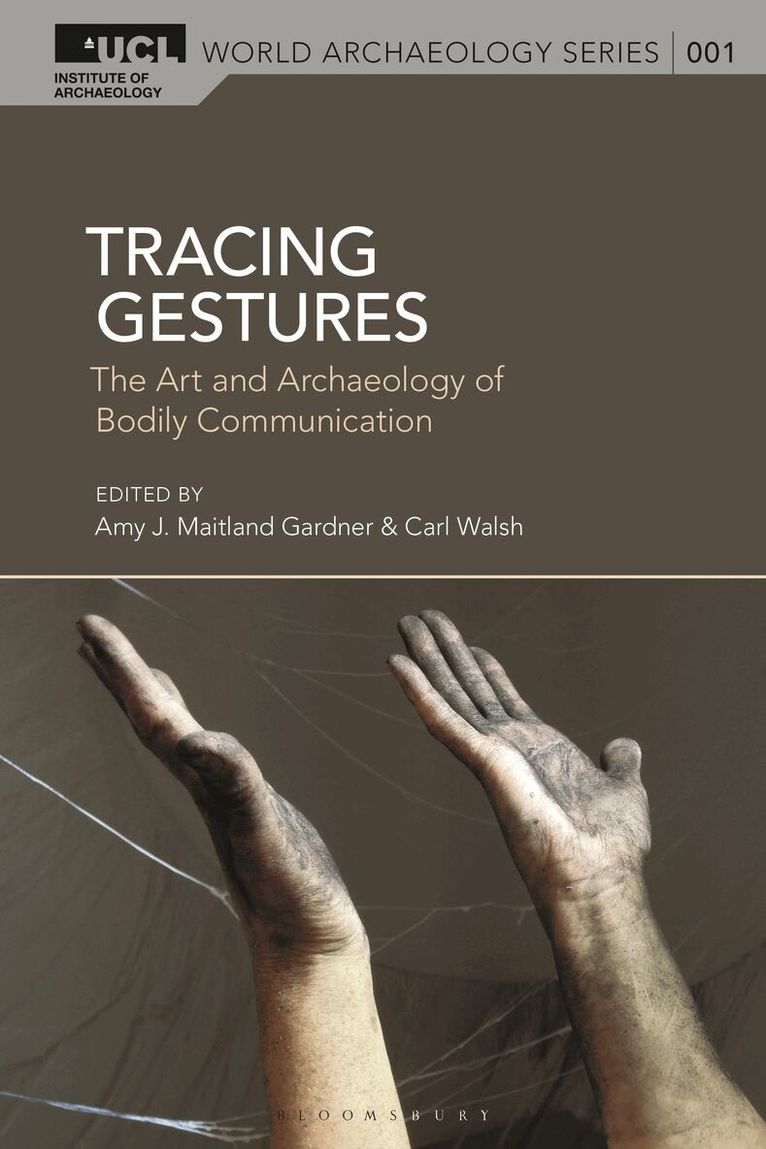
This volume examines the role of gestures in past societies, exploring both how meaning was communicated through bodily actions, and also how archaeologists can trace the symbolism and significance of ancient gestures, ritual practices and bodily techniques through the material remnants of past human groups.Gesture studies is an area of increasing interest within the social sciences, and the individual chapters not only respond to developments in the field, but push it forward by bringing a wide range of perspectives and approaches into dialogue with one another. Each exhibits a critical and reflexive approach to bodily communication and to re-tracing bodies through the archaeological record (in art, the treatment of the body and material culture), and together they demonstrate the diversity of pioneering global research on gestures in archaeology and related disciplines, with contributions from leading researchers in Aegean, Mediterranean, Mesoamerican, Japanese and Near Eastern archaeology. By bringing case studies from each of these different cultures and regions together and drawing on interdisciplinary insights from anthropology, sociology, psychology, linguistics, design, art history and the performing arts, this volume reveals the similarities and differences in gestures as expressed in cultures around the world, and offers new and valuable perspectives on the nature of bodily communication across both space and time.
420 kr
Skickas inom 10-15 vardagar
This volume examines the role of gestures in past societies, exploring both how meaning was communicated through bodily actions, and also how archaeologists can trace the symbolism and significance of ancient gestures, ritual practices and bodily techniques through the material remnants of past human groups.Gesture studies is an area of increasing interest within the social sciences, and the individual chapters not only respond to developments in the field, but push it forward by bringing a wide range of perspectives and approaches into dialogue with one another. Each exhibits a critical and reflexive approach to bodily communication and to re-tracing bodies through the archaeological record (in art, the treatment of the body and material culture), and together they demonstrate the diversity of pioneering global research on gestures in archaeology and related disciplines, with contributions from leading researchers in Aegean, Mediterranean, Mesoamerican, Japanese and Near Eastern archaeology. By bringing case studies from each of these different cultures and regions together and drawing on interdisciplinary insights from anthropology, sociology, psychology, linguistics, design, art history and the performing arts, this volume reveals the similarities and differences in gestures as expressed in cultures around the world, and offers new and valuable perspectives on the nature of bodily communication across both space and time.
1 221 kr
Skickas inom 7-10 vardagar
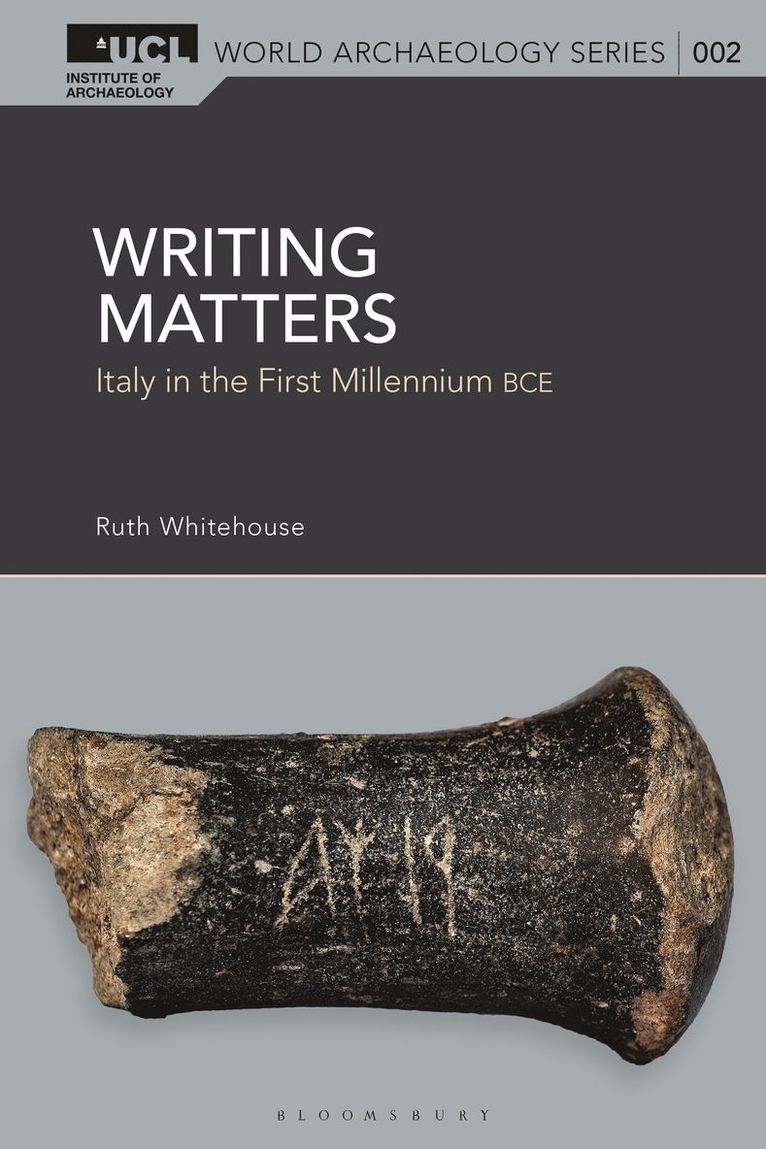
The epigraphy of 1st-millennium-BCE Italy has been studied for many years, but these studies have largely concentrated on the languages encoded in the inscriptions and their semantic meanings. This book takes a more holistic approach that looks not only at content, but also the archaeological contexts of the inscriptions and the materiality of their 'supports': the artefacts and monuments on which the inscriptions occur.The first writing in Italy was not a local invention, but was introduced by the Phoenicians and Greeks in the 9th–8th centuries BCE. It was taken up by number of indigenous communities over the subsequent centuries to write their own languages, before these were eventually submerged by the spread of Latin.In a series of theoretical, methodological and interpretative essays, Ruth Whitehouse explores what can be learned about how writing was used by these communities and what it meant to them. The bodies of data considered relate to Venetic and Raetic (the northeast), Lepontic (the northwest), Messapic (the southeast) and Etruscan (west central Italy, extending also into Campania in the south and the Po plain in the north). While not a comprehensive survey, there are enough different groups to allow a comparative approach to be adopted. Analysis of the datasets is able to reveal the similarities and differences between them, as well as identify features that were widespread in 1st-millennium-BCE Italy and others that were more idiosyncratic and specific to particular cultural groups. Placing materiality at the centre of study allows a reconsideration of the roles writing played in the lives of the individuals and groups who occupied Italy in the 1st millennium BCE.
499 kr
Kommande
The epigraphy of 1st-millennium-BCE Italy has been studied for many years, but these studies have largely concentrated on the languages encoded in the inscriptions and their semantic meanings. This book takes a more holistic approach that looks not only at content, but also the archaeological contexts of the inscriptions and the materiality of their 'supports': the artefacts and monuments on which the inscriptions occur.The first writing in Italy was not a local invention, but was introduced by the Phoenicians and Greeks in the 9th–8th centuries BCE. It was taken up by number of indigenous communities over the subsequent centuries to write their own languages, before these were eventually submerged by the spread of Latin.In a series of theoretical, methodological and interpretative essays, Ruth Whitehouse explores what can be learned about how writing was used by these communities and what it meant to them. The bodies of data considered relate to Venetic and Raetic (the northeast), Lepontic (the northwest), Messapic (the southeast) and Etruscan (west central Italy, extending also into Campania in the south and the Po plain in the north). While not a comprehensive survey, there are enough different groups to allow a comparative approach to be adopted. Analysis of the datasets is able to reveal the similarities and differences between them, as well as identify features that were widespread in 1st-millennium-BCE Italy and others that were more idiosyncratic and specific to particular cultural groups. Placing materiality at the centre of study allows a reconsideration of the roles writing played in the lives of the individuals and groups who occupied Italy in the 1st millennium BCE.