Urban Archaeological Pasts – serie
Visar alla böcker i serien Urban Archaeological Pasts. Handla med fri frakt och snabb leverans.
6 produkter
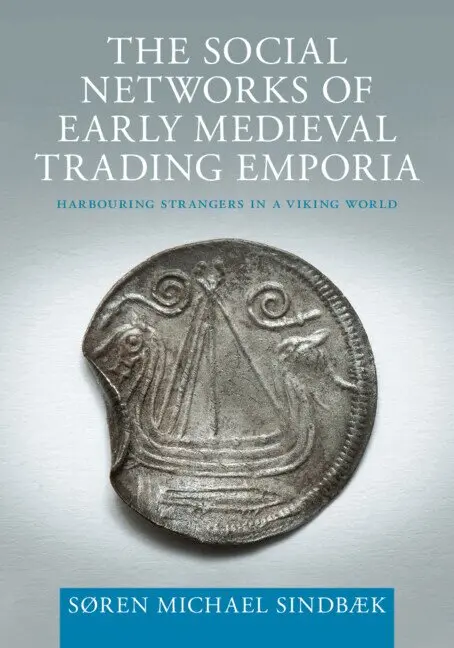
The Social Networks of Early Medieval Trading Emporia
Harbouring Strangers in a Viking World
Inbunden, 2026
1738 kr
Lägg i varukorg
Trading emporia emerged in Northern Europe in the Early Middle Ages and were the first coin-based markets and urban settlements in this region. In this study, Søren Michael Sindb'k proposes a new account of the origins of these trading centres by tracing their role in hosting strangers. Sindb'k …
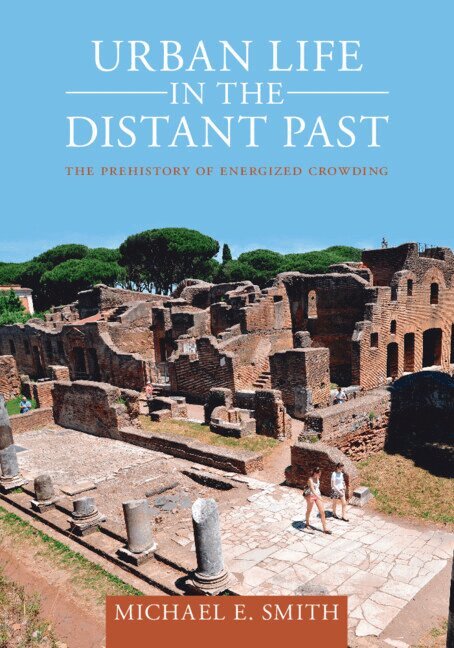
Urban Life in the Distant Past
The Prehistory of Energized Crowding
Häftad, 2024
485 kr
Lägg i varukorg
In this book, Michael Smith offers a comparative and interdisciplinary examination of ancient settlements and cities. Early cities varied considerably in their political and economic organization and dynamics. Smith here introduces a coherent approach to urbanism that is transdisciplinary in scope, …
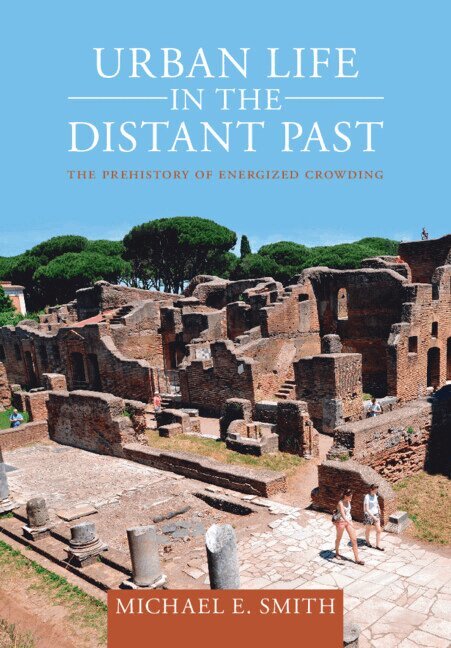
Urban Life in the Distant Past
The Prehistory of Energized Crowding
Inbunden, 2023
2029 kr
Lägg i varukorg
In this book, Michael Smith offers a comparative and interdisciplinary examination of ancient settlements and cities. Early cities varied considerably in their political and economic organization and dynamics. Smith here introduces a coherent approach to urbanism that is transdisciplinary in scope, …
The Social Networks of Early Medieval Trading Emporia
Harbouring Strangers in a Viking World
Häftad, 2026
637 kr
Kommande
Trading emporia emerged in Northern Europe in the Early Middle Ages and were the first coin-based markets and urban settlements in this region. In this study, Søren Michael Sindb'k proposes a new account of the origins of these trading centres by tracing their role in hosting strangers. Sindb'k …
Religion, Ritual, and the Urban Development of Ancient Rome
Inbunden, 2027
1623 kr
Kommande
In Religion, Ritual, and the Urban Development of Ancient Rome, Jörg Rüpke explores how religious practices shaped the city's expansion from the third century BCE to the second century of the Christian era. Using the concept of 'urban religion,' his study looks beyond short-term adaptation to urban …
Religion, Ritual, and the Urban Development of Ancient Rome
Häftad, 2027
595 kr
Kommande
In Religion, Ritual, and the Urban Development of Ancient Rome, Jörg Rüpke explores how religious practices shaped the city's expansion from the third century BCE to the second century of the Christian era. Using the concept of 'urban religion,' his study looks beyond short-term adaptation to urban …