Visual Cultures and Italian Contexts – serie
Visar alla böcker i serien Visual Cultures and Italian Contexts. Handla med fri frakt och snabb leverans.
15 produkter
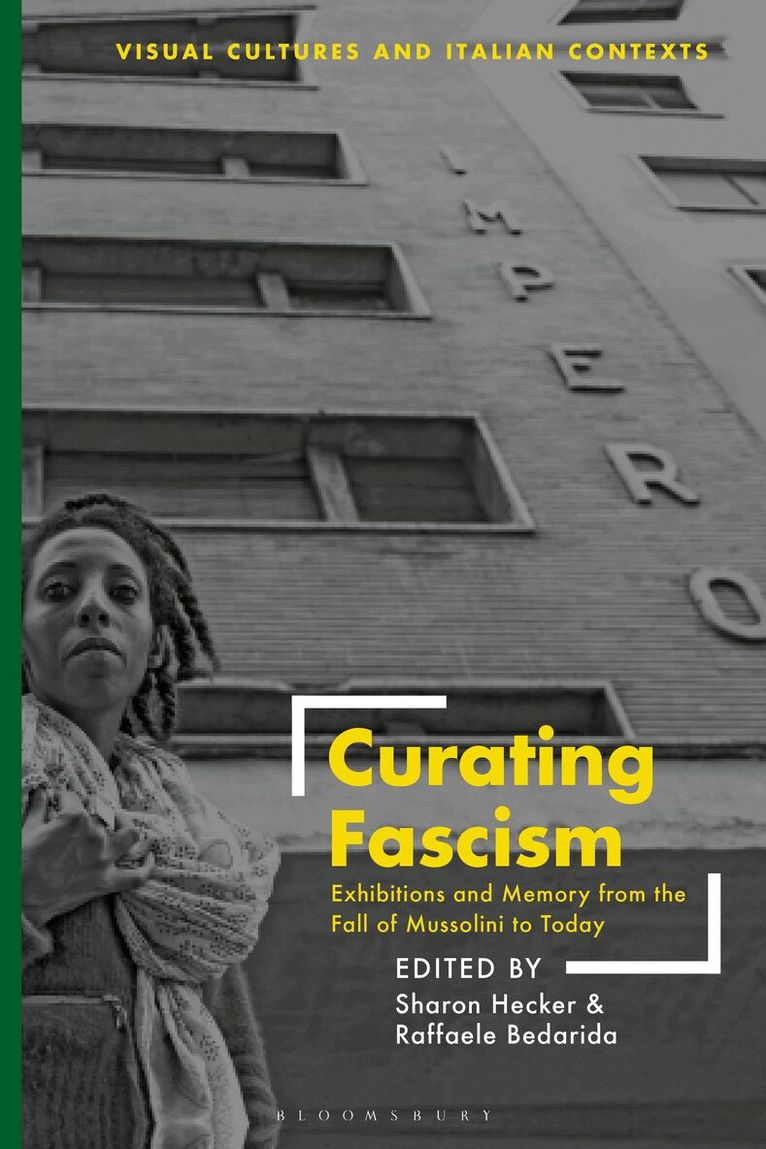
Curating Fascism
Exhibitions and Memory from the Fall of Mussolini to Today
Av Sharon Hecker, Raffaele Bedarida
Häftad, 2022
424 kr
Lägg i varukorg
On the centenary of the fascist party's ascent to power in Italy, Curating Fascism examines the ways in which exhibitions organized from the fall of Benito Mussolini's regime to the present day have shaped collective memory, historical narratives, and political discourse around the Italian …
Curating Fascism
Exhibitions and Memory from the Fall of Mussolini to Today
Av Sharon Hecker, Raffaele Bedarida
E-bok, 2022
466 kr
Lägg i varukorg
On the centenary of the fascist party''s ascent to power in Italy, Curating Fascism examines the ways in which exhibitions organized from the fall of Benito Mussolini''s regime to the present day have shaped collective memory, historical narratives, and political discourse around the Italian …
Curating Fascism
Exhibitions and Memory from the Fall of Mussolini to Today
Av Sharon Hecker, Raffaele Bedarida
E-bok, 2022
466 kr
Lägg i varukorg
On the centenary of the fascist party''s ascent to power in Italy, Curating Fascism examines the ways in which exhibitions organized from the fall of Benito Mussolini''s regime to the present day have shaped collective memory, historical narratives, and political discourse around the Italian …
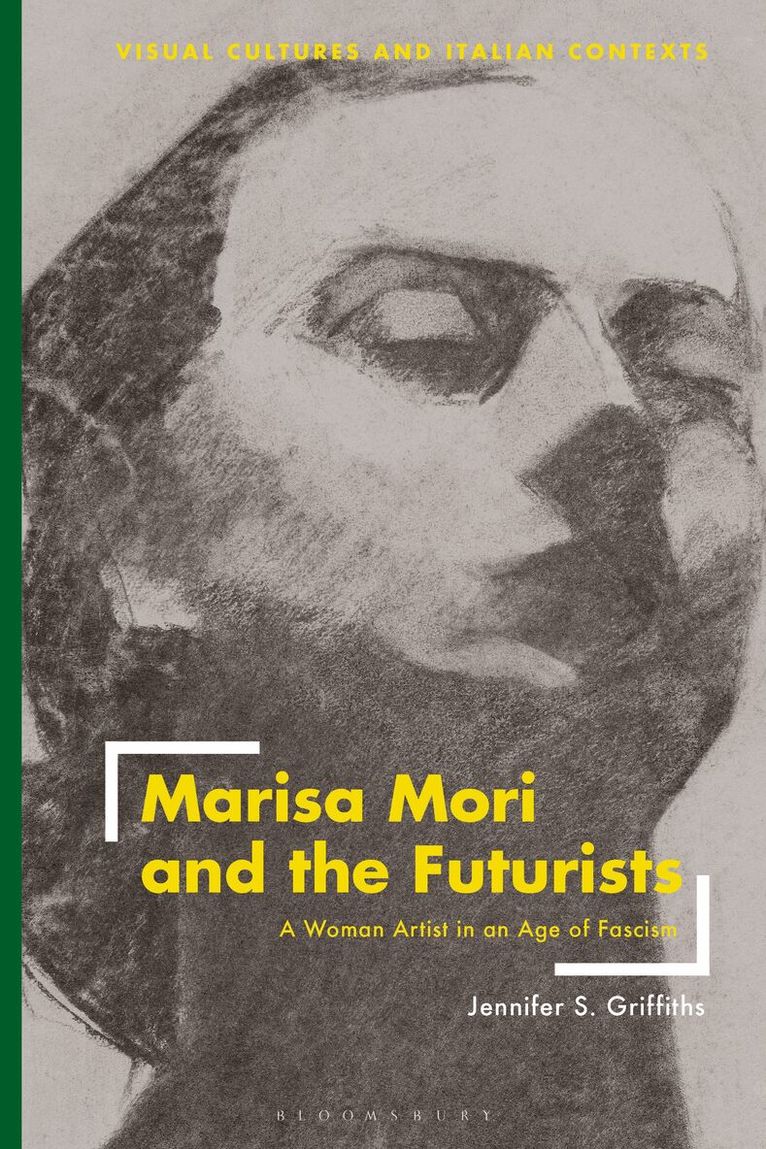
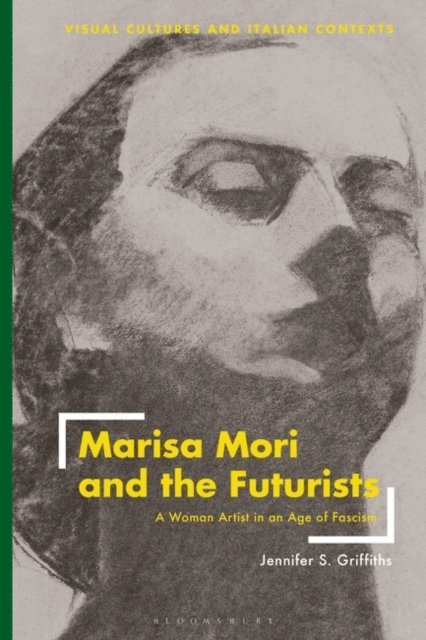
Marisa Mori and the Futurists
A Woman Artist in an Age of Fascism
Av Jennifer Griffiths, Sharon Hecker
Inbunden, 2023
1300 kr
Lägg i varukorg
This book introduces a compelling new personality to the modernist canon, Marisa Mori (1900-1985), who became the only female contributor to The Futurist Cookbook (1932) with her recipe for “Italian Breasts in the Sun.” Providing something more complex than a traditional biographical account, …
Marisa Mori and the Futurists
A Woman Artist in an Age of Fascism
E-bok, 2023
401 kr
Lägg i varukorg
This book introduces a compelling new personality to the modernist canon, Marisa Mori (1900-1985), who became the only female contributor to The Futurist Cookbook (1932) with her recipe for “Italian Breasts in the Sun.” Providing something more complex than a traditional biographical account, …
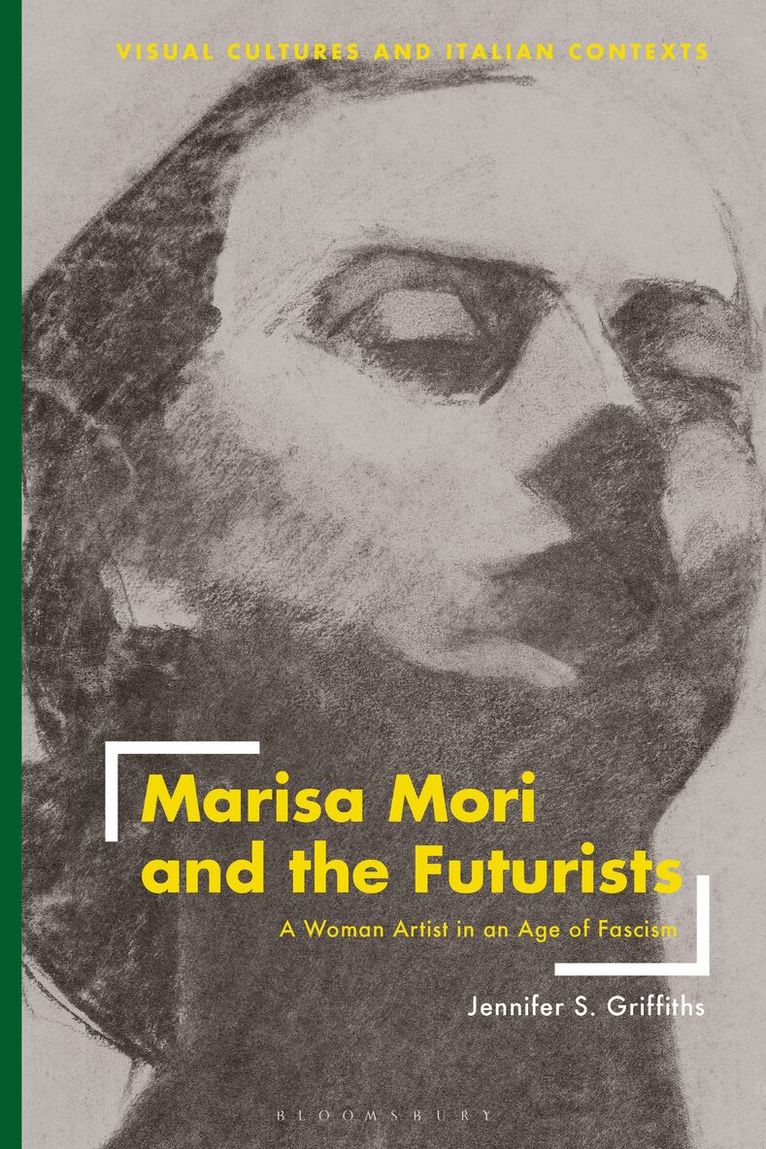
Marisa Mori and the Futurists
A Woman Artist in an Age of Fascism
E-bok, 2023
401 kr
Lägg i varukorg
This book introduces a compelling new personality to the modernist canon, Marisa Mori (1900-1985), who became the only female contributor to The Futurist Cookbook (1932) with her recipe for “Italian Breasts in the Sun.” Providing something more complex than a traditional biographical account, …
Marisa Mori and the Futurists
A Woman Artist in an Age of Fascism
Av Jennifer Griffiths, Sharon Hecker
Häftad, 2024
366 kr
Lägg i varukorg
This book introduces a compelling new personality to the modernist canon, Marisa Mori (1900-1985), who became the only female contributor to The Futurist Cookbook (1932) with her recipe for “Italian Breasts in the Sun.” Providing something more complex than a traditional biographical account, …
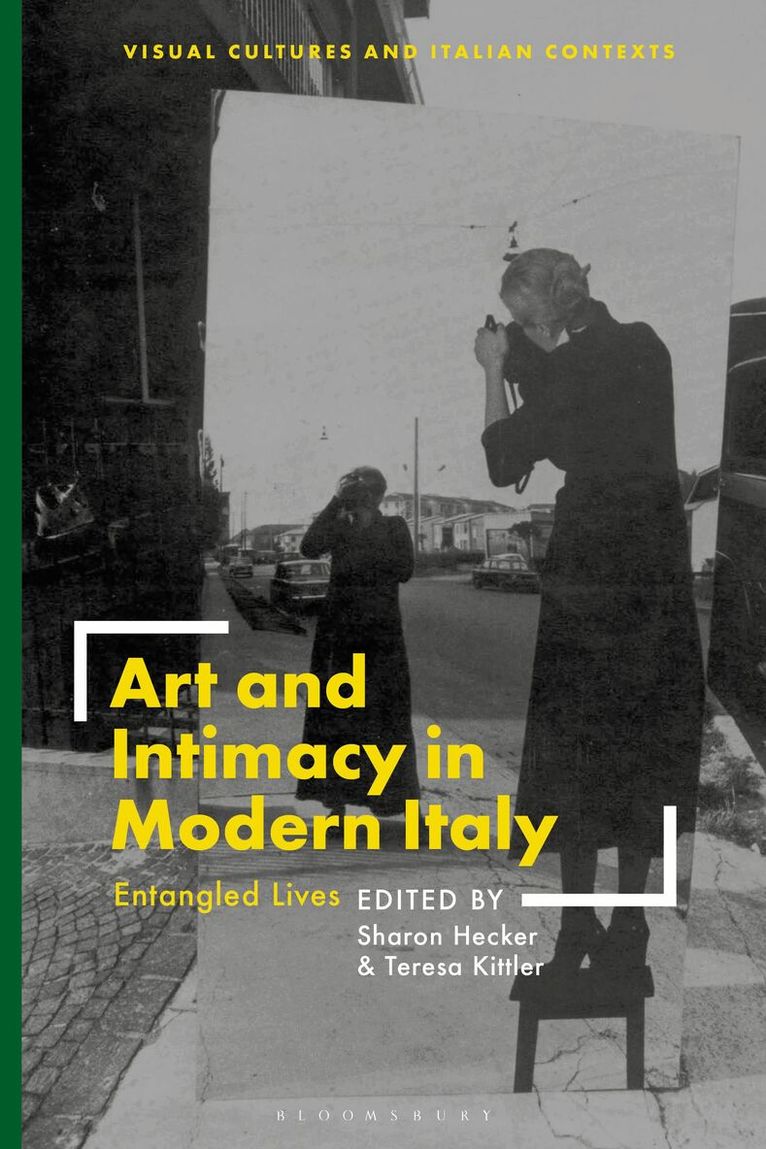
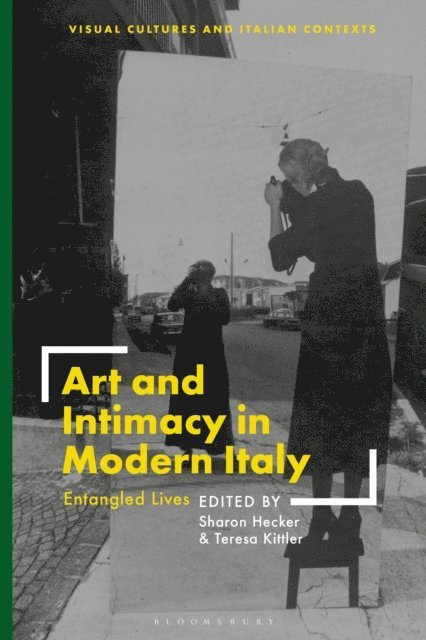
Art and Intimacy in Modern Italy
Entangled Lives
Av Sharon Hecker, Teresa Kittler
Inbunden, 2025
1372 kr
Lägg i varukorg
A much-needed corrective to the history of single authorship, this timely volume offers new insight into the lives and practices of the artist couples, friendships and communities that shaped postwar art in Italy. Bringing together a series of essays from international scholars across a variety of …
Art and Intimacy in Modern Italy
Entangled Lives
Av Sharon Hecker, Teresa Kittler
E-bok, 2025
1525 kr
Lägg i varukorg
A much-needed corrective to the history of single authorship, this timely volume offers new insight i nto the lives and practices of the artist couples, friendships and communities that shaped postwar art in Italy. Bringing together a series of essays from international scholars across a variety of …
Art and Intimacy in Modern Italy
Entangled Lives
Av Sharon Hecker, Teresa Kittler
E-bok, 2025
1525 kr
Lägg i varukorg
A much-needed corrective to the history of single authorship, this timely volume offers new insight i nto the lives and practices of the artist couples, friendships and communities that shaped postwar art in Italy. Bringing together a series of essays from international scholars across a variety of …
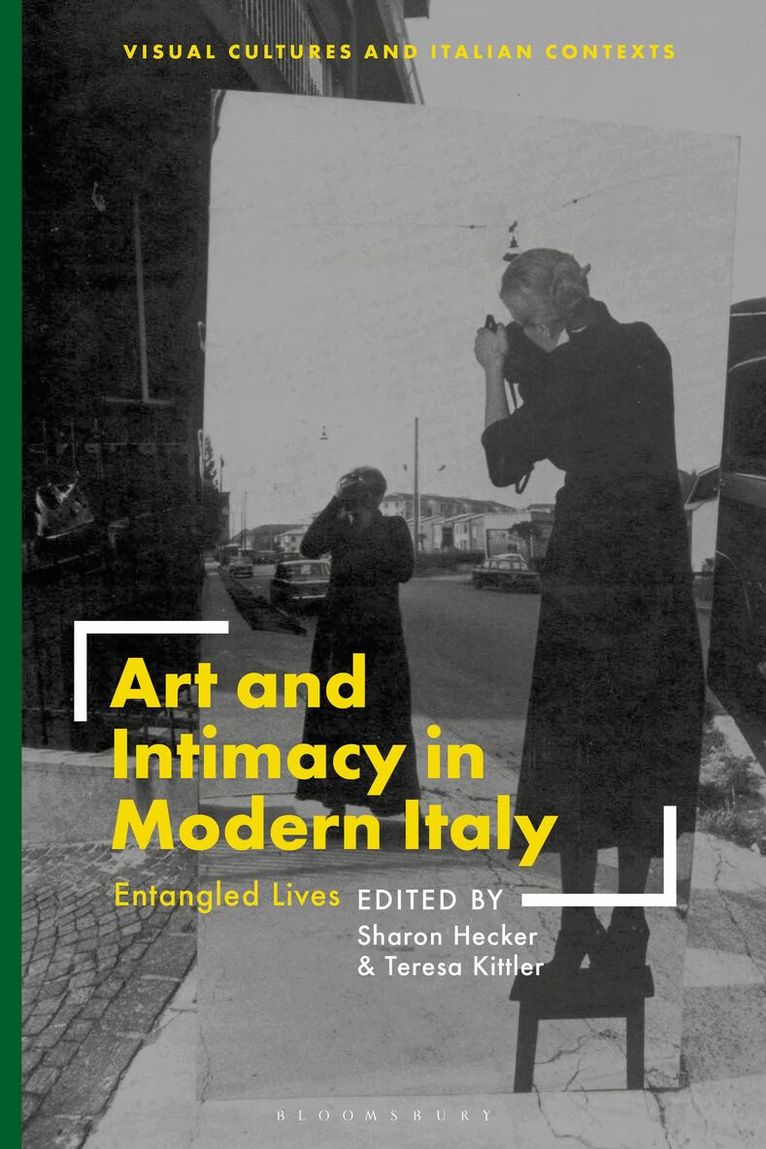
Art and Intimacy in Modern Italy
Entangled Lives
Av Sharon Hecker, Teresa Kittler
Häftad, 2026
424 kr
Kommande
A much-needed corrective to the history of single authorship, this timely volume offers new insight into the lives and practices of the artist couples, friendships and communities that shaped postwar art in Italy. Bringing together a series of essays from international scholars across a variety of …
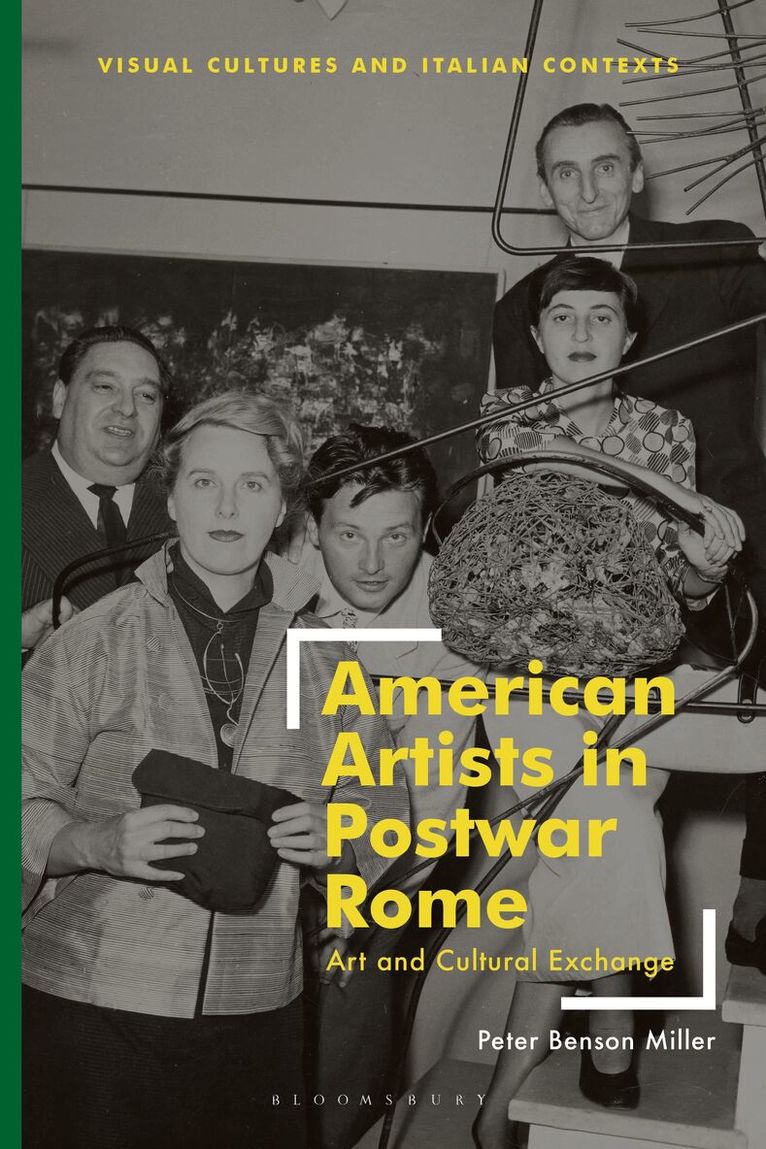
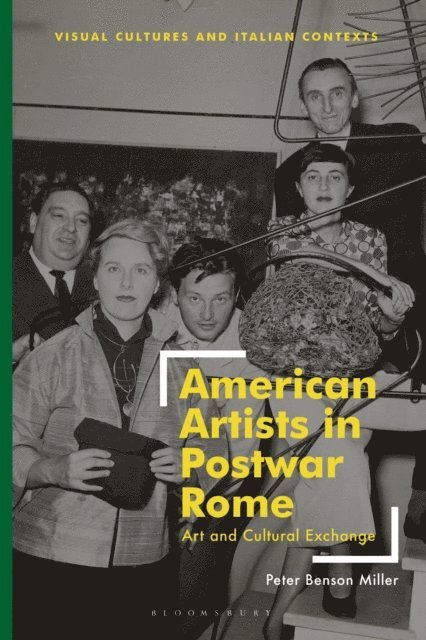
American Artists in Postwar Rome
Art and Cultural Exchange
Av Peter Benson Miller, Sharon Hecker
Inbunden, 2025
1372 kr
Lägg i varukorg
Drawing on unpublished archival sources, this book reconstitutes the experiences of a wide range of American artists, critics, and writers working in Rome in a charged environment of “Cold War cosmopolitanism.” After the Second World War, American artists flocked to Rome in record numbers, even as …
American Artists in Postwar Rome
Art and Cultural Exchange
E-bok, 2025
1525 kr
Lägg i varukorg
Drawing on unpublished archival sources, this book reconstitutes the experiences of a wide range of American artists, critics, and writers working in Rome in a charged environment of “Cold War cosmopolitanism.” After the Second World War, American artists flocked to Rome in record numbers, even as …
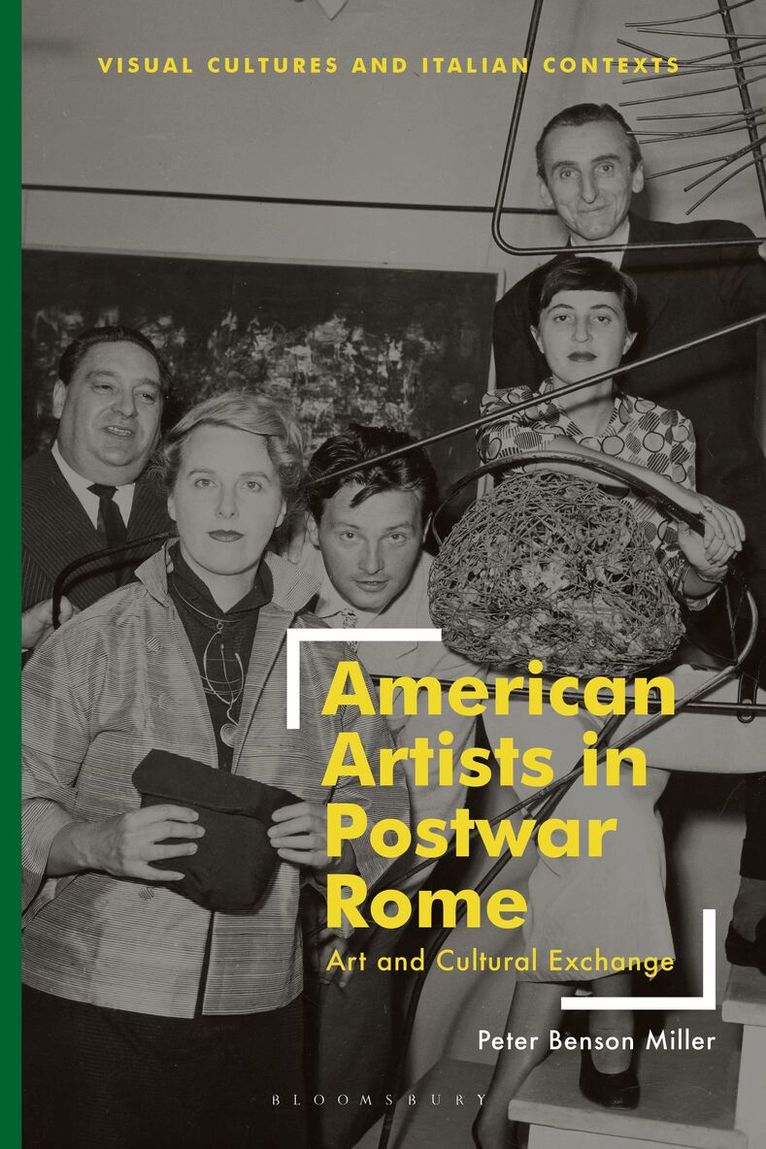
American Artists in Postwar Rome
Art and Cultural Exchange
E-bok, 2025
1481 kr
Lägg i varukorg
Drawing on unpublished archival sources, this book reconstitutes the experiences of a wide range of American artists, critics, and writers working in Rome in a charged environment of “Cold War cosmopolitanism.” After the Second World War, American artists flocked to Rome in record numbers, even as …
American Artists in Postwar Rome
Art and Cultural Exchange
Av Peter Benson Miller, Sharon Hecker
Häftad, 2026
424 kr
Kommande
Drawing on unpublished archival sources, this book reconstitutes the experiences of a wide range of American artists, critics, and writers working in Rome in a charged environment of “Cold War cosmopolitanism.” After the Second World War, American artists flocked to Rome in record numbers, even as …