Water and Society - Böcker
Visar alla böcker i serien Water and Society. Handla med fri frakt och snabb leverans.
2 produkter
2 produkter
545 kr
Skickas inom 7-10 vardagar
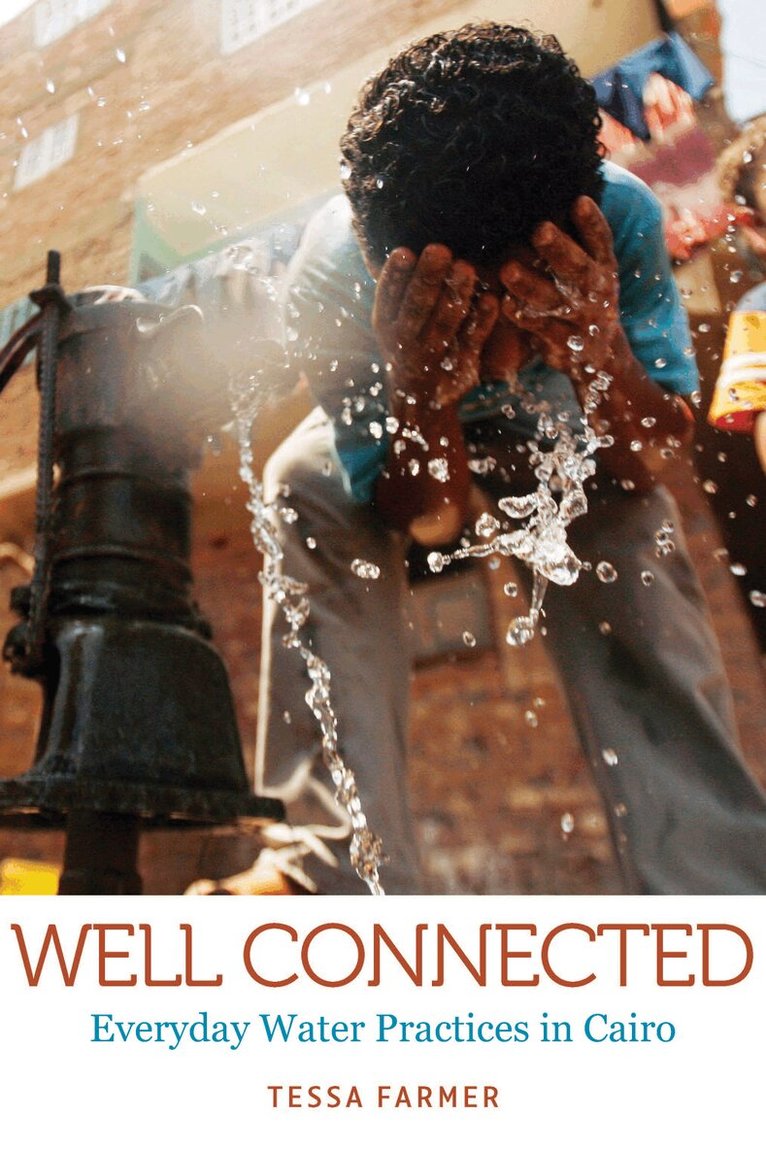
How a community in Cairo, Egypt, has adapted the many systems required for clean water.Who is responsible for ensuring access to clean potable water? In an urbanizing planet beset by climate change, cities are facing increasingly arid conditions and a precarious water future. In Well Connected, anthropologist Tessa Farmer details how one community in Cairo, Egypt, has worked collaboratively to adapt the many systems required to facilitate clean water in their homes and neighborhoods.As a community that was originally not included in Cairo's municipal systems, the residents of Ezbet Khairallah built their own potable water and wastewater infrastructure. But when the city initiated a piped sewage removal system, local residents soon found themselves with little to no power over their own water supply or wastewater removal. Throughout this transition, residents worked together to collect water at the right times to drink, bathe, do laundry, cook, and clean homes. These everyday practices had deep implications for the health of community members, as they struggled to remain hydrated, rid their children of endemic intestinal worms, avoid consuming water contaminated with sewage, and mediate the impact of fluctuating water quality. Farmer examines how the people of Cairo interact with one another, with the government, and with social structures in order to navigate the water systems (and lack thereof) that affect their day-to-day lives. Farmer's extensive ethnographic fieldwork during the implementation of the Governorate of Cairo's septic system shines through in the compelling stories of community members. Well Connected taps into the inherent sociality of water through social contacts, moral ideology, interpersonal relationships, domestic rhythms, and the everyday labor of connecting.
529 kr
Skickas inom 7-10 vardagar
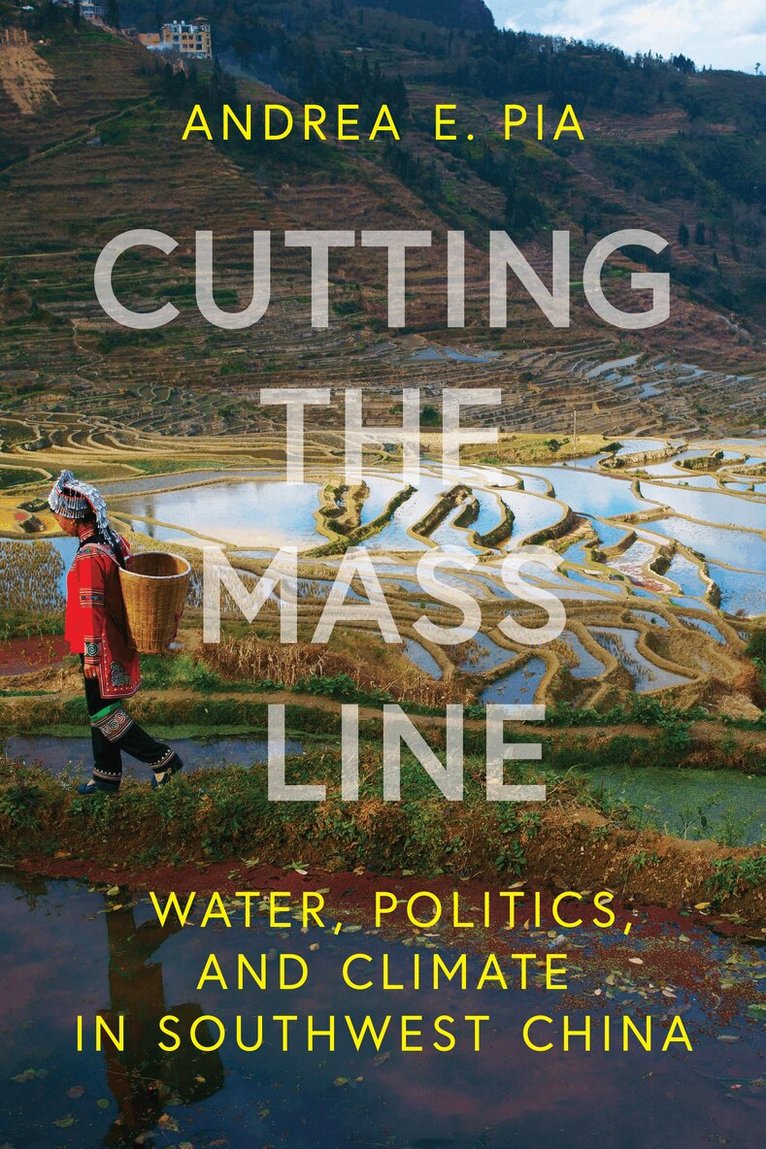
Explores the growing water supply crisis through an ethnographic study of a rural minority community in China threatened by climate change.China is experiencing climate whiplash—extreme fluctuations between drought and flooding—that threatens the health and autonomy of millions of people. Set against mounting anxiety over the future of global water supplies, Cutting the Mass Line explores the enduring political, technical, and ethical project of making water available to human communities and ecosystems in a time of drought, infrastructural disrepair, and environmental breakdown. Anthropologist Andrea E. Pia explores essential questions of how to manage water resources from the vantage point of Huize County, a water-challenged, ecologically damaged, multi-ethnic area in rural Yunnan Province. Drawing on ethnographic fieldwork, archival materials, and statistical data, Pia brings readers inside the inner workings of China's complex water supply ecosystem by exploring the intricate relationships among Chinese water services agencies; water user associations; dam construction sites; party cadres and rural entrepreneurs, mediators, and farmers; and foreign development planners. The climate crisis and the global politics of sustainability and mitigation offer unanticipated leeway for experimental grassroots intrusions in what has traditionally been the sphere of elite regulatory action: water allocation and distribution. Rural residents' efforts to keep access to local water sources and flourish in their own communities are moving the political possibilities of climate and environmental collective action in exciting and unforeseen directions. As the world grapples with challenges to water quality, supply, and control, the impacts of China's resource management strategies will be a provocative and useful study for the future.