Why Read? – serie
Visar alla böcker i serien Why Read?. Handla med fri frakt och snabb leverans.
6 produkter
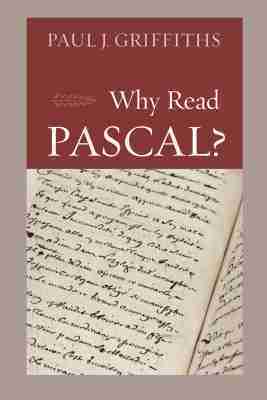
Why Read Pascal?
Häftad, 2021
328 kr
Lägg i varukorg
Blaise Pascal (1623-1662) is known in the English-speaking world principally for the wager (an argument that it is rational to do what will affect belief in God and irrational not to), and, more generally, for the Pensées, a collection of philosophical and theological fragments of unusual emotional …
Why Read Pavel Florensky
Av John Burgess
Häftad, 2024
384 kr
Lägg i varukorg
This book offers an excellent, accessible introduction to the life and thought of Father Pavel Florensky, one of the most prominent religious philosophers of Russia's highly creative Silver Age at the beginning of the twentieth century. Florensky, an Orthodox priest, died in Stalin's gulag in 1937. …
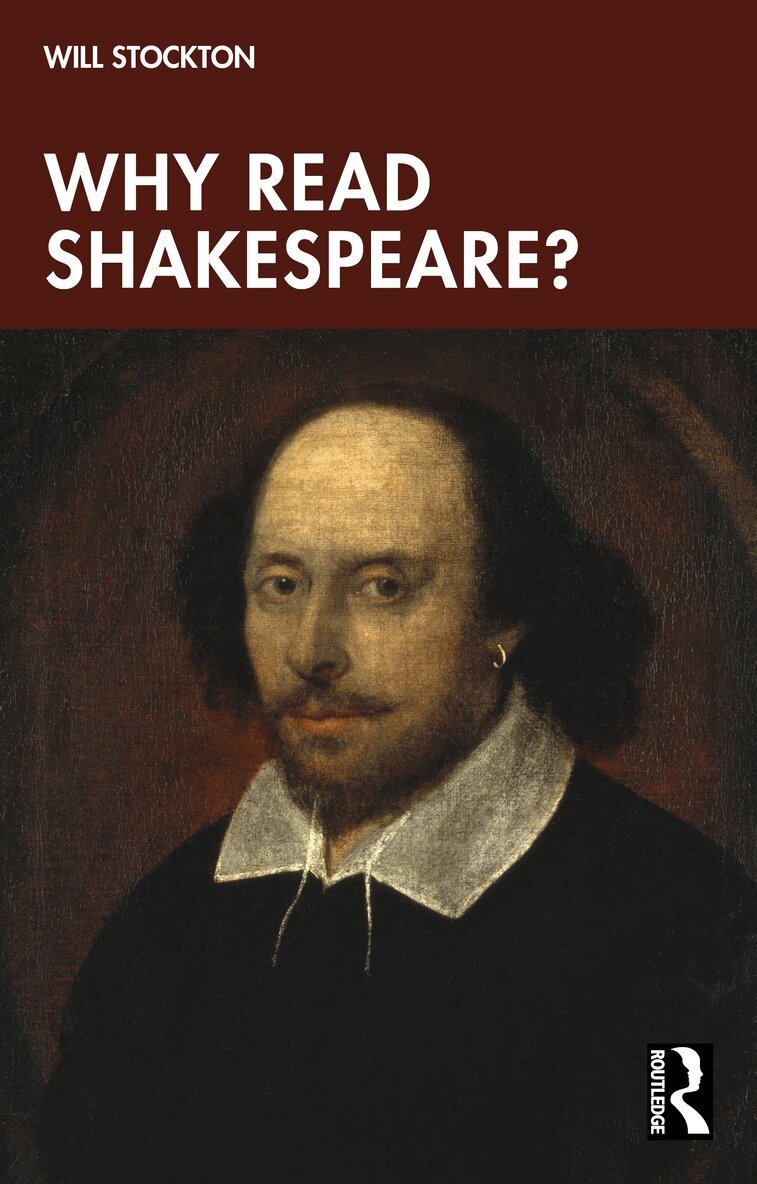
Why Read Shakespeare?
Inbunden, 2027
1719 kr
Kommande
Why Read Shakespeare? treats Shakespeare as a dramatist who thinks philosophically through stories. Written for students and general readers, the book argues that Shakespeare is worth reading because of the provocative answers he offers to three philosophical questions: What is love? Do human …
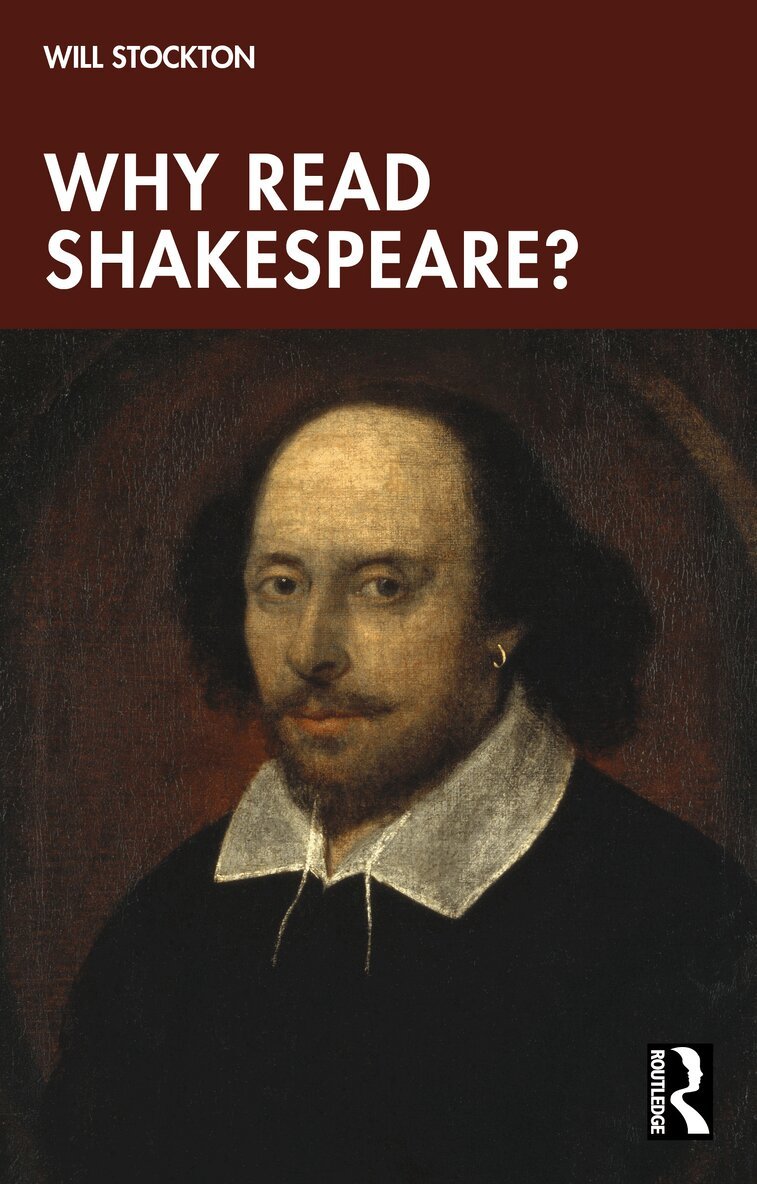
Why Read Shakespeare?
Häftad, 2027
403 kr
Kommande
Why Read Shakespeare? treats Shakespeare as a dramatist who thinks philosophically through stories. Written for students and general readers, the book argues that Shakespeare is worth reading because of the provocative answers he offers to three philosophical questions: What is love? Do human …
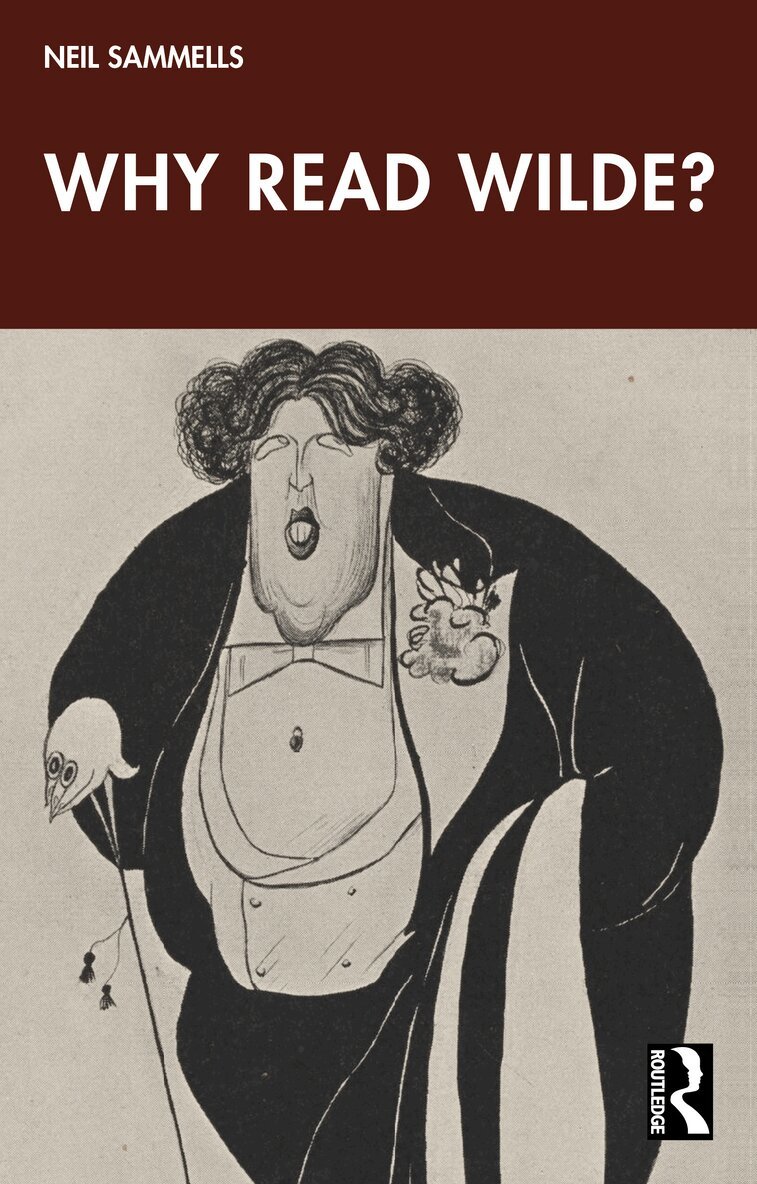
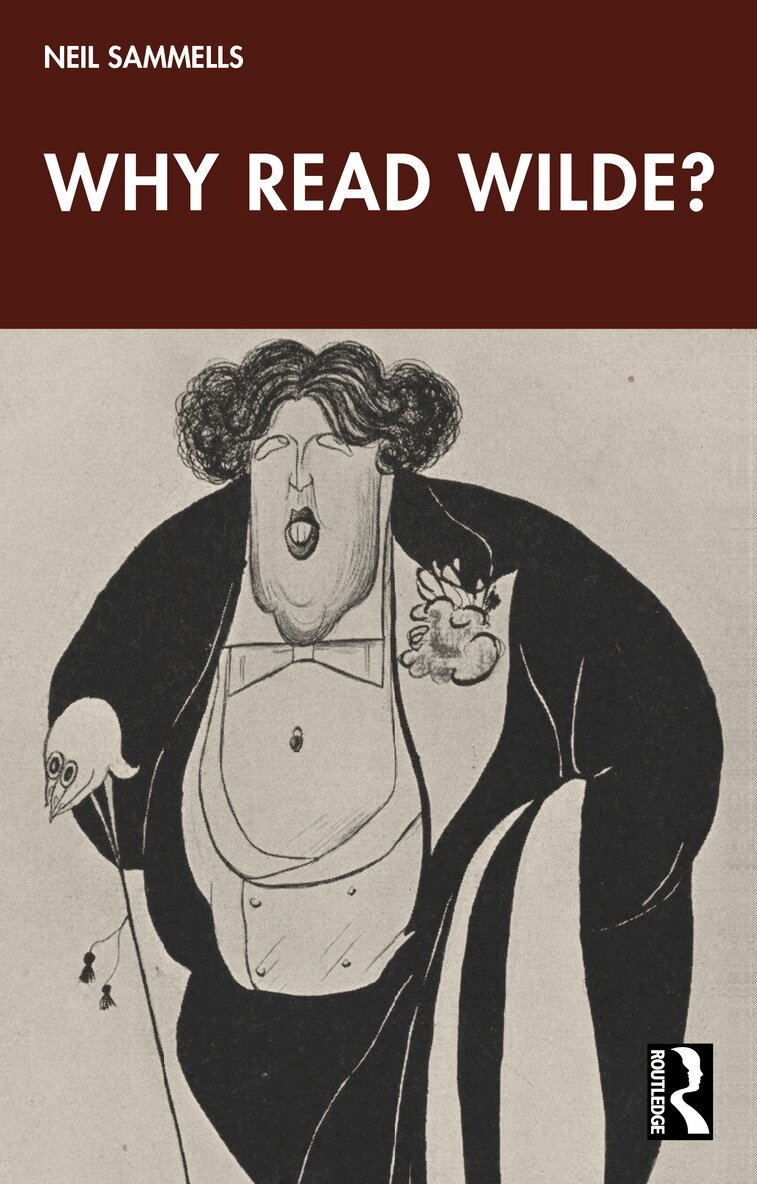
Why Read Wilde?
Inbunden, 2027
1719 kr
Kommande
Why Read Wilde? is an engaging and essential introduction to one of the most important and enigmatic writers of the nineteenth century. It argues that Oscar Wilde (1854-1900) is our Victorian Contemporary whose writing tells us as much about ourselves as the nineteenth-century audiences he …
Why Read Wilde?
Häftad, 2027
403 kr
Kommande
Why Read Wilde? is an engaging and essential introduction to one of the most important and enigmatic writers of the nineteenth century. It argues that Oscar Wilde (1854-1900) is our Victorian Contemporary whose writing tells us as much about ourselves as the nineteenth-century audiences he …