William F. Cody Series on the History and Culture of the American West – serie
Visar alla böcker i serien William F. Cody Series on the History and Culture of the American West. Handla med fri frakt och snabb leverans.
10 produkter
10 produkter
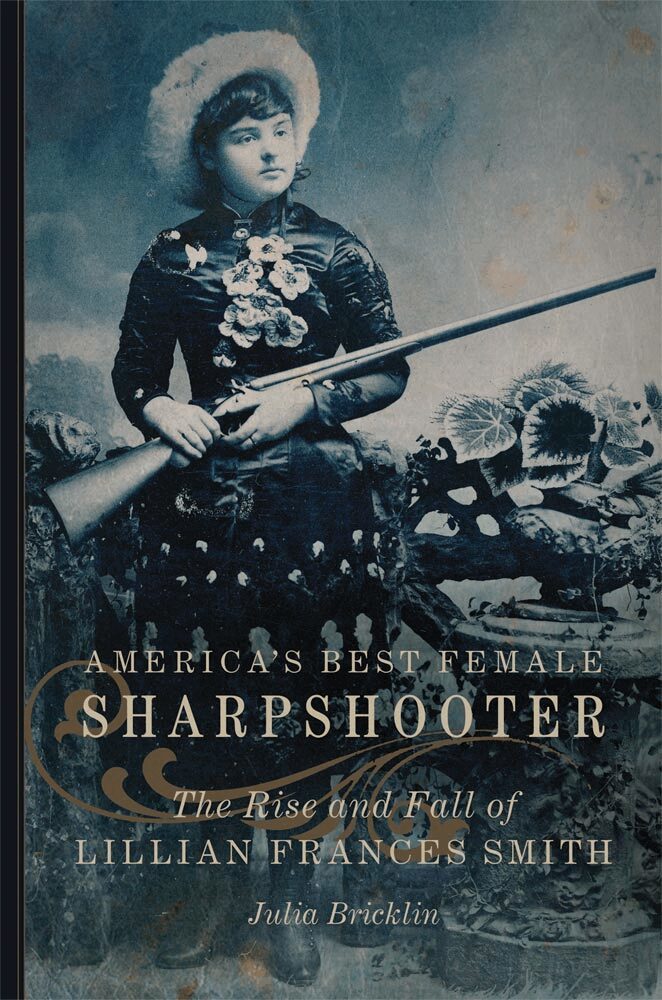
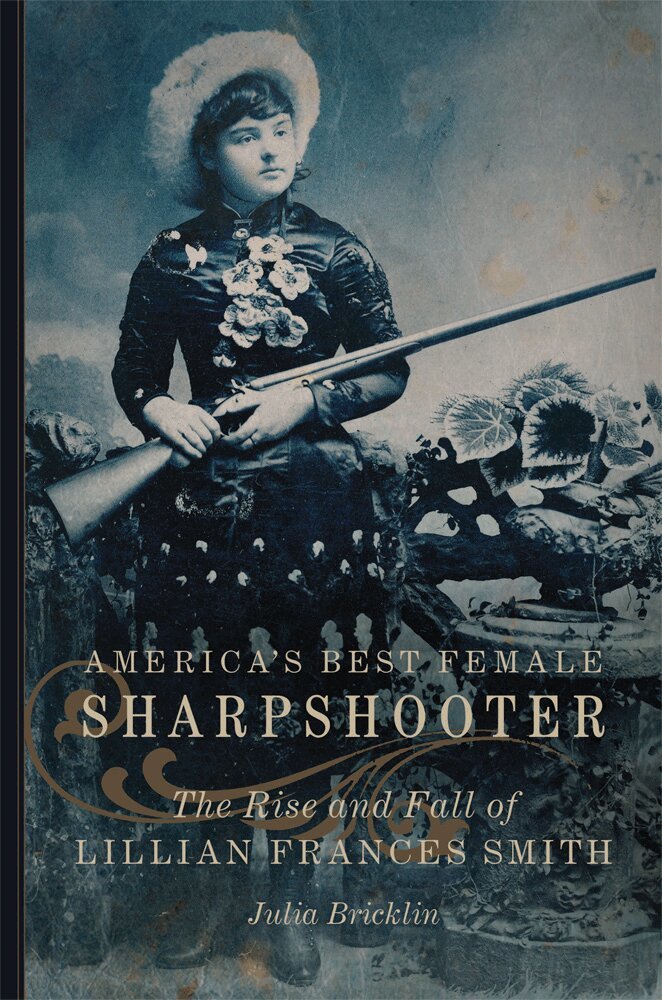
America's Best Female Sharpshooter
The Rise and Fall of Lillian Frances Smith
Inbunden, Engelska, 2017
348 kr
Skickas inom 10-15 vardagar
Today, most remember ""California Girl"" Lillian Frances Smith (1871-1930) as Annie Oakley's chief competitor in the small world of the Wild West shows' female shooters. But the two women were quite different: Oakley's conservative ""prairie beauty"" persona clashed with Smith's tendency to wear flashy clothes and keep company with the cowboys and American Indians she performed with. This lively first biography chronicles the Wild West showbiz life that Smith led and explores the talents that made her a star.Drawing on family records, press accounts, interviews, and numerous other sources, historian Julia Bricklin peels away the myths that enshroud Smith's fifty-year career. Known as ""The California Huntress"" before she was ten years old, Smith was a professional sharpshooter by the time she reached her teens, shooting targets from the back of a galloping horse in Buffalo Bill Cody's Wild West. Not only did Cody offer $10,000 to anyone who could beat her, but he gave her top billing, setting the stage for her rivalry with Annie Oakley.Being the best female sharpshooter in the United States was not enough, however, to differentiate Lillian Smith from Oakley and a growing number of ladylike cowgirls. So Smith reinvented herself as ""Princess Wenona,"" a Sioux with a violent and romantic past. Performing with Cody and other showmen such as Pawnee Bill and the Miller brothers, Smith led a tumultuous private life, eventually taking up the shield of a forged Indian persona. The morals of the time encouraged public criticism of Smith's lack of Victorian femininity, and the press's tendency to play up her rivalry with Oakley eventually overshadowed Smith's own legacy.In the end, as author Julia Bricklin shows, Smith cared more about living her life on her own terms than about her public image. Unlike her competitors who shot to make a living, Lillian Smith lived to shoot.
387 kr
Skickas inom 7-10 vardagar
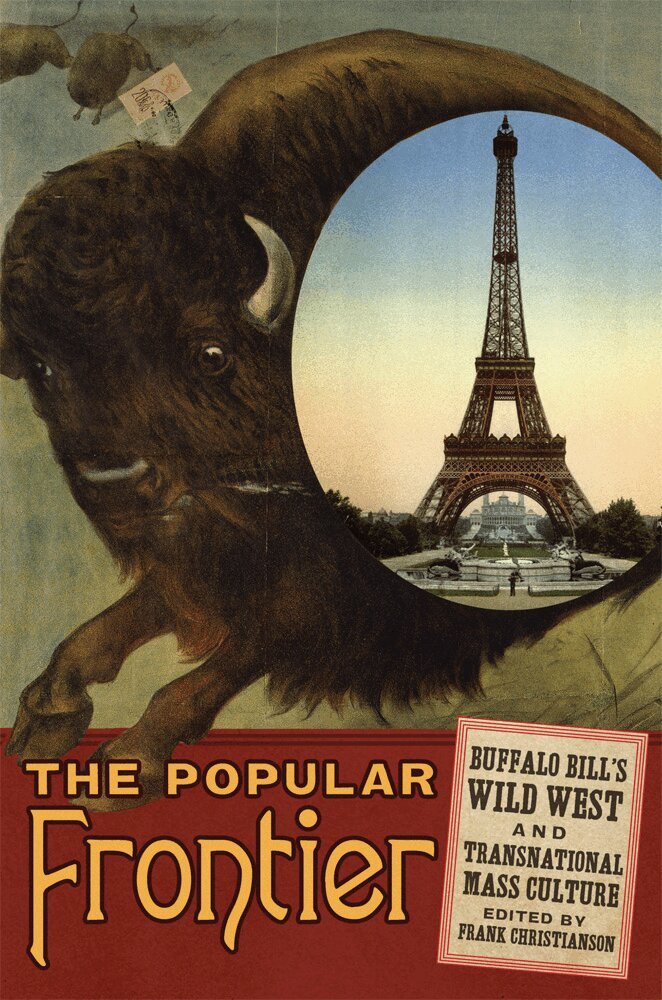
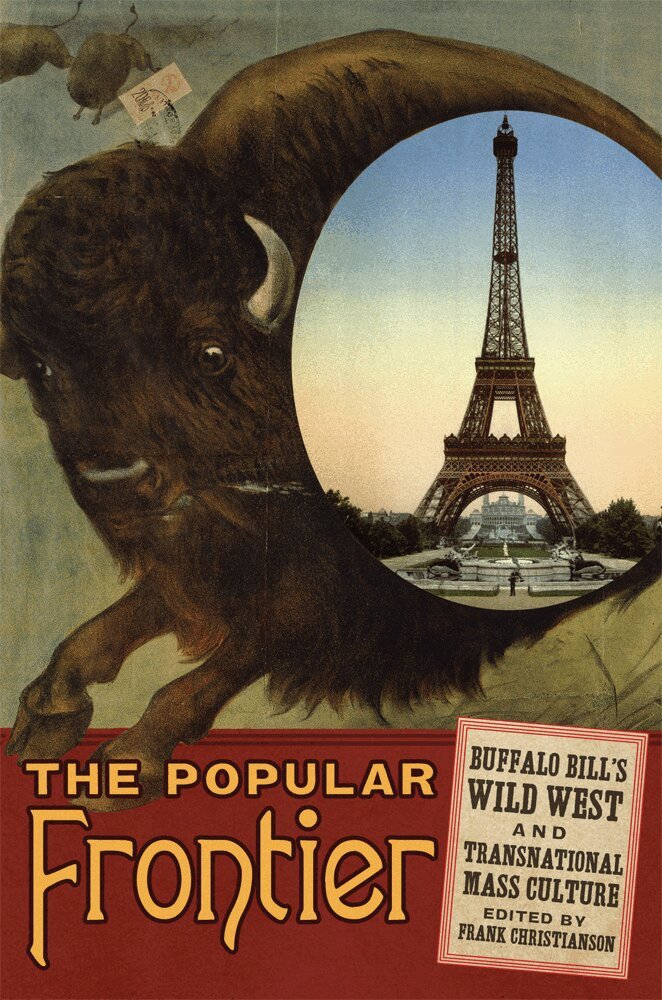
When William F. Cody introduced his Wild West exhibition to European audiences in 1887, the show soared to new heights of popularity and success. With its colorful portrayal of cowboys, Indians, and the taming of the North American frontier, Buffalo Bill's Wild West popularized a myth of American national identity and shaped European perceptions of the United States. The Popular Frontier is the first collection of essays to explore the transnational impact and mass-cultural appeal of Cody's Wild West.As editor Frank Christianson explains in his introduction, for the first four years after Cody conceived it, the Wild West exhibition toured the United States, honing the operation into a financially solvent enterprise. When the troupe ventured to England for its first overseas booking, its success exceeded all expectations. Between 1887 and 1906 the Wild West performed in fourteen countries, traveled more than 200,000 miles, and attracted a collective audience in the tens of millions.How did Europeans respond to Cody's vision of the American frontier? And how did European countries appropriate what they saw on display? Addressing these questions and others, the contributors to this volume consider how the Wild West functioned within social and cultural contexts far grander in scope than even the vast American West. Among the topics addressed are the pairing of William F. Cody and Theodore Roosevelt as embodiments of frontier masculinity, and the significance of the show's most enduring persona, Annie Oakley.An informative and thought-provoking examination of the Wild West's foreign tours, The Popular Frontier offers new insight into late-nineteenth-century gender politics and ethnicity, the development of American nationalism, and the simultaneous rise of a global mass culture.
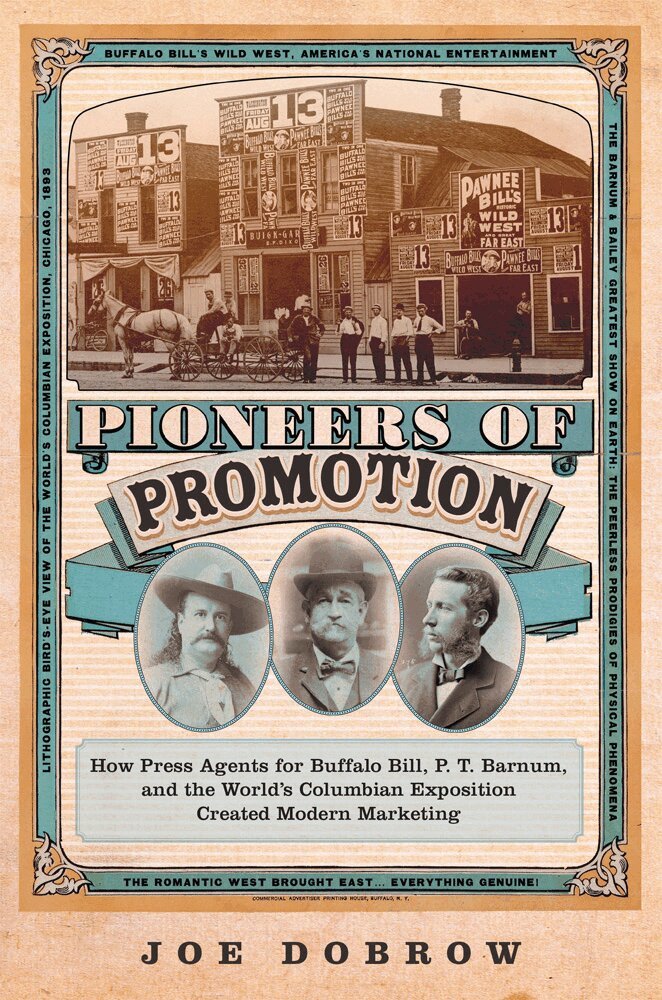
Pioneers of Promotion
How Press Agents for Buffalo Bill, P. T. Barnum, and the World's Columbian Exposition Created Modern Marketing
Inbunden, Engelska, 2018
360 kr
Skickas inom 7-10 vardagar
The average American today is bombarded with as many as 5,000 advertisements a day. The sophisticated and persuasive marketing tactics that companies use may seem a recent phenomenon, but Pioneers of Promotion tells a different story. In this lively narrative, business history writer Joe Dobrow traces the origins of modern American marketing to the late nineteenth century when three charismatic individuals launched an industry that defines our national culture.Transporting readers back to a dramatic time in the late 1800s, Dobrow spotlights a trio of men who reshaped our image of the West and earned national fame: John M. Burke of Buffalo Bill's Wild West, Tody Hamilton of the Barnum & Bailey Circus, and Moses P. Handy of the World's Columbian Exposition in Chicago. Drawing on scores of original source materials, Dobrow brings to light the surprisingly sophisticated techniques of these Gilded Age press agents.Using mostly newspapers - plus a good deal of moxie, emotional suasion, iconic imagery, and to be sure, alcohol - Burke, Hamilton, and Handy each devised ways to promote celebrities, attract huge crowds, and generate massive news coverage. As a result, a plainsman named William F. Cody became more famous than the president of the United States, a traveling circus turned into the Greatest Show on Earth, and a world's fair attracted more than 27 million visitors.Tapping his practitioner's knowledge of marketing and promotion, Dobrow reintroduces readers to Buffalo Bill and his Wild West show, P. T. Barnum and his circus, and the greatest of all world's fairs. Surprisingly, the promotional geniuses who engineered these enterprises do not appear in history books alongside other marketing and advertising legends such as Ivy Lee, Edward Bernays, or David Ogilvy. Pioneers of Promotion at long last gives these founders of American marketing their due.
496 kr
Skickas inom 7-10 vardagar
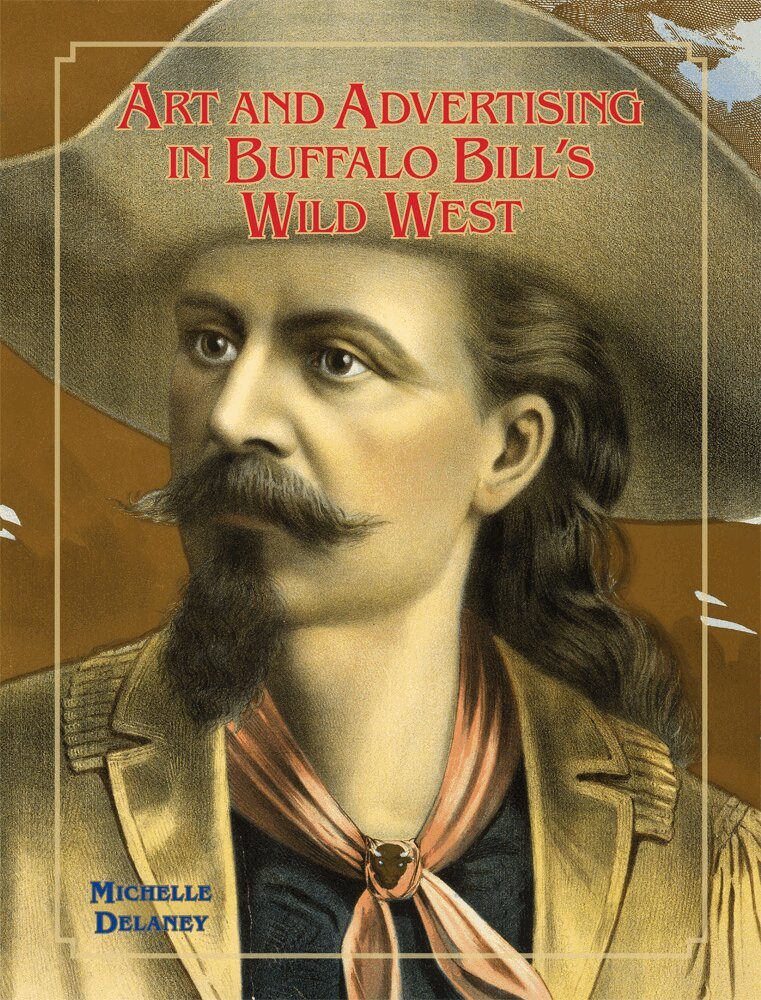
William F. ""Buffalo Bill"" Cody, star of the American West, began his journey to fame at age twenty-three, when he met writer Ned Buntline. The pulp novels Buntline later penned were loosely based on Cody's scouting and bison-hunting adventures and sparked a national sensation. Other writers picked up the living legend of ""Buffalo Bill"" for their own pulp novels, and in 1872 Buntline produced a theatrical show starring Cody himself. In 1883, Cody opened his own show, Buffalo Bill's Wild West, which ultimately became the foundation for the world's image of the American frontier.After the Civil War, new transcontinental railroads aided rapid westward expansion, fostering Americans' long-held fascination with their western frontier. The railroads enabled traveling shows to move farther and faster, and improved printing technologies allowed those shows to print in large sizes and quantities lively color posters and advertisements. Cody's show team partnered with printers, lithographers, photographers, and iconic western American artists, such as Frederic Remington and Charles Schreyvogel, to create posters and advertisements for Buffalo Bill's Wild West. Circuses and other shows used similar techniques, but Cody's team perfected them, creating unique posters that branded Buffalo Bill's Wild West as the true Wild West experience. They helped attract patrons from across the nation and ultimately from around the world at every stop the traveling show made.In Art and Advertising in Buffalo Bill's Wild West, Michelle Delaney showcases these numerous posters in full color, many of which have never before been reproduced, pairing them with new research into previously inaccessible manuscript and photograph collections. Her study also includes Cody's correspondence with his staff, revealing the showman's friendships with notable American and European artists and his show's complex, modern publicity model.Beautifully designed, Art and Advertising in Buffalo Bill's Wild West presents a new perspective on the art, innovation, and advertising acumen that created the international frontier experience of Buffalo Bill's Wild West.
393 kr
Skickas inom 10-15 vardagar
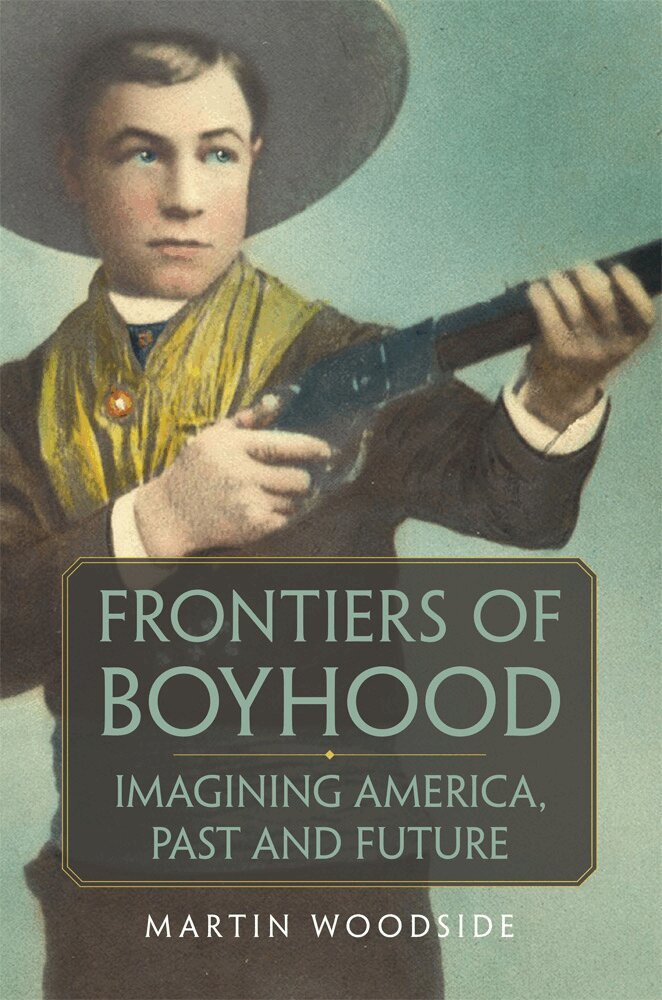
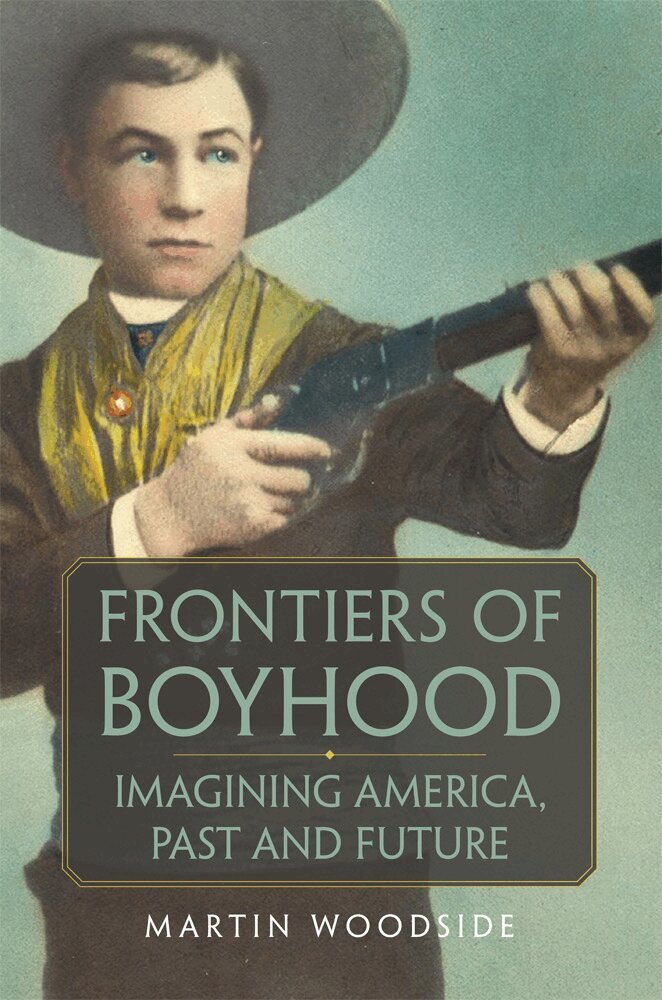
When Horace Greeley published his famous imperative, ""Go West, young man, and grow up with the country,"" the frontier was already synonymous with a distinctive type of idealized American masculinity. But Greeley's exhortation also captured popular sentiment surrounding changing ideas of American boyhood; for many educators, politicians, and parents, raising boys right seemed a pivotal step in securing the growing nation's future. This book revisits these narratives of American boyhood and frontier mythology to show how they worked against and through one another - and how this interaction shaped ideas about national character, identity, and progress.The intersection of ideas about boyhood and the frontier, while complex and multifaceted, was dominated by one arresting notion: in the space of the West, boys would grow into men and the fledgling nation would expand to fulfill its promise. Frontiers of Boyhood explores this myth and its implications and ramifications through western history, childhood studies, and a rich cultural archive.Detailing surprising intersections between American frontier mythology and historical notions of child development, the book offers a new perspective on William ""Buffalo Bill"" Cody's influence on children and childhood; on the phenomenon of ""American Boy Books""; the agency of child performers, differentiated by race and gender, in Wild West exhibitions; and the cultural work of boys' play, as witnessed in scouting organizations and the deployment of mass-produced toys.These mutually reinforcing and complicating strands, traced through a wide range of cultural modes, from social and scientific theorizing to mass entertainment, lead to a new understanding of how changing American ideas about boyhood and the western frontier have worked together to produce compelling stories about the nation's past and its imagined future.
249 kr
Skickas inom 10-15 vardagar
Today, most remember ""California Girl"" Lillian Frances Smith (1871-1930) as Annie Oakley's chief competitor in the small world of the Wild West shows' female shooters. But the two women were quite different: Oakley's conservative ""prairie beauty"" persona clashed with Smith's tendency to wear flashy clothes and keep company with the cowboys and American Indians she performed with. This lively first biography chronicles the Wild West showbiz life that Smith led and explores the talents that made her a star.Drawing on family records, press accounts, interviews, and numerous other sources, historian Julia Bricklin peels away the myths that enshroud Smith's fifty-year career. Known as ""The California Huntress"" before she was ten years old, Smith was a professional sharpshooter by the time she reached her teens, shooting targets from the back of a galloping horse in Buffalo Bill Cody's Wild West. Not only did Cody offer $10,000 to anyone who could beat her, but he gave her top billing, setting the stage for her rivalry with Annie Oakley.Being the best female sharpshooter in the United States was not enough, however, to differentiate Lillian Smith from Oakley and a growing number of ladylike cowgirls. So Smith reinvented herself as ""Princess Wenona,"" a Sioux with a violent and romantic past. Performing with Cody and other showmen such as Pawnee Bill and the Miller brothers, Smith led a tumultuous private life, eventually taking up the shield of a forged Indian persona. The morals of the time encouraged public criticism of Smith's lack of Victorian femininity, and the press's tendency to play up her rivalry with Oakley eventually overshadowed Smith's own legacy.In the end, as author Julia Bricklin shows, Smith cared more about living her life on her own terms than about her public image. Unlike her competitors who shot to make a living, Lillian Smith lived to shoot.
231 kr
Skickas inom 5-8 vardagar
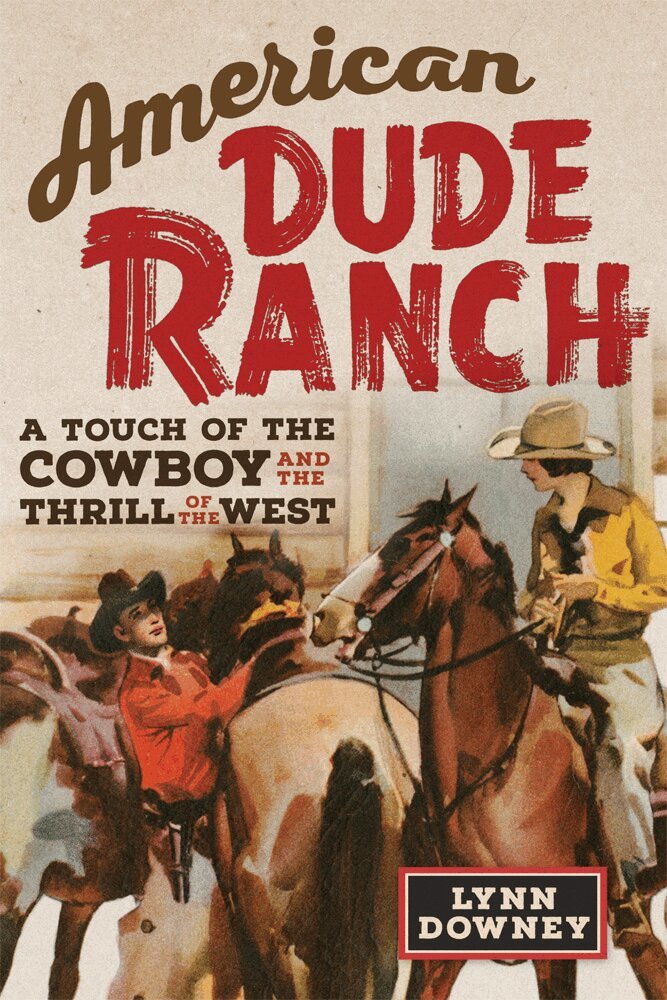
Viewers of films and television shows might imagine the dude ranch as something not quite legitimate, a place where city dwellers pretend to be cowboys in amusingly inauthentic fashion. But the tradition of the dude ranch, America’s original western vacation, is much more interesting and deeply connected with the culture and history of the American West. In American Dude Ranch, Lynn Downey opens new perspectives on this buckaroo getaway, with all its implications for deciphering the American imagination.Dude ranching began in the 1880s when cattle ranches ruled the West. Men, and a few women, left the comforts of their eastern lives to experience the world of the cowboy. But by the end of the century, the cattleman’s West was fading, and many ranchers turned to wrangling dudes instead of livestock. What began as a way for ranching to survive became a new industry, and as the twentieth century progressed, the dude ranch wove its way into American life and culture. Wyoming dude ranches hosted silent picture shoots, superstars such as Gene Autry were featured in dude film plots, fashion designers and companies like Levi Strauss & Co. replicated the films’ western styles, and novelists Zane Grey and Mary Roberts Rinehart moved dude ranching into popular literature.Downey follows dude ranching across the years, tracing its influence on everything from clothing to cooking and showing how ranchers adapted to changing times and vacation trends. Her book also offers a rare look at women’s place in this story, as they found personal and professional satisfaction in running their own dude ranches.However contested and complicated, western history is one of America’s national origin stories that we turn to in times of cultural upheaval. Dude ranches provide a tangible link from the real to the imagined past, and their persistence and popularity demonstrate how significant this link remains. This book tells their story—in all its familiar, eccentric, and often surprising detail.
214 kr
Skickas inom 10-15 vardagar
When Horace Greeley published his famous imperative, “Go West, young man, and grow up with the country,” the frontier was already synonymous with a distinctive type of idealized American masculinity. But Greeley’s exhortation also captured popular sentiment surrounding changing ideas of American boyhood; for many educators, politicians, and parents, raising boys right seemed a pivotal step in securing the growing nation’s future. This book revisits these narratives of American boyhood and frontier mythology to show how they worked against and through one another—and how this interaction shaped ideas about national character, identity, and progress.The intersection of ideas about boyhood and the frontier, while complex and multifaceted, was dominated by one arresting notion: in the space of the West, boys would grow into men and the fledgling nation would expand to fulfill its promise. Frontiers of Boyhood explores this myth and its implications and ramifications through western history, childhood studies, and a rich cultural archive.Detailing surprising intersections between American frontier mythology and historical notions of child development, the book offers a new perspective on William “Buffalo Bill” Cody’s influence on children and childhood; on the phenomenon of “American Boy Books”; the agency of child performers, differentiated by race and gender, in Wild West exhibitions; and the cultural work of boys’ play, as witnessed in scouting organizations and the deployment of mass-produced toys.These mutually reinforcing and complicating strands, traced through a wide range of cultural modes, from social and scientific theorizing to mass entertainment, lead to a new understanding of how changing American ideas about boyhood and the western frontier have worked together to produce compelling stories about the nation’s past and its imagined future.
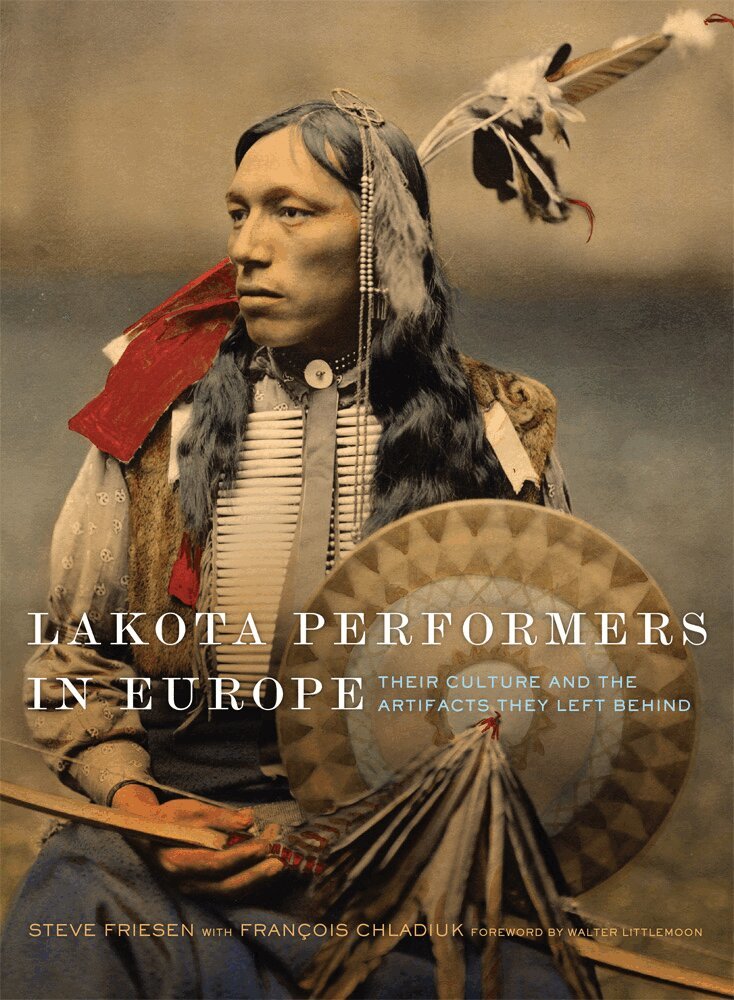
Lakota Performers in Europe Volume 3
Their Culture and the Artifacts They Left Behind
Häftad, Engelska, 2025
347 kr
Skickas inom 7-10 vardagar
From April to November 1935 in Belgium, fifteen Lakotas enacted their culture on a world stage. Wearing beaded moccasins and eagle-feather headdresses, they set up tepees, danced, and demonstrated marksmanship and horse taming for the twenty million visitors to the Brussels International Exposition, a grand event similar to a world's fair. The performers then turned homeward, leaving behind 57 pieces of Lakota culture that they had used in the exposition, ranging from costumery to weaponry. In Lakota Performers in Europe, author Steve Friesen tells the story of these artifacts, forgotten until recently, and of the Lakota performers who used them. The 1935 exposition marked a culmination of more than a century of European travel by American Indian performers, and of Europeans' fascination with Native culture, fanned in part by William F. 'Buffalo Bill' Cody's Wild West from the late 1800s through 1913. Although European newspaper reports often stereotyped Native performers as 'savages,' American Indians were drawn to participate by the opportunity to practice traditional aspects of their culture, earn better wages, and see the world. When the organizers of the 1935 exposition wanted to include an American Indian village, Sam Lone Bear, Thomas and Sallie Stabber, Joe Little Moon, and other Lakotas were eager to participate. By doing this, they were able to preserve their culture and influence European attitudes toward it. Friesen narrates these Lakotas' experiences abroad. In the process, he also tells the tale of collector François Chladiuk, who acquired the Lakotas' artifacts in 2004. More than 300 color and black-and-white photographs document the collection of items used by the performers during the exposition. Friesen portrays a time when American Indians - who would not long after return to Europe as allies and liberators in military garb - appeared on the international stage as ambassadors of the American West. Lakota Performers in Europe offers a complex view of a vibrant culture practiced and preserved against tremendous odds.
Popular Frontier Volume 4
Buffalo Bill's Wild West and Transnational Mass Culture
Häftad, Engelska, 2026
228 kr
Kommande
When William F. Cody introduced his Wild West exhibition to European audiences in 1887, the show soared to new heights of popularity and success. With its colorful portrayal of cowboys, Indians, and the taming of the North American frontier, Buffalo Bill’s Wild West popularized a myth of American national identity and shaped European perceptions of the United States. The Popular Frontier is the first collection of essays to explore the transnational impact and mass-cultural appeal of Cody’s Wild West. As editor Frank Christianson explains in his introduction, for the first four years after Cody conceived it, the Wild West exhibition toured the United States, honing the operation into a financially solvent enterprise. When the troupe ventured to England for its first overseas booking, its success exceeded all expectations. Between 1887 and 1906 the Wild West performed in fourteen countries, traveled more than 200,000 miles, and attracted a collective audience in the tens of millions. How did Europeans respond to Cody’s vision of the American frontier? And how did European countries appropriate what they saw on display? Addressing these questions and others, the contributors to this volume consider how the Wild West functioned within social and cultural contexts far grander in scope than even the vast American West. Among the topics addressed are the pairing of William F. Cody and Theodore Roosevelt as embodiments of frontier masculinity, and the significance of the show’s most enduring persona, Annie Oakley. An informative and thought-provoking examination of the Wild West’s foreign tours, The Popular Frontier offers new insight into late-nineteenth-century gender politics and ethnicity, the development of American nationalism, and the simultaneous rise of a global mass culture.