Wisconsin Film Studies - Böcker
Visar alla böcker i serien Wisconsin Film Studies. Handla med fri frakt och snabb leverans.
12 produkter
12 produkter
386 kr
Skickas inom 7-10 vardagar
Filmmaking is a business—someone has to pay the bills. For much of the industry’s history, that role was shouldered by the studios. The rise of independent filmmakers then led to the rise of independent financiers. But what happens if bad weather closes down a production or a director’s vision pays no heed to the limitations of time and money? Enter Film Finances. The company was founded in London in 1950 to insure against the risk that a film would exceed its original budget or not be completed on time. Its pioneering development of the “completion guarantee”—the financial instrument that provides the essential security for investors to support independent filmmaking—ultimately led to the creation of many thousands of films, including some of the most celebrated ever made: Moulin Rouge (1953), Dr. No (1962), The Outsiders (1982), Pulp Fiction (1994), Slumdog Millionaire (2008), La La Land (2016), and more. Film Finances’s role in filmmaking was little known outside the industry until 2012, when it opened its historical archive to scholars. Drawing on these previously private documents as well as interviews with its executives, Making Hollywood Happen tells the company’s story through seven decades of postwar cinema history and chronicles the growth of the international independent film industry. Focusing on a business that has operated at the meeting point between money and art for more than seventy years, this lavishly illustrated book goes to the heart of how the movie business works.
453 kr
Skickas inom 7-10 vardagar
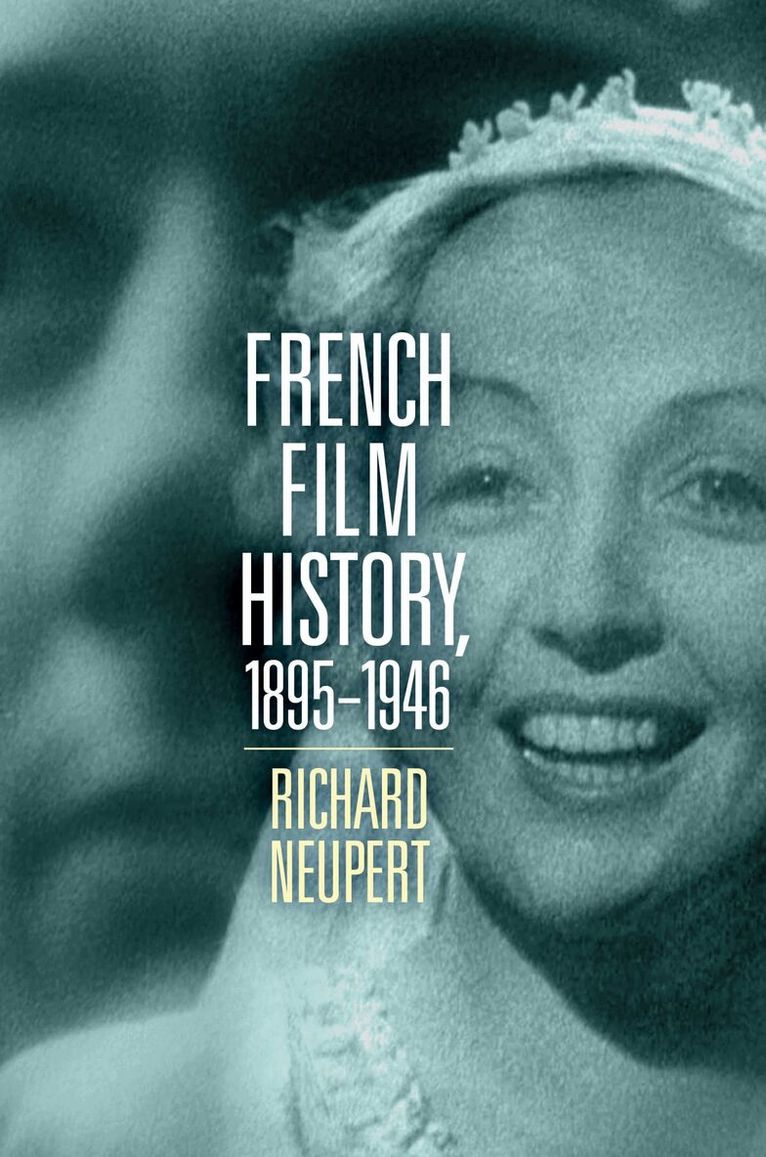
French Film History, 1895–1946 addresses the creative and often unexpected trajectory of French cinema, which continues to be one of the most provocative and engaging cinemas in the world. Tracing French film and its developments from the earliest days, when France dominated world cinema, up through the Occupation and Liberation, Neupert outlines major players and films that made it so influential. Paris held a privileged position as one of the world’s hubs of scientific, social, and cultural experimentation; it is no wonder that the cinema as we know it was born there in the nineteenth century. This book presents French cinema’s most significant creative filmmakers and movies but also details the intricate relations between technology, economics, and government that helped shape the unique conditions for cinematic experimentation in the country. Neupert explains the contexts behind the rise of cinema in France, including groundbreaking work by the LumiÈre family, Georges MÉliÈs, and Alice Guy; the powerhouse studios of PathÉ and Gaumont; directors such as RenÉ Clair, Germaine Dulac, Marcel Pagnol, and Jean Renoir; and an array of stars, including Max Linder, Jean Gabin, Josephine Baker, and MichÈle Morgan. The first fifty years of French film practice established cinema’s cultural and artistic potential, setting the stage for the global post–World War II explosion in commercial movies and art cinema alike. French film and its rich history remain at the heart of cinematic storytelling and our moviegoing pleasure.
446 kr
Skickas inom 10-15 vardagar
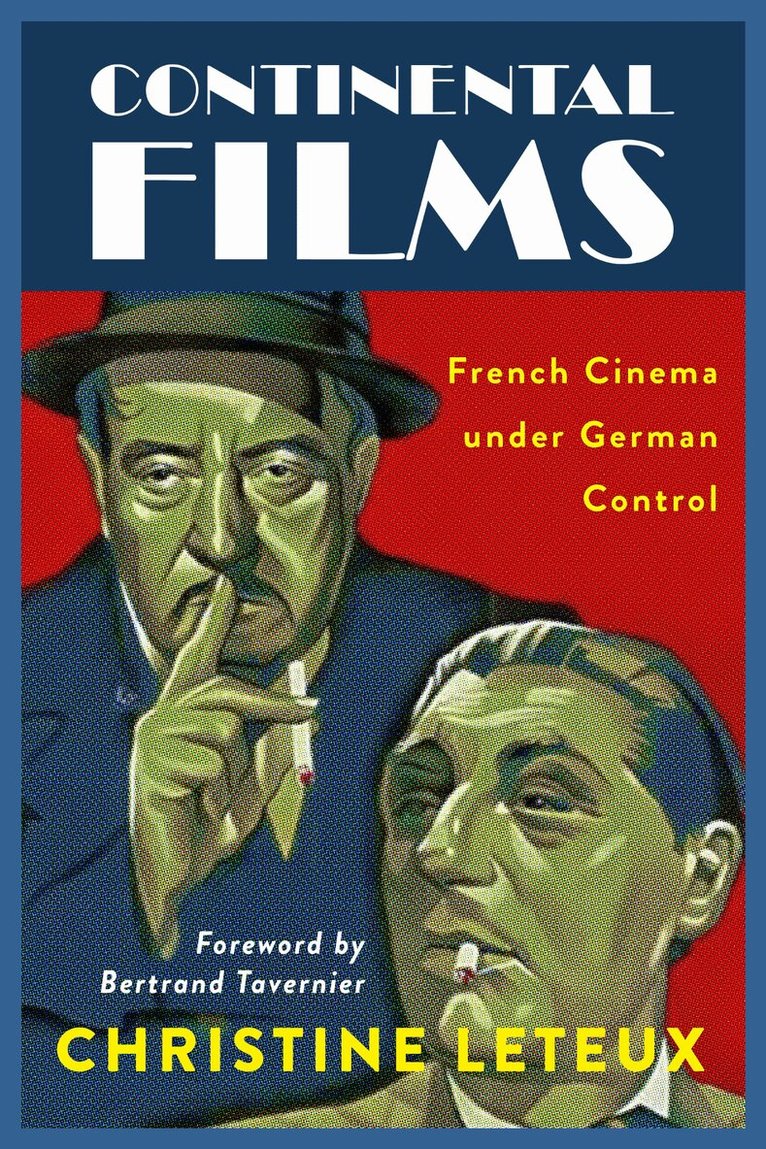
From 1940 to 1944, the German-owned Continental Films dominated the French film landscape, producing thirty features throughout the Nazi occupation. Charged with producing entertaining and profitable films rather than propaganda, producer Alfred Greven employed some of the greatest French actors and most prestigious directors of the time, including Maurice Tourneur, Henri Decoin, Henri-Georges Clouzot, and Marcel CarnÉ.Using recently opened archival documents, including reams of testimony from the Épuration (purification) hearings conducted shortly after the war, Christine Leteux has produced the most authoritative and complete history of the company and its impact on the French film industry—both during the war and after. She captures the wide range of responses to the firm from those who were eager to work for a company whose ideology matched their own, to others who reluctantly accepted contracts out of necessity, to those who abhorred the company but felt compelled to participate in order to protect family members from Nazi reprisals. She examines not only the formation and management of Continental Films but also the personalities involved, the fraught and often deadly political circumstances of the period, the critical reception of the films, and many of the more notorious and controversial events.As Bertrand Tavernier explains in his foreword, Leteux overturns many of the preconceptions and clichÉs that have come to be associated with Continental Films. Published to rave reviews in French and translated by the author into English, this work shatters expectations and will reinvigorate study of a lesser-known but significant period of French film history.
885 kr
Skickas inom 10-15 vardagar
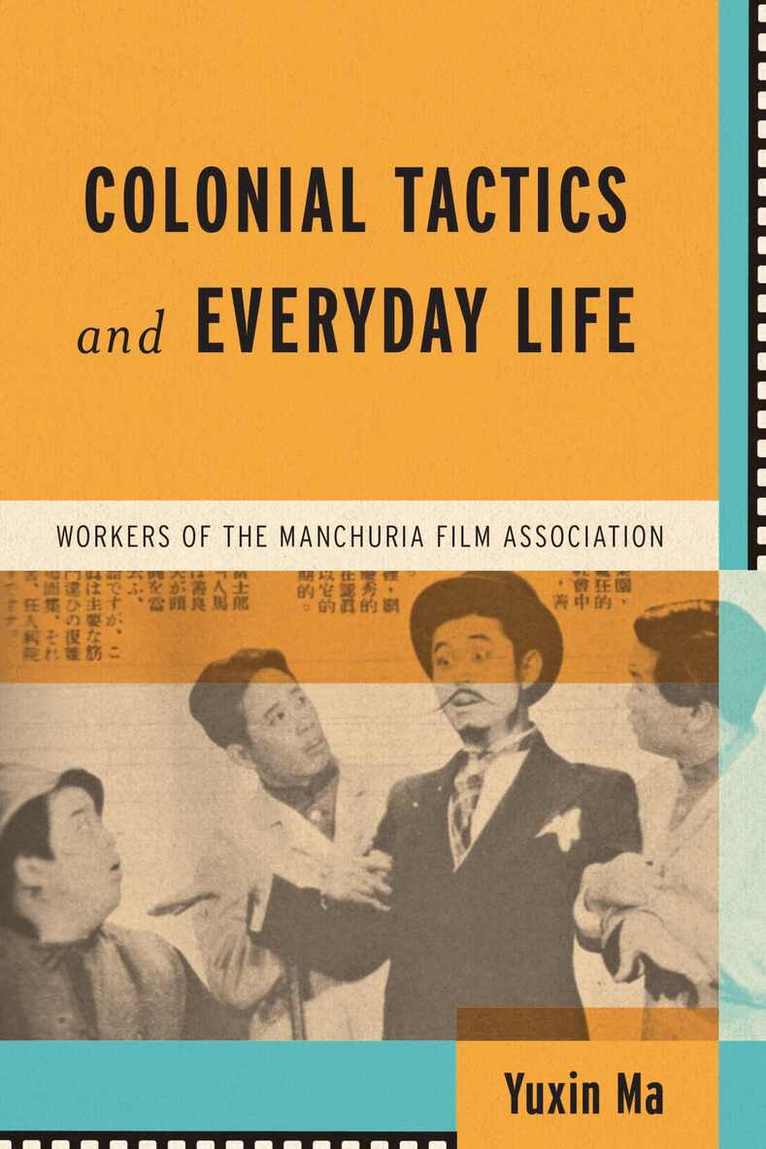
Following the Japanese invasion of northeast China in 1931, the occupying authorities established the Manchuria Film Association to promote film production efficiency and serve Japan’s propaganda needs. Manchuria Film Association had two tasks: to make “national policy films” as part of a cultural mission of educating Chinese in Manchukuo (the puppet state created in 1932) on the special relationship between Japan and the region, and to block the exhibition of Chinese films from Shanghai that contained anti-Japanese messages. The corporation relied on Japanese capital, technology, and film expertise, but it also employed many Chinese filmmakers. After the withdrawal of Japanese forces in 1945, many of these individuals were portrayed as either exploited victims or traitorous collaborators. Yuxin Ma seeks to move the conversation beyond such simplistic and inaccurate depictions.By focusing on the daily challenges and experiences of the Chinese workers at the corporation, Ma examines how life was actually lived by people navigating between practical and ideological concerns. She illustrates how the inhabitants of Manchukuo navigated social opportunities, economic depression, educational reforms, fascist rule, commercial interests, practical daily needs, and more—and reveals ways in which these conflicting preoccupations sometimes manifested as tension and ambiguity on screen. In the battle between repression and expression, these Chinese actors, directors, writers, and technicians adopted defensive and opportunistic tactics. They did so in colonial spaces, often rejecting modernist representations of Manchukuo in favor of venerating traditional Chinese culture and values. The expertise, skills, and professional networks they developed extended well beyond the occupation into the postwar period, and may individuals reestablished themselves as cinema professionals in the socialist era.
347 kr
Skickas inom 10-15 vardagar
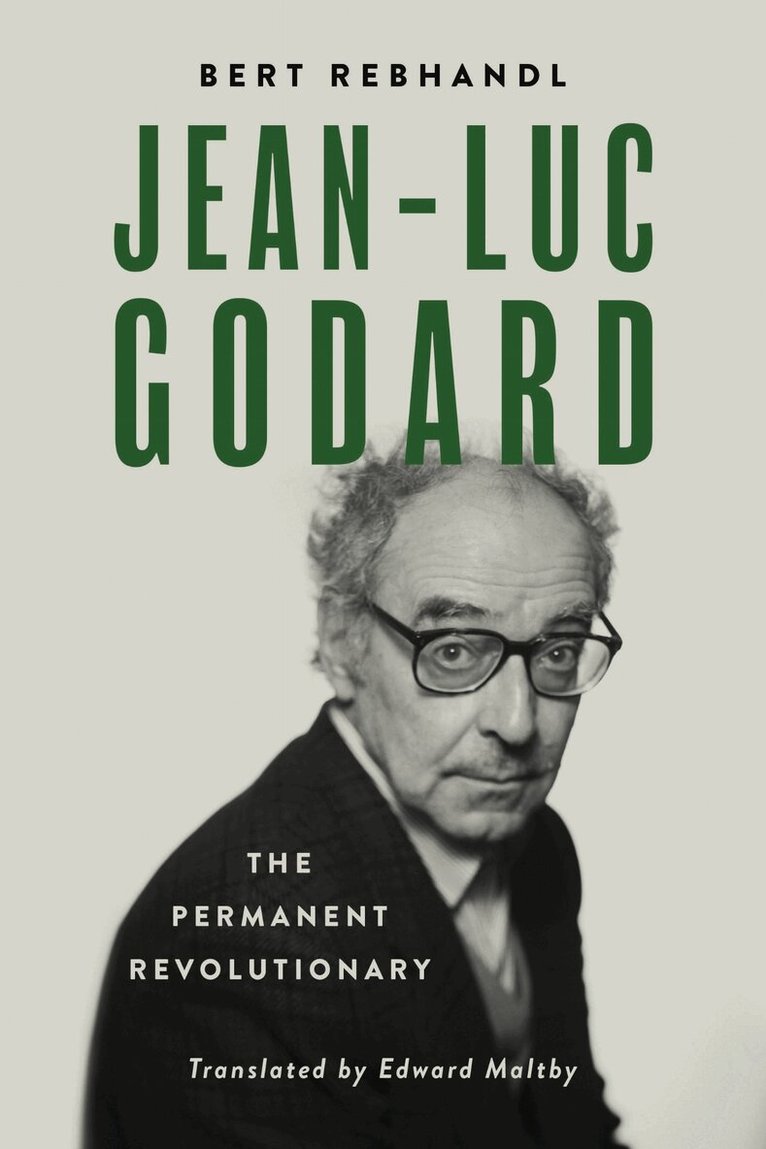
In this biography, now translated into English for the first time, Bert Rebhandl provides a balanced evaluation of the work of one of the most original and influential film directors of all time: Jean-Luc Godard (1930–2022). In this sympathetic yet critical overview, he argues that Godard's work captured the revolutionary spirit of Paris in the late 1960s as no other filmmaker has dared, and in fact reinvented the medium.Rebhandl skillfully weaves together biographical details; information about the cultural, intellectual, and cinematic milieu over the decades; and descriptions of Godard’s most significant films to support his assertion that the director was a permanent revolutionary—always seeking new ways to create, understand, and comment on film within a larger context. He views Godard as an artist consistently true to himself while never ceasing to change and evolve, often in unexpected, radical, and controversial ways. Rebhandl is known as a journalist with deep insights and lucid prose. Despite the wealth of material to analyze, he neither gets lost in the details nor offers a superficial gloss, even while directly tackling such topics as the long-standing charges of antisemitism against Godard and his oeuvre. This volume will be welcome to both casual fans and dedicated devotees.
988 kr
Skickas inom 10-15 vardagar
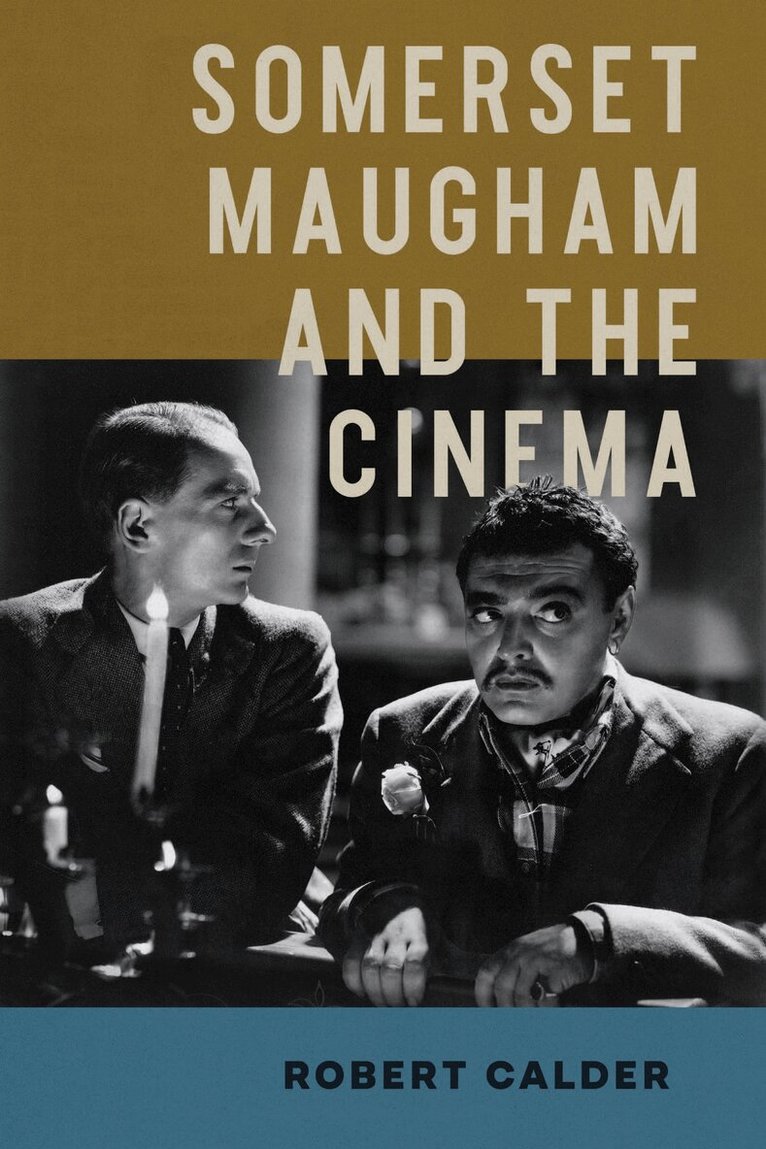
William Somerset Maugham (1874–1965) was one of the most prominent and productive authors of the twentieth century—and his works have been among the most cinematically transformed in history. For more than five decades, adaptations of his plays, stories, and novels dominated movie theaters and, later, television screens. More than ninety individual works were filmed, and for many filmgoers his name was a greater draw than that of the director. Works such as Of Human Bondage, “The Letter,” The Painted Veil, “Rain,” The Razor’s Edge, and others were produced multiple times, with starring roles sought by actors like Bette Davis, Gloria Swanson, Greta Garbo, Lionel Barrymore, Charles Laughton, and Bill Murray.This study of the famous author explores the relationship between literature and film, what is involved in adaptation, and how best to judge films based on celebrated books. Robert Calder, the world’s leading scholar of Maugham’s work, offers fascinating production histories, insight into both fortunate and misguided casting decisions, shrewd analyses of performances and film techniques, and summaries of public and critical responses. Maugham’s characters were often conflicted, iconoclastic, and morally out of step with their times, which may have accounted for the popularity of his fiction. Most of Maugham’s works could be adapted to satisfy the tastes of moviegoers and the demands of the Hays Office censors, if not the expectations of their author.
299 kr
Skickas inom 10-15 vardagar
William Somerset Maugham (1874–1965) was one of the most prominent and productive authors of the twentieth century—and his works have been among the most cinematically transformed in history. For more than five decades, adaptations of his plays, stories, and novels dominated movie theaters and, later, television screens. More than ninety individual works were filmed, and for many filmgoers his name was a greater draw than that of the director. Works such as Of Human Bondage, “The Letter,” The Painted Veil, “Rain,” The Razor’s Edge, and others were produced multiple times, with starring roles sought by actors like Bette Davis, Gloria Swanson, Greta Garbo, Lionel Barrymore, Charles Laughton, and Bill Murray. This study of the famous author explores the relationship between literature and film, what is involved in adaptation, and how best to judge films based on celebrated books. Robert Calder, the world’s leading scholar of Maugham’s work, offers fascinating production histories, insight into both fortunate and misguided casting decisions, shrewd analyses of performances and film techniques, and summaries of public and critical responses. Maugham’s characters were often conflicted, iconoclastic, and morally out of step with their times, which may have accounted for the popularity of his fiction. Most of Maugham’s works could be adapted to satisfy the tastes of moviegoers and the demands of the Hays Office censors, if not the expectations of their author.
403 kr
Skickas inom 10-15 vardagar
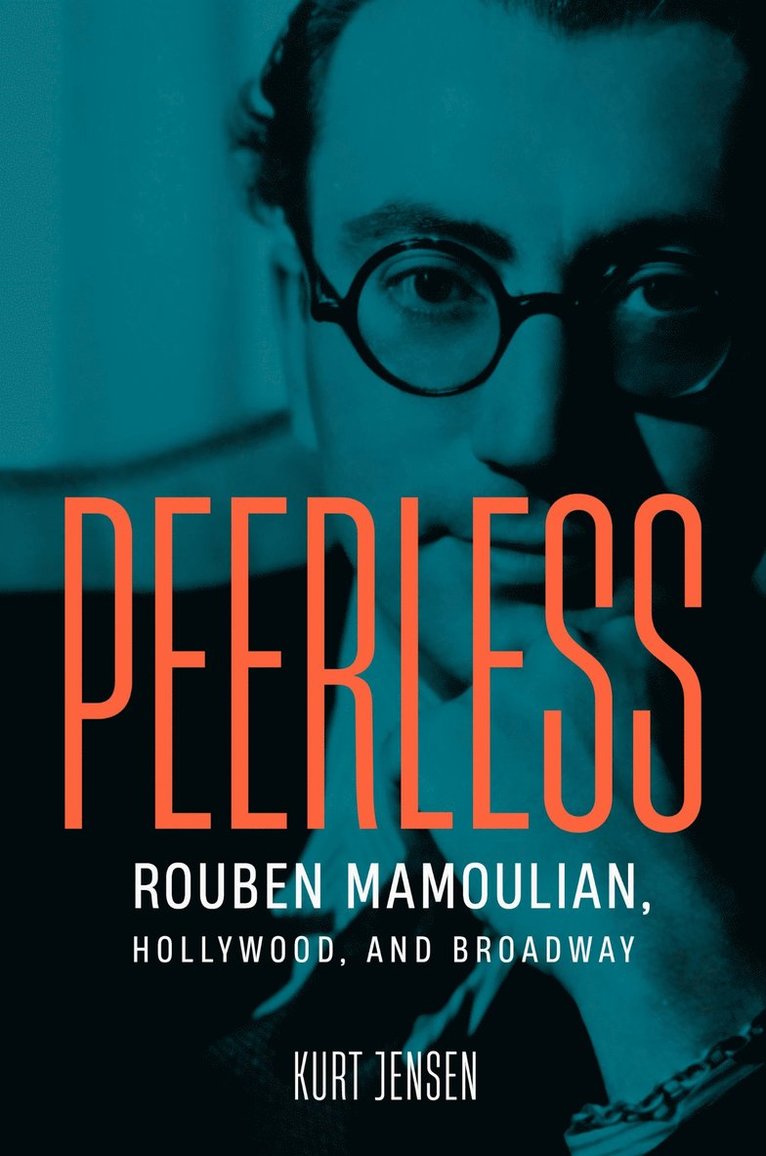
A proud Armenian who claimed a distant link to nobility, born in what was then part of czarist Russia, Rouben Mamoulian (1897–1987) became one of the most astonishing and confounding directors of American film and theater, directing the original stage productions of Porgy and Bess, Carousel, and Oklahoma!, as well as films including Love Me Tonight, Queen Christina, City Streets, and Silk Stockings. He was famously fired from the film version of Porgy and Bess in a dispute over publicity, and quit Cleopatra after arguments over a single scene. His iconoclastic self-confidence was high among the reasons he had a reputation for being unable to compromise.This frustrating mix of genius and stubbornness, of critical successes and financial flops, has proven challenging for biographers. Any examination of Mamoulian’s life must explore film, theater, and music history, while being conscious of the racial culture in both American society and the world of entertainment during the mid-twentieth century. Kurt Jensen’s magisterial volume, extensively researched and filled with trenchant observations, brings to life this charming, flawed, and fascinating man.With lived-in details and surprising revelations, Jensen fleshes out the contours of a remarkable life. Drawing upon Mamoulian’s unfinished memoir and voluminous diaries, as well as interviews with the director’s surviving collaborators, he delivers fresh and informative insider stories from seminal productions. Meanwhile, he explores Mamoulian’s aesthetic principles and strategies as manifested in lighting, choreography, and sound design. Jensen reveals Mamoulian’s mercurial confidence and autocratic tendencies at the height of his power, demonstrating how the wellspring of his art contained the seeds of his own destruction. A tour de force, Peerless offers readers a multifaceted, in-depth look at an idiosyncratic genius.
Hollywood's Unofficial Film Corps
American Jewish Moviemakers and the War Effort
Inbunden, Engelska, 2025
885 kr
Skickas inom 10-15 vardagar
It has long been known that Hollywood was actively involved in shaping US public opinion during World War II. Less well documented are the ways in which Washington sought to work behind the scenes, subtly obliterating the boundaries between “studio” and “government” films. Michael Berkowitz studies the contributions of humorist and best-selling author Leo Rosten (The Joys of Yiddish, The Education of H*Y*M*A*N* K*A*P*L*A*N) and writer, producer, and screenwriter Budd Schulberg (On the Waterfront, A Face in the Crowd) in order to examine the elusive story of Jewish Hollywood’s role in World War II. Hollywood’s Unofficial Film Corps shows that Rosten, Schulberg, and others—including Garson Kanin, George Cukor, Stanley Kramer, and Jules Buck—created movies that were both entertaining and politically expeditious for US war aims. At the same time, in an effort to unify the American public, they avoided focusing on the fate of European Jews, even while addressing racism and antisemitism in the United States. Jewish themes were often downplayed, and Jewish directors, writers, and other contributors frequently went uncredited. As Berkowitz writes, “Rosten’s cohort changed feature films forever.” Thanks to his research, we now have a better understanding of how and why.
473 kr
Skickas inom 10-15 vardagar
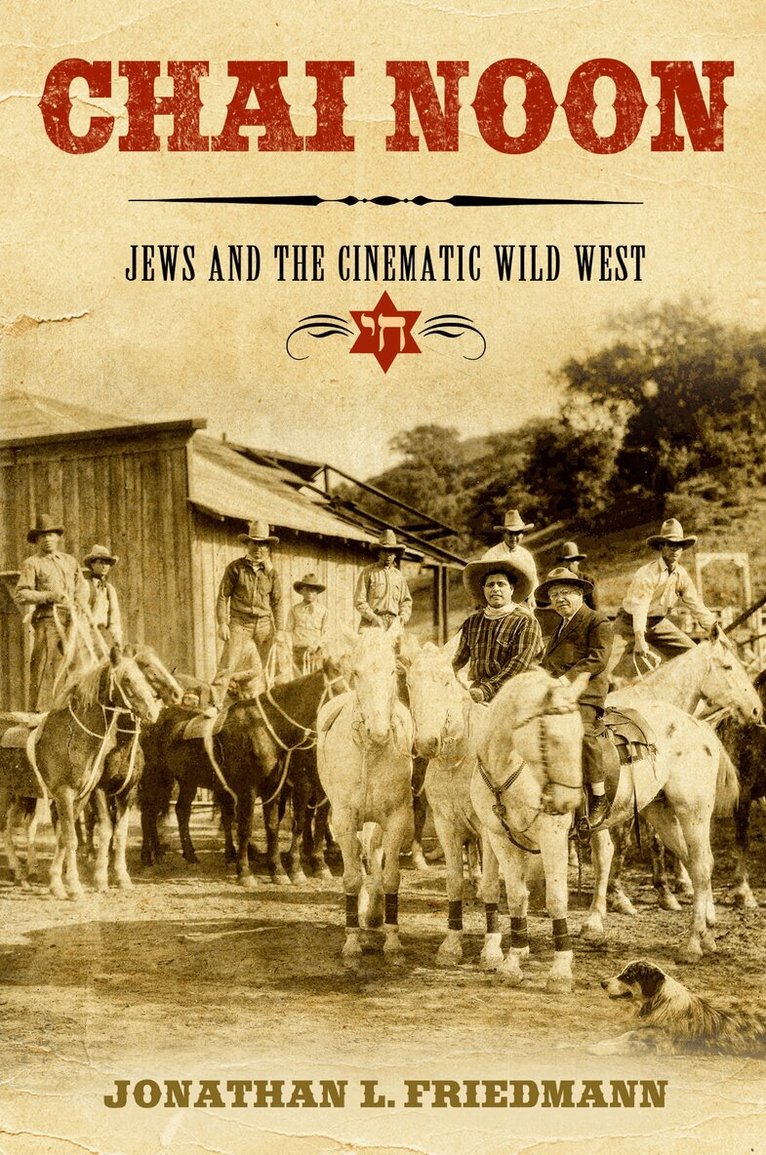
Only a few Westerns contain explicitly Jewish stories or themes, and very rarely do Old West tales involve identifiably Jewish characters. Yet Jewish contributors have shaped the Western—once Hollywood’s most popular genre—ever since the silent era, both onscreen and offscreen, and some filmmakers have explicitly sought to infuse the genre with a distinctly Jewish sensibility. In Chai Noon, Jonathan L. Friedmann applies some of the central questions of Jewish film studies to the Western: What makes a movie “Jewish”? What counts as a “Jewish image” on screen? What types of Jewish representation are appropriate? How much of a film’s “Jewishness” owes to the filmmakers and how much to the viewer’s interpretation?This volume joins other reconsiderations of outsider and minority representations in Westerns to offer a more nuanced view of the genre. Friedmann engages with larger themes of Jewish identity in popular film, including depictions of race, ethnicity, and foreignness. He also identifies similar concerns within the invention and creation of the imaginary West writ large in American culture. The juxtapositions prove to be both unexpected and intuitively understandable.
995 kr
Skickas inom 10-15 vardagar
Following Stalin’s death in 1953 and Khruschev’s acknowledgment of Stalin’s crimes in 1956, “sincerity” emerged as a cultural imperative in the Soviet Union. Unlike the fare of the Stalin era, the cinema of this period turned inward, insisting on ordinary characters and creating a sense of spontaneity through particular staging methods and cinematic techniques, such as the close-up and interior monologue. These changes shifted the understanding of what “realism” meant and allowed Soviet cinema to reestablish with its audiences the trust that had been corrupted by serving Stalin’s cult of personality. Using both theory and close readings of specific films produced in various parts of the Soviet Union during the Thaw, a period known for its relative political and cultural liberalization, Cinema of Sincerity treats sincerity as both a concept and an aesthetic strategy. Viktoria Paranyuk argues that Soviet cinema’s use of sincerity was a reworking of a trend in global cinema that sought to bridge the gap between reality and the filmed image. This period saw increased accessibility to world cinematic traditions, new voices in criticism, and, above all, the multigenerational effort in filmmaking that developed and thrived in centers outside Moscow. Paranyuk demonstrates how these changes allowed Soviet cinema to renew its visual language and use film as a space for collective self-examination.
453 kr
Skickas inom 7-10 vardagar
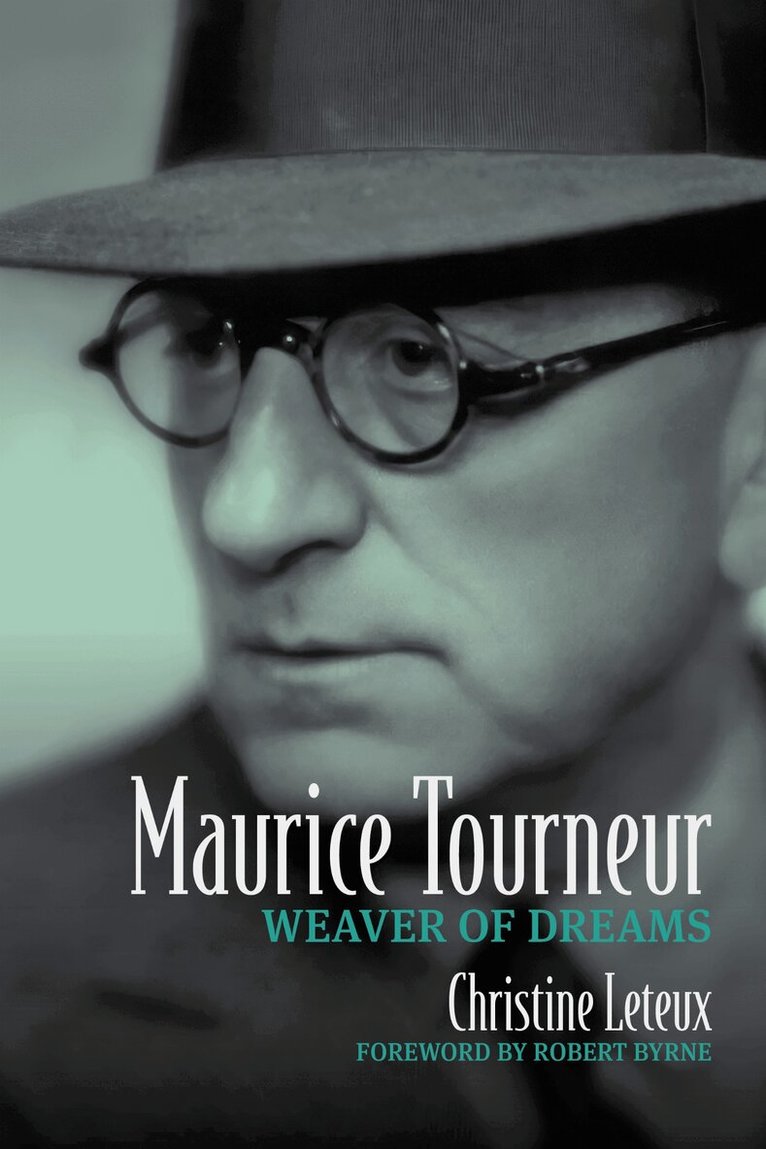
In 1914, an unknown French filmmaker arrived in New York; within four years, that man, Maurice Tourneur (1876–1961), would become one of America’s most acclaimed directors. In this masterful biography, Christine Leteux shows how intimately connected Tourneur’s life was to major events of the twentieth century as well as to the profound transformations in movie making. He quickly managed the transition to sound, and his last major work was created for Continental Films, the German-owned firm that controlled the French film industry during the Nazi Occupation. His son, Jacques, followed in his footsteps, also becoming an acclaimed director. Drawing heavily on previously unpublished archival documents, Leteux reinvigorates film history and demonstrates that we know far less about this era of filmmaking than we often assume. She reveals not only how Tourneur jumped from France to the United States and back again but also how he shifted from one company to another, moving quickly up the ladder to bigger productions and ever larger studios. Tourneur's drive, insight, technical proficiency, skill with actors, ability to create new forms of storytelling, and fame on both sides of the Atlantic make it all the more surprising that he is not better known today—an oversight that has now been corrected thanks to Leteux’s impressively detailed research and nuanced storytelling.