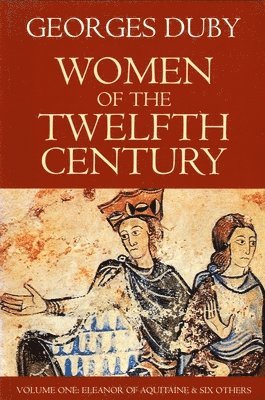
Women of the Twelfth Century – serie
Visar alla böcker i serien Women of the Twelfth Century. Handla med fri frakt och snabb leverans.
6 produkter
6 produkter
561 kr
Tillfälligt slut
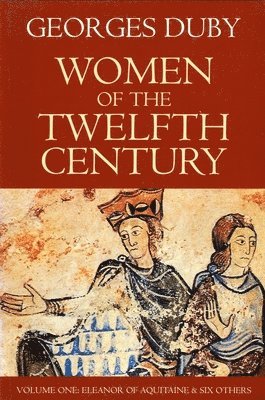
This is an engaging account of the lives of high-born women in the Middle Ages, by one of the foremost historians in Europe. Focusing on France in the twelfth century, Duby recreates the image of women that the men of high society made for themselves. Using written evidence from the period - official texts written by men, all intended for public consumption and reading aloud - he tells the story of six very different women. These women - fictional and real, religious and secular - range from famous historical figures such as Eleanor of Aquitaine and Héloïse, through Mary Magdalen, whose cult grew throughout the twelfth century, to Soredamors and Fenice, the heroines of Cligès, the romance of Chrétien de Troyes.Duby sets all of these women within their historical context, using their personalities to explore the characteristics of female existence during this period. He discusses relations between the sexes, including marriage and different types of love, and shows how women were feared, mistrusted and, sometimes, admired by men. He vividly reconstructs the French nobility's system of values, examining the place assigned to women within this system. He argues that men's attitudes to women began to change in the twelfth century and that women began imperceptibly to extricate themselves from masculine power.This important book - the first of three volumes on women in the Middle Ages - will be of interest to a wide readership.
550 kr
Skickas inom 7-10 vardagar
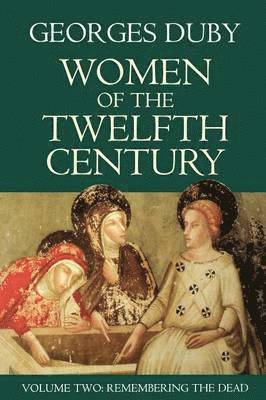
In this volume, one of the greatest medieval historians of our time continues his rich and illuminating enquiry into the lives of twelfth-century women. Georges Duby bases his account here on a twelfth-century genre which commemorated the virtues of noblewomen who had died, and the roles they had played in the history of their lineage. From these genealogical works a vivid picture emerges of the lives these women led, the values they held, and the way in which they were viewed by the priest and knights who wrote about them. The first section outlines the way in which the dead, and the memory and tales of the dead, served to bond noble society in the twelfth century. The second draws on the Gesta, written by Dudo of Saint Quentin, and reflects on what it tells us about the roles ascribed to wives and concubines and women, in war and in power. The third and final section reconstructs women as wives, mothers and widows through the work of Lambert, Priest of Ardres. This book is part of a three-volume work on women in the Middle Ages. It will be of great interest to students and researchers in medieval history, social history and women's history.
534 kr
Skickas inom 7-10 vardagar
In Women of the Twelfth Century: Eve and the Church, Georges Duby concerns himself with the relationship between women and the church, examining the ways in which women were viewed from a Christian point of view. By the twelfth century, the Church had begun to take the role and expectations of women seriously, and the clerical writings discussed in this work address the particular issues that emerged from this development. In the first chapter, "The Sins of Women", Duby concentrates on the sins deemed to be particular to women (amongst others these include sorcery, disobedience, and licentiousness) and focuses especially on the male fear of female sexuality and magic. The second chapter is based on twelfth-century commentaries on the chapters in Genesis dealing with Eve's role in the fall from grace in the Garden of Eden. Interpreting these writings, and the earlier writings upon which they were based, Duby shows how they reflect the reasoning behind the view held of women as unstable, curious, and frivolous creatures. The third section is based on letters written by clerics to women of noble status and nuns. Here, while the charges of instability and frivolousness are once again levelled at women, their praise is also sung for their marital and motherly values. The final section concentrates solely on the most famous text of this period by Andreas Capellanus (De Amore), and sets it within the context of the supposed twelfth-century discovery of love and the courtly love tradition. As the third and last part of Duby's three-volume study of the lives of French noblewomen of the twelfth century, this book confirms the author as one of the greatest historians of the Middle Ages. It will be of great interest to students and researchers of medieval history and women's history, as well as anyone interested in the historical relationship between women and the Church.
284 kr
Skickas inom 5-8 vardagar
This is an engaging account of the lives of high-born women in the Middle Ages, by one of the foremost historians in Europe. Focusing on France in the twelfth century, Duby recreates the image of women that the men of high society made for themselves. Using written evidence from the period - official texts written by men, all intended for public consumption and reading aloud - he tells the story of six very different women. These women - fictional and real, religious and secular - range from famous historical figures such as Eleanor of Aquitaine and Héloïse, through Mary Magdalen, whose cult grew throughout the twelfth century, to Soredamors and Fenice, the heroines of Cligès, the romance of Chrétien de Troyes.Duby sets all of these women within their historical context, using their personalities to explore the characteristics of female existence during this period. He discusses relations between the sexes, including marriage and different types of love, and shows how women were feared, mistrusted and, sometimes, admired by men. He vividly reconstructs the French nobility's system of values, examining the place assigned to women within this system. He argues that men's attitudes to women began to change in the twelfth century and that women began imperceptibly to extricate themselves from masculine power.This important book - the first of three volumes on women in the Middle Ages - will be of interest to a wide readership.
254 kr
Skickas inom 5-8 vardagar
In this volume, one of the greatest medieval historians of our time continues his rich and illuminating enquiry into the lives of twelfth-century women. Georges Duby bases his account here on a twelfth-century genre which commemorated the virtues of noblewomen who had died, and the roles they had played in the history of their lineage. From these genealogical works a vivid picture emerges of the lives these women led, the values they held, and the way in which they were viewed by the priest and knights who wrote about them. The first section outlines the way in which the dead, and the memory and tales of the dead, served to bond noble society in the twelfth century. The second draws on the Gesta, written by Dudo of Saint Quentin, and reflects on what it tells us about the roles ascribed to wives and concubines and women, in war and in power. The third and final section reconstructs women as wives, mothers and widows through the work of Lambert, Priest of Ardres. This book is part of a three-volume work on women in the Middle Ages. It will be of great interest to students and researchers in medieval history, social history and women's history.
183 kr
Skickas inom 11-20 vardagar
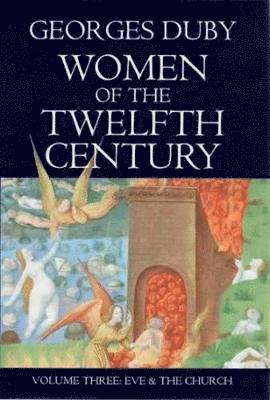
In Women of the Twelfth Century: Eve and the Church, Georges Duby concerns himself with the relationship between women and the church, examining the ways in which women were viewed from a Christian point of view. By the twelfth century, the Church had begun to take the role and expectations of women seriously, and the clerical writings discussed in this work address the particular issues that emerged from this development. In the first chapter, "The Sins of Women", Duby concentrates on the sins deemed to be particular to women (amongst others these include sorcery, disobedience, and licentiousness) and focuses especially on the male fear of female sexuality and magic. The second chapter is based on twelfth-century commentaries on the chapters in Genesis dealing with Eve's role in the fall from grace in the Garden of Eden. Interpreting these writings, and the earlier writings upon which they were based, Duby shows how they reflect the reasoning behind the view held of women as unstable, curious, and frivolous creatures. The third section is based on letters written by clerics to women of noble status and nuns. Here, while the charges of instability and frivolousness are once again levelled at women, their praise is also sung for their marital and motherly values. The final section concentrates solely on the most famous text of this period by Andreas Capellanus (De Amore), and sets it within the context of the supposed twelfth-century discovery of love and the courtly love tradition. As the third and last part of Duby's three-volume study of the lives of French noblewomen of the twelfth century, this book confirms the author as one of the greatest historians of the Middle Ages. It will be of great interest to students and researchers of medieval history and women's history, as well as anyone interested in the historical relationship between women and the Church.