Žižek's Essays – serie
Visar alla böcker i serien Žižek's Essays. Handla med fri frakt och snabb leverans.
10 produkter
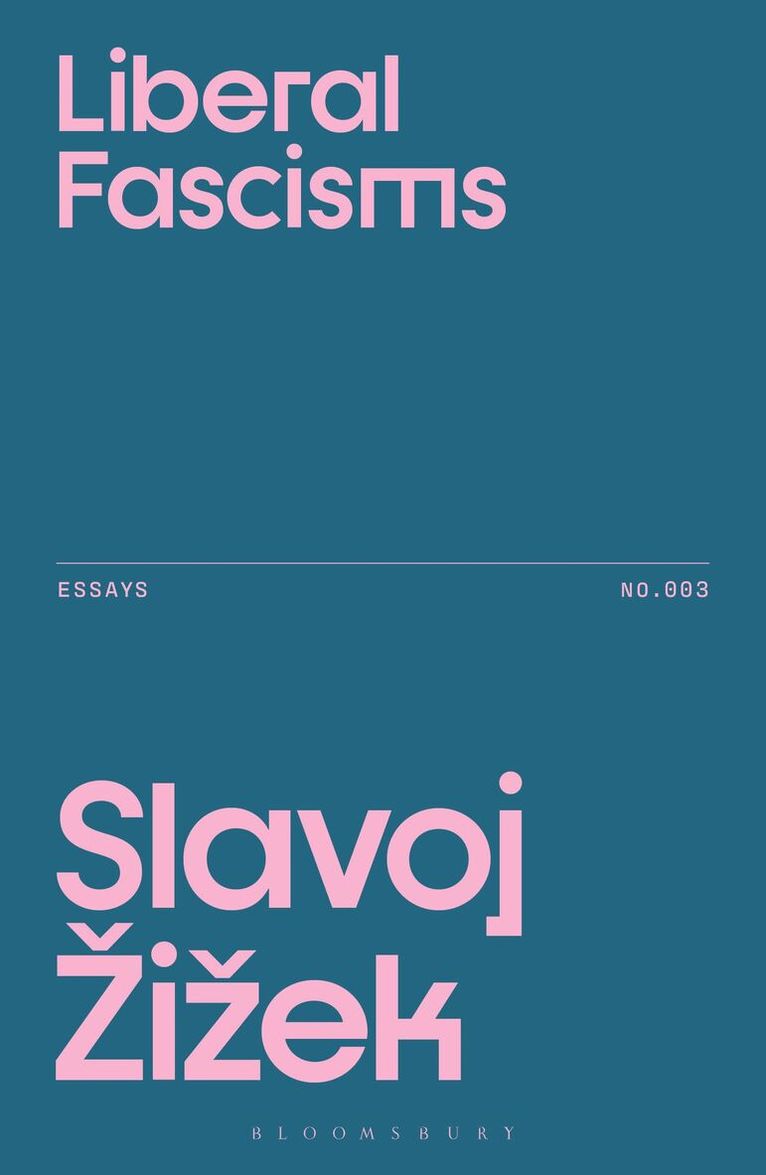
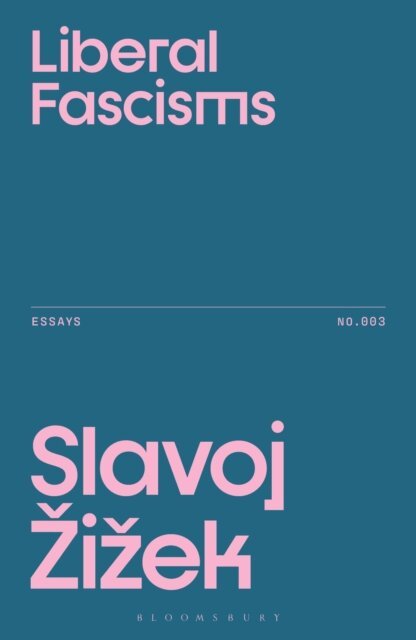
Liberal Fascisms
Av Slavoj Žižek
Häftad, 2026
4,0 utav 5 stjärnor. Totalt antal röster: (1)
134 kr
Lägg i varukorg
With an apparently contradictory and characteristically makeshift term, ‘Liberal Fascisms’, Slavoj Žižek captures the paradoxical nature of political populism.To see this phenomenon as purely liberal and dictatorially fascistic is to expose liberalism and fascism as two sides of the same coin. The …
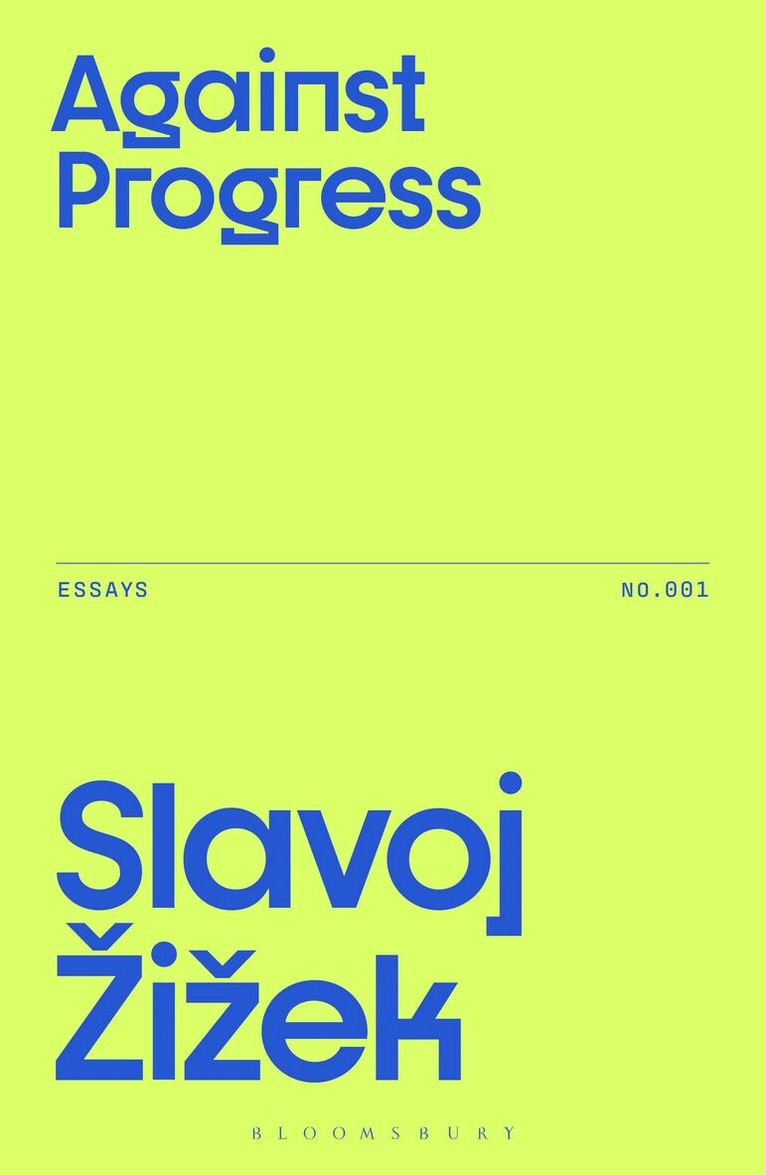
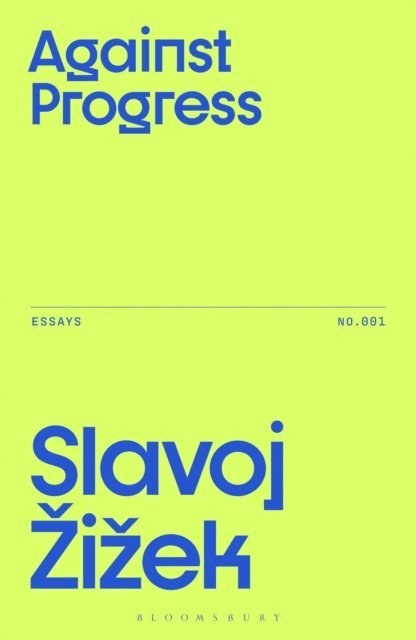
Against Progress
Av Slavoj Žižek
Häftad, 2024
5,0 utav 5 stjärnor. Totalt antal röster: (1)
146 kr
Lägg i varukorg
To define 'progress' is to lay claim to the future. Seminal thinker Slavoj Žižek turns essayist to interrogate the competing visions which form the horizons of human possibility and ask: Can things, which have never seemed worse, get better? What would a better world be? And how, when we are …
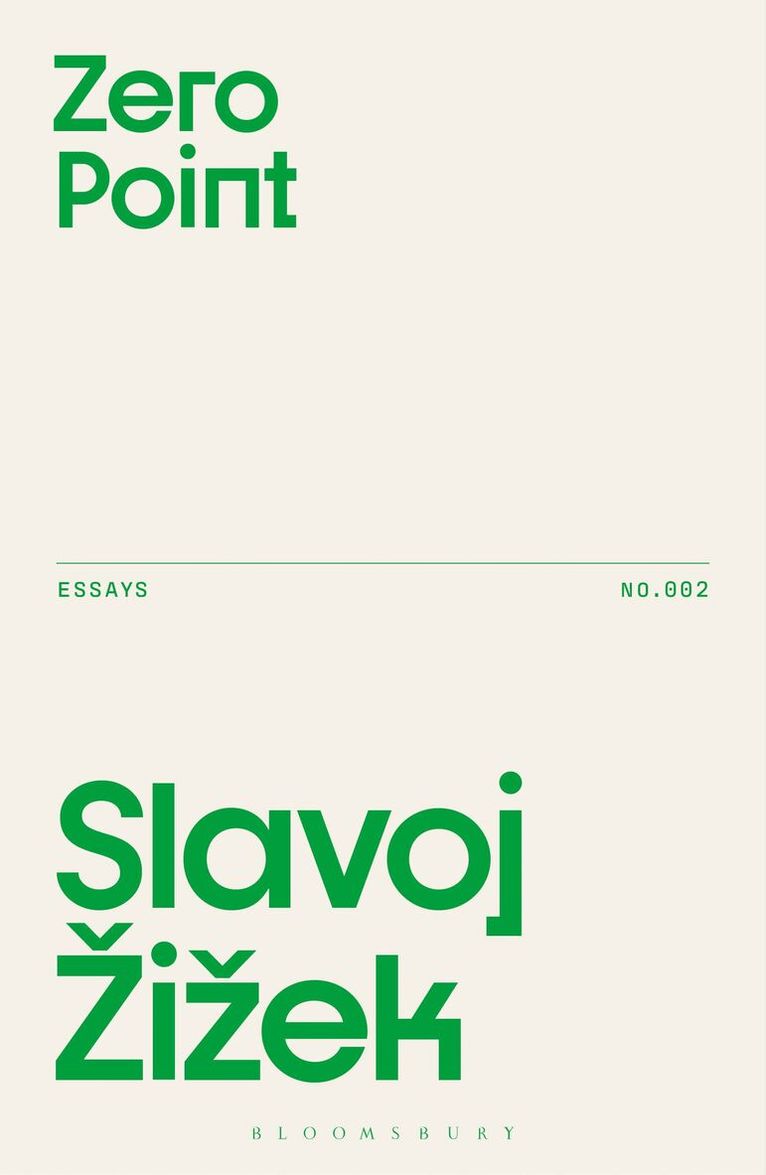
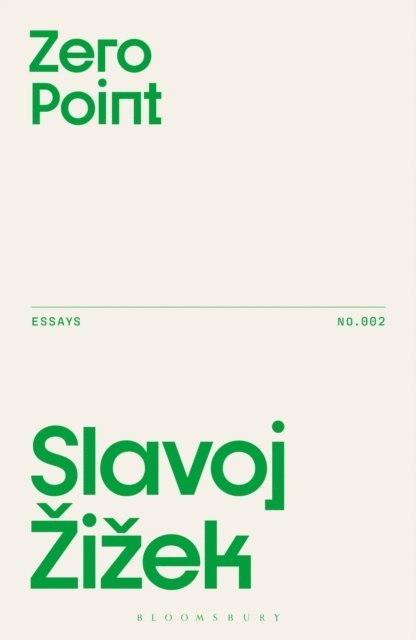
Zero Point
Av Slavoj Žižek
Häftad, 2025
5,0 utav 5 stjärnor. Totalt antal röster: (2)
137 kr
Lägg i varukorg
The essays in Zero Point ask how we distinguish defeat from disaster, and how we confront despair without collapsing into it - questions never more pertinent than the current moment in the wake of electoral victories for authoritarian populists and unceasing news of violent atrocities.The …
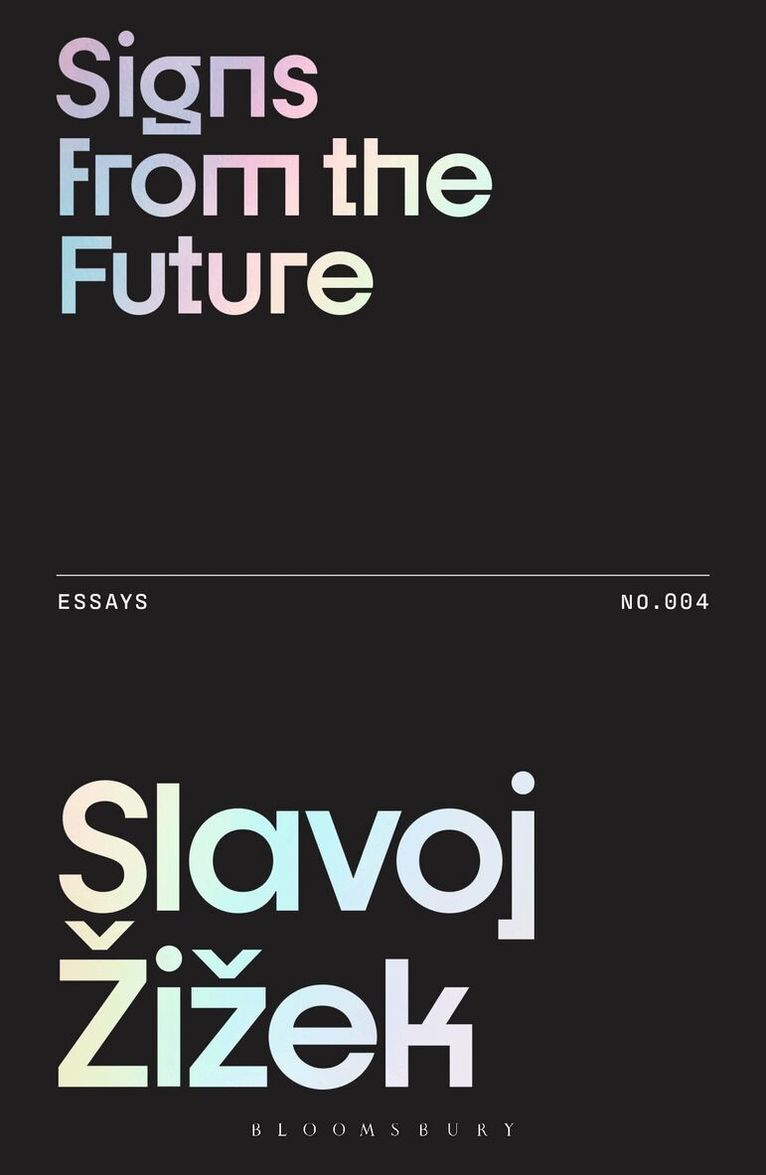
Signs from the Future
Av Slavoj Žižek
Häftad, 2026
127 kr
Kommande
The old liberal world order is dying and yet new realities are consistently stillborn. We are, as Slavoj Žižek argues in this arresting new book, stuck in time with only the 'morbid phenomena' of Gramsci's chilling words for company: 'the old is dying and the new cannot be born; in this interregnum …
Against Progress
Av Slavoj Žižek
E-bok, 2024
172 kr
Lägg i varukorg
To define ''progress'' is to lay claim to the future. Seminal thinker Slavoj Žižek turns essayist to interrogate the competing visions which form the horizons of human possibility and ask: Can things, which have never seemed worse, get better? What would a better world be? And how, when we are …
Against Progress
Av Slavoj Žižek
E-bok, 2024
172 kr
Lägg i varukorg
To define ''progress'' is to lay claim to the future. Seminal thinker Slavoj Žižek turns essayist to interrogate the competing visions which form the horizons of human possibility and ask: Can things, which have never seemed worse, get better? What would a better world be? And how, when we are …
Zero Point
Av Slavoj Žižek
E-bok, 2025
156 kr
Lägg i varukorg
The essays in Zero Point ask how we distinguish defeat from disaster, and how we confront despair without collapsing into it - questions never more pertinent than the current moment in the wake of electoral victories for authoritarian populists and unceasing news of violent atrocities. The …
Zero Point
Av Slavoj Žižek
E-bok, 2025
156 kr
Lägg i varukorg
The essays in Zero Point ask how we distinguish defeat from disaster, and how we confront despair without collapsing into it - questions never more pertinent than the current moment in the wake of electoral victories for authoritarian populists and unceasing news of violent atrocities. The …
Liberal Fascisms
Av Slavoj Žižek
E-bok, 2026
156 kr
Lägg i varukorg
With an apparently contradictory and characteristically makeshift term, 'Liberal Fascisms', Slavoj i ek captures the paradoxical nature of political populism. To see this phenomenon as purely liberal and dictatorially fascistic is to expose liberalism and fascism as two sides of the same coin. The …
Liberal Fascisms
Av Slavoj Žižek
E-bok, 2026
156 kr
Lägg i varukorg
With an apparently contradictory and characteristically makeshift term, 'Liberal Fascisms', Slavoj i ek captures the paradoxical nature of political populism. To see this phenomenon as purely liberal and dictatorially fascistic is to expose liberalism and fascism as two sides of the same coin. The …