1 127 kr
Tillfälligt slut
Beskrivning
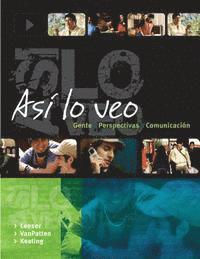
Sol y viento 3/e is available with CENTRO, a portal learning management system, which offers a diagnostic tool that provides students with tailored learning plans to address their specific learning needs. This integrated technology platform delivers a variety of digital components including Quia workbooks, laboratory manuals and an interactive e-book with voice board, allowing professors to deliver a seamless learning experience to students in both seated and virtual sections.
Produktinformation
- Utgivningsdatum:2011-04-16
- Mått:129 x 134 x 17 mm
- Vikt:104 g
- Format:Övrigt
- Språk:Engelska
- Upplaga:3
- Förlag:McGraw-Hill Education
- ISBN:9780077397692
Utforska kategorier
Mer om författaren
Bill VanPatten is Professor and Director of Applied Linguistics and Second Language Studies at Texas Tech University. His areas of research are input and input processing in second language acquisition and the effects of formal instruction on acquisitional processes. He has published widely in the fields of second language acquisition and language teaching and is a frequent conference speaker and presenter. His publications include Making Communicative Language Teaching Happen (with James F. Lee, 2003,McGraw-Hill), From Input to Output: A Teacher’s Guide to Second Language Acquisition (2003, McGraw-Hill), Processing Instruction: Theory, Research, and Practice (2004, Lawrence Erlbaum Associates) and most recently, Theories in Second Language Acquisition: An Introduction (with Jessica Williams, 2007, Lawrence Erlbaum Associates). He is the lead author of Vistazos, ¿Sabías que...?, Destinos and Sol y viento. Dr. VanPatten is the 2007 recipient of the Anthony Papalia Award for Excellence in Teacher Education, awarded jointly by ACTFL and NYSAFLT. When not engaged in academic activities, he writes fiction and performs stand-up comedy. He has recently published his first work of fiction, a collection of short stories titled Chicago Tales, published by Outskirts Press (2007). Michael J. Leeser is Assistant Professor of Spanish in the Department of Modern Languages and Linguistics at Florida State University, where he is also Director of the Spanish Basic Language Program. Before joining the faculty at Florida State, he taught a wide range of courses at the secondary and post-secondary levels, including courses in Spanish language and Hispanic cultures, teacher preparation courses for secondary school teachers, and graduate courses in communicative language teaching and second language acquisition. He received his Ph.D. in Spanish (Second Language Acquisition and Teacher Education) from the University of Illinois at Urbana-Champaign in 2003. His research interests include input processing during second language reading as well as second language classroom interaction. His research has appeared in journals such as Studies in Second Language Acquisition and Language Teaching Research. He also co-authored Sol y viento and Sol y viento: En breve (2008, McGraw-Hill). Gregory D. Keating is Assistant Professor of Linguistics and Second Language Acquisition in the Department of Linguistics and Asian/Middle Eastern Languages at San Diego State University. Before joining the faculty at San Diego State, he taught courses in communicative language teaching and Spanish teacher education at the University of Illinois at Chicago, where he received his Ph.D. in Hispanic Linguistics and Second Language Acquisition. His areas of research include Spanish sentence processing, the role instruction plays in language acquisition, psycholinguistics, and the acquisition of Spanish syntax and vocabulary. He is a recipient of several teaching awards, including one from the University of Notre Dame, where he received his M.A. in Spanish Literature. In addition to teaching and research, he has supervised many language courses and teaching assistants and has assisted in the coordination of technology-enhanced lower-division Spanish language programs. He is also a co-author of Sol y viento and Sol y viento: En breve (2008, McGraw-Hill).
Innehållsförteckning
- Notes:The numbering system of lessons includes A and B lessons, each of which correspond to an episode of the film. For example, Lecciones 1A and 1B correspond to Episodio 1. The Lección final corresponds to Episodio 9.The Lección preliminar and Lección 1A provide a comprehensive listing of contents for those lessons, as representative of the other lessons. Leccion 1B - Lección final provide only the vocabulary topics and grammatical structures.Lección preliminar: ¡Aquí estamos!Primera parteVocabulario: Me llamo…(Meeting and Greeting People: Introductions)Vistazo cultural: Los saludosGramática: Soy de México. (Expressing Origin: Introduction to ser)Segunda parteVocabulario: Las materias(Talking About Majors and Classes: School Subjects) Gramática: El cálculo y las matemáticas(Naming Things: Articles, Gender, and Number)Tercera parteVocabulario: En la sala de clase(Talking About People and Things in the Classroom and on Campus: Classroom Objects) Gramática: Están aquí. (Expressing Location: Introduction to estar)Sol y vientoPrólogo: Los espíritusVocabularioEpisodio 1: La llegadaLección 1A: Sobre los horariosPrimera parteVocabulario: Llevo quince créditosTalking About Your Course Load: Numbers 0-30Sol y viento: Enfoque culturalVistazo cultural: Los cursos y los créditosGramática: ¿Estudio y trabajo? Talking About Activities: Regular –ar VerbsSegunda parteVocabulario: Los días de la semanaMore About Schedules: Days of the WeekVistazo cultural: Los calendariosGramática: Necesito estudiar. Talking about Needing or Wanting to Do Something: Verb + infinitiveTercera parteVocabulario: ¿A qué hora? Talking About When You Do Things: Telling TimeVistazo cultural: De 0:00 a 24:00Gramática: Es mi libro. Talking About Ownership: Unstressed Possessive AdjectivesResumen de gramática Panorama cultural: El mundo hispano VocabularioLección 1B: Más sobre las actividadesPrimera parteVocabulario: ¿Cuándo?Asking Questions: Summary of Interrogative WordsGramática: ¿Dónde vives?More on Activities and Schedules: Present Tense of Regular –er and –ir VerbsSegunda parteVocabulario: ¡Hace calor en junio!Talking About Times of the Year: Months, Weather, SeasonsGramática: ¿Vas a estudiar esta noche?Expressing Future Events: ir + a + infinitiveTercera parteVocabulario: Es un hombre serio.Describing Personalities: AdjectivesGramática: Es una mujer seria.More on Describing People: Adjective Placement and AgreementEpisodio 2: El encuentroLección 2A: En la universidad y la ciudadPrimera parteVocabulario: ¿Cuántos años tiene?Expressing Age: Numbers 31-100Gramática: Vengo de los Estados Unidos.More on Talking About Activities: Verbs that End in –goSegunda parteVocabulario: ¿Está lejos o cerca?Expressing Where Things and Places Are Located: Prepositions of LocationGramática: ¿Dónde estás y qué estás haciendo?Talking About Location and What People Are Doing: Two Uses of estarTercera parteVocabulario: Tengo que ir al banco.Talking About Where you Do Things: Places in the CityGramática: Puedo caminar.More on Talking About Activities: o -->ue, e --> ie Stem-Changing VerbsLección 2B: ¡Vamos de compras!Primera parteVocabulario: La ropaTalking About What People Wear: ClothingGramática: ¿Qué dices?More on Talking About People’s Activities: e -->i Stem-Changing VerbsSegunda parteVocabulario: Hay doscientas blusas rojas.More on Describing: Colors; Numbers 100-1,000Gramática: ¿Qué es esto?Pointing Things Out: Demosntrative Adjectives and PronounsTercera parteVocabulario: De comprasTalking About Buying Things: ShoppingGramática: Está bien.Talking About Expected and Unexpected Qualities: More on ser and estarEpisodio 3: A la viñaLección 3A: La familiaPrimera parteVocabulario: Mi familiaDescribing Families: Members of the Immediate Family; PetsGramática: Sí, conozco a la familia. ¿Sabes dónde están?Expressing Knowledge or Familiarity: Saber and conocer; Verbs that End in -zcoSegunda parteVocabulario: Los otros parientesMore on Describing Families: Extended Family MembersGramática: ¿La conoce?Eliminating Redundancy: Direct Object PronounsTercera parteVocabulario: No es muy alto.Describing How People Look: Physical TraitsGramática: Es más alto que yo.More on Describing People and Things: Comparisons of Equality and InequalityLección 3B: ¡A comer!Primera parteVocabulario: El desayunoTalking About What You Eat in the Morning: BreakfastGramática: No lo sé tampoco.Expressing Negation: Indefinite and Negative WordsSegunda parteVocabulario: El almuerzo y la meriendaTalking About What You Eat During the Day: Lunch and SnackingGramática: Está muy serio.Talking About Conditions and Traits: Ser Versus estar with AdjectivesTercera parteVocabulario: La cenaTalking About What You Eat at Night: DinnerGramática: ¿Le gusta el vino?Talking About To Whom and For Whom: Indirect Object Pronouns and gustarEpisodio 4: Otro encuentroLección 4A: Cuando no trabajo…Primera parteVocabulario: El tiempo libreTalking About What You Do When You Don’t Study or Work: Leisure ActivitiesGramática: Lo pasé muy bien.Introduction to Talking About the Past: Preterite Tense of Regular –ar VerbsSegunda parteVocabulario: El ejercicio y el gimnasioTalking More About Leisure Time Activities: Sports and FitnessGramática: Volví tarde.More on Talking About the Past: Preterite of Regular –er and –ir VerbsTercera parteVocabulario: ¿Cuándo celebras tu cumpleaños?Talking About Special Events: Special Occasions and HolidaysGramática: ¿Qué hiciste?More on Talking About the Past: Irregular Preterite FormsLección 4B: En casaPrimera parteVocabulario: ¿Dónde vives?Talking About Buildings and Where People Live:Vocabulary Related to Dwellings and BuildingsGramática: No durmió bien.More on Talking About the Past: e--> i, o --> u Preterite Stem ChangesSegunda parteVocabulario: Es mi sillón favorito.Talking About Things in the House: Furniture and RoomsGramática: Me conozco bien.h5>Talking About What People Do to and for Themselves: True Reflexive ConstructionsTercera parteVocabulario: ¿Te gusta lavar la ropa?Talking About Domestic Tasks: Domestic Chores and RoutinesGramática: ¿Para mí?Talking About What Something Is For: Introduction to por Versus paraEpisodio 5: Un día perfectoLección 5A: La tecnología y yoPrimera parteVocabulario: Mi computadoraTalking About Everyday Technology: Computers and Computer UseGramática: ¡Me fascina!More on Talking About Likes and Dislikes: Verbs Like gustarSegunda parteVocabulario: Mi celularTalking About Reliance on Technology: Vocabulary Related to Electronic DevicesGramática: Ya te lo dije.More on Avoiding Redundancy: Double-Object PronounsTercera parteVocabulario: Mi niñez y juventudTalking About When You Were Younger: Typical Childhood and Adolescent ActivitiesGramática: ¿En qué trabajabas?Talking About What You Used to Do: Introduction to the Imperfect TenseLección 5B: Érase una vez…Primera parteVocabulario: En 1972…Expressing Years: Numbers 1,000 and HigherGramática: ¿Qué hacías cuando te llamé?More on Talking About the Past: Contrasting the Preterite and ImperfectSegunda parteVocabulario: Durante la gerra…Talking About Historical Events: Important Events and OccurrencesGramática: ¡No lo sabía!More on Talking About the Past: More on Using the Preterite and Imperfect TogetherTercera parteVocabulario: Me gradué en 2010.Talking About Special Events: Personal Events, Triumphs, and FailuresGramática: Tenía 30 años cuando nació mi primer hijo.More on Talking About the Past: Summary of the Preterite and ImperfectEpisodio 6: ConfrontaciónLección 6A:Vamos al extranjeroPrimera parteVocabulario: Para hacer viajesTalking About Taking Trips and Traveling: Travel VocabularyGramática: Vuelva Ud. mañana.Giving Instructions: Affirmative Formal CommandsSegunda parteVocabulario: ¿Cómo llego?Getting Around Town: Giving and Receiving DirectionsGramática: ¡No vuelvan tarde!More on Giving Instructions: Negative Formal CommandsTercera parteVocabulario: En el restauranteOrdering Meals in a Restaurant: Dining OutGramática: ¡Lo he pasado muy bien!Taking About What Has Happened: Introduction to the Present PerfectLección 6B: La naturaleza y el medio ambientePrimera parteVocabulario: ¿Cómo es el paisaje?Talking About the Natural World: Geography and Geographical FeaturesGramática: ¡Ten paciencia!More on Giving Instructions: Affirmative Informal CommandsSegunda parteVocabulario: El medio ambienteTalking About the Environment: Environmental and Ecological MattersGramática: ¡No me hables!Telling Someone What Not to Do: Negative Informal CommandsTercera parteVocabulario: De vacacionesMore on Talking About Trips: Activities to Do While on VacationGramática: Es el más guapo de todos.Expressing The Most and The Least: SuperlativesEpisodio 7: Bajo el solLección 7A: ¿Cómo te sientes?Primera parteVocabulario: Estoy tenso.Talking About Feelings and Mental Conditions: Describing EmotionsGramática: ¿Cómo se siente?Talking About Reactions and Changes of Emotion: Pseudo-Reflexive VerbsSegunda parteVocabulario: Algunas partes del cuerpo.Talking about Health: Parts of the Body and Physical HealthGramática: Estaban contentos, ¿no?More on Talking About States of Being in the Past: Review of the ImperfectTercera parteVocabulario: Me duele la garganta.Telling the Doctor How You Feel: In the Doctor’s OfficeGramática: Hace dos años que se me rompió el brazo.Talking About When Something Happened: Hacer in Expressions of TimeLección 7B: Los demás y yoPrimera parteVocabulario: Te tengo mucho cariño.Talking About How You Feel About Someone: FeelingsGramática: Se conocen bien.Talking About What People Do to and for Each Other: Reciprocal ReflexivesSegunda parteVocabulario: Eres muy romántico.More on Describing People’s Traits: Describing PeopleGramática: Espero que sea divertido.Talking About Your Wishes and Desires: Introduction to the SubjunctiveTercera parteVocabulario: ¡Me engañó!Talking About Good and Bad Relationships: More on RelationshipsGramática: A menos que no quieras…Talking About Contingencies and Conditions: Obligatory SubjunctiveEpisodio 8: Sin alternativaLección 8A: El dinero y las finanzasPrimera parteVocabulario: ¿Cómo manejas el dinero?Talking About Money: Your Personal FinancesGramática: Ver es creer.Using Verbs As Nouns: Progressive Versus InfinitivesSegunda parteVocabulario: Las deudasTalking About Payments, Loans, and Debts: More on Personal FinancesGramática: ¿Qué harías?Talking About What You Would Do: Introduction to the ConditionalTercera parteVocabulario: La economíaTalking About the Economy: Local and World MarketsGramática: Si tuviera más dinero…Expressing Hypothetical Events: Hypothetical Statements; Introduction to the Imperfect SubjunctiveLección 8B: Los medios de comunicaciónPrimera parteVocabulario: ¿Cómo te informas?Talking About Current Events: Getting InformationGramática: Te llamó por teléfono.Talking About How You Do Something: Por and para: A SummarySegunda parteVocabulario: ¿Qué hay en la televisión?Talking About What’s on TV: Types of ProgrammingGramática: Dudo que lo sepa.Expressing Disbelief: Subjunctive of Doubt, Denial, and UncertaintyTercera parteVocabulario: La responsabilidad cívicaTalking About Being a Valuable Member of Society: Civic Duty and CitizenshipGramática: ¿Qué quieres que haga?Talking About What You Want to Happen: Subjunctive of Volition and DesireEpisodio 9: Un brindis por el futuroLección final: Lo que nos esperaPrimera parteVocabulario: Las profesionesTalking About Jobs and Professions: Vocabulary Related to ProfessionsGramática: ¿Qué pasará?Talking About the Future: Introduction to the Future TenseSegunda parteVocabulario: Características necesarias y preferidas en el mundo laboralTalking About Traits Needed for Professions: Required and Preferred Characteristics in the WorkplaceGramática: Buscamos alguien que sea empresario…Tercera parteVocabulario: Mis metas personalesTalking About Goals and Aspirations: Future AspirationsGramática: No estaré contento hasta que…More on Talking About the Future: Subjunctive with Future Time Events
Mer från samma författare
Destinos Student Edition w/Listening comprehension Audio CD
Bill VanPatten, Martha Marks, Richard V. Teschner
2 532 kr
Audio CD Program part 1 for SOL Y VIENTO
Bill VanPatten, Michael Leeser, Gregory D. Keating, Tony Houston
1 127 kr
Encore Intermediate French, Student Edition
Wynne Wong, Stacey Weber-Fève, Anne Lair, Bill VanPatten
889 kr
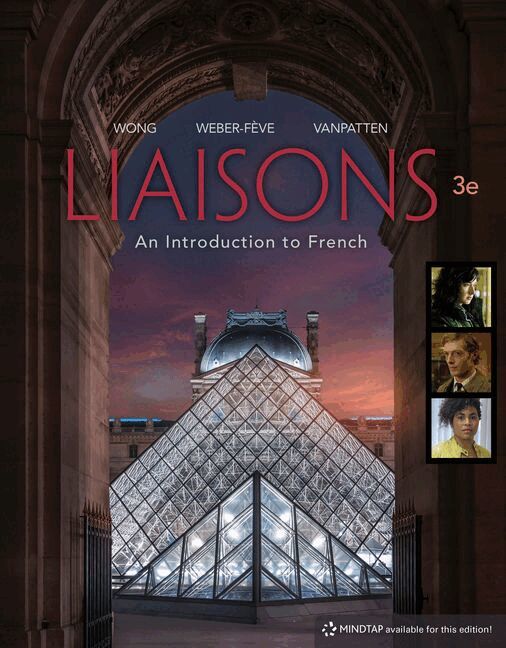
Liaisons, Student Edition
Wynne Wong, Stacey Weber-Fève, Bill VanPatten, Anne Lair
1 012 kr
Form-Meaning Connections in Second Language Acquisition
Bill VanPatten, Jessica Williams, Susanne Rott, Mark Overstreet
2 166 kr
Du kanske också är intresserad av
Asi Lo Veo: Gente, Perspectivas, Comunicacion with Quia Wblm Access Card
Michael Leeser, Bill VanPatten
4 772 kr
Theories in Second Language Acquisition
Bill VanPatten, Gregory D. Keating, Stefanie Wulff
731 kr
Audio CD Program part 1 for SOL Y VIENTO
Bill VanPatten, Michael Leeser, Gregory D. Keating, Tony Houston
1 127 kr
Theories in Second Language Acquisition
Bill VanPatten, Gregory D. Keating, Stefanie Wulff
2 027 kr
Asi Lo Veo: Gente, Persptectivas, Comunicacion with Quia Wblm and eBook Access Card
Michael Leeser
6 276 kr
Explicit and Implicit Learning in Second Language Acquisition
Bill VanPatten, Megan Smith
241 kr
Encore Intermediate French, Student Text
Wynne Wong, Stacey Weber-Fève, Anne Lair, Bill VanPatten
1 693 kr
Key Questions in Second Language Acquisition
Bill VanPatten, Megan Smith, Alessandro G. Benati
358 kr