OpA(c)ra de salon
Parisian Societies and Spaces in the Second Empire
E-bok
PDF, Engelska, 2025944 kr
Läs direkt i Bokus Reader – eller ladda ned till din enhet (PDF kräver ofta zoom och scroll på små skärmar).
Fler format och utgåvor
Beskrivning
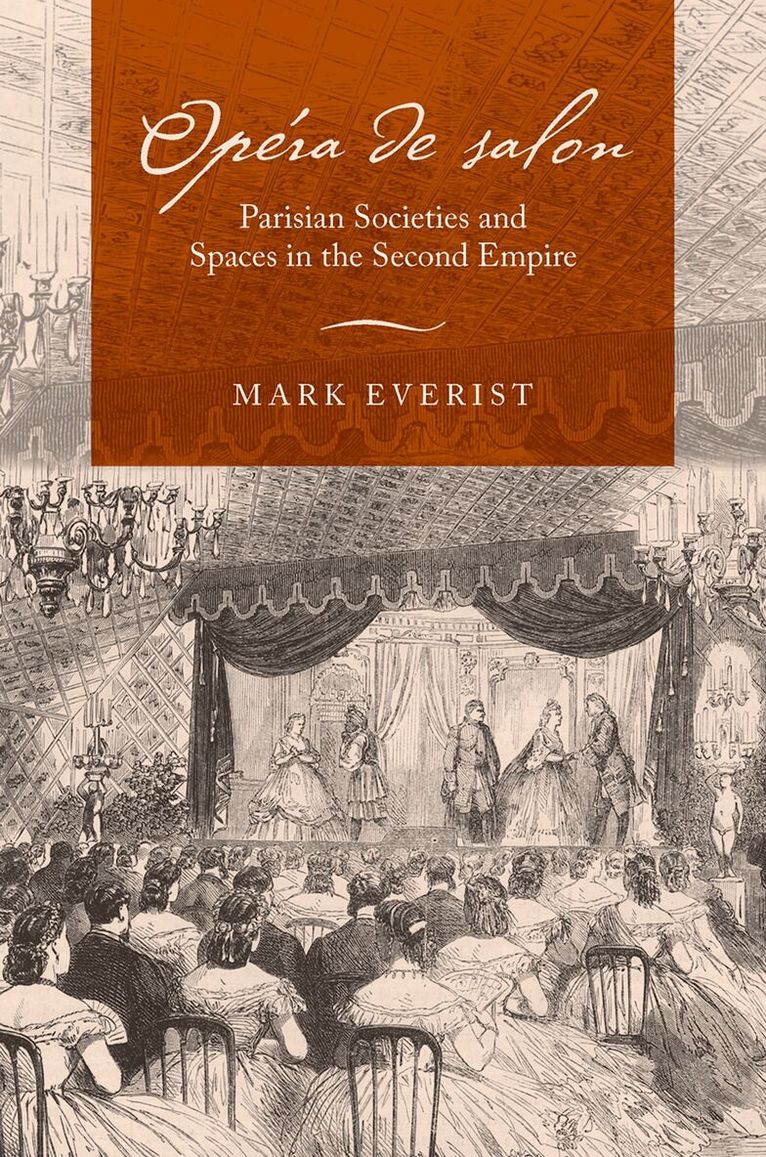
OpA(c)ra de salon emerged in the early 1850s out of a much longer tradition of thA(c)A tre de sociA(c)tA(c): the cultivation of performing plays in aristocratic town houses and chA teaux which continued into the Second Empire of the 1850s and 1860s, and beyond. It consisted of a one-act opA(c)rette with between six and nine musical compositions separated by spoken dialogue that carried the action in the same way as opA(c)ra-comique or opA(c)rette itself. OpA(c)ra de salon was separated from opA(c)rette and related genres by its performance context: never shared with the regulated theatre, opA(c)ra de salon was cultivated in domestic living spaces that were repurposed in ways that ranged from simply pushing back the furniture to building a fully-fledged theatre in one's own home. OpA(c)ra de salon furthermore found its way into the concert culture hosted by Parisian piano manufacturers Herz, Erard, Pleyel, and others.In OpA(c)ra de salon: Parisian Societies and Salons in the Second Empire, author Mark Everist brings to light a genre and a set of cultural practices that have long been obscured. Approximately 130 opA(c)ras de salon were composed and performed up to ca. 1875, and, as Everist demonstrates, they represent a significant generic trajectory in the history of nineteenth century music and theatre. Produced by major composers and librettists of the day, these works play into questions of gender, age, and urban topography in ways unlike other musical and theatrical genres of the day. Everist's focus is on the salon--the domestic, the private--but he also shows how opA(c)ra de salon moves effortlessly between intimate familial space, the more public salon, to the public and largely commercial concert hall in ways that prompt reflection on the status of all these critical categories. Ultimately, Everist challenges the hermetic discipline of 'opera studies' by opening up massive repertories that are still unknown, and by developing critical practices that go beyond traditional categories of theatres, institutions, consumers, and creators.
Produktinformation
Utforska kategorier
Hoppa över listan
Mer från samma författare
The Cambridge History of Medieval Music 2 Volume Hardback Set
Mark Everist, Thomas Forrest Kelly
4 254 kr