653 kr
Beställningsvara. Skickas inom 3-6 vardagar. Fri frakt över 249 kr.
Beskrivning
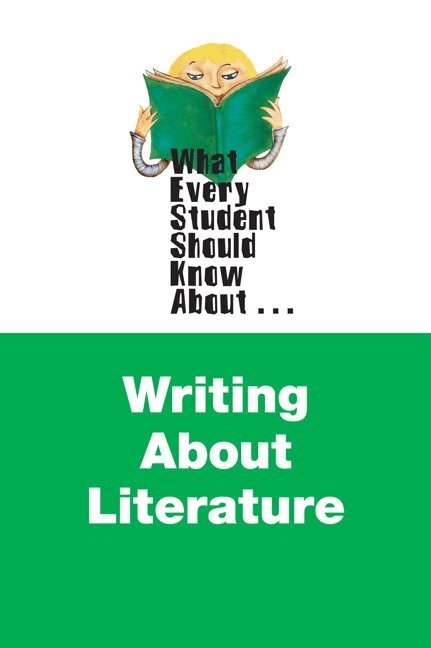
What Every Student Should Know About Writing About Literature walks students through the process of reading, analyzing, and writing about literary works. The text opens with a brief chapter that defines imaginative literature; then follows a student as he completes a writing assignment on Guy de Maupassant's "The Necklace" (the story is included in the text). Featuring samples of student work at all stages of the writing process, the text covers reading actively, note-taking, pre-writing, finding and narrowing a topic, drafting the essay, developing thesis statements and topic sentences, using verb tenses properly when writing about literature, building and supporting literary arguments, revising and editing the essay, quoting from literary sources, and documenting in MLA style.
Produktinformation
- Utgivningsdatum:2012-02-17
- Mått:10 x 10 x 10 mm
- Vikt:136 g
- Format:Häftad
- Språk:Engelska
- Antal sidor:88
- Förlag:Pearson Education (US)
- ISBN:9780205236558
Utforska kategorier
Innehållsförteckning
- Chapter 1: What Is Literature and Why Do We Study It? Types of Literature Chapter 2: Reading Literature and Responding to It Actively Guy de Maupassant, The Necklace Reading and Responding in a Computer File or Notebook Guidelines for Reading: Preparation for Writing Sample Notebook or Journal Entries on Maupassant’s “The Necklace” Chapter 3: Discovering Ideas The Goal of Writing: To Show a Process of Thought Discovering Ideas (“Brainstorming”) Study the Characters in the Work The Need for a Sound Argument in Writing about Literature Determine the Work’s Historical Period and Background Analyze the Work’s Economic and Social Conditions Explain the Work’s Major Ideas Describe the Work’s Artistic Qualities Explain Any Other Approaches That Seem Important Chapter 4: Preparing to Write Build Ideas from Your Original Notes Trace Patterns of Action and Thought Raise and Answer Your Own Questions Put Ideas Together Using a Plus-Minus, Pro-Con, or Either-Or Method Originate and Develop Your Thoughts Through Writing Chapter 5: Make an Initial Draft of Your Essay Base Your Essay on a Central Idea, Argument, or Statement Create a Thesis Sentence as Your Guide to Organization Begin Each Paragraph with a Topic Sentence Use Your Topic Sentences as Arguments for Your Paragraph Development Referring to the Names of Authors Select Only One Topic —No More— for Each Paragraph Develop an Outline as the Means of Organizing Your Essay Use Your Outline When Developing Your Essay Illustrative Essay (First Draft) Chapter 6: Completing the Essay: Developing and Strengthening Your Ideas Through Revision Make Your Own Arrangement of Details and Ideas Use Details from the Work as Evidence to Support Your Argument Always Keep to Your Point; Stick to It Tenaciously Try to Be Original Write with Specific Readers as Your Intended Audience The Use of Verb Tenses in the Discussion of Literary Works Use Exact, Comprehensive, and Forceful Language Illustrative Essay (Improved Draft) A Summary of Guidelines Chapter 7: A Short Guide to Using Quotations and Making References in Essays about Literature Integrate Passages and Ideas into Your Essay Distinguish Your Own Thoughts from Those of Your Author Integrate Material by Using Quotation Marks Blend Quotations into Your Own Sentences Indenting and Blocking Long Quotations Use Ellipses to Show Omissions Use Square Brackets to Enclose Words That You Add within Quotations Do Not Overquote Appendix: Documenting Your Work in MLA Style
Hoppa över listan


Du kanske också är intresserad av
- Signerad!
- -30%
- Signerad!
Del 3
- -22%
Del 1
- Signerad!
Del 7
- Nyhet
Hjärnans akilleshälar : hur din hjärna lurar dig, och vad du kan göra åt det
Anders Hansen
Inbunden
289 kr
- -30%
Del 1