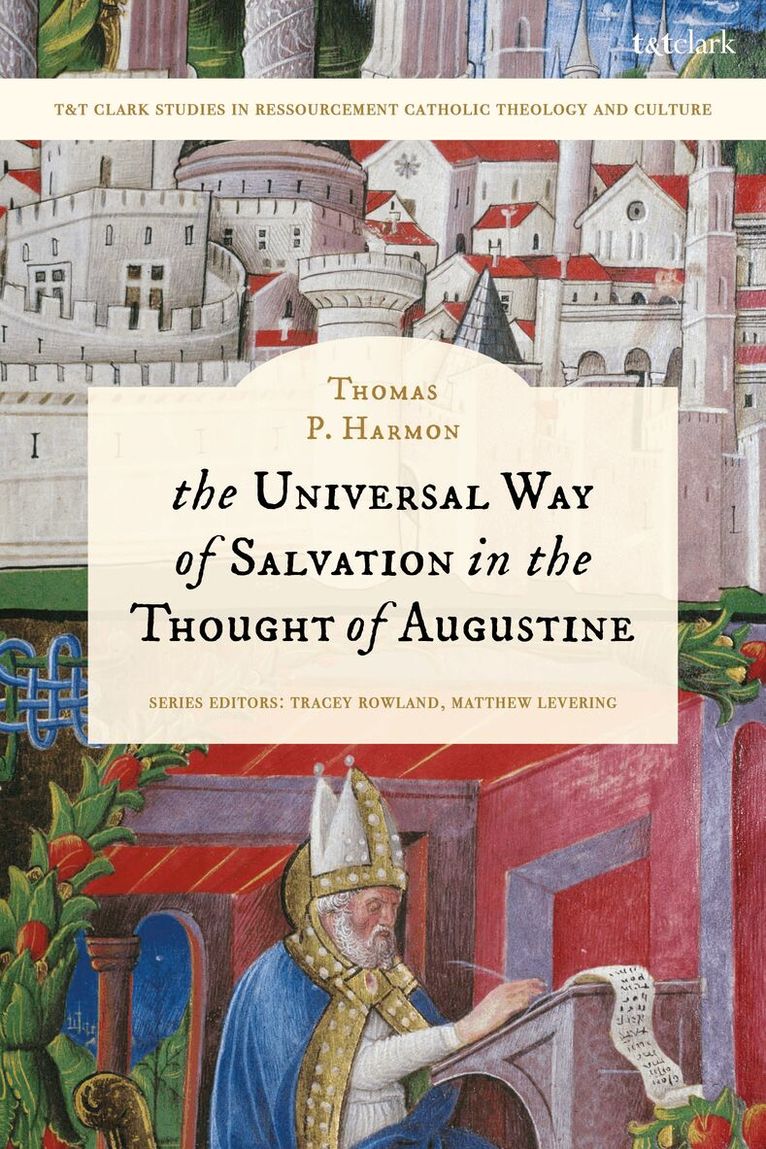
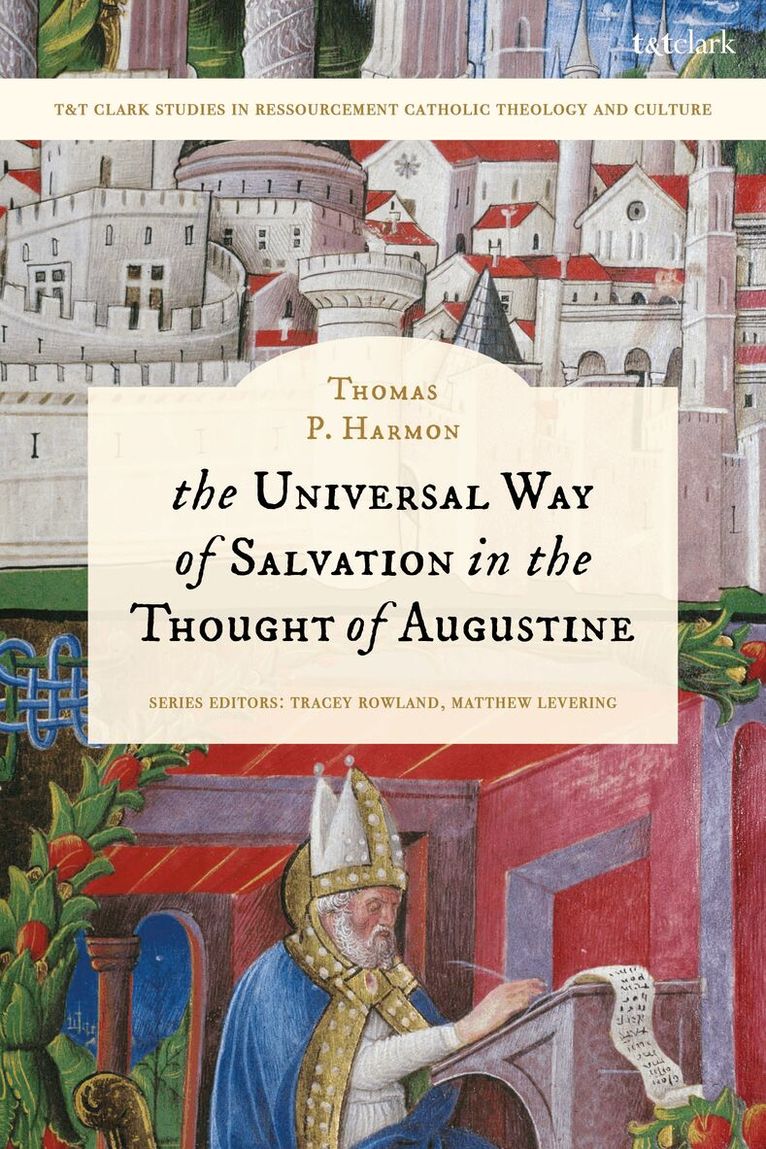
Through a fresh reading of the French Catholic philosopher Maurice Blondel, this book confronts a fundamental theological and philosophical problem: how an infinite God can be united to finite human beings without bringing about their annihilation.Unusually for his time, Blondel is presented as undertaking a proto-ressourcement of ascetic themes drawn from the mystical tradition. This recovery enables him to articulate a robust yet intricate realism that avoids the dangers posed by two competing, annihilative visions of personhood: absorption into nothingness, exemplified by Arthur Schopenhauer, and absorption into the infinite, exemplified by Baruch Spinoza.Pritz-Bennett locates Blondel’s philosophy of action between two extremes: the nothingness of creatures and their absolute identity with God. She asks how divine–human union can be possible without finite beings ceasing to be themselves and argues that Blondel’s answer lies in a reciprocal abnegation of the human and the divine,; this is a proposal that calls for a renewed assessment of the value of ascesis within finite life.