Inbunden, Engelska, 2026
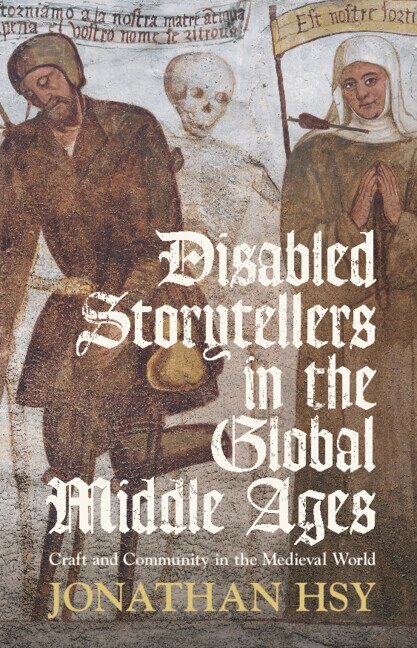
Disabled Storytellers in the Global Middle Ages
Av Jonathan Hsy
524 kr
Kommande
Beskrivning
What can disability teach us about knowledge, art, and community? Jonathan Hsy explores this question through medieval writings, bringing their authors' voices into conversation with crip theory and activist-oriented disability studies. Discussing major European writers Julian of Norwich, Margery Kempe, Thomas Hoccleve, John Gower, and Teresa de Cartagena - alongside non-European authors Ibn Battuta, Bai Juyi, and Shangguan Wan'er - Hsy reveals the remarkable global variety of disability life writing in the period. Across genres - spiritual visions, lyric poetry, and travel narratives - medieval authors craft inventive ways to theorize their own experiences of blindness, deafness, mobility, aging, and mental and chronic illness. Challenging social stigma and systems of marginalization, these writers offer - Hsy shows - compelling insights into language, time, gender, and bodies in perpetual transformation. Their voices from the past remain urgent today, teaching us about the dynamic relationship between mind, body, and spirit, and the power of storytelling to create social change.
Produktinformation
- Utgivningsdatum: 2026-09-03
- Format: Inbunden
- Språk: Engelska
- Antal sidor: 292
- Förlag: Cambridge University Press
- ISBN: 9781009729956
Utforska kategorier
Betyg & recensioner
0 recensioner
Inga recensioner tillgängliga.