Inbunden, Engelska, 2026
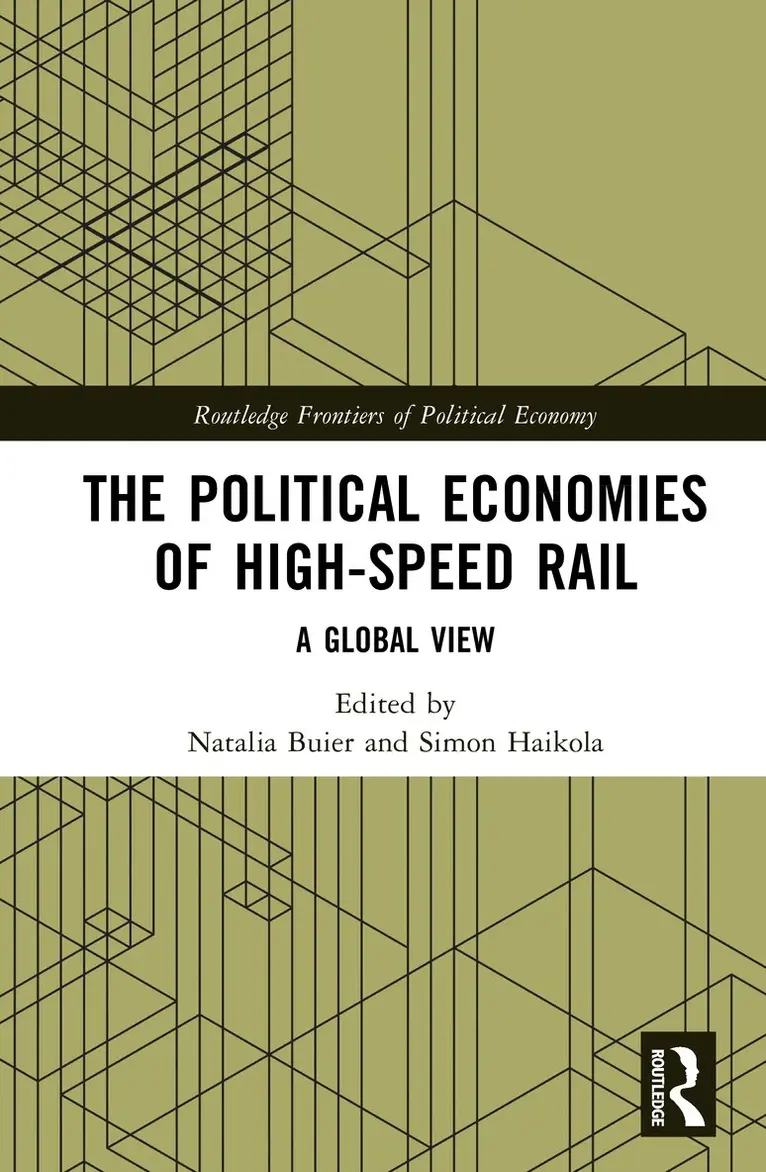
Political Economies of High-Speed Rail
Av Simon Haikola, Natalia Buier
2510 kr
Beställningsvara. Skickas inom 10-15 vardagar. Fri frakt över 249 kr.
Beskrivning
High-speed rail (HSR) is the object of conflicting assessments. It is simultaneously viewed as modern, backwards, progressive, conservative, green, unsustainable, disruptive and path-dependent.This volume takes as its starting point the heterogeneous appraisal of contemporary high speed rail development and unpacks it in order to reveal the diversity of processes and relations out of which HSR projects are born. Moving beyond narrow economic investigations, the broad range of national case studies – from France to China and the US to Morocco - situate HSR planning in the wider political-economic context within which it takes place. Each chapter provides an in-depth study of a national HSR project, placed within multiscalar historical-geographic configurations. The comparative view offered by this volume challenges inherited assumptions about the development of contemporary infrastructure and shows that the analysis of HSR can provide broader insights into state-led planning and market-based governance.The book is important reading for those interested in the political economy and financialisation of infrastructure, sustainable transition, critical geography and ethnography.
Produktinformation
- Utgivningsdatum: 2026-09-17
- Mått: 156 x 234 x 16 mm
- Vikt: 620 g
- Format: Inbunden
- Språk: Engelska
- Serie: Routledge Frontiers of Political Economy
- Antal sidor: 234
- Förlag: Taylor & Francis Ltd
- ISBN: 9781032961415
Utforska kategorier
Betyg & recensioner
0 recensioner
Inga recensioner tillgängliga.