Inbunden, Engelska, 2016
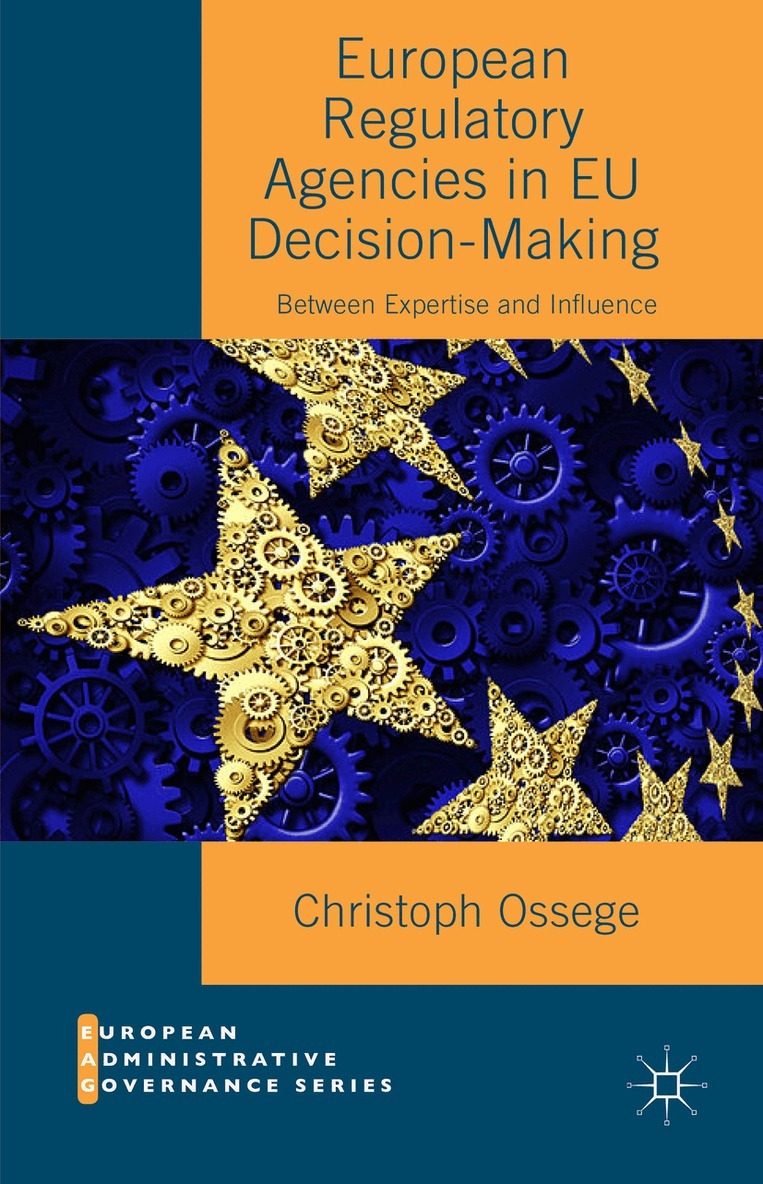
European Regulatory Agencies in EU Decision-Making
552 kr
Beställningsvara. Skickas inom 10-15 vardagar. Fri frakt över 249 kr.
Beskrivning
European Regulatory Agencies (ERAs) have become increasingly important features in EU decision-making. They aim to provide expert advice independent of political or economic considerations. This book explains whether and under what conditions ERAs comply with this scientific mandate. Expanding on rational institutionalism, Ossege provides novel insights into the behaviour of ERAs, their autonomy from 'undue' external influence, and their impact on EU policy-making. The empirical comparison of three major ERAs - the European Medicines Agency, the European Food Safety Authority, and the European Chemicals Agency - not only shows that agencies capitalise on their expertise and rule-making competences to protect their autonomy. Rather, in making strategic use of their expertise, the ERAs also guard their autonomy in areas of high political salience, though their policy influence in these areas is partially circumscribed. Based on these insights, European Regulatory Agencies in EU Decision-Making locates its subject in the wider system of European Governance and considers the perennial question of how to reconcile the need for expert advice with democratic decision-making.
Produktinformation
- Utgivningsdatum: 2016-01-06
- Mått: 140 x 216 x 20 mm
- Vikt: 434 g
- Format: Inbunden
- Språk: Engelska
- Serie: European Administrative Governance
- Antal sidor: 227
- Upplaga: 16001
- Förlag: Palgrave Macmillan
- ISBN: 9781137517890
Utforska kategorier
Betyg & recensioner
0 recensioner
Inga recensioner tillgängliga.