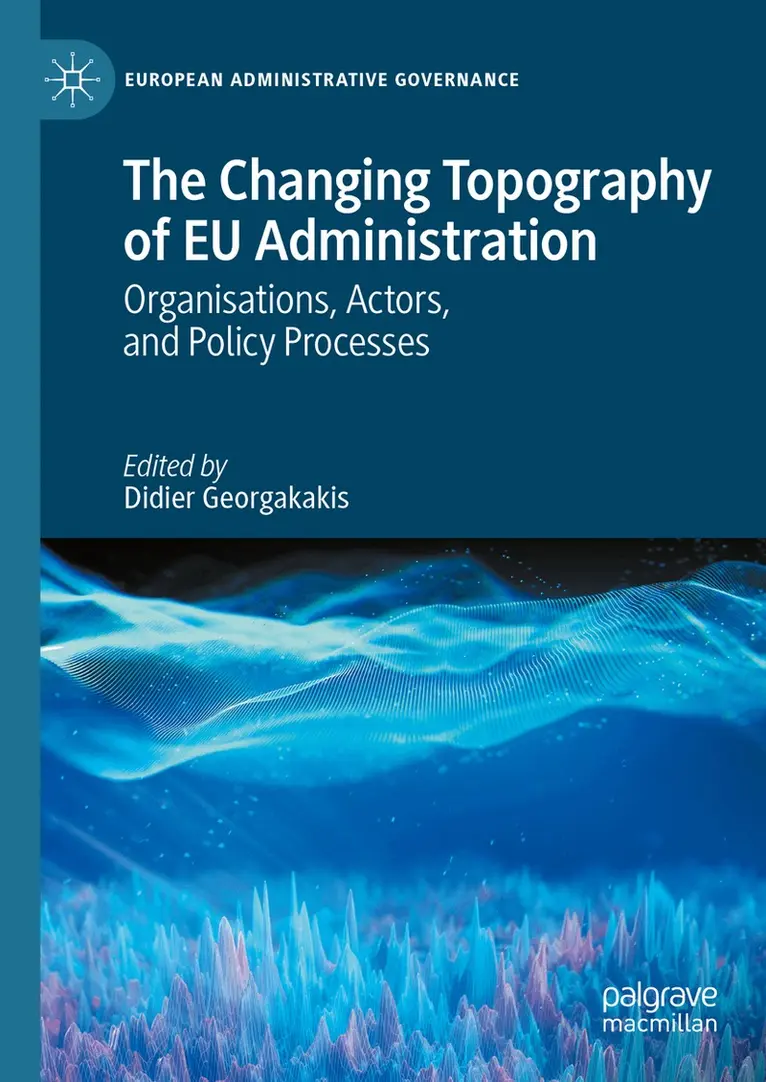
Inbunden, Engelska, 2024
Changing Topography of EU Administration
1639 kr
Beställningsvara. Skickas inom 10-15 vardagar. Fri frakt över 249 kr.
Beskrivning
This book examines the ways in which the European Union’s administrative structures have changed over the last decade in response to several significant political events, including Brexit, the refugee crisis, and the Covid-19 pandemic. Whilst much has been written about the responses to these events at both national and European level, less attention has been given to the internal transformations they have brought about within the EU’s institutions. Multidisciplinary in approach, the book brings together leading scholars to assess the ways in which key organizations such as the European Council, the European Parliament and the European Central Bank have changed over the last ten years. It also throws light on the impact these events have had on policy actors within the EU administrative system, as well as its policy processes. It will appeal to all those interested in European public administration, political sociology, European politics, and EU studies.
Produktinformation
- Utgivningsdatum: 2024-12-26
- Mått: 148 x 210 x 30 mm
- Vikt: 669 g
- Format: Inbunden
- Språk: Engelska
- Serie: European Administrative Governance
- Antal sidor: 435
- Förlag: Springer International Publishing AG
- ISBN: 9783031646942
- Originaltitel: ‘Les transformations du champ administratif européen (2015-2021), I. Théorie et Organisations’, and ‘Les transformations du champ administratif européen (2015-2021), II. Acteurs et Instruments’.
Utforska kategorier
Betyg & recensioner
0 recensioner
Inga recensioner tillgängliga.