Häftad, Engelska, 2026
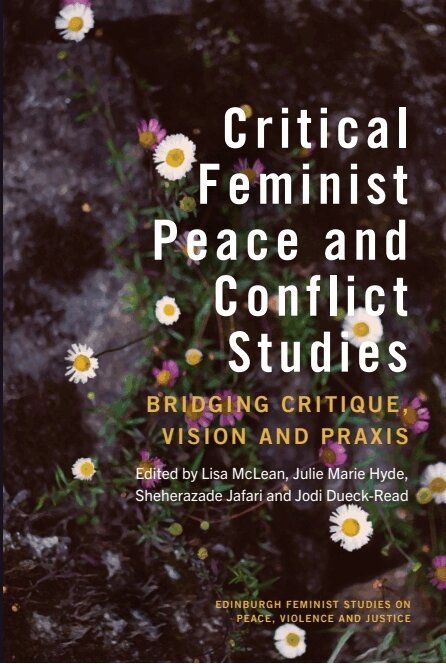
Critical Feminist Peace and Conflict Studies
Av Lisa McLean, Julie Marie Hyde, Sheherazade Jafari, Jodi Dueck-Read
252 kr
Skickas torsdag 22/10. Fri frakt över 249 kr.
Beskrivning
This volume advances a vision of what Peace and Conflict Studies (PACS) might look like if critical feminist theories moved to the centre of our analyses.This book charts a course from the critique of the patriarchal, colonial, and liberal power structures that exacerbate violence, to presenting a vision of feminist alternatives and the application of feminist insights for research, pedagogy and praxis. The chapters draw from critical feminist theories to illuminate actors, sites of struggle, forms of violence and pathways to peace that have previously been neglected in Peace and Conflict Studies literature.Empirical and theoretical contributions explore topics including religious women's activism, critical views on 'women’s empowerment', sexual and gender-based violence, grassroots pro-migrant movements, embodied and affective practices of peace, research ethics, and intersectional, queer and anti-imperialist pedagogies. The book enriches our understanding of everyday dynamics of conflict and gives us new ways for building peace with justice.
Produktinformation
- Utgivningsdatum: 2026-10-31
- Mått: 156 x 234 x undefined mm
- Format: Häftad
- Språk: Engelska
- Serie: Edinburgh Feminist Studies on Peace, Violence and Justice
- Antal sidor: 232
- Förlag: Edinburgh University Press
- ISBN: 9781399543224
Betyg & recensioner
0 recensioner
Inga recensioner tillgängliga.