inFormative Assessment
When It's Not About a Grade
AvRobin J. Fogarty,Gene M. Kerns
Del i serien In A Nutshell Series
564 kr
Beställningsvara. Skickas inom 3-6 vardagar. Fri frakt över 249 kr.
Beskrivning
Use assessment as a powerful tool to inform instruction and learning!
With practical, informed assessment techniques, you can increase your instructional effectiveness and demonstrate improvements in student learning. This research-based book, part of the In A Nutshell series, provides a succinct yet substantive discussion about formative assessments and how they impact the teaching/learning cycle. The authors present results-oriented methods, offer invaluable tips, and examine three types of inFormative assessments:
- Routine inFormative Assessments to weave into everyday instruction
- Reflective inFormative Assessments to foster self-assessment for students and teachers
- Rigorous inFormative Assessments to provide continuous tools that inform teaching practices and student learning
Produktinformation
- Utgivningsdatum:2009-12-08
- Mått:152 x 228 x 9 mm
- Vikt:230 g
- Format:Häftad
- Språk:Engelska
- Serie:In A Nutshell Series
- Antal sidor:136
- Upplaga:1
- Förlag:SAGE Publications
- ISBN:9781412975421
Utforska kategorier
Mer om författaren
Robin Fogarty is President of RFA: A Robin Fogarty Company, a Chicago-based, minority-owned, educational publishing/consulting company. Robin received her doctorate in curriculum and human resource development from Loyola University of Chicago. A leading proponent of the thoughtful classroom, Robin has trained educators throughout the world in curriculum, instruction and assessment strategies.She has taught at all levels, from kindergarten to college, served as an administrator, and consulted with state departments and ministries of education in the United States, Puerto Rico, Russia, Canada, Australia, New Zealand, Germany, Great Britain, Singapore, South Korea, the Netherlands, the Kingdom of Bahrain and Saudi Arabia. Robin has published articles in Educational Leadership, Phi Delta Kappan, The Journal of Staff Development and The Middle School Lournal. She is the author of numerous publications, including Brain-Compatible Classrooms, Literacy Matters, Ten Things New Teachers Need, How to Integrate the Curricula, The Adult Learner, A Look at Transfer, Close the Achievement Gap, Twelve Brain Principles, Nine Best Practices, and From Staff Room to Classroom: Planning and Coaching Professional Learning, How to Teach Thinking Skills Within the Common Core: 7 Key Student Proficiencies of the New National Standards, Invite! Excite! Ignite! 13 Principles for Teaching, Learning and Leading K-12 classroomsRobin received her Bachelor of Arts in Early Childhood Education at SUNY, Potsdam, NY, and her Masters in Instructional Strategies from National Louis University in Evanston, IL. She is known as the teachers’ teacher and has mentored numerous colleagues in the art and science of working with the adult learner. She brings a wealth of knowledge and passion to all endeavors, has a wealth of knowledge in the field and conducts highly interactive PD sessions.A third-generation educator with teaching experience from elementary through the university level, in addition to K-12 administrative experience, Gene Kerns serves as vice president of training and certification for Renaissance Learning, Inc. With more than a decade of experience in leading professional development sessions, as well as taking on the role of presenter at national and international conferences, Kerns has knowledge and know-how of the adult learner. In addition, he has the experience to work across the generations with a genuine quality that is laced with anecdotes, humor, and heartfelt passion. Former clients include the New York State Unified Teachers, New Jersey Principals′ Association, Illinois Coalition of Essential Schools, and the Ministry of Education of Singapore. Kerns received his bachelor’s and master′s degrees from Longwood College in Virginia. He also holds a doctor of education degree from the University of Delaware, with an emphasis in education leadership. Informative Assessment: When It’s Not About a Grade is Kerns′ first publication.
Recensioner i media
"Fogarty and Kerns provide far more than theory and rhetoric—they have effectively created a treasure trove of tools and ideas that every teacher can and should be using. This is a wonderful resource for mentors, instructional coaches, administrators, and professional development trainers."
Innehållsförteckning
- PrefaceAcknowledgmentsAbout the AuthorsOpening QuoteIntroductionPart I: Purpose/GoalsPart II: "A Suite of Assessments"Part III: Background/ResearchPart IV: Overview of the Book and Chapter Format1. Routine Formative Assessments: All Day, Everyday-FlowTeachingsScene of Scenario (for Reader′s Theater Activity)Define, Describe, and Give Real-World ExamplesToolsResponders/"2Know!"Lap BoardsTraffic Light CardsColor-Coded Multiple Choice CardsTongue DepressorsName CardsMr. Parnes′ QuestionsMr. Pete′s QuestionsTechniquesQuestioning ProceduresPose QuestionAllow Wait TimeChoose a Respondent Using a Random MethodProvide Some "Save Face" OptionHOT QuestionsDelvingWoven QuestionsRhetorical QuestionsHands Up Only to Ask a Question PolicyCooperative Learning (Informal)TTYPAShoulderElbowTESAWait TimeEqual Opportunity to RespondUnpacking the Language of Standards/Tests/InstructionsTasksTips2. Reflective Informative Assessments: Many Days-ConversationsTeachingsScene or Scenario (for Reader′s Theater)Define, Describe, and Give Real-World ExamplesToolsAgree/DisagreePeople SearchHuman GraphRubrics/Checklists (Criteria in Kid-Friendly Terms)JournalsLittle Book of Reflective ToolsStep BookCooperative Learning Roles and ResponsibilitiesPeer TutorsPMITraffic Light IndicatorsStudent PortfoliosBlogsTear ShareMagic BookMrs. Potters′ QuestionsMs. Poindexter′s QuestionsTechniquesRange Finding Questions (Prior Knowledge)Hinge Point Questions (During Instruction)Rubric Development With the ClassUse of Benchmark PapersDescriptive FeedbackReflective Questions (Metacognition)Peer Assessment (Peer Editing)Cooperative LearningInteractive ConversationsTeacher - Student/Student - TeacherStudent - StudentStudent - SelfEmail BuddiesComments That Reference Criteria, Instead of Grades"There Are _ Wrong. Find Which Ones."Focused Marking (One Aspect of Element)Grading: Omit Zeros, Omit Averages, Require Students to Do Missing AssignmentsTasksTips3. Rigorous Informative Assessments: Some Days - Philosophical ShiftTeachingsScene or Scenario (for Reader′s Theater)Define, Describe, and Give Real-World ExamplesToolsPerformance TasksPerformance ChecklistsPerformance RubricsGrading PracticesInformative GradingInformative Grade BookGray Area About Grade BooksStandards-Based Grade BooksColor-Coded Grade BooksElectronic Grade BookElectronic Test Creation SoftwareTechniquesHOTInductiveDeductivePerformance BasedTests, Test Questions, Test AnalysisUngraded Practice TestDeveloping Test QuestionsTest Questions: Fat/Skinny (or Whale/Minnow) QuestionsTest and Work Analysis: Examining Student WorkSummative Assessment as Informative AssessmentPhilosophical Shift, Between Formative and Summative AssessmentsHow Can You Use a Summative Assessment in a Formative Manner?DataItem AnalysisRobust DistractorsTasksApplication ActivityTips4. ClosureAttribution Theory (Dweck, 2007)AfterwordTomlinson Summary PointsReferencesIndex
Mer från samma författare
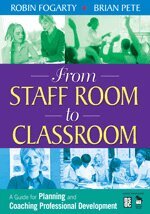
From Staff Room to Classroom
Robin J. Fogarty, Brian Pete, Robin J Fogarty, Robin J. Fogarty, Brian Mitchell Pete
1 101 kr