
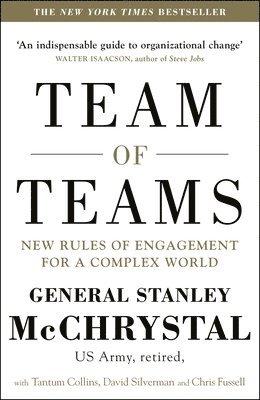
Team of Teams
General Stanley McChrystal, David Silverman, Tantum Collins, Chris Fussell
Häftad, 2015
137 kr
2 789 kr
Beställningsvara. Skickas inom 3-6 vardagar. Fri frakt över 249 kr.
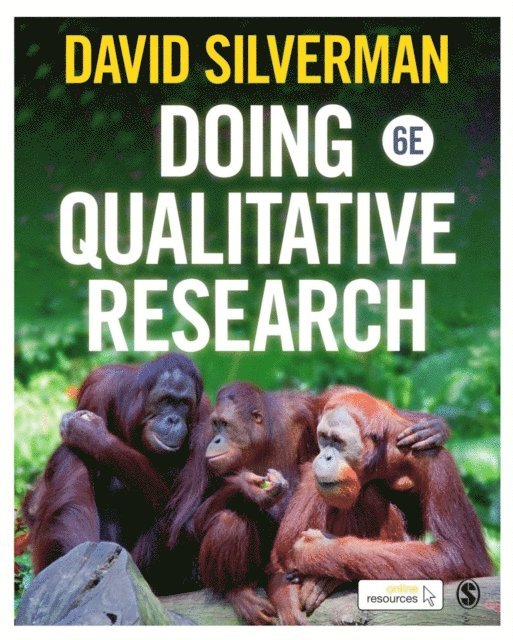
Need practical advice on how to do your first qualitative research project? This book will guide you through each step of the research process: from brainstorming ideas and working with your supervisor to navigating the field to writing up your results.
Driven by examples from other students’ projects, the book features discussions on translating social problems into research topics, collecting data in the wake of a pandemic, and guidance from Qualitative Data Analysis Software expert Christian Schmieder to help you summarise, categorise, and review qualitative data. A new chapter on how much data you need answers the age-old question: ‘how many interviews or case studies are enough?’
It also includes:
- Articles and websites to build your bibliography
- Questions to test your knowledge
- Videos from world-leading qualitative experts
- Activities to dig deeper into key concepts and think critically about research
- Lessons-learned discussions with other researchers
- Exercises to help you choose the right path for your project.
Key features: in addition to the online Silverman Workshops, the book includes top tips, end-of-chapter checklists to test your understanding, and annotated further reading so you can develop your knowledge further.
General Stanley McChrystal, David Silverman, Tantum Collins, Chris Fussell
Häftad, 2015
137 kr
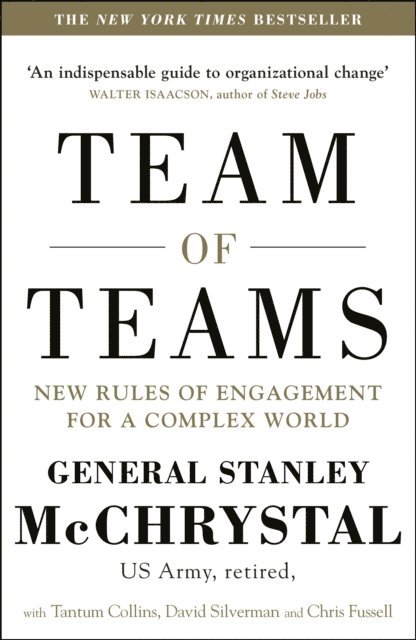
General Stanley McChrystal, David Silverman, Tantum Collins, Chris Fussell
105 kr
Chris Fussell, Tantum Collins, David Silverman, General Stanley McChrystal
150 kr









2 789 kr
Beställningsvara. Skickas inom 3-6 vardagar. Fri frakt över 249 kr.
Need practical advice on how to do your first qualitative research project? This book will guide you through each step of the research process: from brainstorming ideas and working with your supervisor to navigating the field to writing up your results.
Driven by examples from other students’ projects, the book features discussions on translating social problems into research topics, collecting data in the wake of a pandemic, and guidance from Qualitative Data Analysis Software expert Christian Schmieder to help you summarise, categorise, and review qualitative data. A new chapter on how much data you need answers the age-old question: ‘how many interviews or case studies are enough?’
It also includes:
- Articles and websites to build your bibliography
- Questions to test your knowledge
- Videos from world-leading qualitative experts
- Activities to dig deeper into key concepts and think critically about research
- Lessons-learned discussions with other researchers
- Exercises to help you choose the right path for your project.
Key features: in addition to the online Silverman Workshops, the book includes top tips, end-of-chapter checklists to test your understanding, and annotated further reading so you can develop your knowledge further.
General Stanley McChrystal, David Silverman, Tantum Collins, Chris Fussell
Häftad, 2015
137 kr
General Stanley McChrystal, David Silverman, Tantum Collins, Chris Fussell
105 kr
Chris Fussell, Tantum Collins, David Silverman, General Stanley McChrystal
150 kr
2 789 kr
Beställningsvara. Skickas inom 3-6 vardagar. Fri frakt över 249 kr.
Need practical advice on how to do your first qualitative research project? This book will guide you through each step of the research process: from brainstorming ideas and working with your supervisor to navigating the field to writing up your results.
Driven by examples from other students’ projects, the book features discussions on translating social problems into research topics, collecting data in the wake of a pandemic, and guidance from Qualitative Data Analysis Software expert Christian Schmieder to help you summarise, categorise, and review qualitative data. A new chapter on how much data you need answers the age-old question: ‘how many interviews or case studies are enough?’
It also includes:
- Articles and websites to build your bibliography
- Questions to test your knowledge
- Videos from world-leading qualitative experts
- Activities to dig deeper into key concepts and think critically about research
- Lessons-learned discussions with other researchers
- Exercises to help you choose the right path for your project.
Key features: in addition to the online Silverman Workshops, the book includes top tips, end-of-chapter checklists to test your understanding, and annotated further reading so you can develop your knowledge further.
General Stanley McChrystal, David Silverman, Tantum Collins, Chris Fussell
Häftad, 2015
137 kr
General Stanley McChrystal, David Silverman, Tantum Collins, Chris Fussell
105 kr
Chris Fussell, Tantum Collins, David Silverman, General Stanley McChrystal
150 kr