Inbunden, Engelska, 2019
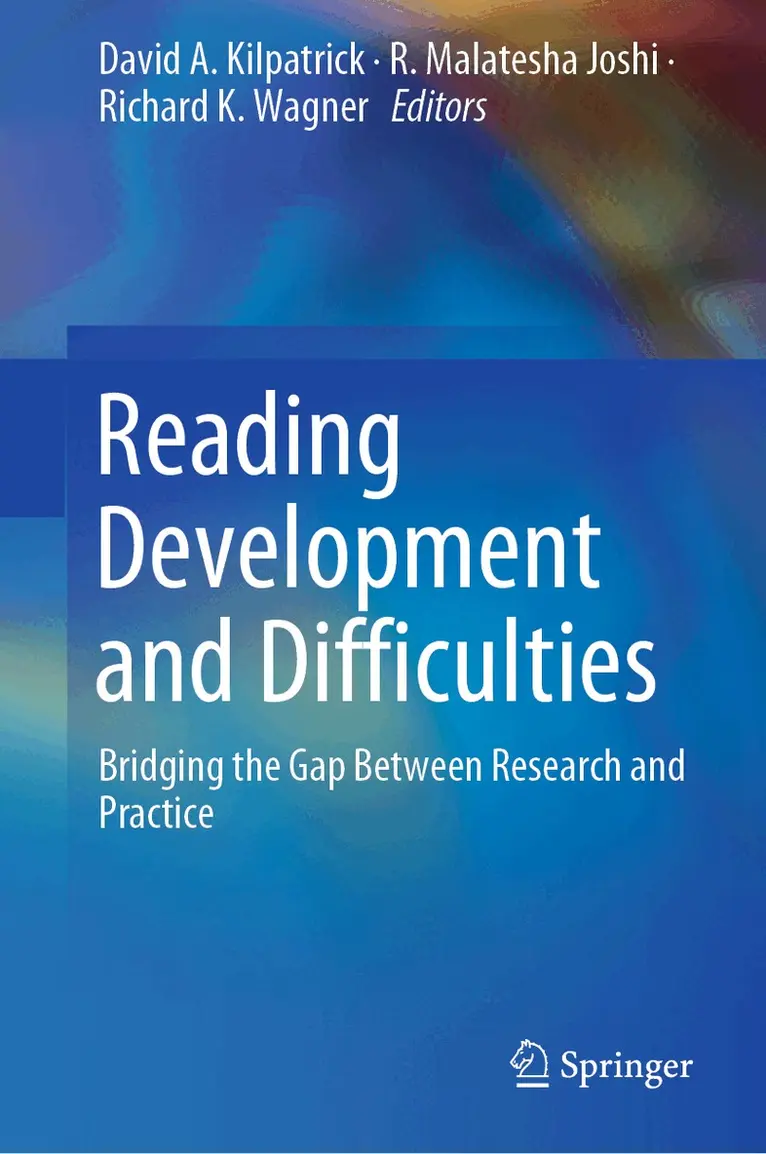
Reading Development and Difficulties
Av David A. Kilpatrick, R. Malatesha Joshi, Richard K. Wagner
1594 kr
Beställningsvara. Skickas inom 10-15 vardagar. Fri frakt över 249 kr.
Beskrivning
This book provides an overview of current research on the development of reading skills as well as practices to assist educational professionals with assessment, prevention, and intervention for students with reading difficulties. The book reviews the Componential Model of Reading (CMR) and provides assessment techniques, instructional recommendations, and application models. It pinpoints specific cognitive, psychological, and environmental deficits contributing to low reading skills, so educators can accurately identify student problems and design and implement appropriate interventions. Chapters offer methods for assessing problems in decoding, word and sound recognition, and comprehension. In addition, chapters emphasize the recognition of student individuality as readers and learners, from understanding distinctions between difficulties and disabilities to the effects of first-language orthography on second-language learning.Topics featured in this book include:Learning the structure of language at the word level.Reading comprehension and reading comprehension difficultiesAssessing reading in second language learners.Effective prevention and intervention for word-level reading difficulties.The neurobiological nature of developmental dyslexia. Reading Development and Difficulties is a must-have resource for researchers, practitioners, and graduate students in varied fields, including child and school psychology; assessment, testing, and evaluation; social work; and special education."I think the book has the potential to be a game changer. It will certainly challenge the expectations of policy makers, not to mention the teachers of beginning readers. These chapters will enhance the knowledge base of those in our schools who are charged with the lofty task of assuring that children have the best possible opportunitiesto acquire the skill of reading.”Sir Jim RoseChair and author of Independent Review of the Teaching of Early Reading: Final Report (2006)
Produktinformation
- Utgivningsdatum: 2019-10-05
- Mått: 155 x 235 x 22 mm
- Vikt: 554 g
- Format: Inbunden
- Språk: Engelska
- Antal sidor: 272
- Förlag: Springer Nature Switzerland AG
- ISBN: 9783030265496
Utforska kategorier
Betyg & recensioner
0 recensioner
Inga recensioner tillgängliga.