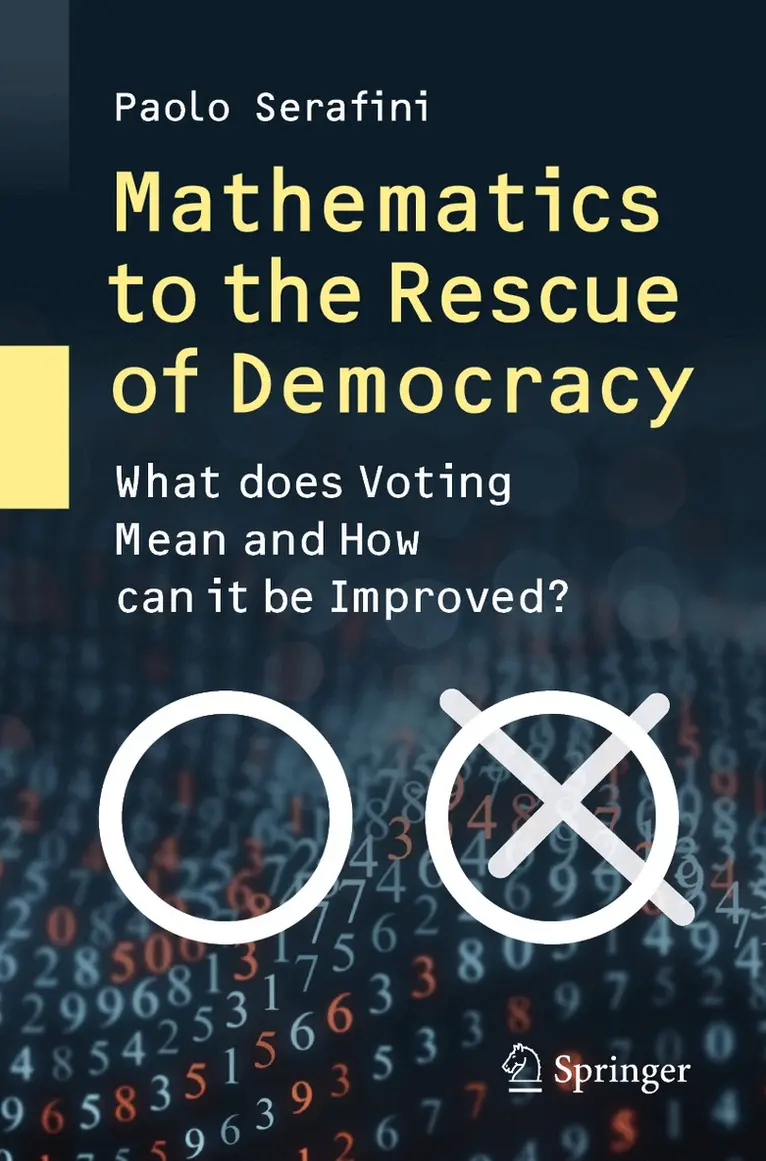
Häftad, Engelska, 2020
Mathematics to the Rescue of Democracy
236 kr
Skickas tisdag 27/10. Fri frakt över 249 kr.
Beskrivning
This book explains, in a straightforward way, the foundations upon which electoral techniques are based in order to shed new light on what we actually do when we vote. The intention is to highlight the fact that no matter how an electoral system has been designed, and regardless of the intentions of those who devised the system, there will be goals that are impossible to achieve but also opportunities for improving the situation in an informed way. While detailed descriptions of electoral systems are not provided, many references are made to current or past situations, both as examples and to underline particular problems and shortcomings. In addition, a new voting method that avoids the many paradoxes of voting theory is described in detail. While some knowledge of mathematics is required in order to gain the most from the book, every effort has been made to ensure that the subject matter is easily accessible for non-mathematicians, too. In short, this is a book for anyone who wants to understand the meaning of voting.
Produktinformation
- Utgivningsdatum: 2020-03-03
- Mått: 155 x 235 x 13 mm
- Vikt: 250 g
- Format: Häftad
- Språk: Engelska
- Antal sidor: 135
- Förlag: Springer Nature Switzerland AG
- ISBN: 9783030383671
- Originaltitel: La matematica in soccorso della democrazia: Cosa significa votare e come si può migliorare il voto
Utforska kategorier
Betyg & recensioner
0 recensioner
Inga recensioner tillgängliga.