
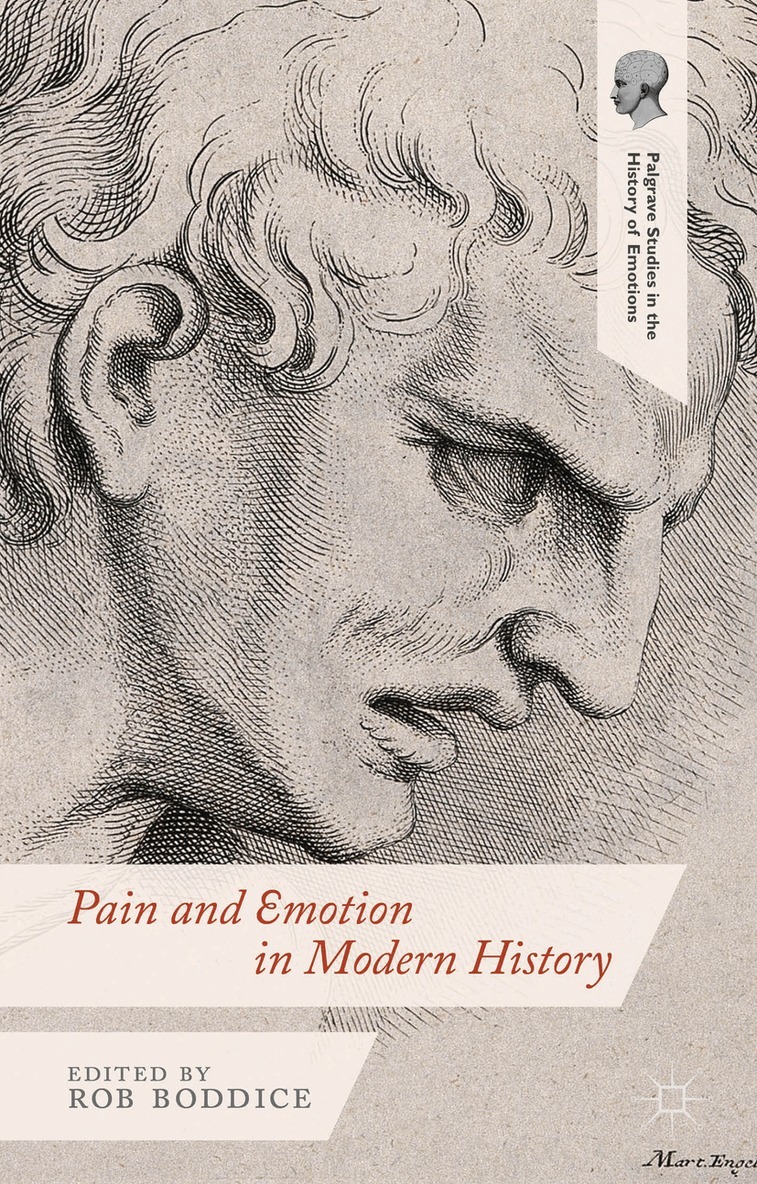
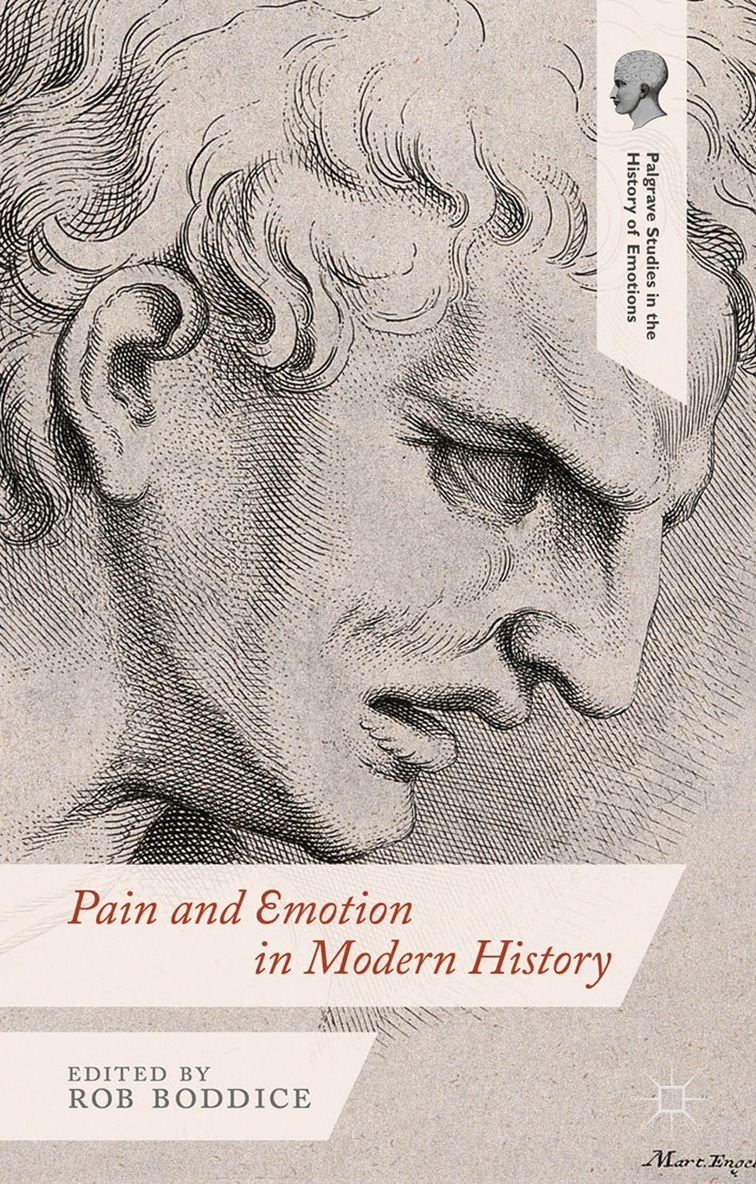
Pain and Emotion in Modern History
Robert Gregory Boddice, Robert Gregory Boddice
Inbunden, 2014
1 135 kr
1 360 kr
Beställningsvara. Skickas inom 10-15 vardagar. Fri frakt över 249 kr.
Robert Gregory Boddice, Robert Gregory Boddice
Inbunden, 2014
1 135 kr
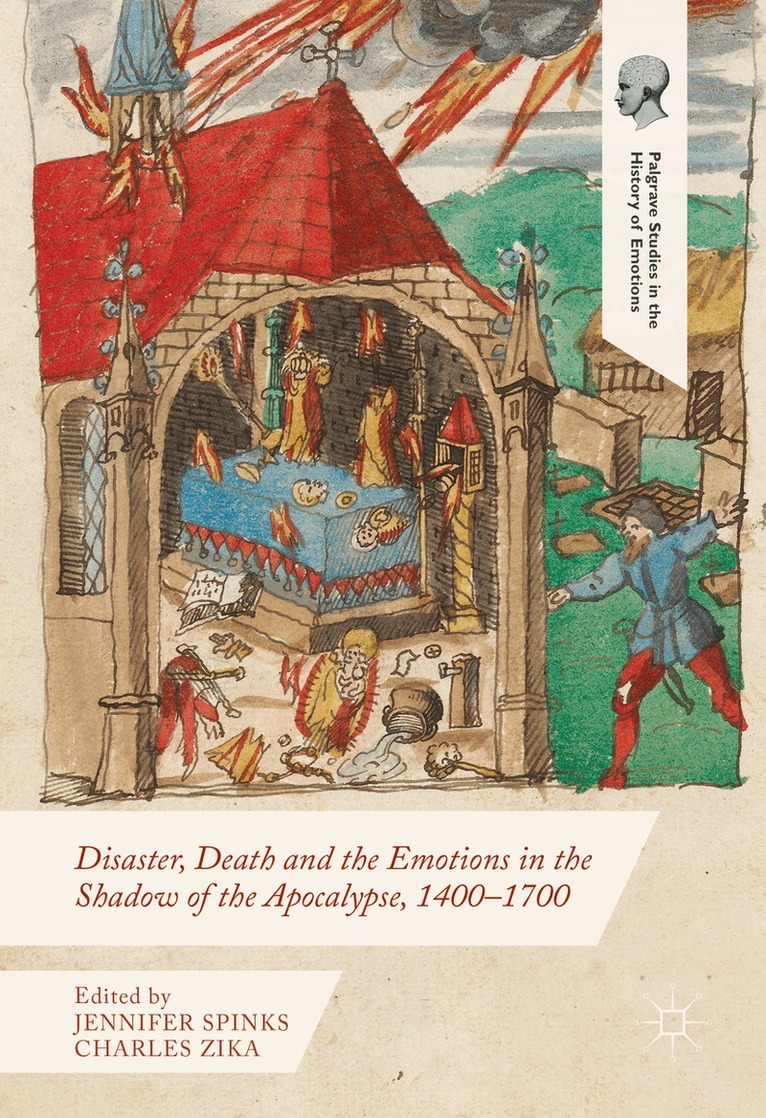
Jennifer Spinks, Charles Zika
Inbunden, 2016
1 473 kr
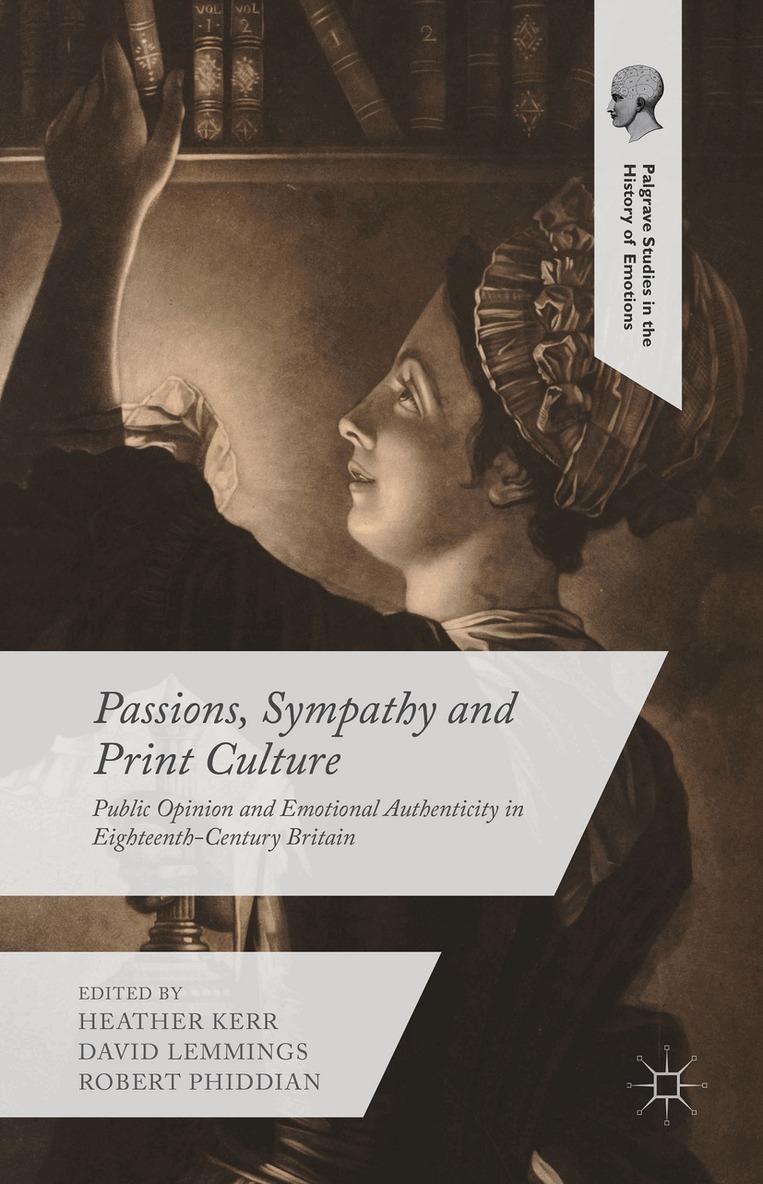
Heather Kerr, David Lemmings, Robert Phiddian
Inbunden, 2015
571 kr



Mark Neuendorf
Inbunden, 2021
1 360 kr

Mark Neuendorf
1 798 kr
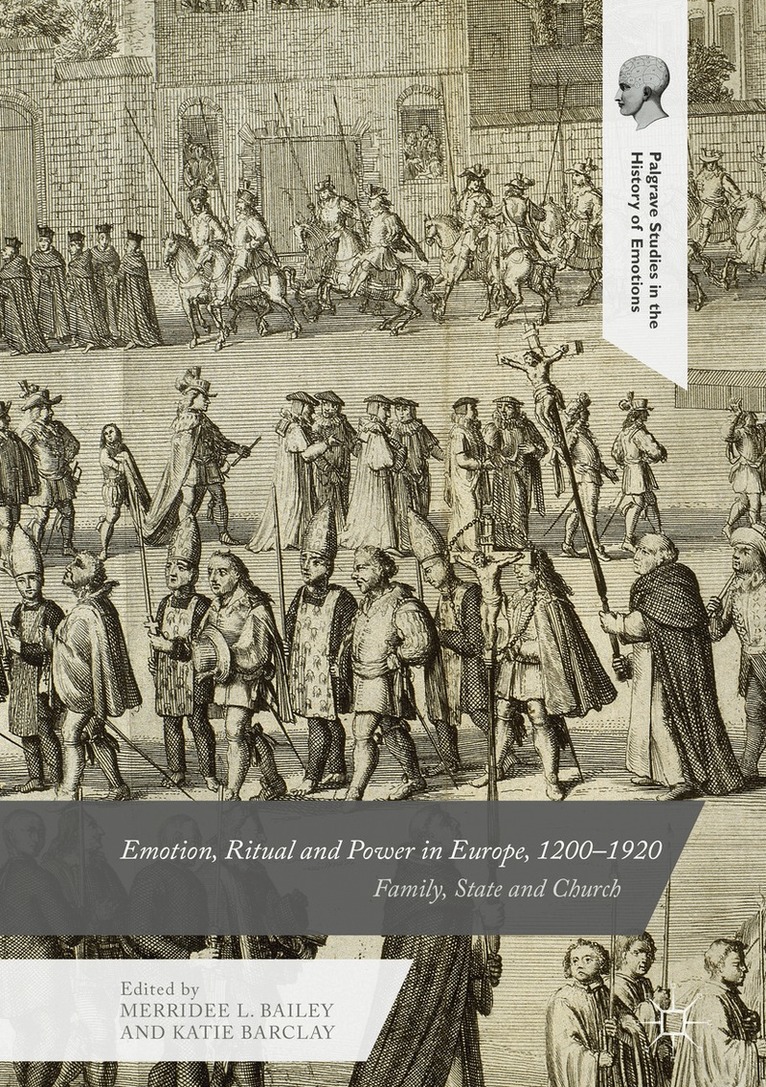
Merridee L. Bailey, Katie Barclay
Inbunden, 2017
1 019 kr

Erin Sebo, Matthew Firth, Daniel Anlezark
Häftad, 2024
1 806 kr

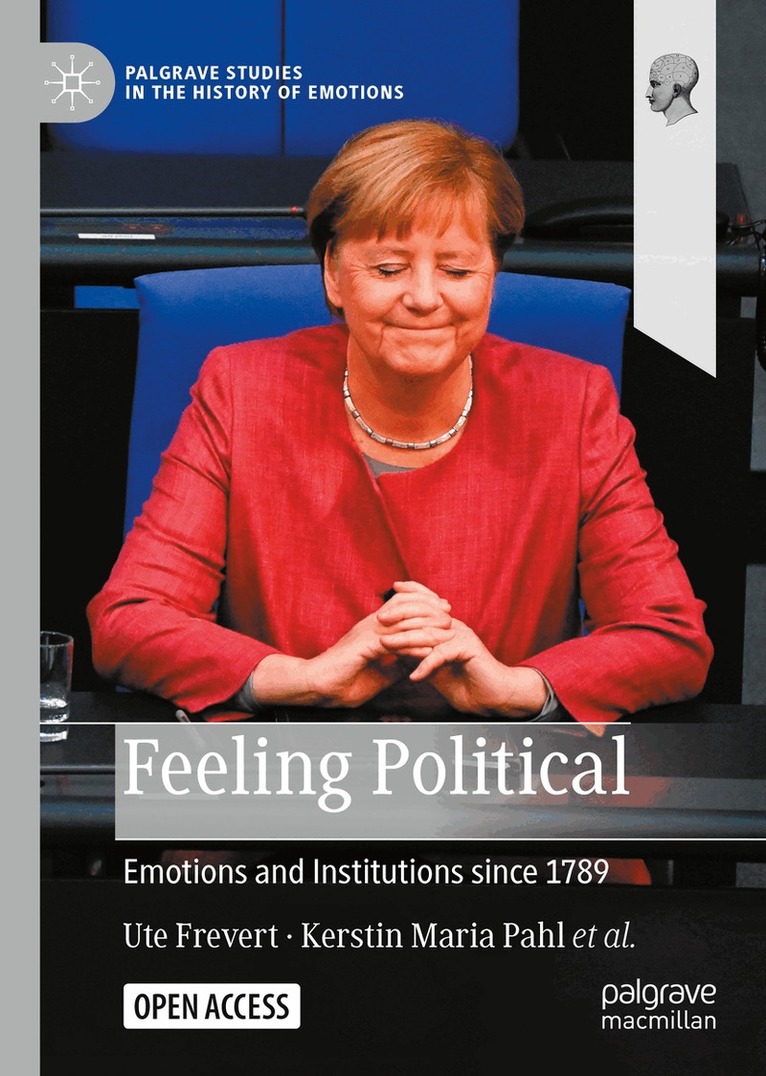
Ute Frevert, Kerstin Maria Pahl, Francesco Buscemi, Philipp Nielsen, Agnes Arndt, Michael Amico, Karsten Lichau, Hannah Malone, Julia Wambach, Juliane Brauer, Caroline Moine
Inbunden, 2022
571 kr
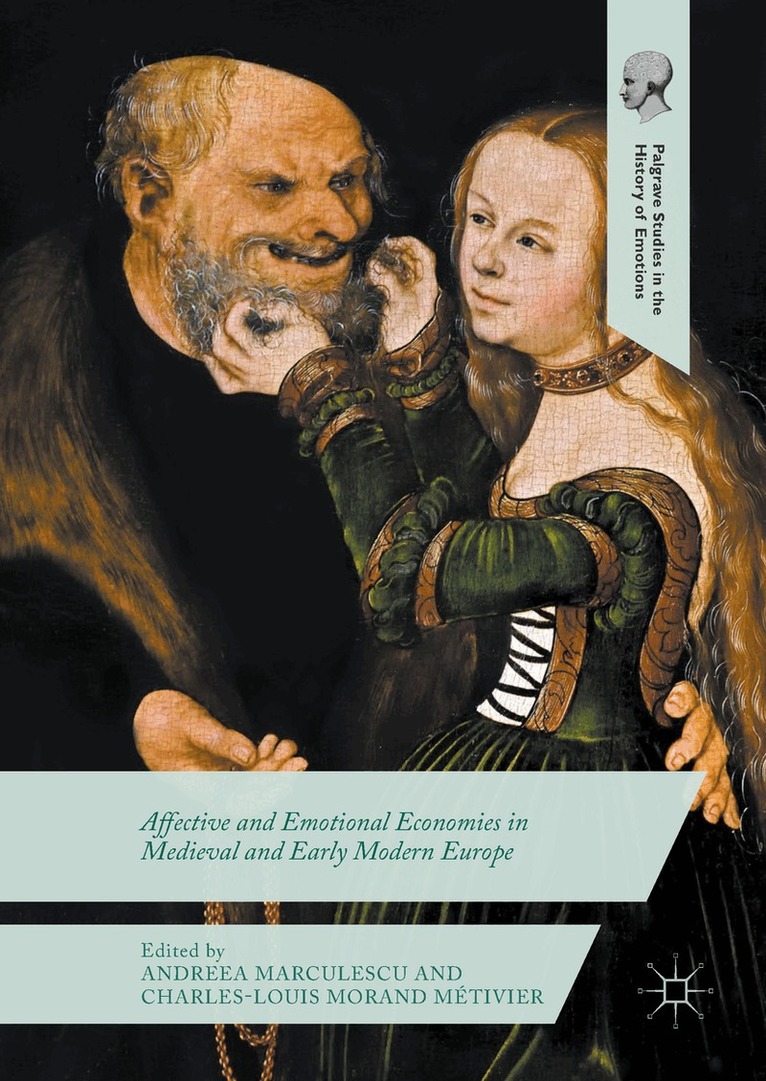
Andreea Marculescu, Charles-Louis Morand Métivier
Inbunden, 2017
1 251 kr

1 360 kr
Beställningsvara. Skickas inom 10-15 vardagar. Fri frakt över 249 kr.
Robert Gregory Boddice, Robert Gregory Boddice
Inbunden, 2014
1 135 kr
Jennifer Spinks, Charles Zika
Inbunden, 2016
1 473 kr
Heather Kerr, David Lemmings, Robert Phiddian
Inbunden, 2015
571 kr
Mark Neuendorf
Inbunden, 2021
1 360 kr
Mark Neuendorf
1 798 kr
Merridee L. Bailey, Katie Barclay
Inbunden, 2017
1 019 kr
Erin Sebo, Matthew Firth, Daniel Anlezark
Häftad, 2024
1 806 kr
Ute Frevert, Kerstin Maria Pahl, Francesco Buscemi, Philipp Nielsen, Agnes Arndt, Michael Amico, Karsten Lichau, Hannah Malone, Julia Wambach, Juliane Brauer, Caroline Moine
Inbunden, 2022
571 kr
Andreea Marculescu, Charles-Louis Morand Métivier
Inbunden, 2017
1 251 kr
1 360 kr
Beställningsvara. Skickas inom 10-15 vardagar. Fri frakt över 249 kr.
Robert Gregory Boddice, Robert Gregory Boddice
Inbunden, 2014
1 135 kr
Jennifer Spinks, Charles Zika
Inbunden, 2016
1 473 kr
Heather Kerr, David Lemmings, Robert Phiddian
Inbunden, 2015
571 kr
Mark Neuendorf
Inbunden, 2021
1 360 kr
Mark Neuendorf
1 798 kr
Merridee L. Bailey, Katie Barclay
Inbunden, 2017
1 019 kr
Erin Sebo, Matthew Firth, Daniel Anlezark
Häftad, 2024
1 806 kr
Ute Frevert, Kerstin Maria Pahl, Francesco Buscemi, Philipp Nielsen, Agnes Arndt, Michael Amico, Karsten Lichau, Hannah Malone, Julia Wambach, Juliane Brauer, Caroline Moine
Inbunden, 2022
571 kr
Andreea Marculescu, Charles-Louis Morand Métivier
Inbunden, 2017
1 251 kr