Inbunden, Engelska, 2022
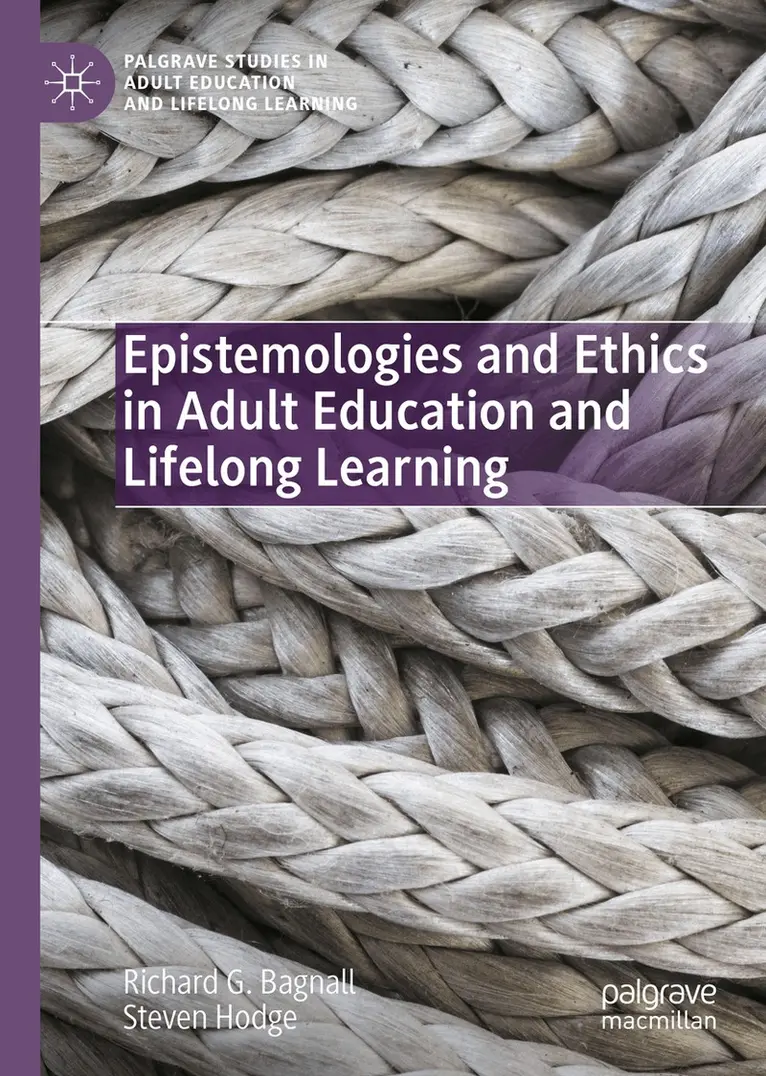
Epistemologies and Ethics in Adult Education and Lifelong Learning
Av Richard G. Bagnall, Steven Hodge
1274 kr
Beställningsvara. Skickas inom 10-15 vardagar. Fri frakt över 249 kr.
Beskrivning
This book presents and advocates for a framework of competing epistemologies and conceptions of ethics as a way of understanding modernist lifelong learning. These epistemologies are grounded in a recognition of the normative nature of knowledge that informs lifelong learning; each being framed by a different account of the sort of knowledge that is most valued and therefore foregrounded in lifelong learning policy, provision and engagement informed by the epistemology. Each epistemology is also characterised by its constituent conception of ethics. Four such epistemologies and conceptions of ethics are here recognised as having been important in the lifelong learning movement to date: disciplinary, developmental, emancipatory, and design. The authors argue that assumptions about knowledge and moral positions constitute a powerful but not well-understood feature of such arguments: awareness of these assumptions and positions could serve to powerfully advance the overall understanding of what is at stake in lifelong learning and adult education at all levels.
Produktinformation
- Utgivningsdatum: 2022-02-18
- Mått: 148 x 210 x 24 mm
- Vikt: 529 g
- Format: Inbunden
- Språk: Engelska
- Serie: Palgrave Studies in Adult Education and Lifelong Learning
- Antal sidor: 344
- Förlag: Springer Nature Switzerland AG
- ISBN: 9783030949792
Utforska kategorier
Betyg & recensioner
0 recensioner
Inga recensioner tillgängliga.